
Famous inventors

CITE
We have made every effort to follow citation style rules, but there may be some minor differences. If in doubt, please refer to the appropriate citation style manual.
Johannes Gutenberg. (2026). In Q-files Encyclopedia, Technology, Famous inventors. Retrieved from
https://www.q-files.com/technology/famous-inventors/johannes-gutenberg
"Johannes Gutenberg." Technology, Famous inventors, Q-files Encyclopedia, 16 Mar. 2026.
https://www.q-files.com/technology/famous-inventors/johannes-gutenberg.
Accessed 21 Sep. 2026.
Johannes Gutenberg 2026. Technology, Famous inventors. Retrieved 21 September 2026, from
https://www.q-files.com/technology/famous-inventors/johannes-gutenberg
Technology, Famous inventors, s.v. "Johannes Gutenberg," accessed September 21, 2026.
https://www.q-files.com/technology/famous-inventors/johannes-gutenberg


Johannes Gutenberg
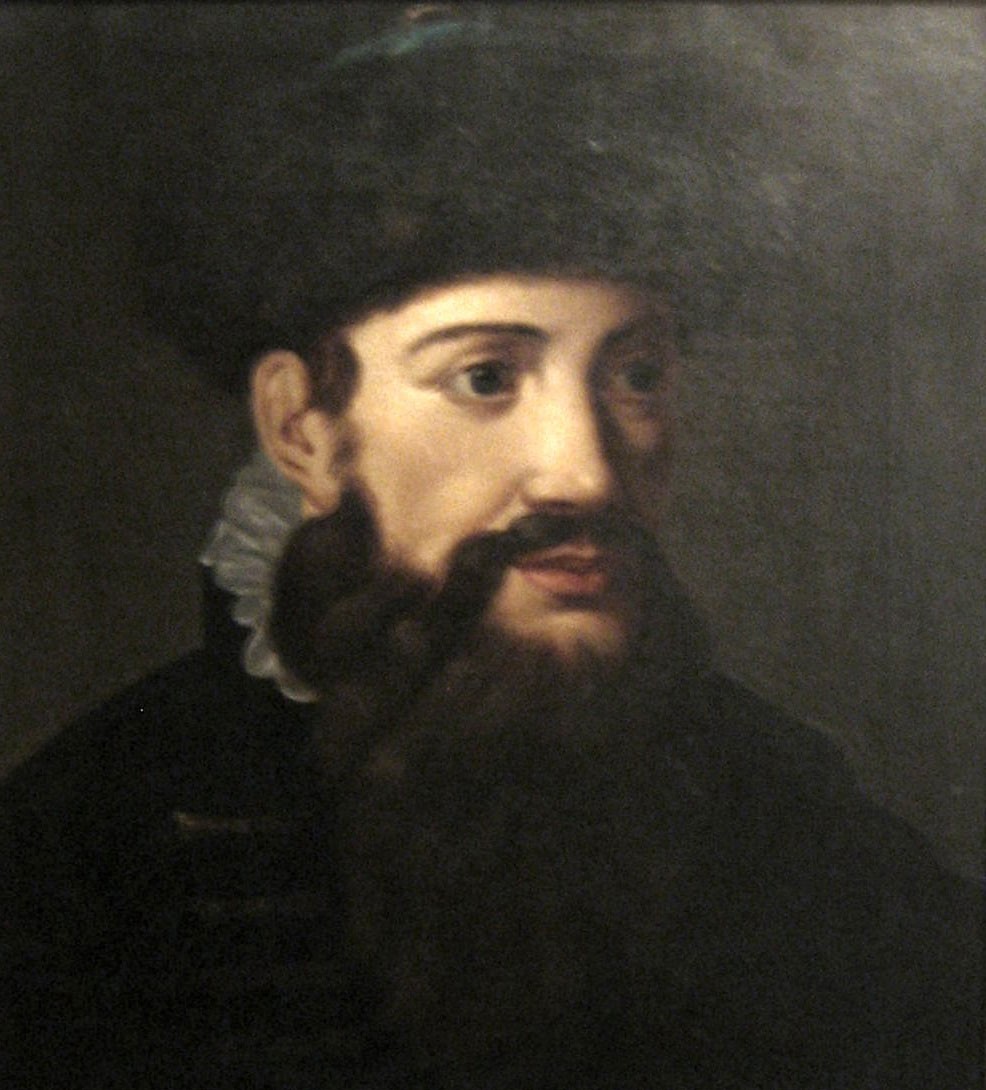
Two of the most important inventions in printing were movable metal type, which allowed words and paragraphs to be built up from individual metal blocks with letters on them, and the printing press. In Europe, these were both developed in the 1430s by the German goldsmith and inventor Johannes Gutenberg (1395–1468). Although born and brought up in Mainz, Gutenberg perfected his work on printing in Strasbourg. By 1448, Gutenberg had returned to Mainz, and his printing press was in full operation.
Printing
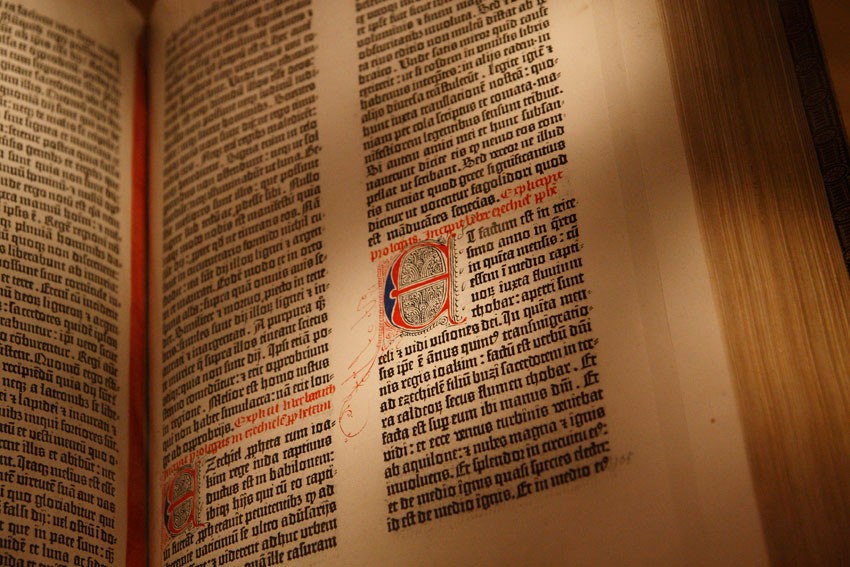
Gutenberg's press allowed books to be printed in large quantities; before his time, each individual book had to be hand-copied. Gutenberg was the first European to use movable type printing, previously invented in China around 1050 AD (although he was unaware of this prior invention). Combining this process with the wooden printing press in around 1439 allowed the mass production of printed books for the first time. It was one of the key inventions in history.
Movable type
Johannes Gutenberg's work on the printing press began in around 1436. It was Gutenberg's idea to split the text into individual letters (either lower or upper case) punctuation marks and other characters. The individual letters were each cast—as mirror images—in blocks of metal. The blocks were then assembled in a frame to form words, lines and pages. This is described as movable type: the blocks of type can be moved into countless different positions to print the text.
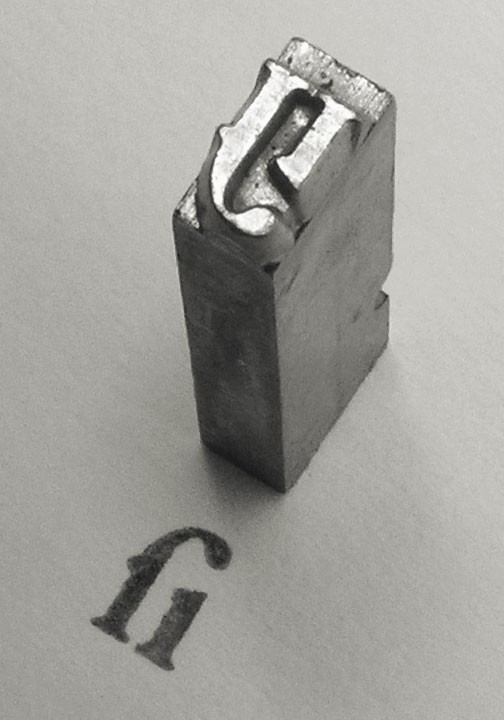
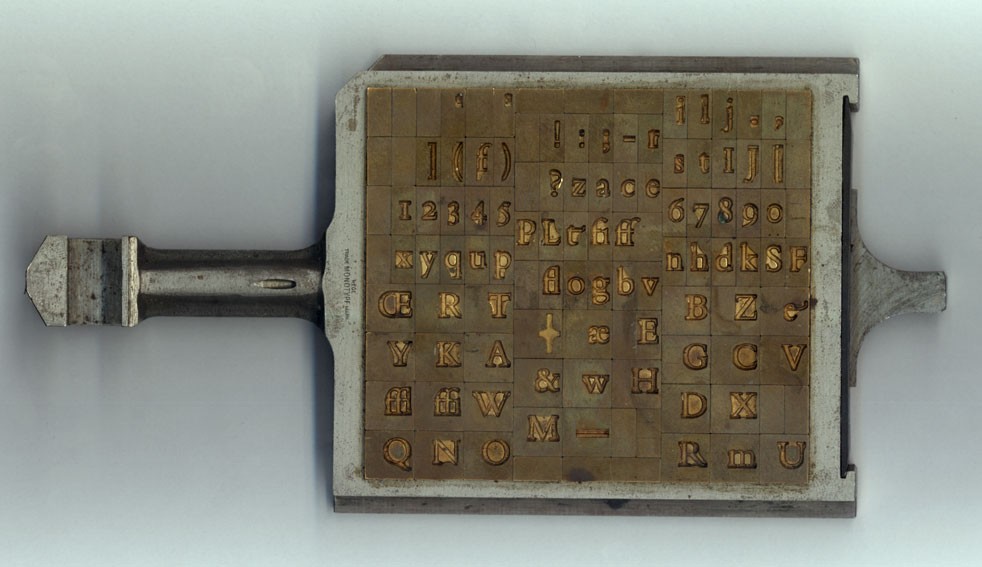
To produce the mould (also called a matrix), each letter was firstly cut into the face of a steel block, known as a punch. Careful steps were taken to ensure that all letters were of identical depth. A piece of type, or "sort", was then cast by filling the mould with molten metal, an alloy of lead, tin and antimony, which cooled and hardened.
Printing press

For his printing press, Gutenberg used the screw press, based on a device already used to press grapes for wine. It was designed to achieve an even transfer of the image on to paper. The letters were positioned in a frame or "forme". The type surface was inked, then the paper laid carefully on top and beneath a padded surface. Pressure was then applied from above by turning the large threaded screw.
This process is called letterpress printing. Letterpress printing remained the chief method of printing until the second half of the 20th century.
Consultant: Dave Hawksett
pics
Without in any way limiting Q-files Ltd’s exclusive rights under copyright, any use of this publication to “train” generative artificial intelligence (AI) technologies to generate text is expressly prohibited. Q-files Ltd reserves all rights to license use of this work for generative AI training and development of machine learning language models.