
Famous inventors

CITE
We have made every effort to follow citation style rules, but there may be some minor differences. If in doubt, please refer to the appropriate citation style manual.
Eli Whitney. (2026). In Q-files Encyclopedia, Technology, Famous inventors. Retrieved from
https://www.q-files.com/technology/famous-inventors/eli-whitney
"Eli Whitney." Technology, Famous inventors, Q-files Encyclopedia, 16 Mar. 2026.
https://www.q-files.com/technology/famous-inventors/eli-whitney.
Accessed 22 Sep. 2026.
Eli Whitney 2026. Technology, Famous inventors. Retrieved 22 September 2026, from
https://www.q-files.com/technology/famous-inventors/eli-whitney
Technology, Famous inventors, s.v. "Eli Whitney," accessed September 22, 2026.
https://www.q-files.com/technology/famous-inventors/eli-whitney


Eli Whitney
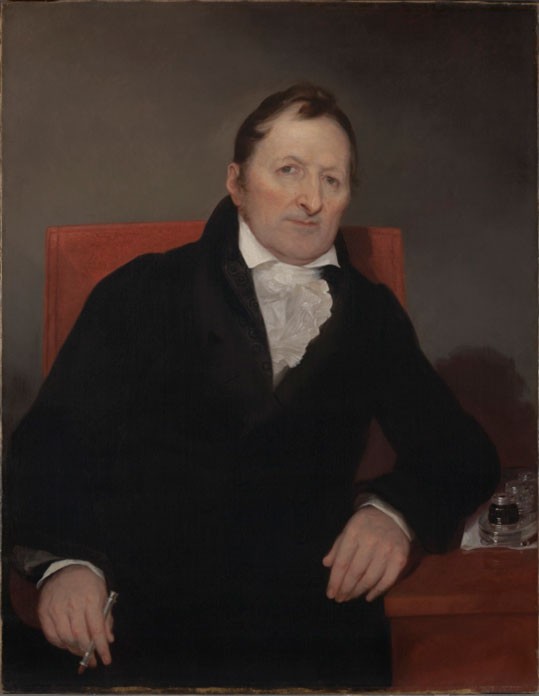
Eli Whitney (1765–1825) was an American inventor, best known for the invention of the cotton gin, enabling the mass production of cotton. Before his invention, separating the cottonseed from the raw cotton fibres, or lint, was a long and laborious process. But the success of the gin meant that the slavery system, which had until then been declining in the southern states of the USA, became revitalized as a result of cotton farming becoming profitable once more.
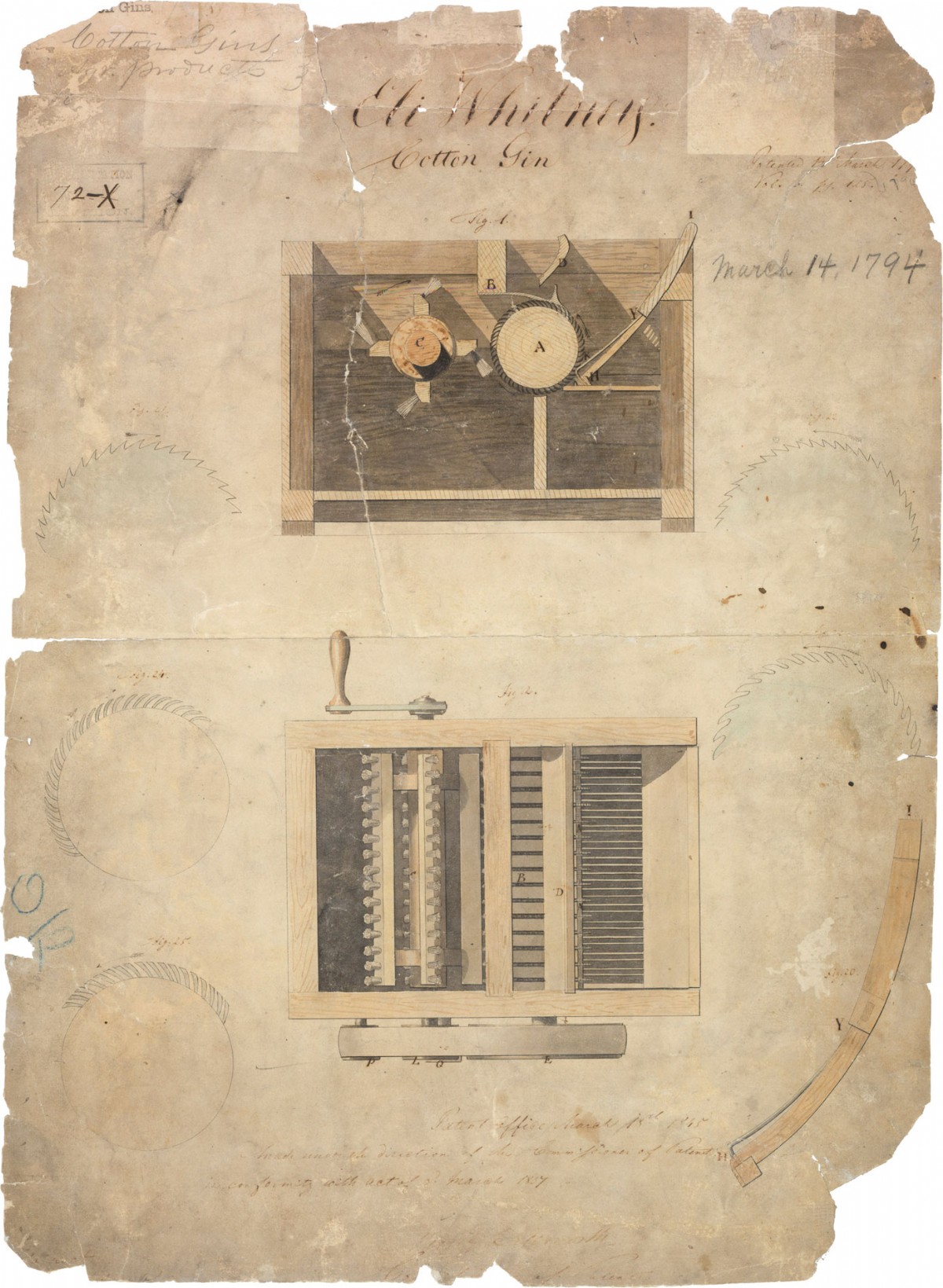
Cotton gin
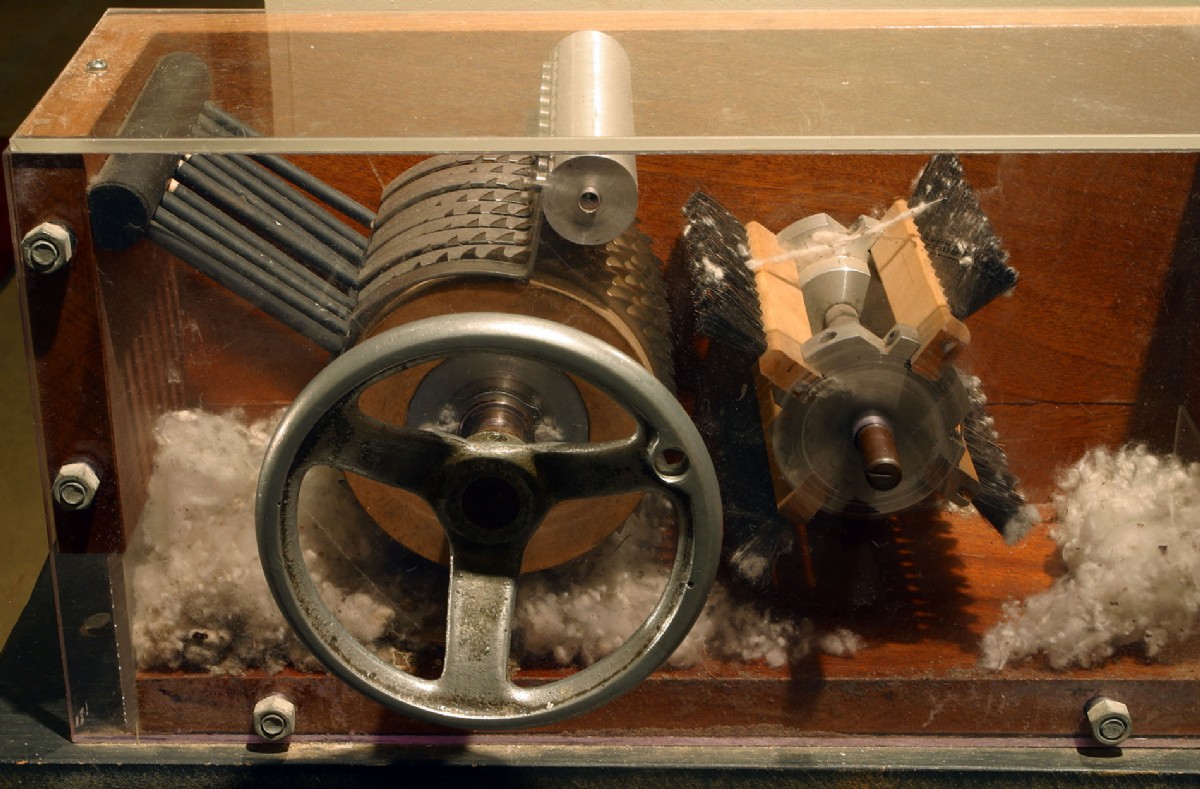
Whitney designed his machine in 1793 and patented it the following year. The cotton gin (the word "gin" is a shortening of "engine") had a wooden drum embedded with hooks. These dragged the cotton fibres through a mesh while the seeds, which would not fit through the fine mesh, fell outside. Brushes continuously removed the loose cotton fibres to prevent jams. Smaller gins could be cranked by hand; larger ones were powered by horses and, later, steam engines.
Whitney went into business with Phineas Miller. They planned to build cotton gins and install them on plantations throughout the American South, taking as payment 40% of their profits, paid to them in cotton itself. The plantation owners objected to paying such a high tax, and soon started copying—and selling—versions of the machine themselves. Some were actually improvements on Whitney's original model. Loopholes in the patent laws of the time meant that Whitney lost out.
Interchangeable parts
Whitney later designed and built muskets (long-barrelled guns) for the US Army. He favoured the idea of "interchangeable parts": identical parts that could be used in the production of the firearms. In this way, items could be assembled faster and repaired more easily. The idea caught on, paving the way for modern-style mass production.

Consultant: Dave Hawksett
pics
Without in any way limiting Q-files Ltd’s exclusive rights under copyright, any use of this publication to “train” generative artificial intelligence (AI) technologies to generate text is expressly prohibited. Q-files Ltd reserves all rights to license use of this work for generative AI training and development of machine learning language models.