
Famous inventors

CITE
We have made every effort to follow citation style rules, but there may be some minor differences. If in doubt, please refer to the appropriate citation style manual.
Nicolas Appert. (2026). In Q-files Encyclopedia, Technology, Famous inventors. Retrieved from
https://www.q-files.com/technology/famous-inventors/nicolas-appert
"Nicolas Appert." Technology, Famous inventors, Q-files Encyclopedia, 16 Mar. 2026.
https://www.q-files.com/technology/famous-inventors/nicolas-appert.
Accessed 22 Sep. 2026.
Nicolas Appert 2026. Technology, Famous inventors. Retrieved 22 September 2026, from
https://www.q-files.com/technology/famous-inventors/nicolas-appert
Technology, Famous inventors, s.v. "Nicolas Appert," accessed September 22, 2026.
https://www.q-files.com/technology/famous-inventors/nicolas-appert


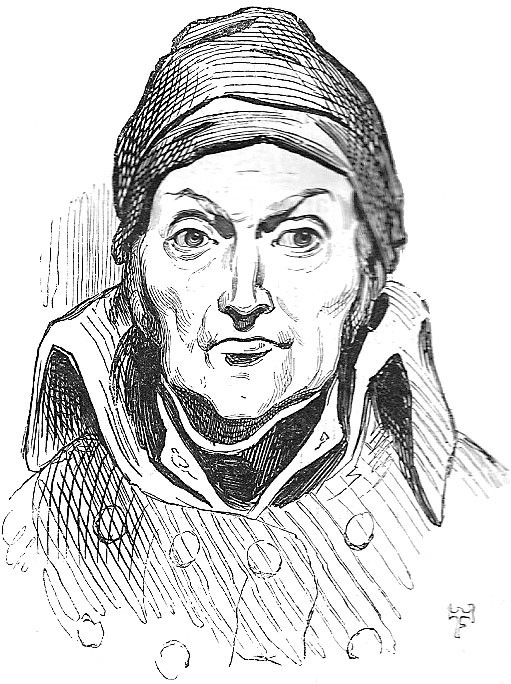
Nicolas Appert
Nicolas Appert (1749–1841) was a French confectioner and chef. In 1795, he began experimenting with ways to preserve foodstuffs such as soups, juices, vegetables, jams and jellies using glass jars sealed with cork and wax. The jars were then placed in boiling water—effectively sterilizing the food inside, decades before French scientist (1822–95) Louis Pasteur demonstrated how heat killed bacteria. In 1795 the French military offered a cash prize of 12,000 francs for a new method to preserve food. Appert eventually won the prize in January 1810. He then patented his invention and established a business.
Canning
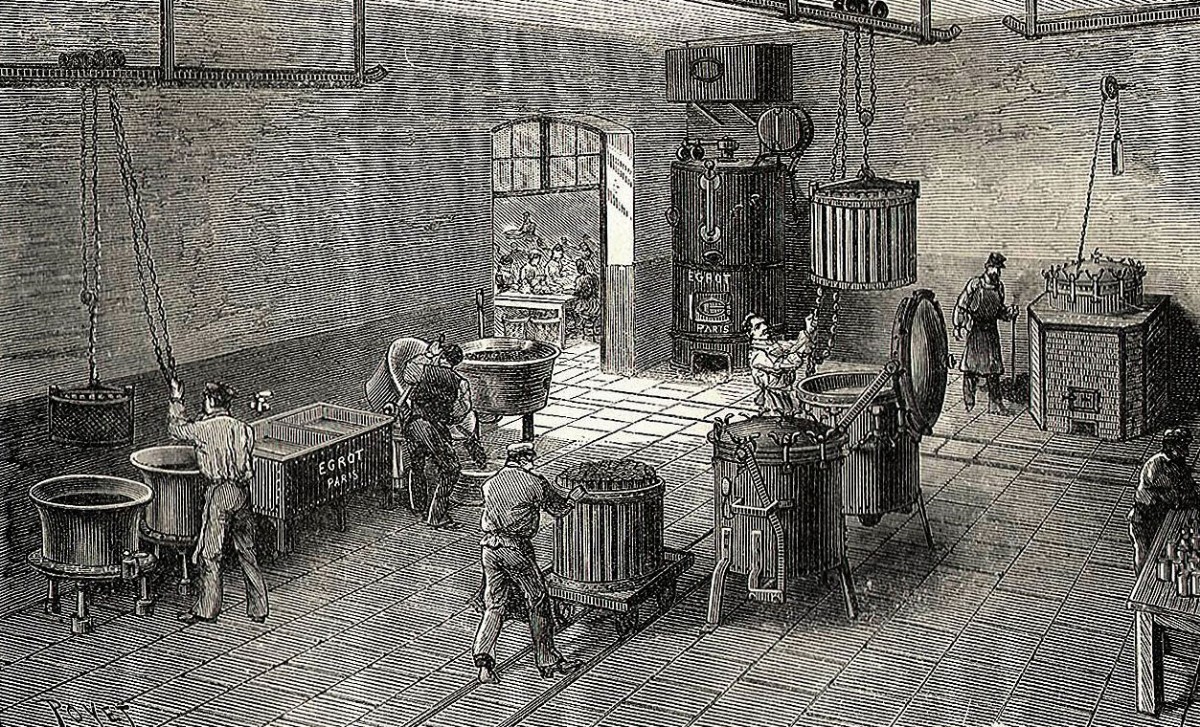
In 1810, English merchant Peter Durand patented his own preservation method, but used tin-plated cans instead. His method, obtained from French inventor Philippe de Girard (1775–1845), was to place food in the containers, seal them, boil them in water, then open and seal them once more. Durand sold his patent to Bryan Donkin and John Hall in 1812, who set up a canning factory the following year. In 1822, Appert himself changed from using glass jars to tin-plated cans instead.
Consultant: Dave Hawksett
pics
Without in any way limiting Q-files Ltd’s exclusive rights under copyright, any use of this publication to “train” generative artificial intelligence (AI) technologies to generate text is expressly prohibited. Q-files Ltd reserves all rights to license use of this work for generative AI training and development of machine learning language models.