
Famous inventors

CITE
We have made every effort to follow citation style rules, but there may be some minor differences. If in doubt, please refer to the appropriate citation style manual.
Louis Daguerre. (2026). In Q-files Encyclopedia, Technology, Famous inventors. Retrieved from
https://www.q-files.com/technology/famous-inventors/louis-daguerre
"Louis Daguerre." Technology, Famous inventors, Q-files Encyclopedia, 16 Mar. 2026.
https://www.q-files.com/technology/famous-inventors/louis-daguerre.
Accessed 21 Sep. 2026.
Louis Daguerre 2026. Technology, Famous inventors. Retrieved 21 September 2026, from
https://www.q-files.com/technology/famous-inventors/louis-daguerre
Technology, Famous inventors, s.v. "Louis Daguerre," accessed September 21, 2026.
https://www.q-files.com/technology/famous-inventors/louis-daguerre


Louis Daguerre
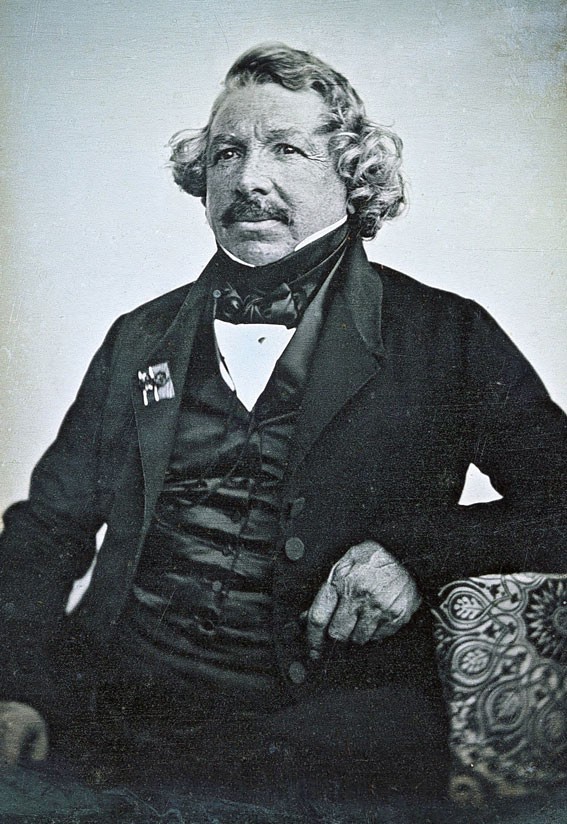
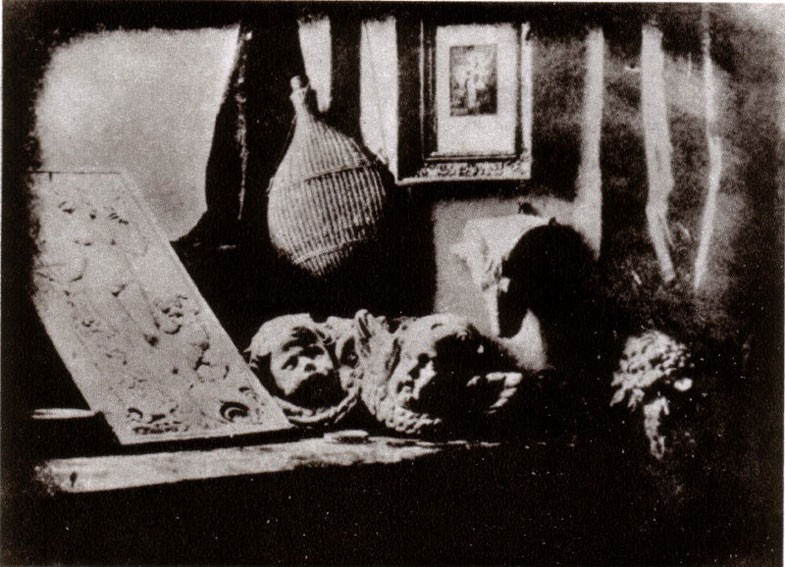
Photography was invented in 1827 by Nicéphore Niépce, but the quality of photographic images was greatly improved by another Frenchman, the artist and photographer Louis Daguerre (1787–1851). He worked in partnership with Niépce from 1829 until his death in 1833, continuing to develop his new photographic process that would later be known as the daguerreotype. Daguerre’s photograph of an artist’s studio became the world’s first fully successful photograph in 1837.
Daguerreotypes
Niépce's photographs required camera exposures lasting for hours or days. Daguerre then made the important discovery that an extremely faint image created by a much shorter exposure could then be chemically "developed" into a visible image. Daguerre's photographs, called daguerreotypes, were made on copper plates coated with silver iodide, which are highly sensitive to light, fixed (made insensitive to further exposure to light) with ordinary salt.
To begin with, the process of taking a photo still required exposure times of several minutes, but within a few years, the exposure time had been reduced to a few seconds through the use of additional chemicals. Although of exceptional quality and sharpness, the daguerreotype was a unique image which could only be duplicated by re-photographing the original subject.
Consultant: Dave Hawksett
pics
Without in any way limiting Q-files Ltd’s exclusive rights under copyright, any use of this publication to “train” generative artificial intelligence (AI) technologies to generate text is expressly prohibited. Q-files Ltd reserves all rights to license use of this work for generative AI training and development of machine learning language models.