
Famous inventors

CITE
We have made every effort to follow citation style rules, but there may be some minor differences. If in doubt, please refer to the appropriate citation style manual.
Orville and Wilbur Wright. (2026). In Q-files Encyclopedia, Technology, Famous inventors. Retrieved from
https://www.q-files.com/technology/famous-inventors/orville-and-wilbur-wright
"Orville and Wilbur Wright." Technology, Famous inventors, Q-files Encyclopedia, 16 Mar. 2026.
https://www.q-files.com/technology/famous-inventors/orville-and-wilbur-wright.
Accessed 6 Nov. 2026.
Orville and Wilbur Wright 2026. Technology, Famous inventors. Retrieved 6 November 2026, from
https://www.q-files.com/technology/famous-inventors/orville-and-wilbur-wright
Technology, Famous inventors, s.v. "Orville and Wilbur Wright," accessed November 6, 2026.
https://www.q-files.com/technology/famous-inventors/orville-and-wilbur-wright


Orville and Wilbur Wright
Orville (1871–1948) and Wilbur Wright (1867–1912) were American inventors; they built and flew the world's first successful aeroplane. Brought up in Dayton, Ohio, the Wright brothers started their own newspaper in 1889. They then became bicycle manufacturers and repairers, while at the same time, having been inspired by the research of German aviator and "Glider King", Otto Lilienthal (1848–96), they developed an interest in aircraft and the possibilities of manned flight.


Flight
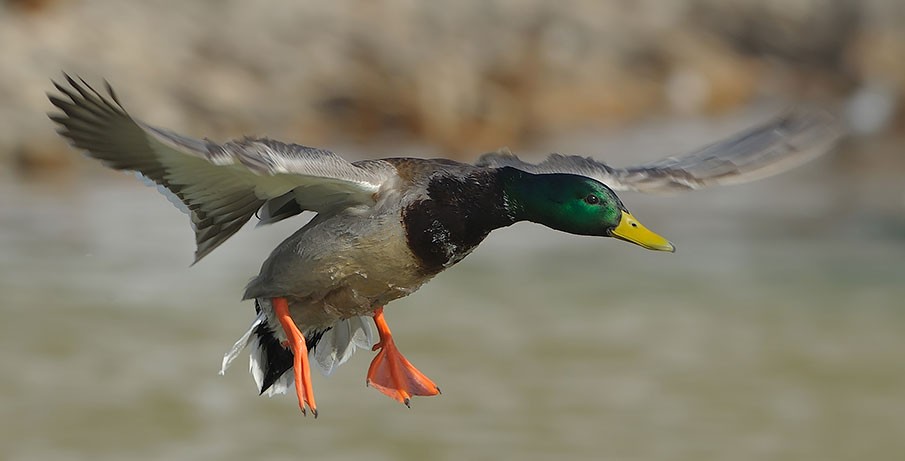
Observing birds in flight, the Wright Brothers noticed that, as they flew into the wind, the air flowing over the curved surface of their wings created lift. The birds could also change the shape of their wings to make turns in mid-flight. The brothers realised they could use this technique by "warping": twisting part of the wing of an aircraft.
Gliders
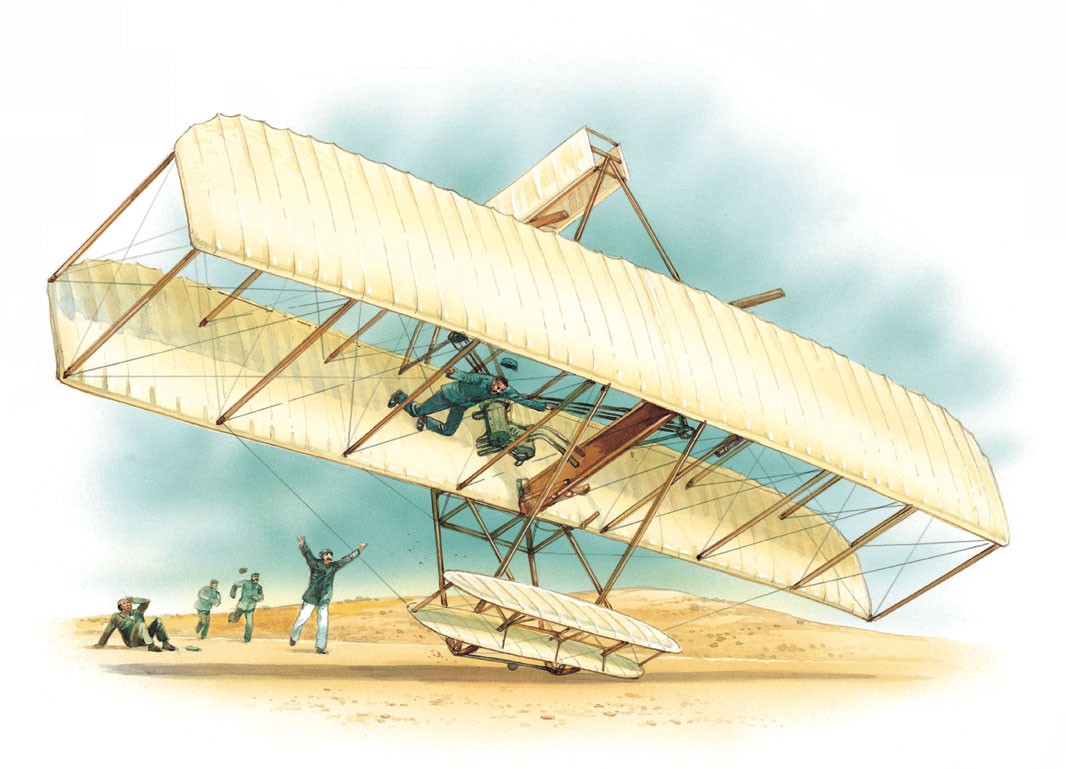
The Wright brothers worked out that a free-flying object needed to be controlled in three different ways: pitching (climbing or diving), yawing (turning to the left or right) and rolling. From 1899, they tested their ideas by making thousands of test flights in gliders, sometimes flying them as unmanned kites. In this way, they gradually perfected their controls, including incorporating a mechanism which enabled the pilot to warp the wings and thus roll the aircraft to the left or right. It could now "bank" or lean into a turn like a bird—or a cyclist.
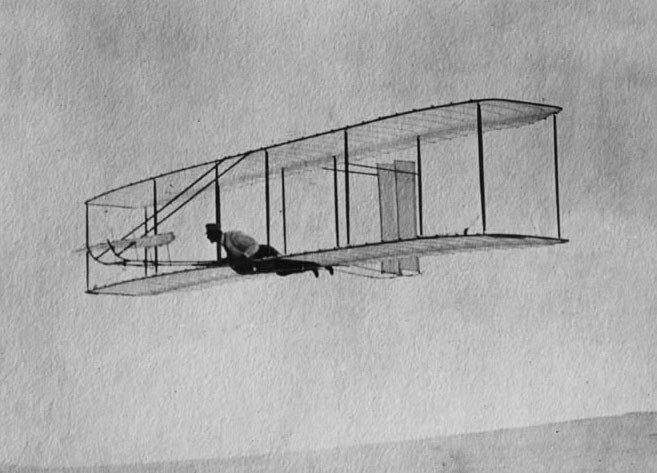
By 1902, the brothers had constructed a glider with a 10-metre (32-foot) wingspan and a movable tail that would help balance their craft in flight.
Flyer I
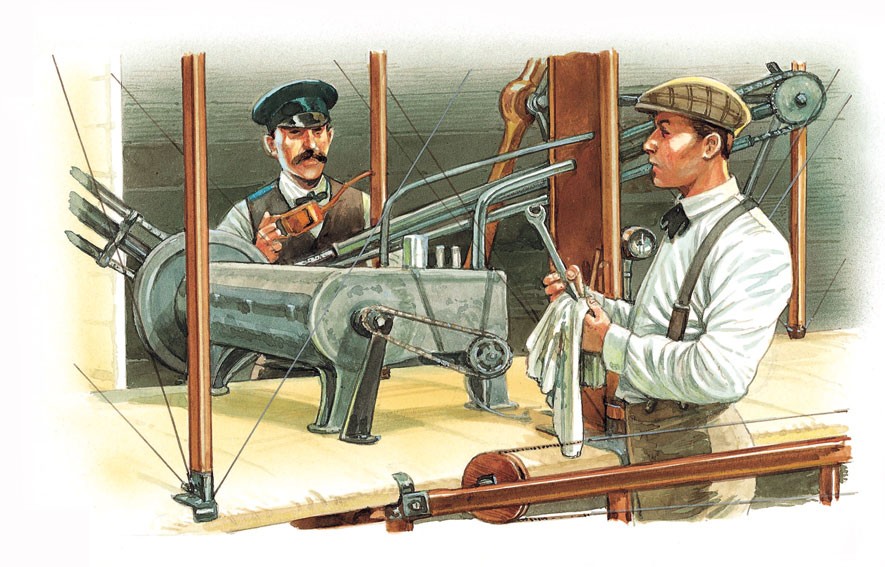
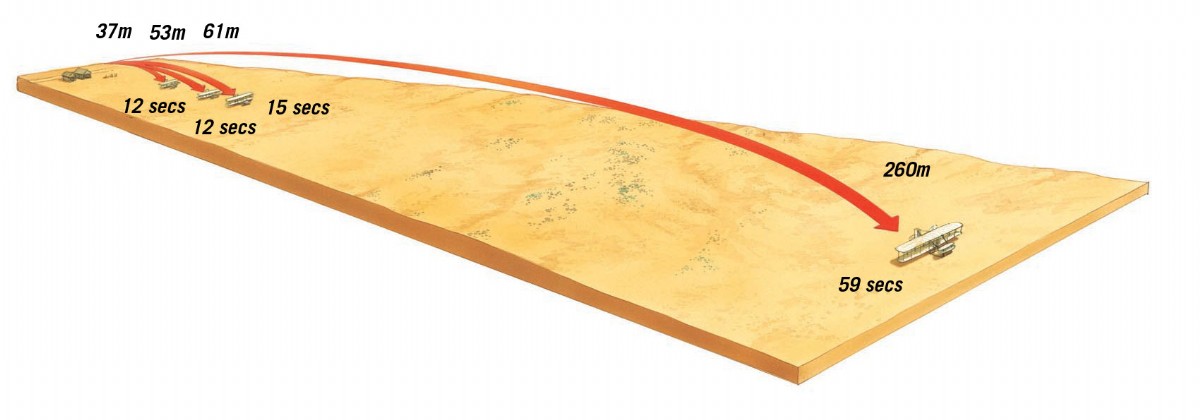
In 1903 Orville and Wilbur Wright finally built an aeroplane, called Flyer I, and fitted it with a small petrol engine of their own design. For its first flight, they constructed a downhill track that would help it gain enough speed to take to the air. On 17th December 1903, on the sand dunes of Kitty Hawk, North Carolina, with Orville at the controls, Flyer I flew for 12 seconds before grounding 36.6 metres (120 feet) away: it was the first ever powered, controlled aeroplane flight.
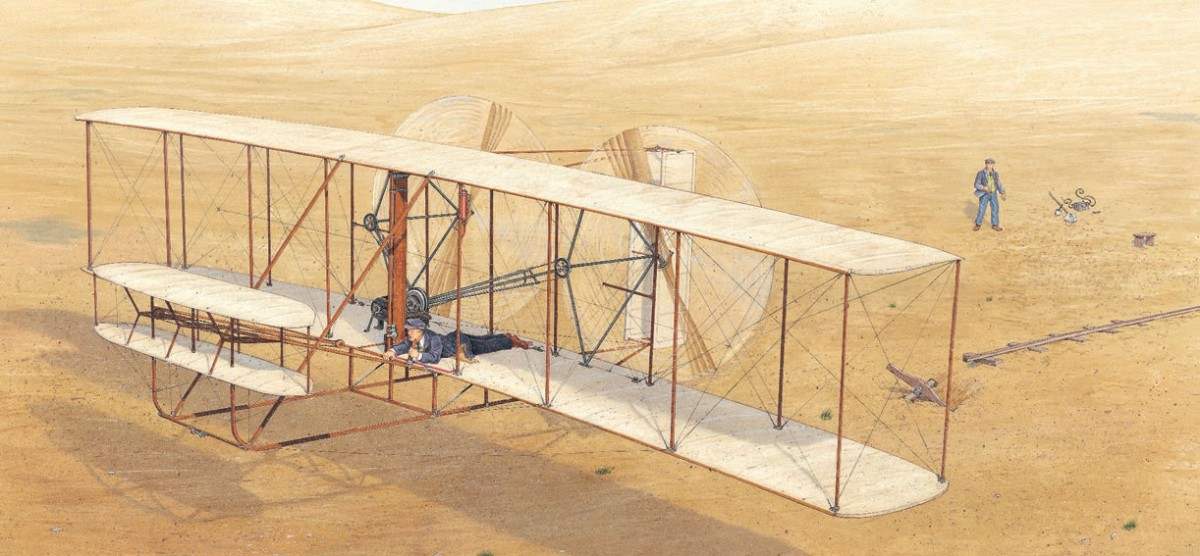
The brothers made three more flights in Flyer that day. The final flight lasted for 59 seconds and covered an impressive distance of 260 metres (850 feet). This proved beyond doubt that the Age of Aviation had truly arrived.

Long flights
Over the following two years, Orville and Wilbur made a number of flights in new, improved machines, Flyer II and III. Wilbur made the longest flight, 39 kilometres (24 miles) and lasting 38 minutes in October 1905. But little interest was shown by the press or public.
With few eyewitnesses and the only photos of their flights having been taken by themselves, the Wrights' claims to have invented a heavier-than-air flying machine were met with disbelief from the US government, to whom they were hoping to sell their aircraft.
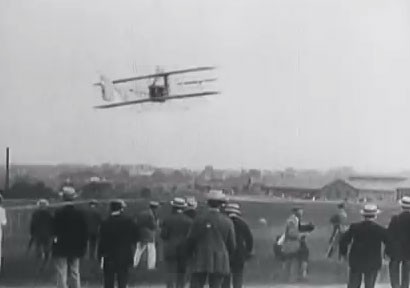
Their first public demonstrations, however, which took place in October 1908 in France, stunned onlookers; the Wright brothers instantly became world famous. Their plane manufacturing company, the Wright Company, started business in 1909.

Consultant: Dave Hawksett
pics
Without in any way limiting Q-files Ltd’s exclusive rights under copyright, any use of this publication to “train” generative artificial intelligence (AI) technologies to generate text is expressly prohibited. Q-files Ltd reserves all rights to license use of this work for generative AI training and development of machine learning language models.