
Famous inventors

CITE
We have made every effort to follow citation style rules, but there may be some minor differences. If in doubt, please refer to the appropriate citation style manual.
Nikola Tesla. (2026). In Q-files Encyclopedia, Technology, Famous inventors. Retrieved from
https://www.q-files.com/technology/famous-inventors/nikola-tesla
"Nikola Tesla." Technology, Famous inventors, Q-files Encyclopedia, 16 Mar. 2026.
https://www.q-files.com/technology/famous-inventors/nikola-tesla.
Accessed 21 Sep. 2026.
Nikola Tesla 2026. Technology, Famous inventors. Retrieved 21 September 2026, from
https://www.q-files.com/technology/famous-inventors/nikola-tesla
Technology, Famous inventors, s.v. "Nikola Tesla," accessed September 21, 2026.
https://www.q-files.com/technology/famous-inventors/nikola-tesla


Nikola Tesla
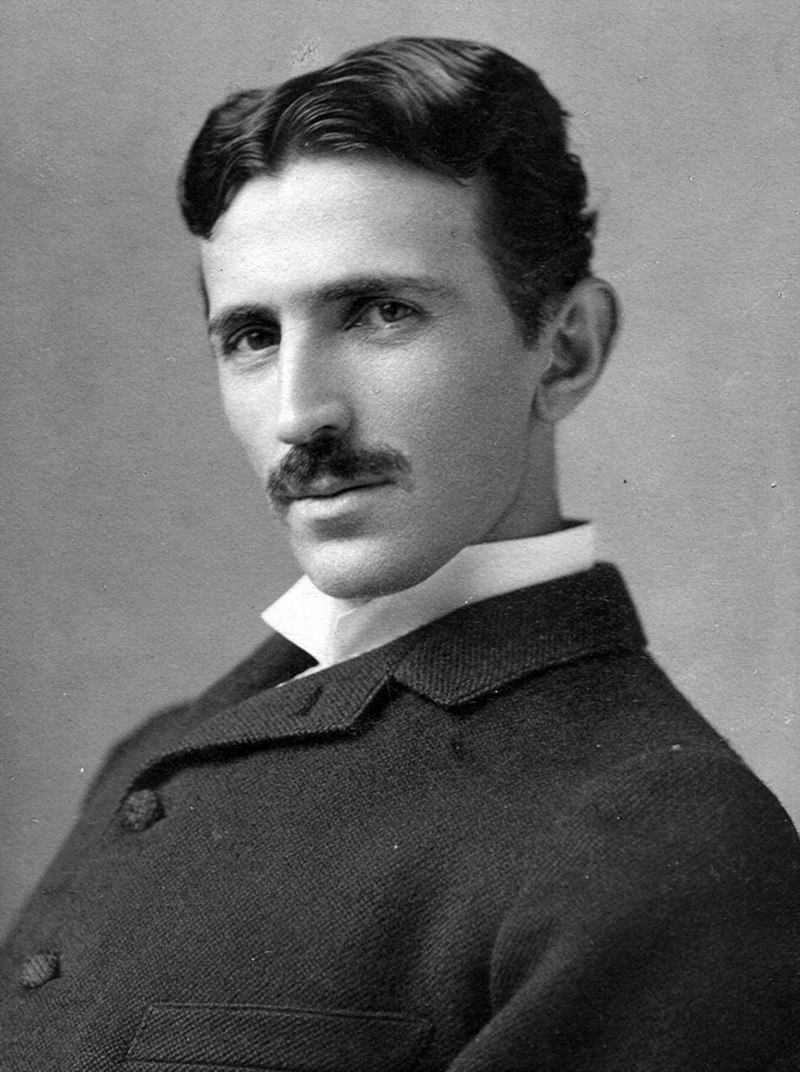
Nikola Tesla (1856–1943) was a Serbian-American inventor, engineer and scientist. He is best known for inventing the first alternating current (AC) motor, and developing AC generation and transmission technology, used across the world today for supplying electrical power. He also created the Tesla coil and earned more than 700 patents (a patent is the legal right to exclude anyone else from making or selling a specific invention for a period of years). Throughout his career, Tesla developed existing inventions, including the dynamo (an electrical generator) and the induction motor. He also pioneered radar technology, X-ray technology, remote control and the rotating magnetic field.

Early life
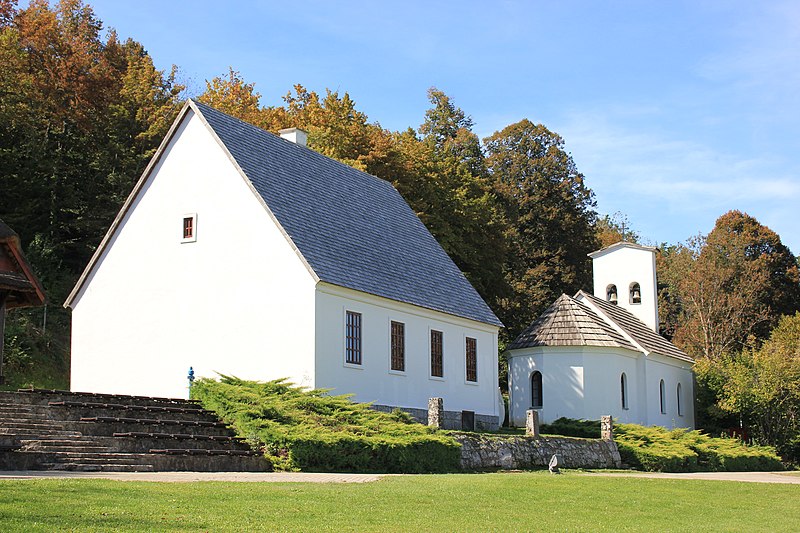
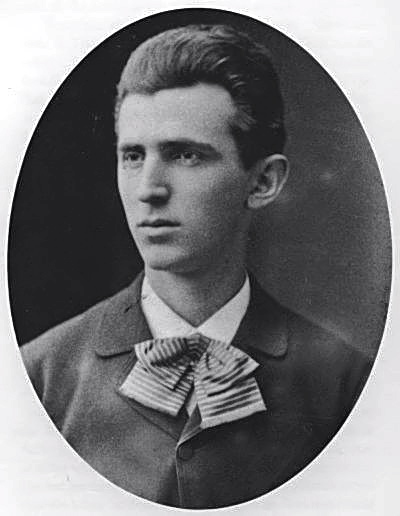
Nikol Tesla was born to Serbian parents in Smiljan, then part of the Austro-Hungarian Empire (today in Croatia), on 10th July 1856. He was one of five children. His mother, Djuka Mandic, invented small household appliances in her spare time. His father, Milutin Tesla, was a Serbian Orthodox priest who hoped his son would also enter the priesthood. But Nikola became smitten by science and technology from an early age.
After studying at the Realschule, Karlstadt, Germany, Tesla moved to the Joanneum Polytechnic School Graz, Austria. It was here he first became interested in developing a new electric motor. After observing how a direct current (DC) motor sparked during a demonstration in class, he started to puzzle how a spark-free motor could be made. After studying at the University of Prague during the 1870s, Tesla moved to Budapest, where for a time he worked at the Central Telephone Exchange.
Induction motor
It was while he was living in Budapest that Tesla hit upon his idea for the induction motor, in 1882. Up to then, electric motors were designed so that the magnetic field of the stator was kept constant, while the magnetic field in the rotor was changed by means of a commutator, a rotating switch—and the source of the sparking.
Tesla's idea (which he came with while on a walk, making the first sketches of its rotating electromagnets in the sand) was that the current in the electromagnets in the stator would be switched on and off, thus creating a rotating magnetic field. As the magnetic field in the stator rotated, it would induce an electric field in the rotor, causing it to turn. Tesla believed that the switching of the current on and off would be created using alternating current (AC) instead of DC, although at the time he did not know how to accomplish this—no practical, working motor running on AC yet existed.

Move to America
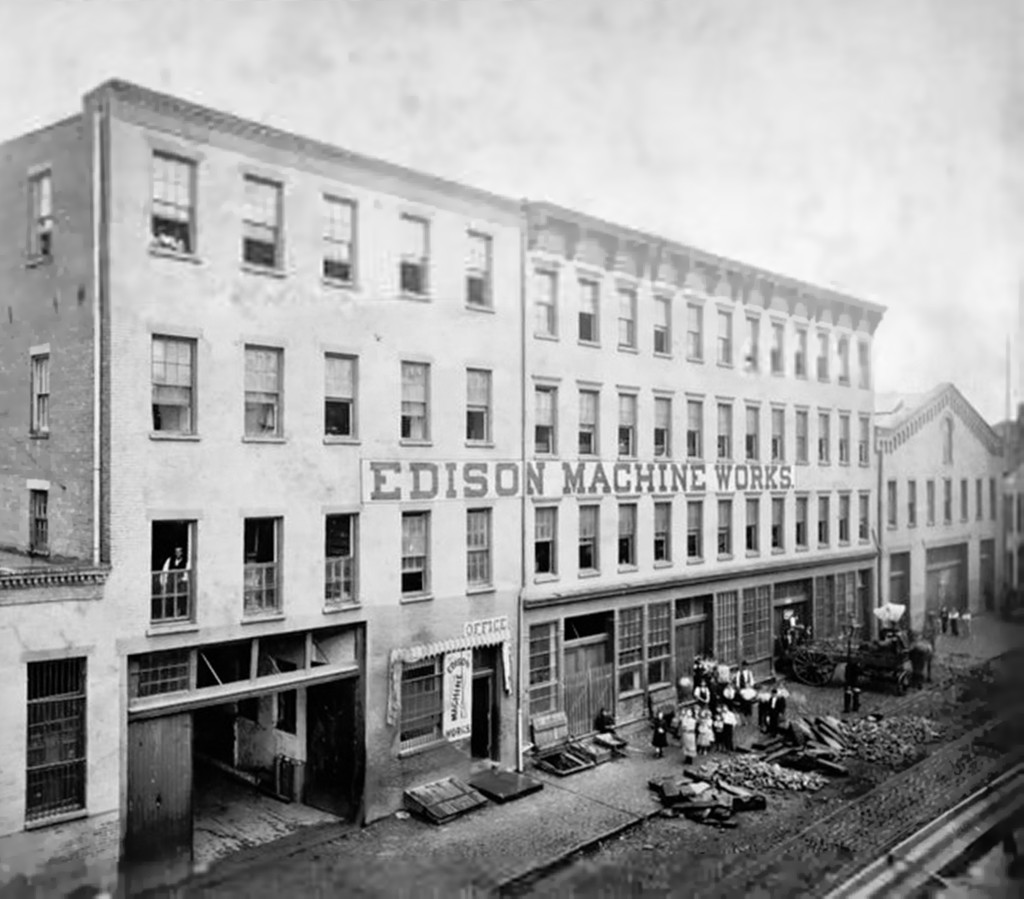
Over the next few years, Tesla tried to perfect his motor, but lacked the practical knowledge. In the meantime, he moved to Paris to work for the Continental Edison Company, installing lighting systems in European cities. This gave him useful experience in electrical engineering. Then, in 1884, at the age of 28, Tesla moved to the Edison Machine Works in New York where he worked on designing an arc lighting system (an early form of electric lighting before incandescent light bulbs were invented). Tesla worked there for only a few months before quitting, apparently after a payment dispute over his designs. He then set up on his own as an inventor.
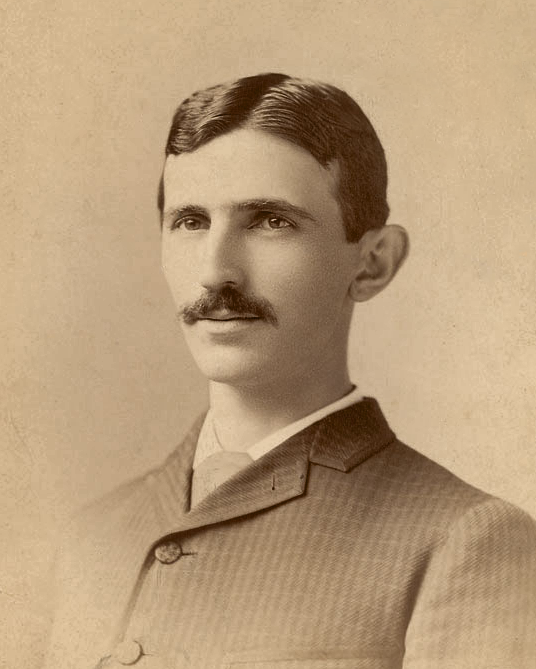
In 1885, Tesla received funding for a venture to develop an improved arc lighting system. After achieving this, however, he was dropped by the investors. Left penniless, he had to work for a time as a manual labourer, digging ditches. During this difficult period, he nevertheless managed to file a patent for a device he called a thermomagnetic motor. The invention attracted the attention of wealthy investors Charles F. Peck and Alfred S. Brown, who rented a laboratory for Tesla in Manhattan, New York City, in 1886. They encouraged him to work on his AC motor, the idea he had come up with while in Budapest.

Success
In 1887 Tesla discovered that he could produce a rotating magnetic field by using two separate alternating currents fed to pairs of coils on opposing sides of the stator. A motor of this simple design did not need a commutator, thus avoiding sparking and the maintenance costs of replacing carbon brushes (the link between the commutator and the electrical circuit). Elated by his success, Tesla filed a patent for an AC motor in 1888.
Direct vs. Alternating

To make a commercial success of his incandescent lamp—perfected with the introduction of a carbon filament in 1879—the inventor and businessman Thomas Edison (1847–1931) turned his attentions to designing an entire electrical system to power it. He decided to base it on the existing gas lighting systems then used in large cities. Edison built his first central power station on Pearl Street in Lower Manhattan, New York City, in 1882. The electrical system that was most efficient for delivering electricity to a densely populated city centre (where there were enough customers to cover the high cost of laying large copper cables) used direct current, or DC, electricity, in which an electric current flowed continuously in one direction only.
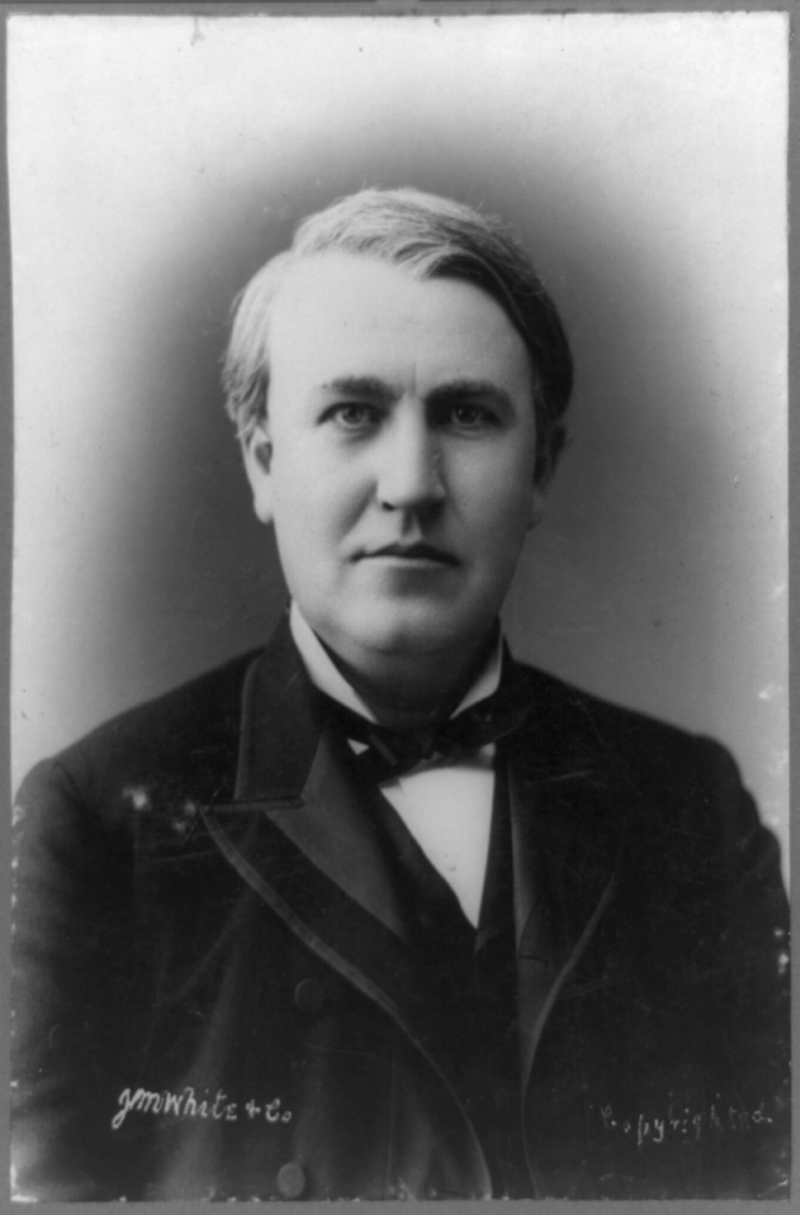

Edison's DC system, with its expensive cabling, was suitable only for towns and cities. In the rest of the US, the population was too spread out for it to be economical. In a bid to gain a wider market, engineer and businessman George Westinghouse (1846–1914) decided to develop a system that used much cheaper cabling. Westinghouse calculated that if he could raise the voltage needed to transmit the current to 1000 volts, he could reduce the size of the copper cables, thus making them cheaper to lay. But bringing such high voltage electricity into people’s houses was dangerous, so this new system would need transformers, which could step down the voltage from 1000 to just 110 volts. Transformers only worked with alternating current (AC), meaning that Westinghouse’s new system would be different to Edison's. But by using the AC system, Westinghouse's power plants would be able to serve more people over larger areas than was possible with Edison’s DC system.
Because the voltage on the transmission lines was much higher, there was greater danger of electrocution for workers employed to install them. Better insulation and new safety measures also had to be introduced. To pay for the high installation costs, Westinghouse needed his new power plants to provide electricity 24 hours a day, 7 days a week—not just at night. If enough applications could be fitted with AC motors—trams, factories, lifts, household appliances etc.—then demand for that amount of power could be created.
Westinghouse purchase
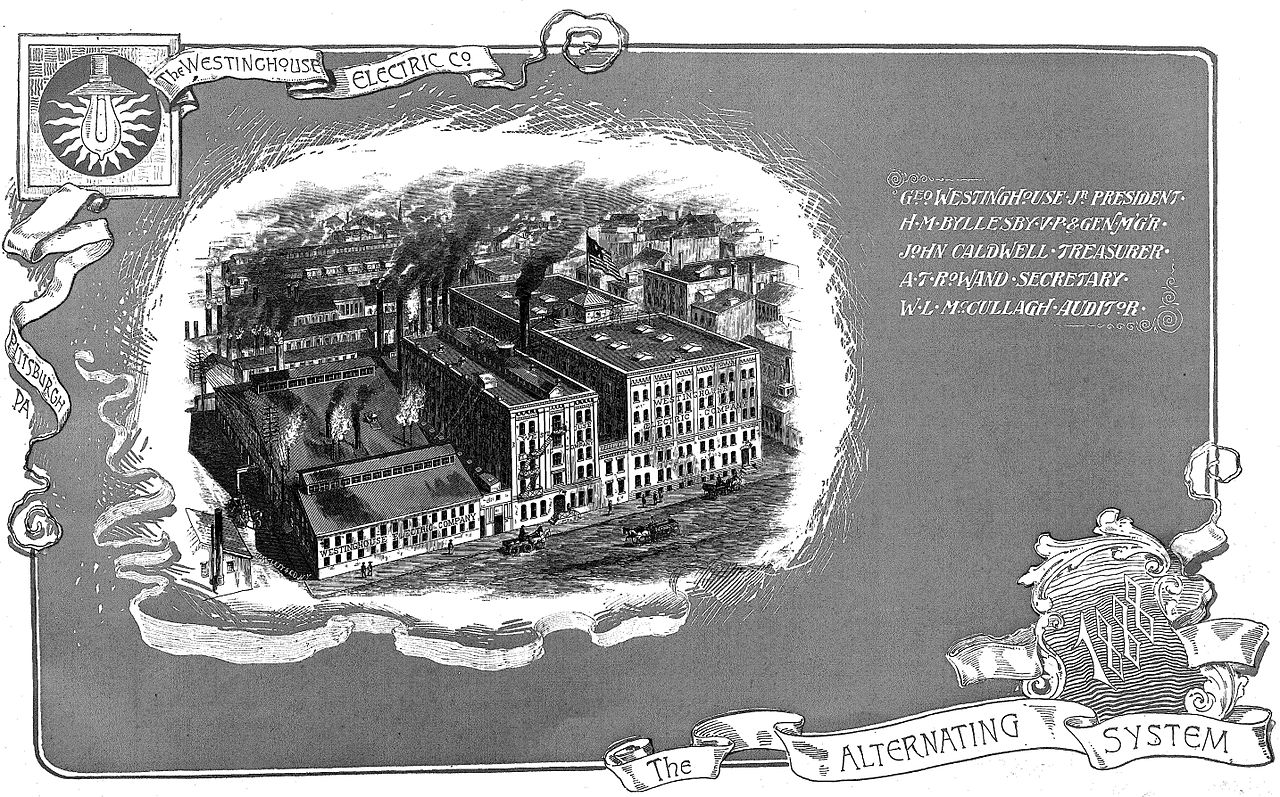
Engineers working for the Westinghouse Electric & Manufacturing Company reported to George Westinghouse that Tesla had patented a working AC motor and related power system—exactly what Westinghouse was looking for.
As businessmen, Peck and Brown were keen to sell Tesla's patent to the highest bidder. They arranged for Tesla to give a lecture in 1888 at the American Institute of Electrical Engineers, after which Westinghouse, convinced that Tesla's inventions would help him in his bid to build an electrical supply system for the nation, purchased the patents for $60,000 in cash and stock and a royalty of $2.50 per AC horsepower (a unit of measurement of power) produced by each motor. Westinghouse also hired Tesla for one year as a consultant at the Westinghouse Electric & Manufacturing Company's Pittsburgh laboratory.
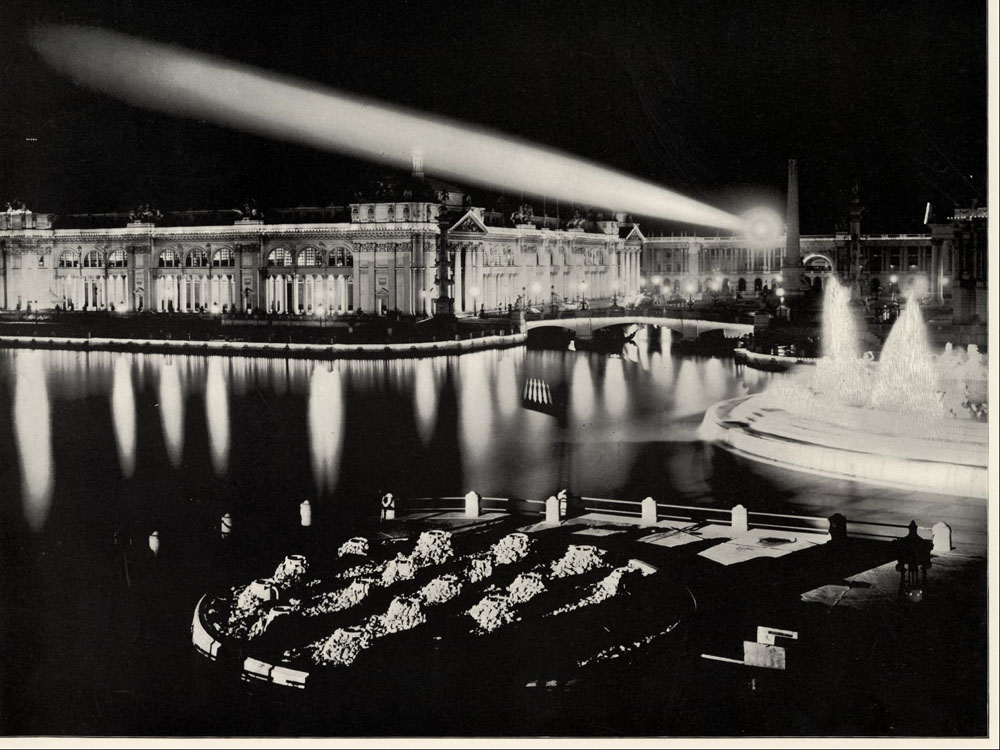
Westinghouse's engineers worked on developing a more efficient version of Tesla's motor. In 1893, the Westinghouse Electric Company introduced what they called the "Tesla Polyphase System". They demonstrated it, with Tesla's help, at the 1893 World's Columbian Exposition in Chicago. The company acquired a large space in the "Electricity Building", which they devoted to electrical exhibits, including Tesla's inventions.
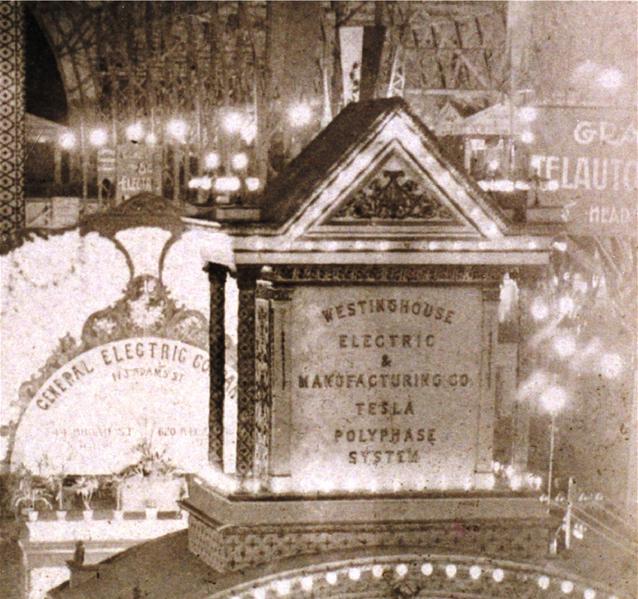
Today, national power grids and domestic electricity supplies use polyphase AC electricity. Without polyphase, power produced by an alternating current would constantly rise and fall as the direction of the current changed. But, by sending several (almost always three) alternating currents, one is always rising while another falls, so that the power supplied is smooth and constant. This also reduces some of the losses of electrical power in transmission. The magnetic field of a polyphase current constantly rotates, making polyphase ideal for AC electric motors.
War of the Currents
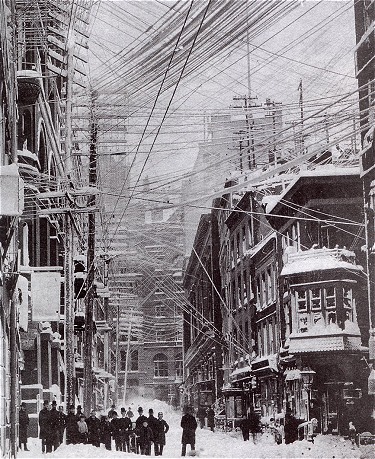
Now equipped with an AC system that could power lighting and Tesla's motors, Westinghouse Electric & Manufacturing Company battled with its rival, the Edison Electric Light Company, for contracts from across the US to supply electrical power in the late 1880s and early 1890s. Westinghouse Electric frequently undercut Edison Electric on price; Edison Electric retaliated by attacking the safety of the AC system, highlighting a number of instances of accidents in which installation workers—and even stray dogs—were electrocuted. The fierce competition was known as the "War of the Currents".
To counter the bad publicity, Westinghouse persuaded Tesla to demonstrate the safety of AC during a lecture in 1891, in which he intentionally took 250,000 volts across his body generated by his newly invented Tesla coil (see below). Because of the high frequency, however, the current travelled across the surface of Tesla’s body and did not harm his internal organs. The Westinghouse company also gave a dramatic demonstration of its AC system by providing power to tens of thousands of lights at the World’s Columbian Exposition in Chicago in 1893. The spectacular sight enthralled visitors.
Consulting on Niagara
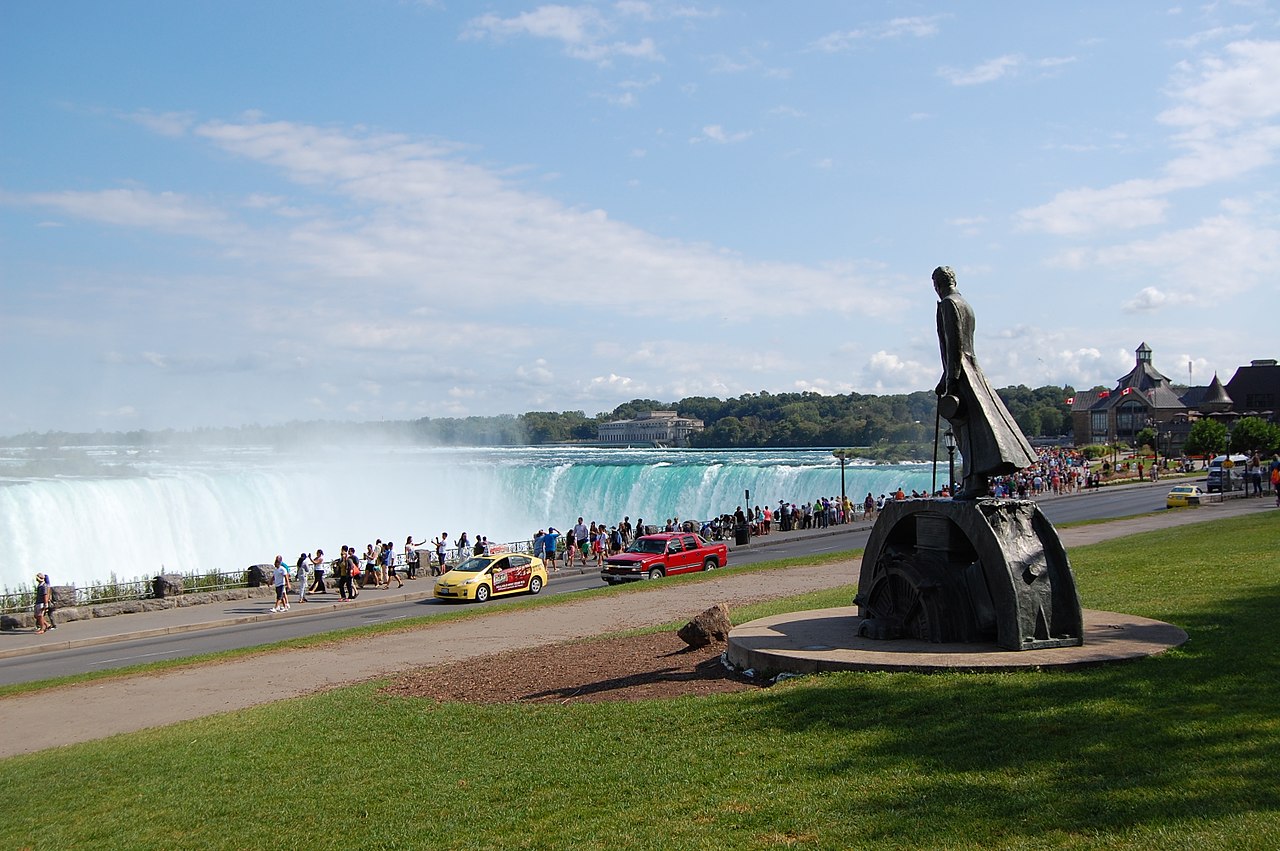
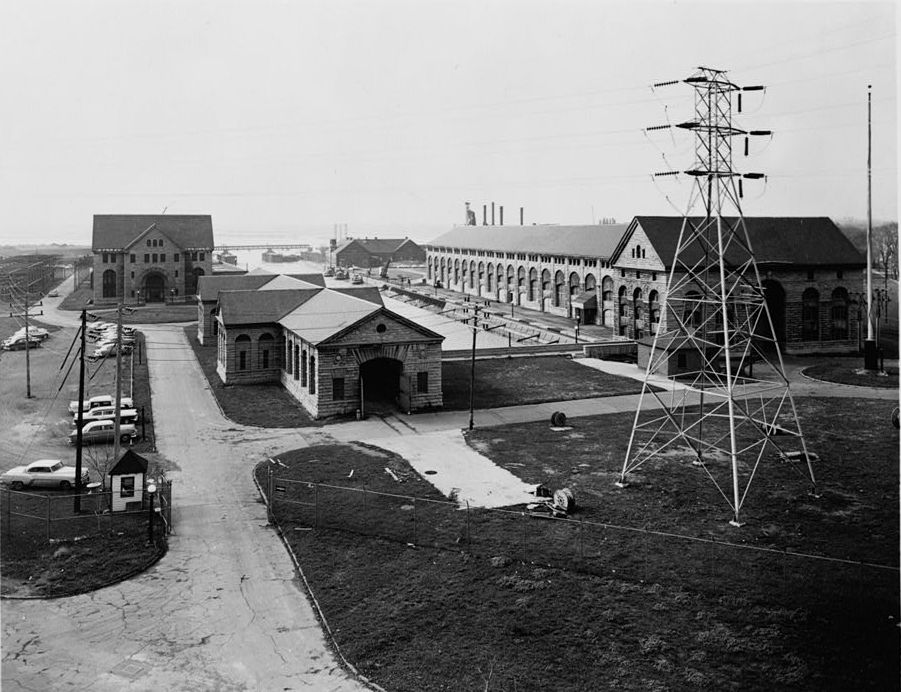
In 1893, the Niagara Falls Cataract Construction Company sought Tesla's opinion on which system would be best to transmit hydro-electric power generated at the Falls. Based on Tesla's advice and the Westinghouse company's demonstration at the Columbian Exposition, the company awarded a contract to Westinghouse Electric for building an AC generating system at the Niagara Falls. With its opening in 1895, the basic pattern of the American electrical power industry was established: the AC technology pioneered by Tesla and Westinghouse was now the standard.
Tesla coil
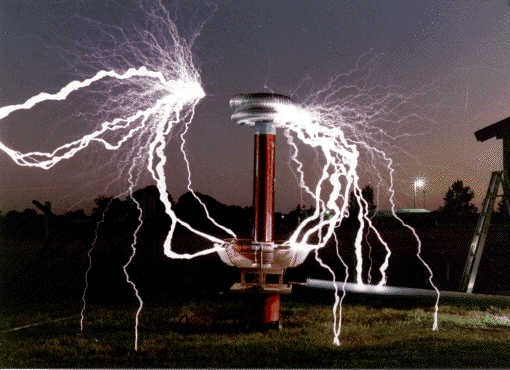
Back in the summer of 1889, Tesla had learned of Heinrich Hertz's experiments that proved the existence of electromagnetic radiation, including radio waves. Tesla decided to explore it more fully. In repeating, and then expanding on, these experiments, Tesla came up with his "oscillating transformer", which he later called the Tesla coil, patented in 1891. Designed to produce high-voltage, high-frequency AC electricity, it also produced new forms of light, such as neon and fluorescent light.
After hearing of Röntgen's discovery of X-rays and X-ray imaging (radiography), Tesla carried out his own experiments in X-ray imaging that worked from the output of the Tesla coil. Tesla also discovered his new device could be used to send and receive radio signals.
Tesla coils were used until the 1920s in radio communication systems called wireless telegraphs. Rather than transmitting sounds or images in the form of radio waves, the Tesla coils sent bursts of radio energy, which was used to send signals in Morse code. Today, Tesla coils are used to make dramatic sparks for entertainment and demonstration purposes.
Wireless transmission of energy
Over the course of the 1890s and early 1900s, Tesla worked on a series of projects trying to develop the transmission of electrical power without wires. He also saw this as a way to transmit communications via radio signals.
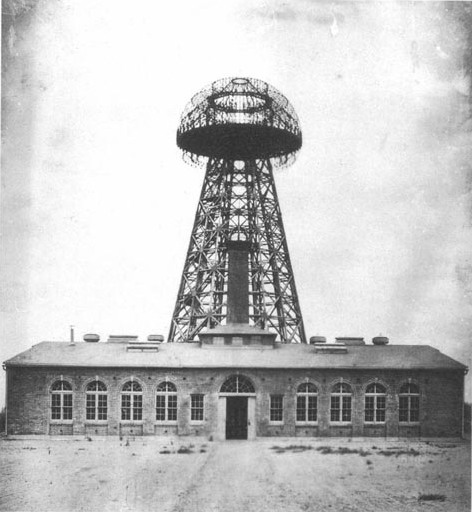
In 1901, Tesla began work on his project to build a global wireless communication system that he envisaged would also provide free energy throughout the world. For this purpose, he built a laboratory at Wardenclyffe, Long Island, New York. It had both a power plant and a 57-metre (187-foot) transmission tower, topped with an antenna designed to beam both communications and electrical power across the Atlantic Ocean. But doubts soon arose among his investors about whether Tesla's system would work in the face of competition from Guglielmo Marconi's new radio technology. When funding fell through, Tesla had no choice but to abandon the project in 1906.
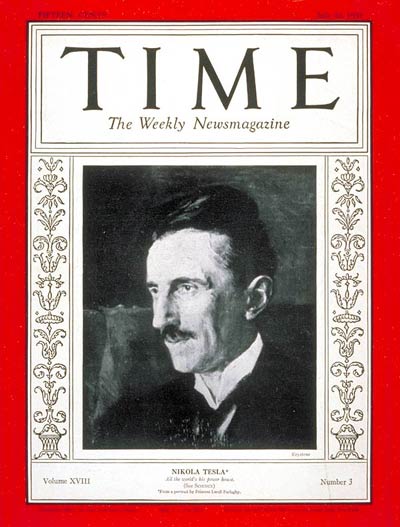
Final years
The failure of the Wardenclyffe project hit Tesla hard and drove him to despair. He lived his last decades in a series of New York hotels, working on new inventions. But he grew increasingly eccentric (developing an obsession with cleanliness and with the number three) and his ideas became outlandish and impractical. He spent his final years feeding—and, in his imagination, communicating with—the city pigeons. Tesla died of coronary thrombosis in New York City on 7th January 1943, at the age of 86. He died poor and in debt, even though the Westinghouse company had been paying for his room and board for his last years.
Consultant: Mike Goldsmith
pics
Without in any way limiting Q-files Ltd’s exclusive rights under copyright, any use of this publication to “train” generative artificial intelligence (AI) technologies to generate text is expressly prohibited. Q-files Ltd reserves all rights to license use of this work for generative AI training and development of machine learning language models.