
EASY READ The Earth

CITE
We have made every effort to follow citation style rules, but there may be some minor differences. If in doubt, please refer to the appropriate citation style manual.
EASY READ How are coastlines shaped?. (2026). In Q-files Encyclopedia, Earth, EASY READ The Earth. Retrieved from
https://www.q-files.com/earth/easy-read-the-earth/easy-read-how-are-coastlines-shaped
"EASY READ How are coastlines shaped?." Earth, EASY READ The Earth, Q-files Encyclopedia, 6 Mar. 2026.
https://www.q-files.com/earth/easy-read-the-earth/easy-read-how-are-coastlines-shaped.
Accessed 13 Sep. 2026.
EASY READ How are coastlines shaped? 2026. Earth, EASY READ The Earth. Retrieved 13 September 2026, from
https://www.q-files.com/earth/easy-read-the-earth/easy-read-how-are-coastlines-shaped
Earth, EASY READ The Earth, s.v. "EASY READ How are coastlines shaped?," accessed September 13, 2026.
https://www.q-files.com/earth/easy-read-the-earth/easy-read-how-are-coastlines-shaped


How are coastlines shaped?
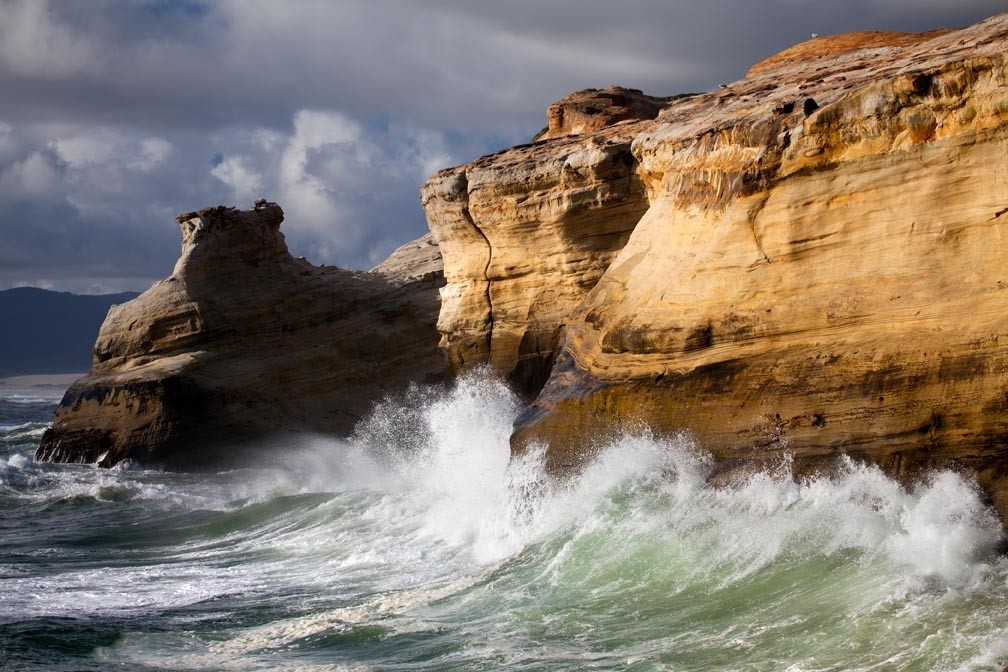
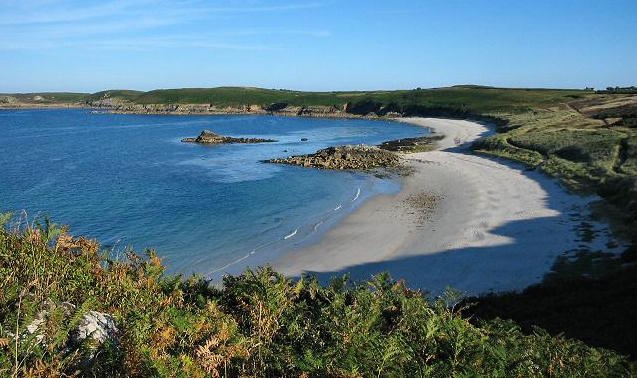
The coast is where the land meets the sea or ocean. Some coasts are shaped by the action of waves crashing against them. The rocks are gradually worn away, sometimes creating cliffs, the steep edge between the land and the sea. Bays are carved out where the coastal rocks are softer. In other places, the sea shapes the coast by piling up sand and shingle to make new land.

Wave erosion
Hard rocks erode slowly. They stand out as headlands. Waves wear away softer rocks more easily. The waves undercut cliffs by gnawing away at the bottom, causing them to collapse. Eventually, a small cove widens into a bay.
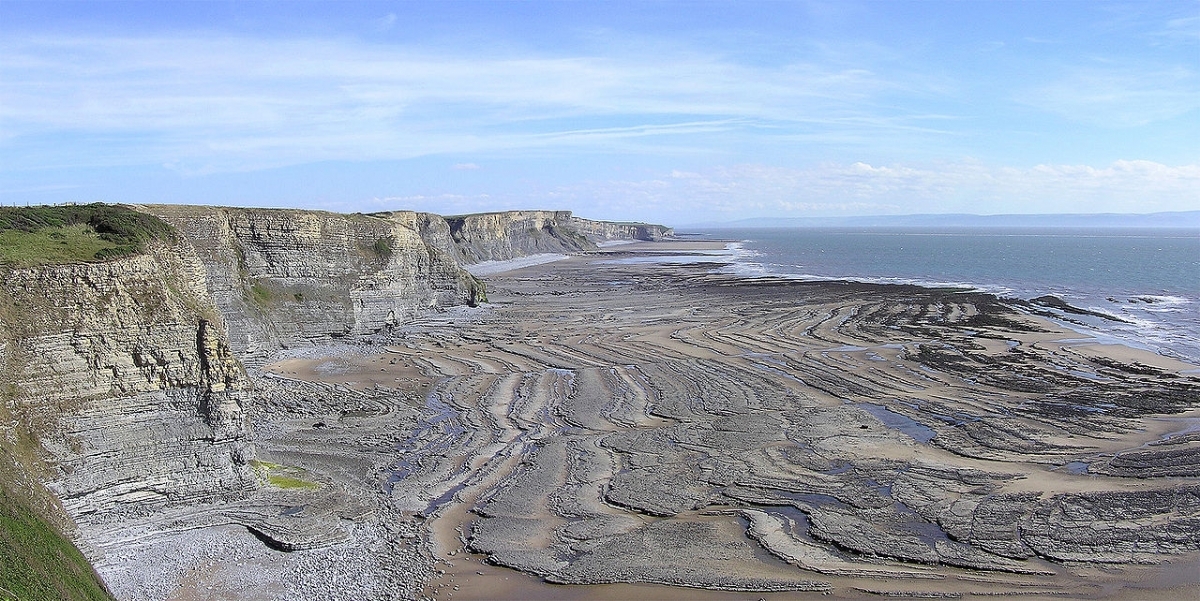
A cliff gradually “retreats” after more and more rock is worn away by the waves. A flat area forms at the base of the cliffs, called a wave-cut platform. It may become covered by sand or shingle, forming a beach.

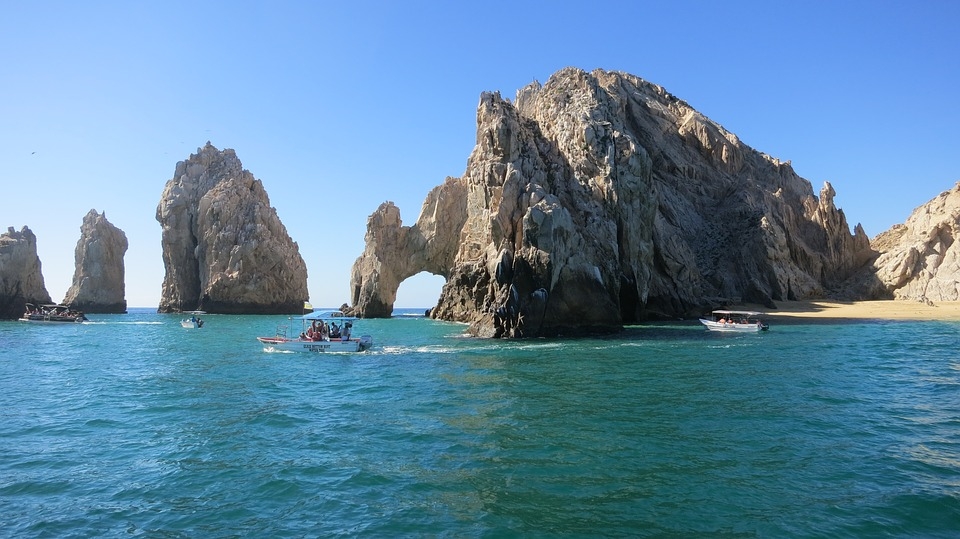
Sometimes waves may carve a hole, called an arch, right through a headland. If the roof of the arch later collapses, part of it is left standing alone in the sea. This is called a stack.

Beaches
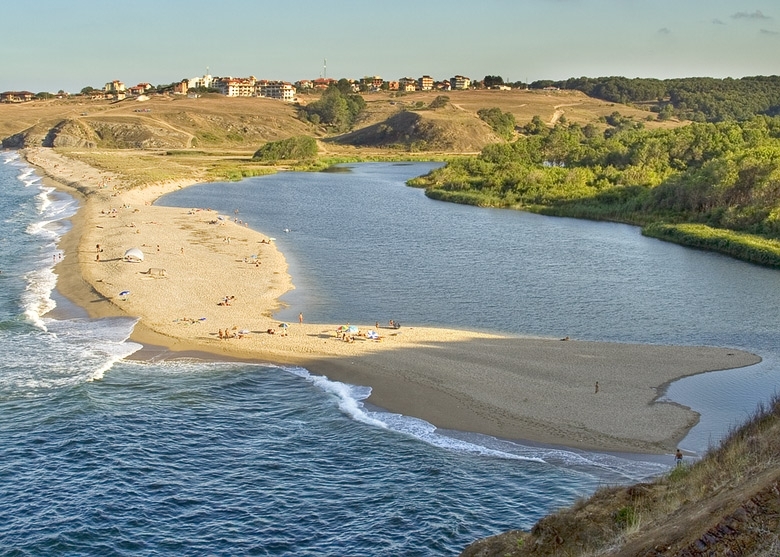
Rocks worn away from a coastline are ground down by the pounding waves into fragments: shingle or sand. Sea currents carry sand and shingle from one part of the seashore to another. When the current slows, the sand or shingle is laid down. A spit may form across a bay or estuary. If it reaches right across to the other side, it forms a bar.
Lagoons
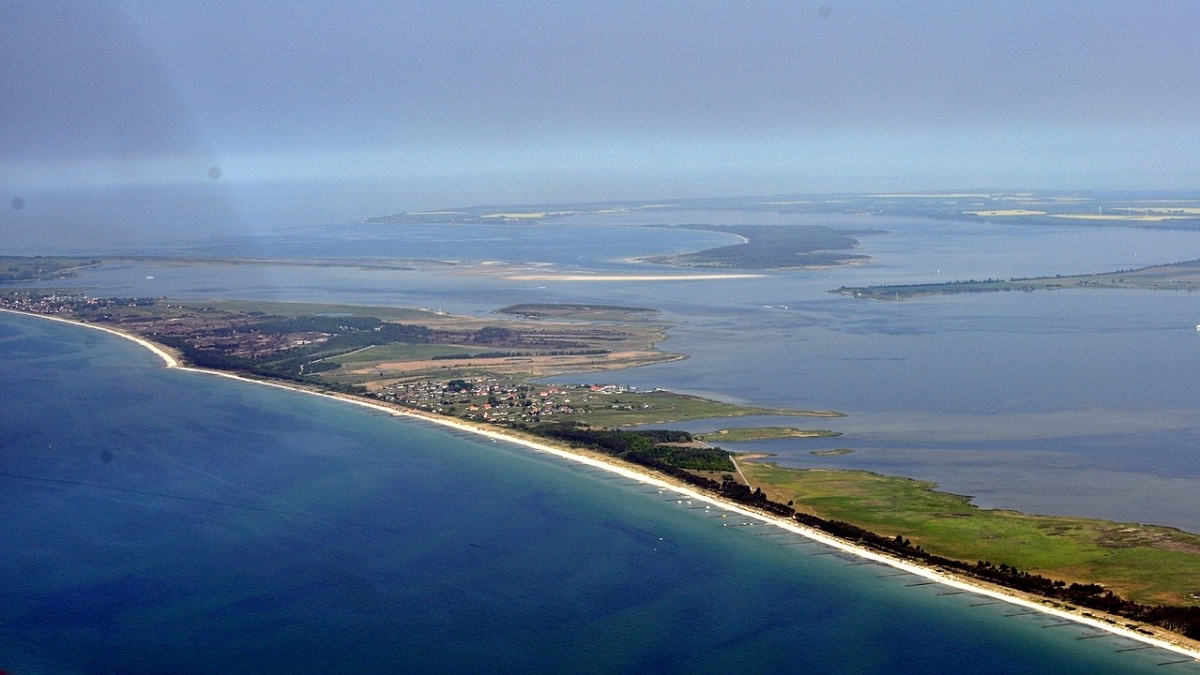
On low-lying coasts, waves break in the shallow waters well out to sea. The breakers pile up sand on the sea bed to form barrier islands. The waters between a barrier island and the coast is cut off from the sea and becomes a lagoon. Over time, the lagoon fills up with mud and silt from inflowing streams, forming salt marshes.
Consultant: Ian Fairchild
Ready to find out more?
Here are some pages in other parts of Q-files you might like to explore:
Coastlines
Coastlines A-Z
pics
Without in any way limiting Q-files Ltd’s exclusive rights under copyright, any use of this publication to “train” generative artificial intelligence (AI) technologies to generate text is expressly prohibited. Q-files Ltd reserves all rights to license use of this work for generative AI training and development of machine learning language models.