
EASY READ The Earth
How are rocks formed?
Rocks are the hard materials that make up the Earth’s crust. They lie beneath the soil, beneath city streets and beneath ocean waters. You can see them in cliffs along the seashore, mountaintops or in quarries. Rocks are, themselves, made up from a solid mixture of chemical substances called minerals. There are three major types of rock: igneous rock, metamorphic rock and sedimentary rock.


Igneous rocks
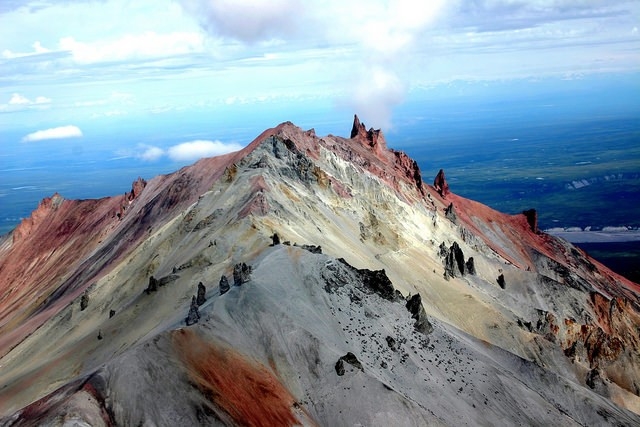
Igneous rocks result from the cooling of molten rock (magma) from beneath the Earth’s crust. Basalt and granite are the two commonest types of igneous rock. Basalt forms when lava from a volcano cools and hardens. Granite forms from magma that does not break out of the Earth's surface in a volcano, but cools and solidifies under ground.
Metamorphic rocks
Metamorphic rocks form from other rocks by the action of heat, pressure or both. When rising magma heats nearby rocks, these are “baked”. They turn into metamorphic rocks. Earth movements (from the shifting of tectonic plates) may also produce metamorphic rocks by squashing them very tightly. Metamorphic rocks include marble and slate.

Sedimentary rocks
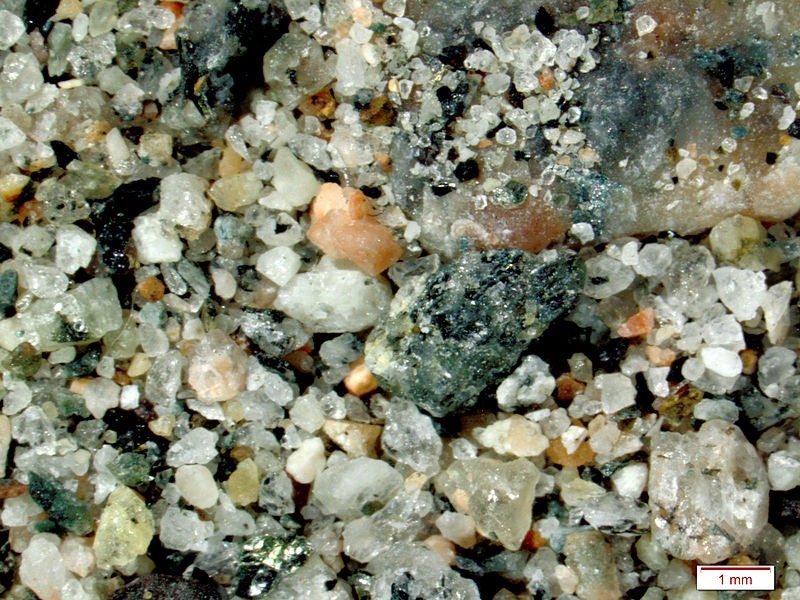
Sedimentary rocks, such as sandstone and limestone, are made from sand, mud and other fragments of rock, or from the remains of living things. Wind, rivers and glaciers wear down rocks into fragments called sediments. These are washed away into lakes and seas. As more sediment layers settle on top of each other, the weight presses the fragments together. Eventually, they form rocks.

Consultant: Ian Fairchild
Ready to find out more?
Here are some pages in other parts of Q-files you might like to explore:
Rocks
Igneous rocks
Metamorphic rocks
Sedimentary rocks