
Trade

CITE
We have made every effort to follow citation style rules, but there may be some minor differences. If in doubt, please refer to the appropriate citation style manual.
Money. (2026). In Q-files Encyclopedia, Geography, Trade. Retrieved from
https://www.q-files.com/geography/trade/money
"Money." Geography, Trade, Q-files Encyclopedia, 29 May. 2026.
https://www.q-files.com/geography/trade/money.
Accessed 30 Oct. 2026.
Money 2026. Geography, Trade. Retrieved 30 October 2026, from
https://www.q-files.com/geography/trade/money
Geography, Trade, s.v. "Money," accessed October 30, 2026.
https://www.q-files.com/geography/trade/money


Money
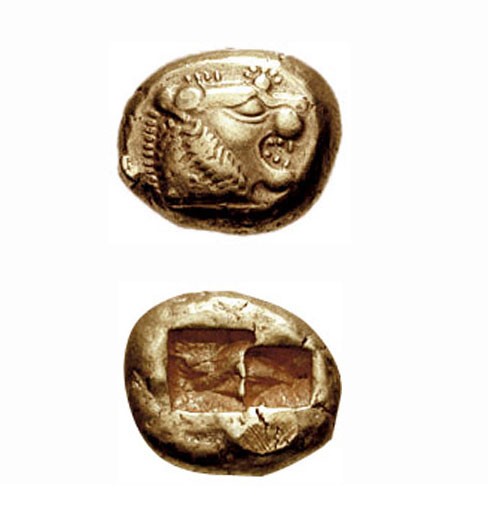
Money is any object (often banknotes and coins) or record (such as on a computer screen) that is accepted as payment. Payment may be for goods and services or be payment for a debt. The money supply of a country is the total amount of money available: it is made up of the banknotes and coins in circulation, as well as all the money held in bank accounts belonging to individuals, companies, banks and organizations. This “bank money” consists only of computerized records rather than notes and coins. The world's first coins were probably made in around 650–600 BC by the Lydians, a people living in Anatolia, the region of modern-day Turkey.

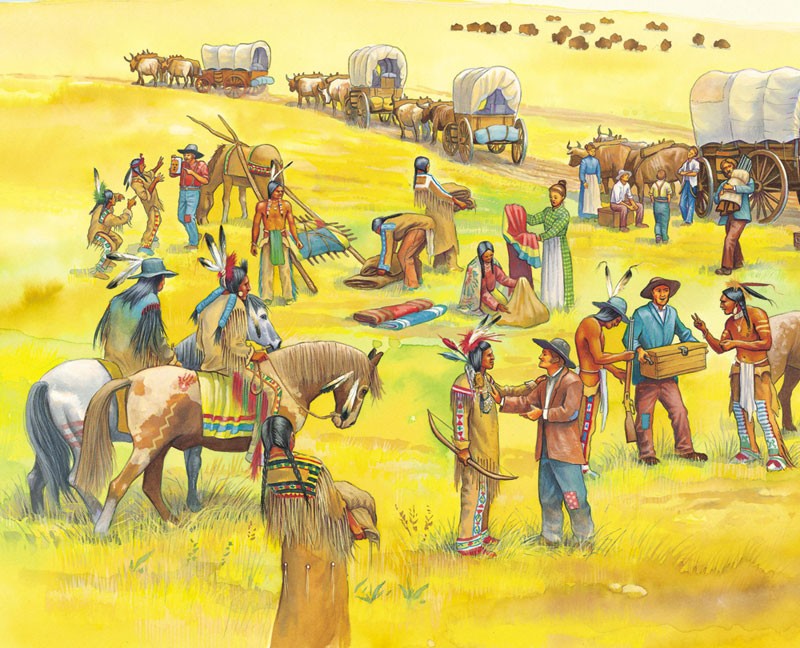
The first money
As long as 100,000 years ago, people were exchanging food, objects and services that they needed, sometimes by barter. Barter is a system of exchange in which goods and services are swapped for other goods and services. As well as bartering, people probably gave useful items to each other, creating a debt, with the expectation that they, in time, they would be repaid with something useful.
By around 3000 BC, inhabitants of the most advanced societies, such as in Mesopotamia (present-day Iraq and Syria), were starting to replace systems of exchange with “mediums of exchange”. A medium of exchange is a measure of value (or unit of money) that can be used in trade to avoid the inconvenience of bartering or gifts. The earliest mediums of exchange were precious commodities such as shells or barley, which were given and received as payment. Historians call these “commodity money”.

Coins and notes
The first metal coins were probably minted (made) by the Lydians of ancient Anatolia in around 650–600 BC. These early gold and silver coins were heavy and valuable. As societies became more sophisticated, traders found it difficult to travel with heavy coins, so commodity money (money with value in itself) was slowly replaced by “representative money”. Representative money consists of coins and notes that are merely tokens of value, but those tokens can be exchanged for a fixed quantity of a valuable commodity, such as gold or silver.
In the last 100 years, representative money has itself been replaced in nearly all countries by “fiat money”. Fiat money has little or no value of its own. The metal in a coin is worth only a tiny amount and cannot be exchanged for any fixed quantity of gold. Fiat money gets its value only from being declared legal tender by a government (by “fiat”, or order). Legal tender is a medium of payment that is allowed by law, and it is illegal not to accept it as payment.

Currencies
A currency is a system of money used within a particular country. Different countries or regions usually have different currencies, such as the United Kingdom pound and the US dollar. Different countries sometimes use the same name for their own distinct currency: Australia, Canada and the USA all call their currency the dollar. Other countries can share a currency: 18 countries in Europe currently share the euro.


An area that shares a currency is called a currency zone. A central bank usually regulates the production of notes and coins within a currency zone. To make it possible for items to be traded between different currency zones, and for people from one currency zone to buy things in another, there are exchange rates. These are the prices at which currencies can be exchanged with each other.
Banks

Banks are institutions that accept deposits of money from customers, such as individuals, companies and governments. This money, called capital, is lent out, either directly to other customers, or through capital markets, money markets that specialize in the buying and selling of debt. In return, borrowers pay the bank interest, a percentage of the sum borrowed that must be repaid regularly, on top of the original sum. Interest is also earned by customers who have deposited their money with a bank.
Credit
Credit is any kind of delayed payment. Money, goods and services are supplied to a person or group (the debtor, or borrower), with the agreement that the resources are repaid or returned at a later date. The cost of credit is the extra amount (the interest) above the amount borrowed that the borrower has to pay for this arrangement.
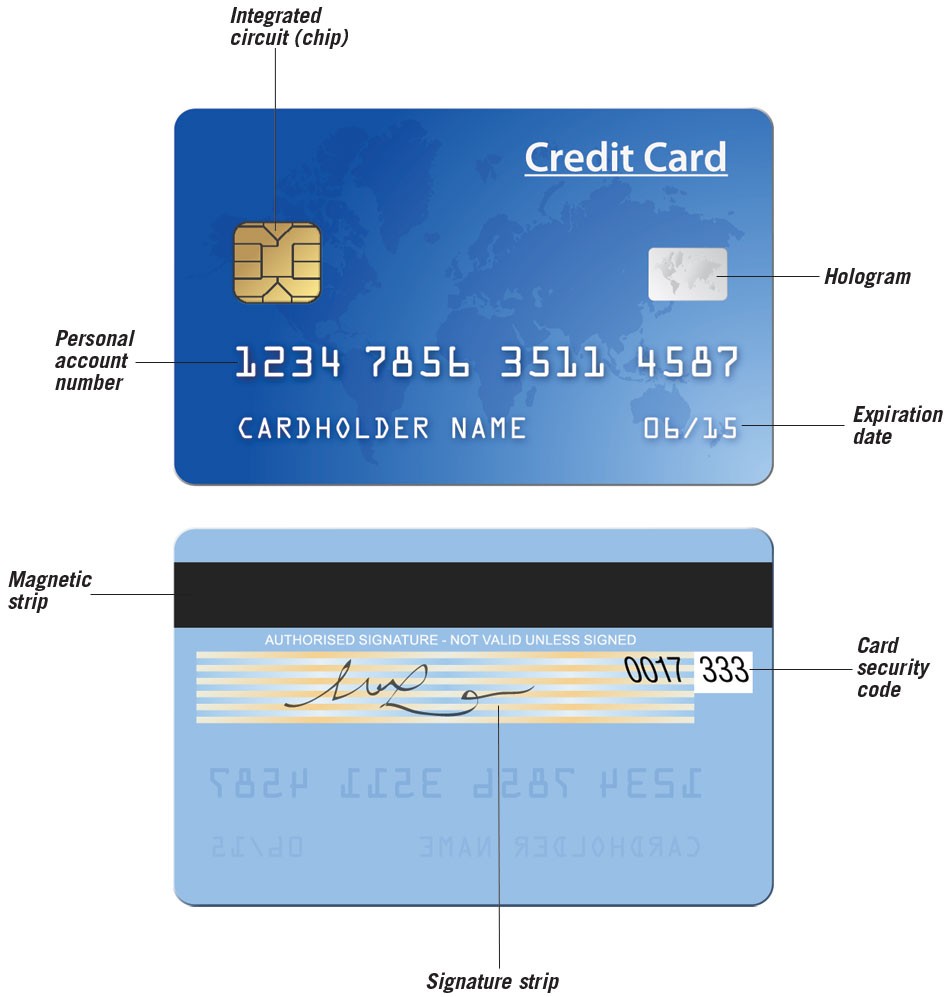
There are many forms of consumer credit—credit given to individuals. Loans are sums of money lent by banks and which are to be paid back over an agreed period. Credit cards and store cards allow consumers to buy goods and services and to pay the sum back at a later date or over a period of time. A mortgage is a loan made to buy a property. Credit is also given to businesses, governments (known as the “national debt”) and banks themselves. Credit can even be traded on the
international financial markets.
Cashless society
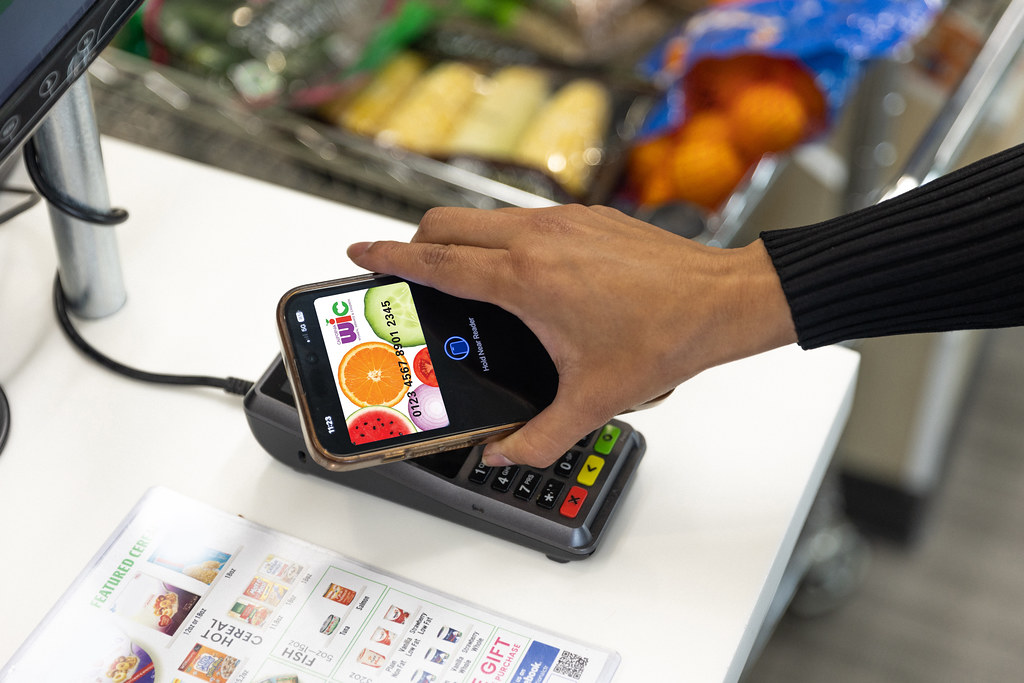
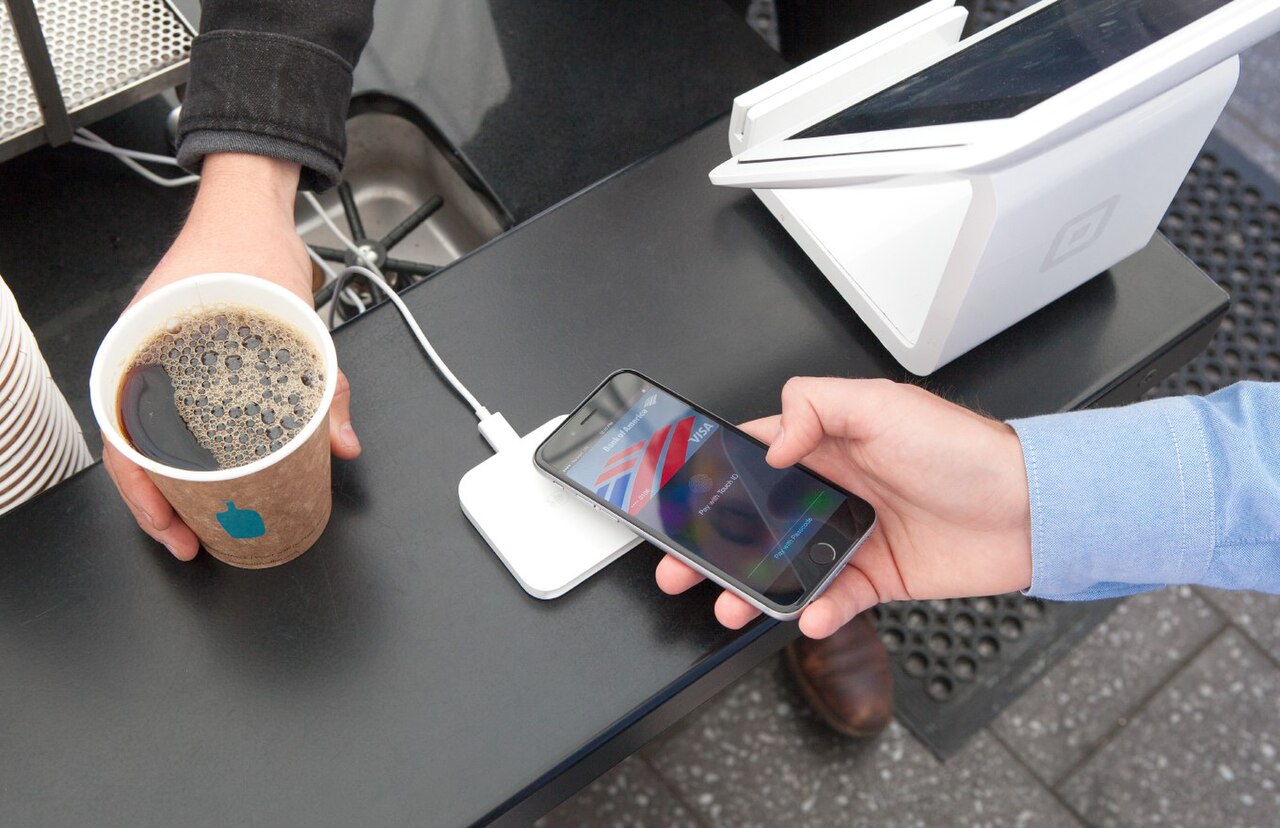
In a cashless society, payments are not made using notes or coins, but with digital information (usually an electronic representation of money) instead. Today, payments are made electronically in many parts of the world. They have become possible using internet bank transfers, contactless payments using cards or smartphones, and by using digital currencies called cryptocurrencies (currencies designed to work through a computer network and are not linked to a government or a bank) such as Bitcoin.
Contactless payment systems are credit cards, debit cards and smartphones or other electronic devices that use radio-frequency identification (RFID) or near-field communication (NFC) for making payments. The embedded microchip and antenna enable consumers to wave their card or device over a reader at the point-of-sale terminal.
A cashier-less store is a shop which allows customers to purchase their products and leave without having to pay at a check-out (a deduction from thier bank account is made automatically). The shop uses technologies known as sensor fusion (in which cameras and pressure sensors combine to keep track of what a customer takes from the shelves) and deep learning for computer vision (in which a computer interprets images and video feeds, based on what it learns from the large amounts of data it receives).

2008 Global Financial Crisis
The stability of banks is crucial to their customers and to the whole economy, so most countries strictly regulate (supervise by means of rules and regulations) their banks. For example, banks must hold a minimum amount of capital so that, if a great deal of the lent-out money is not repaid, they still have some money to repay the customers who have made deposits. In the 2008 Global Financial Crisis, several governments around the world had to lend colossal amounts of capital to some of their countries’ banks, since there was a significant risk the banks would not be able to repay their customers.

Consultant: Lloyd Jenkins
pics
Without in any way limiting Q-files Ltd’s exclusive rights under copyright, any use of this publication to “train” generative artificial intelligence (AI) technologies to generate text is expressly prohibited. Q-files Ltd reserves all rights to license use of this work for generative AI training and development of machine learning language models.