
Britain in World War I
Battle of the Somme
The Battle of the Somme, which began on 1st July 1916, was one of the bloodiest campaigns of World War I. More than a million Allied and German soldiers were killed or injured following 141 days of fighting across the farmland near the River Somme in northern France. The generals were not used to fighting wars with weapons such as machine guns, grenades and artillery. As in earlier wars, they ordered their men to march on the enemy in long rows—allowing them to be mown down. The Battle of the Somme began with British and French armies attempting to break through German lines.
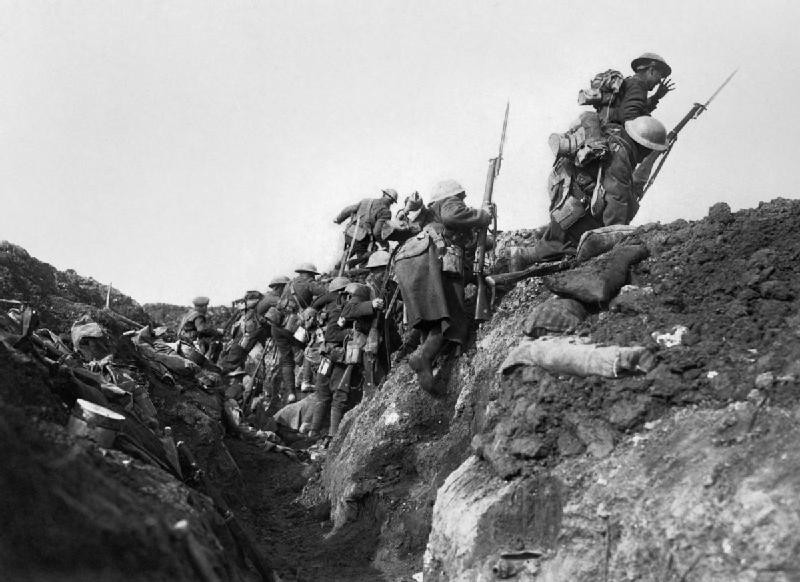

The Allies bombarded German trenches with artillery shells for seven days and then, on 1st July 1916, sent 100,000 men “over the top” (climbing out of their defensive trenches) to attack the German lines. But the Germans, protected by their own deep trenches, somehow managed to weather the storm. As the British soldiers advanced across “No Man's Land”—the few hundred metres of ground between the British and German lines—they were mown down by machine gunfire.
In total, 19,240 British soldiers were killed with a further 38,230 injured. It was the bloodiest day in the history of the British army. The British forces gained less than eight square kilometres (three square miles) of territory. Yet, in spite of these heavy losses, General Douglas Haig decided to press on with more attacks.
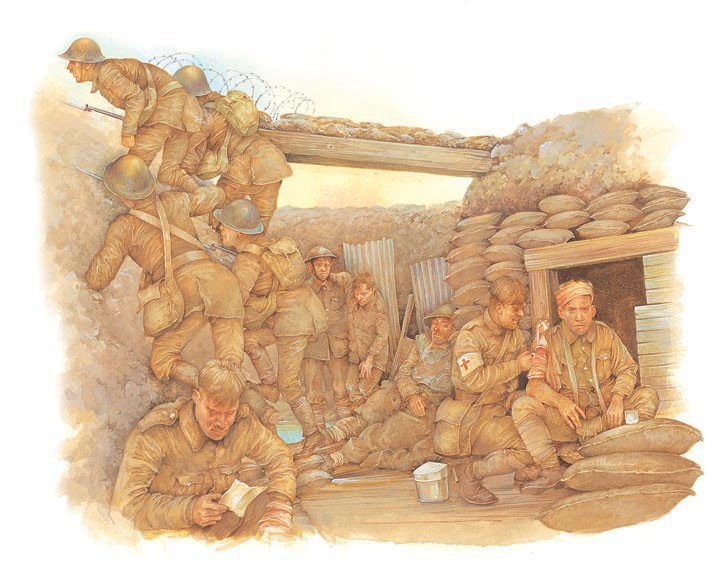
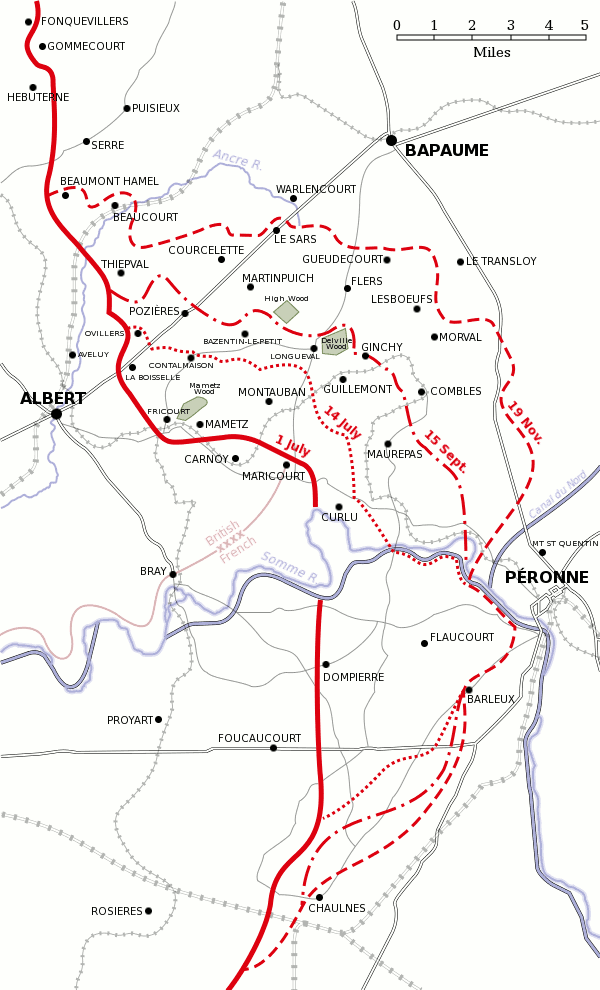
Over the next two weeks, the British carried out a series of small raids on the German line, all the while preparing for another large-scale attack. At dawn on 14th July British guns began pounding enemy lines on Bazentin Ridge. This time, the Germans were taken by surprise. British troops advanced deep into enemy territory and occupied Longueval village. Later they stormed the village of Pozières on the crest of Thiepval Ridge.
By the end of August, the Germans had suffered nearly 250,000 casualties and were losing ground both to the British on the Somme and to the French at Verdun. The Allied naval blockades of the North Sea were causing food shortages in Germany.
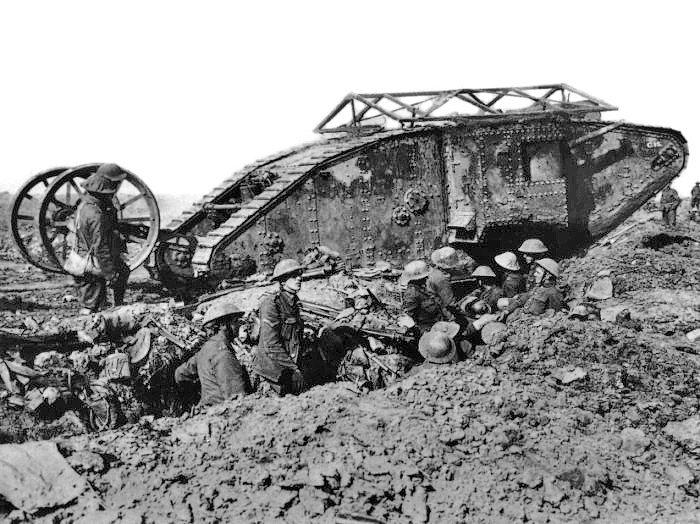
On 15th September the British artillery once again bombarded German lines with shells. Their troops advanced, this time using tanks—a devastating new weapon. However, their progress was limited to around 2.4 kilometres (1.5 miles) and they suffered 29,000 casualties.
Helped by superior air power, the Germans responded with a massive attack of their own, sending thousands of soldiers towards French lines. But they, too, were halted by artillery and machine guns.
Over the course of September and October, the Allies made small territorial gains, only for their troops to come under intense German artillery bombardment and attacks from the air. Once again, the Allies suffered heavy casualties.
In their final attack, on 13th November 1916, British troops stormed the German defences on the River Ancre. But winter was now closing in, and Haig decided to suspend the offensive until the following spring. In 141 days the British had advanced not much more than 11 kilometres (seven miles)—and had failed to break through the German defensive lines decisively. In March 1917, the Germans, who had suffered heavy losses, retreated to the Hindenburg Line, a defensive position further east, rather than endure more attacks on the Somme.

Consultant: Philip Parker