
EASY READ World history

CITE
We have made every effort to follow citation style rules, but there may be some minor differences. If in doubt, please refer to the appropriate citation style manual.
EASY READ What was the Black Death?. (2025). In Q-files Encyclopedia, History, EASY READ World history. Retrieved from
https://www.q-files.com/history/easy-read-world-history/easy-read-what-was-the-black-death
"EASY READ What was the Black Death?." History, EASY READ World history, Q-files Encyclopedia, 5 Dec. 2025.
https://www.q-files.com/history/easy-read-world-history/easy-read-what-was-the-black-death.
Accessed 1 Nov. 2026.
EASY READ What was the Black Death? 2025. History, EASY READ World history. Retrieved 1 November 2026, from
https://www.q-files.com/history/easy-read-world-history/easy-read-what-was-the-black-death
History, EASY READ World history, s.v. "EASY READ What was the Black Death?," accessed November 1, 2026.
https://www.q-files.com/history/easy-read-world-history/easy-read-what-was-the-black-death


What was the Black Death?
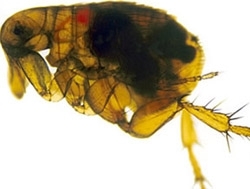
Between 1347 and 1350, a terrible disease called the bubonic plague swept in from Asia and spread across Europe. The plague was carried by rat fleas that feasted on people's blood. It killed almost everyone it infected. Perhaps 20 million people throughout Europe perished. One third of the population of England died. It was known as the Black Death.
Medieval towns

The time in European history between the years 600 to 1500 is called the Middle Ages, or medieval times. Most people lived and worked farming the land. But towns started to grow larger and more important. They were places where markets were regularly held and where craftsmen lived and worked.
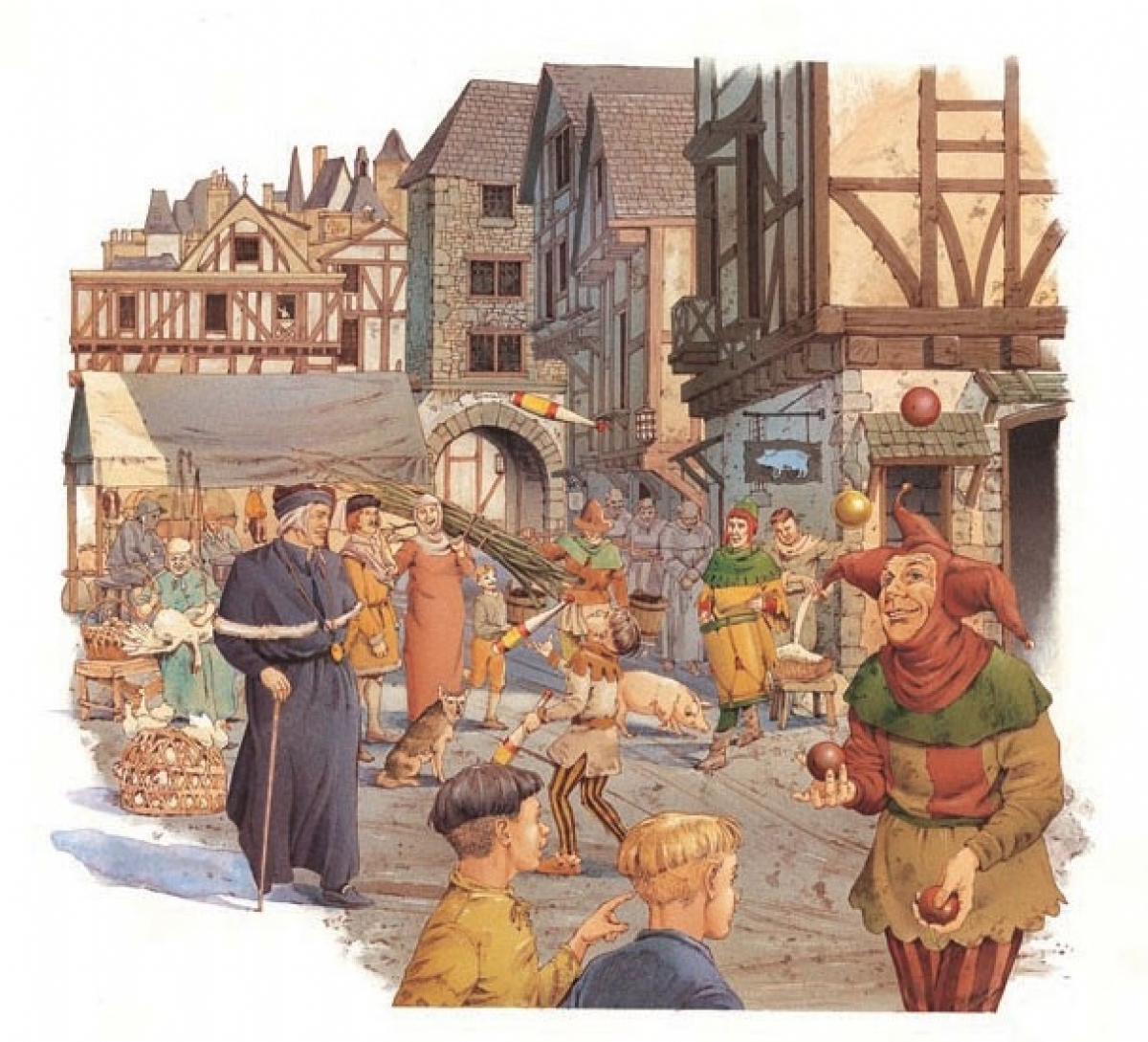
The marketplace was alive with noises and smells on the morning of market day. Pigs were a nuisance, however. Most townspeople kept them as they were cheap and a good source of food. But they were often let out into the streets to search for food.
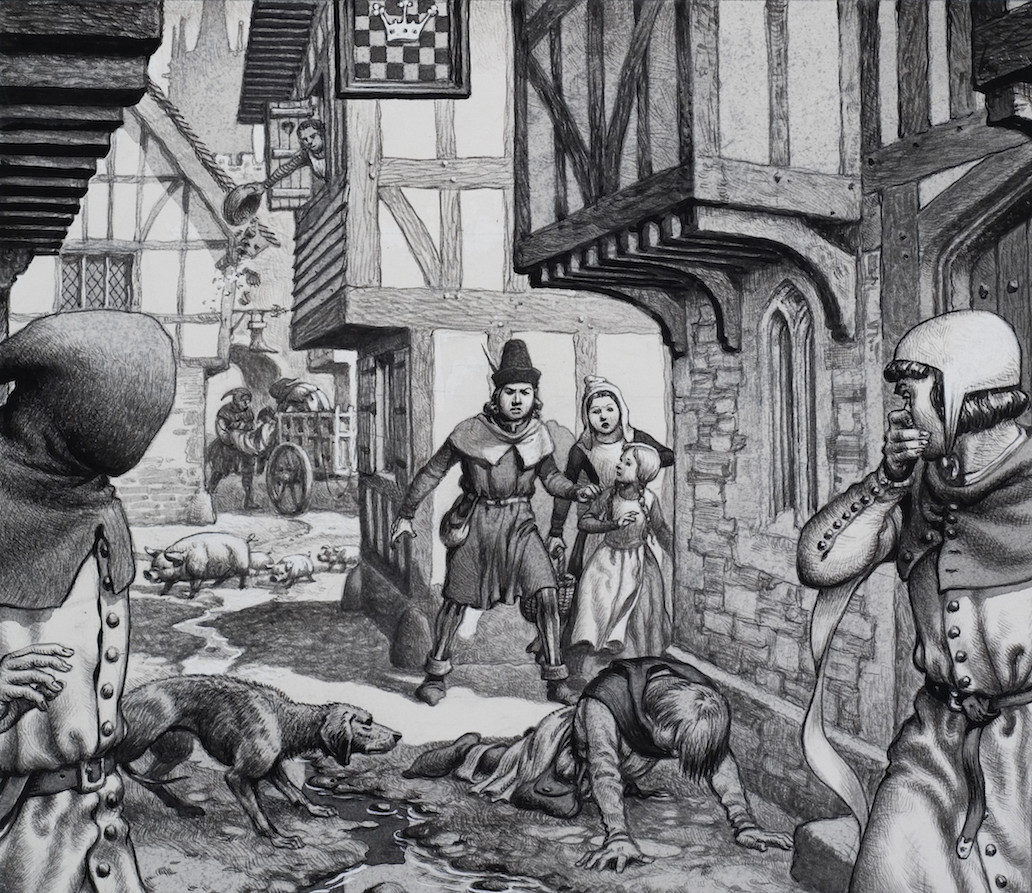
The streets of a medieval town were dirty and smelly. Open drain channels ran along the sides or down the middle of the streets. People often threw dirty water and their waste out of their windows on to the street below. Many people drew water from rivers, which were full of muck and thick with germs. Diseases were common, but the Black Death was far worse than usual.

The plague spreads
The name "Black Death" might have come from the black spots that appeared on victims. The disease was carried by fleas that lived on black rats—although no one knew that at the time—and these rats were commonly found in crowded, filthy places.
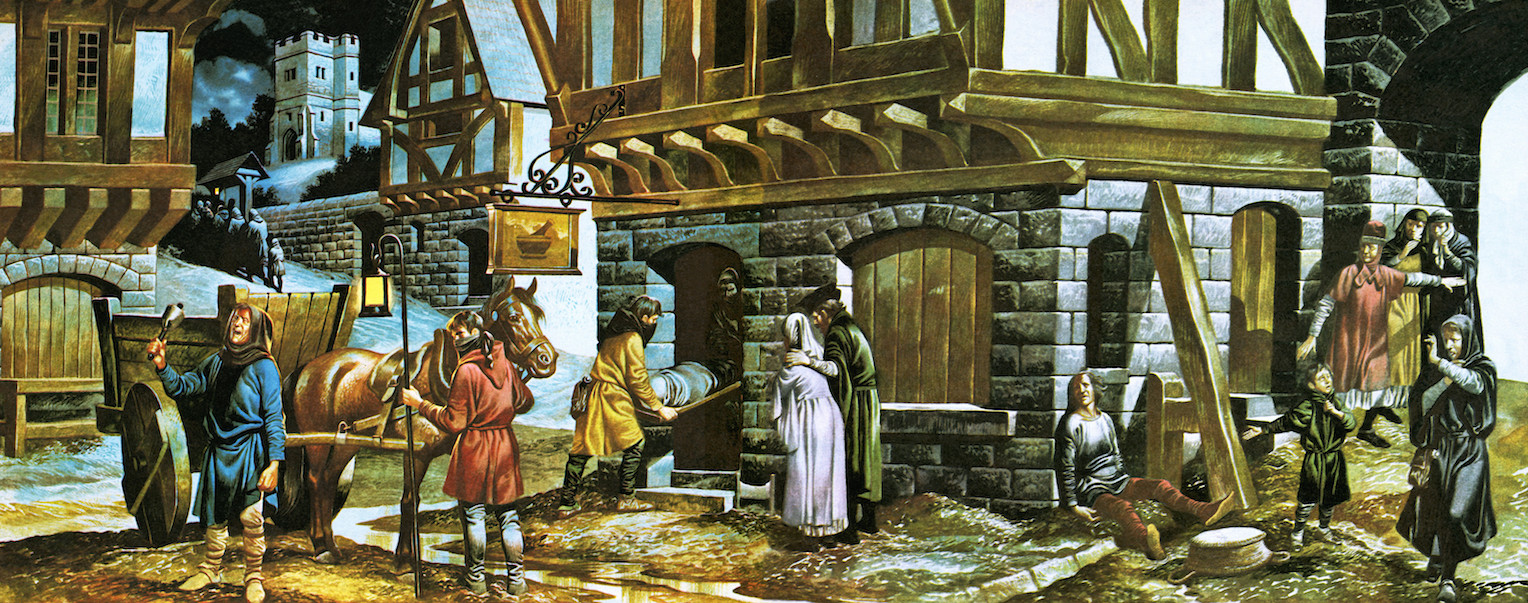
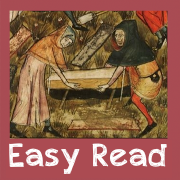
People fled from infected towns—spreading the disease as they went. There was no cure. The dead bodies were collected on carts in the night. The population of whole towns and villages was wiped out.
Medieval medicine
Doctors in the Middle Ages did not understand disease. They had no knowledge of germs. When the Black Death came, they could not cure it. In fact no one knew what had caused the plague. Some said it was to do with the movements of the planets. Others blamed "enemies"—for example, the Jews—for poisoning wells. Many thought that the plague was simply a punishment from God.

The Black Death died out in 1350, but the plague came back several more times. One of the worst of them in England was the Great Plague of London in 1665–66. The plague did not finally disappear until the end of the 17th century.
Consultant: Philip Parker
Ready to find out more?
Here are some pages in other parts of Q-files you might like to explore:
Medieval town life
Medieval England
Black Death
Great Plague
pics

Without in any way limiting Q-files Ltd’s exclusive rights under copyright, any use of this publication to “train” generative artificial intelligence (AI) technologies to generate text is expressly prohibited. Q-files Ltd reserves all rights to license use of this work for generative AI training and development of machine learning language models.