
Vikings

CITE
We have made every effort to follow citation style rules, but there may be some minor differences. If in doubt, please refer to the appropriate citation style manual.
Viking crafts. (2022). In Q-files Encyclopedia, History, Vikings. Retrieved from
https://www.q-files.com/history/vikings/viking-crafts
"Viking crafts." History, Vikings, Q-files Encyclopedia, 10 Feb. 2022.
https://www.q-files.com/history/vikings/viking-crafts.
Accessed 6 Aug. 2026.
Viking crafts 2022. History, Vikings. Retrieved 6 August 2026, from
https://www.q-files.com/history/vikings/viking-crafts
History, Vikings, s.v. "Viking crafts," accessed August 6, 2026.
https://www.q-files.com/history/vikings/viking-crafts


Viking crafts
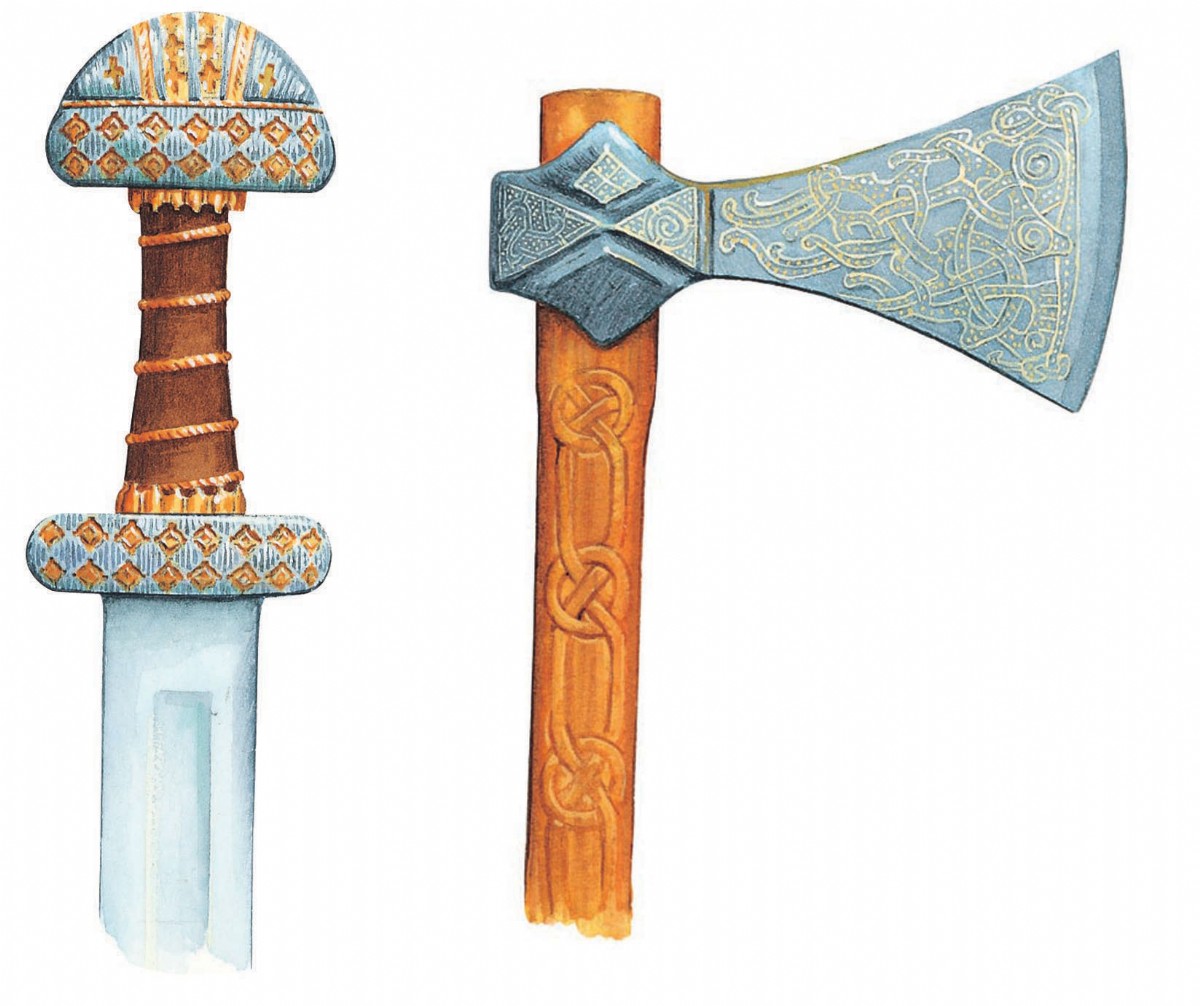
The Vikings were skilled craftsmen. They used materials traded with other peoples in their crafts, including silver, jet (a hard, black stone), amber and glass, along with local wood. Leatherworkers, carpenters, blacksmiths and other craftspeople made everything needed for daily life. They carved wood for their ships, shields and toys, and fashioned metal for swords, tools, armour and jewellery. Their crafts were long-lasting, but also beautiful, with elaborate decoration.

Jewellery
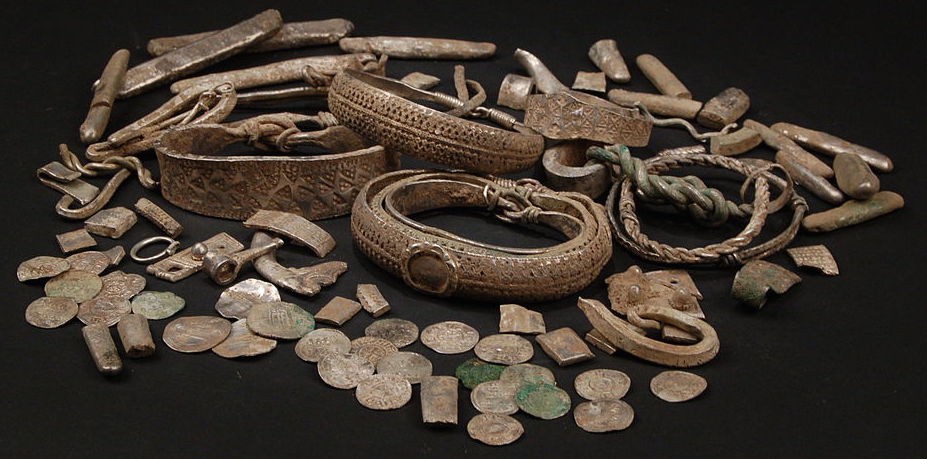
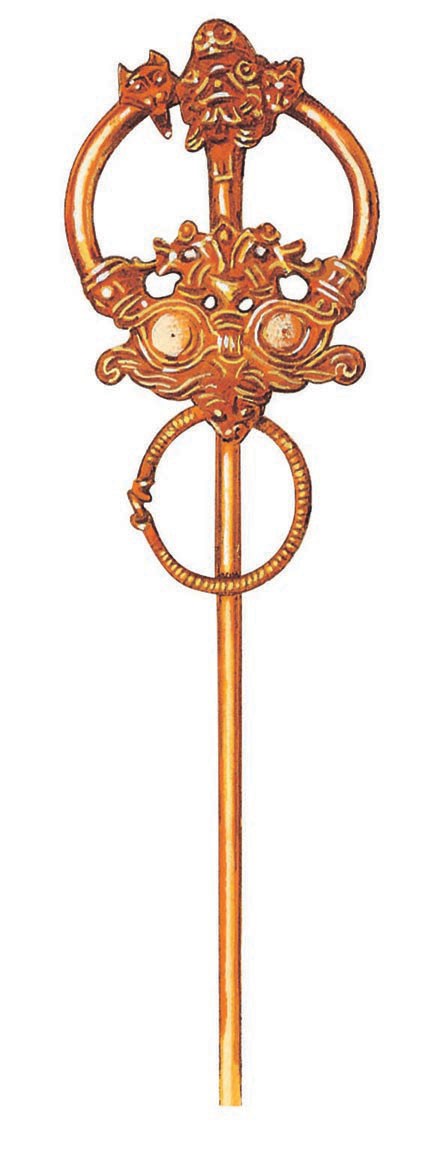
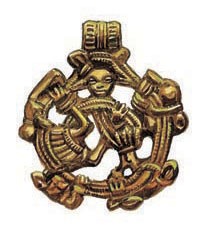
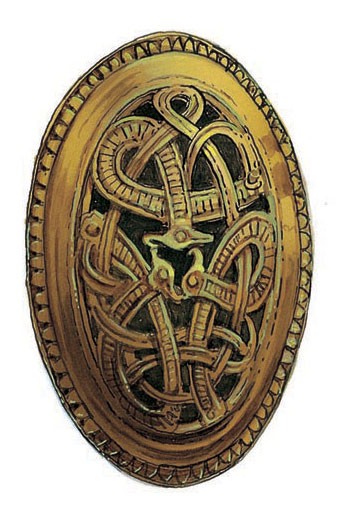
The Vikings loved jewellery and wore ornate pendants, bracelets and pins made from precious metals, especially silver. Both men and women wore brooches to fasten their clothes at the shoulder. Wearing jewellery crafted from precious metals was a sign of wealth. The less well-off wore pieces made of cheaper bronze or pewter, a mixture of silver and other metals. Necklaces of glass beads were also popular.
Consultant: Philip Parker
pics


Without in any way limiting Q-files Ltd’s exclusive rights under copyright, any use of this publication to “train” generative artificial intelligence (AI) technologies to generate text is expressly prohibited. Q-files Ltd reserves all rights to license use of this work for generative AI training and development of machine learning language models.