
Reptiles
Vipers
Vipers are venomous snakes with long, hollow fangs that fold back inside their mouths until they strike. Pit vipers are named after the deep pit, called a fossa, in the area between the eye and nostril on either side of the head. These are the external openings to heat-sensitive organs they use to locate their warm-blooded prey, and which give them a "picture" of it. The pit viper group includes rattlesnakes, moccasins and lanceheads. True, or old world vipers, such as the highly venomous puff adders, do not have these pits.

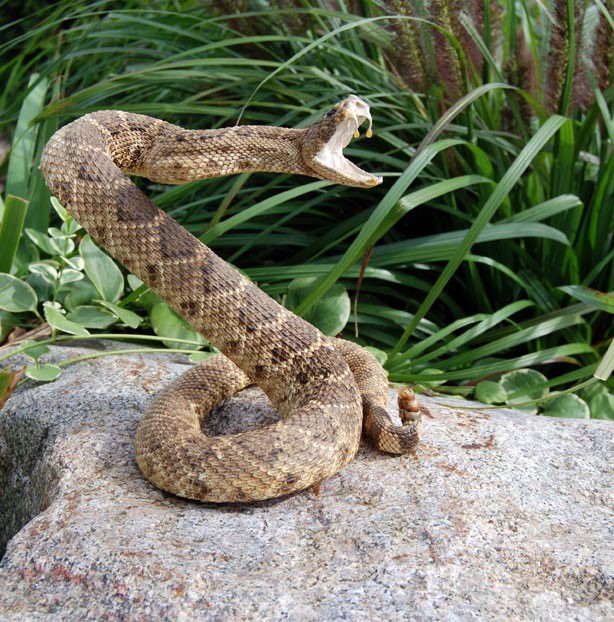
Bite
During a strike, the viper's mouth can open nearly 180°. The fangs are unfolded as late as possible to prevent damage. As the viper's jaws close around its victim and the fangs penetrate its flesh, powerful muscles rapidly inject the venom. Vipers use their venomous bite to paralyse their prey. It can also be used for self-defence, though in some cases they do not inject any venom.
Adder
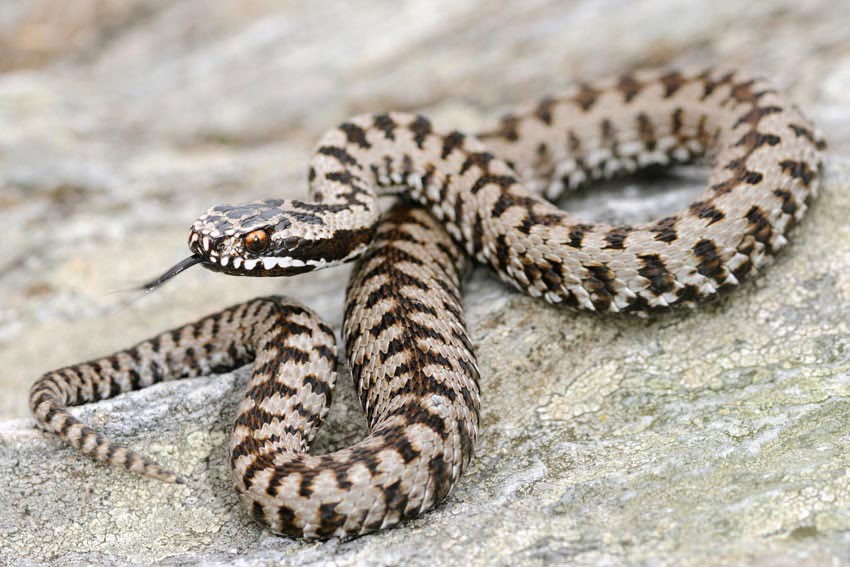
The common adder, a true viper, is found across Europe and Asia. It is the only venomous snake in Great Britain. It bites only when alarmed or threatened and its venom is rarely fatal. It feeds chiefly on small mammals, birds, lizards and amphibians. Most adders have a zigzag pattern down the entire length of their bodies. The head usually has a dark "V" or "X" on the top. The common adder is adapted to cold climates (it is sometimes found north of the Arctic Circle) and hibernates in winter.
Rattlesnakes
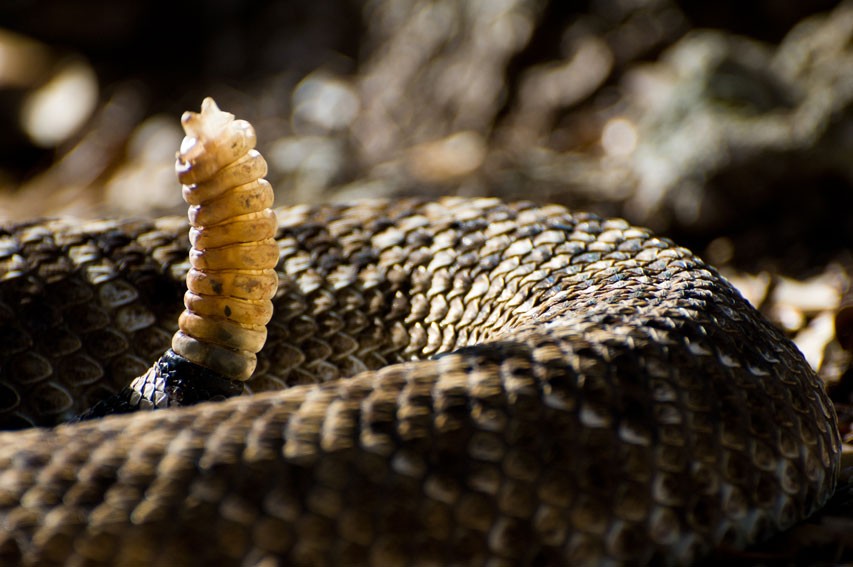
The rattlesnakes are a family of pit vipers that are native to the Americas. The "rattle" at the end of a rattlesnake’s tail is made of loose rings of hard skin. The snake is preyed upon by hawks, weasels, kingsnakes and a number of other predators, and shakes its rattle in an attempt to scare them away. Young rattlers are particularly vulnerable to predators.
How a rattler hunts
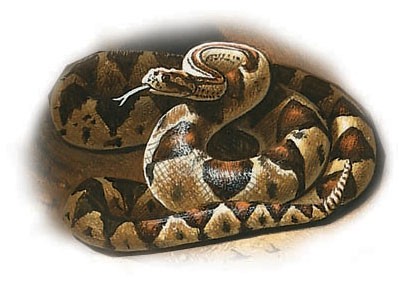
The rattlesnake preys on mice, rats, small birds and other small animals. It lies in wait for its prey, or goes after it in its burrow. The snake may use its rattle to distract its victim, before paralysing it quickly with a venomous bite. It then swallows it head first, forcing the limbs to fold inwards at the joints as it goes down.
The snake's powerful digestive juices allow it to digest bone as well as flesh. After a large meal, it will coil up in a safe place and digest its meal over several hours, days or even weeks.
Sidewinder
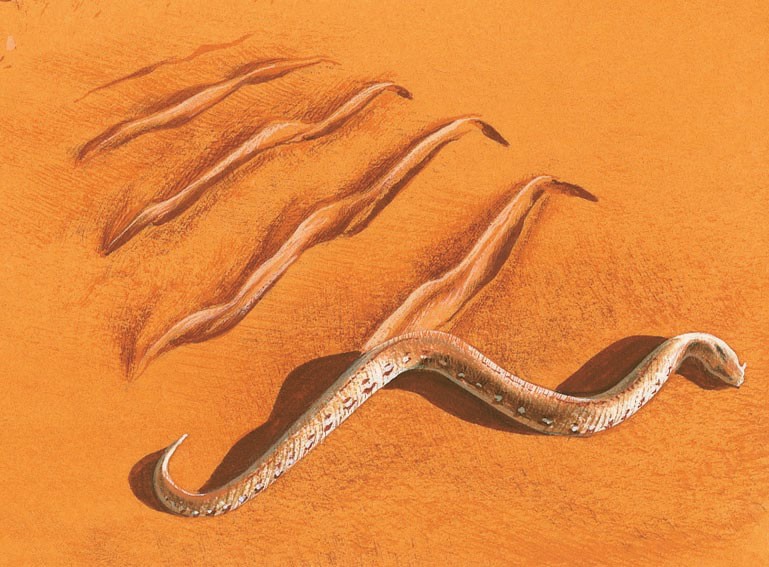
The sidewinder is a kind of rattlesnake, named after the way it moves across the ground. Its winding method of moving means that it only has one small patch of its body in contact with the hot sand at any one time. Just as importantly, it can move rapidly over sand, a surface that offers little grip. Sidewinders avoid the scorching daytime temperatures by hiding in burrows or under rocks.
Copperheads
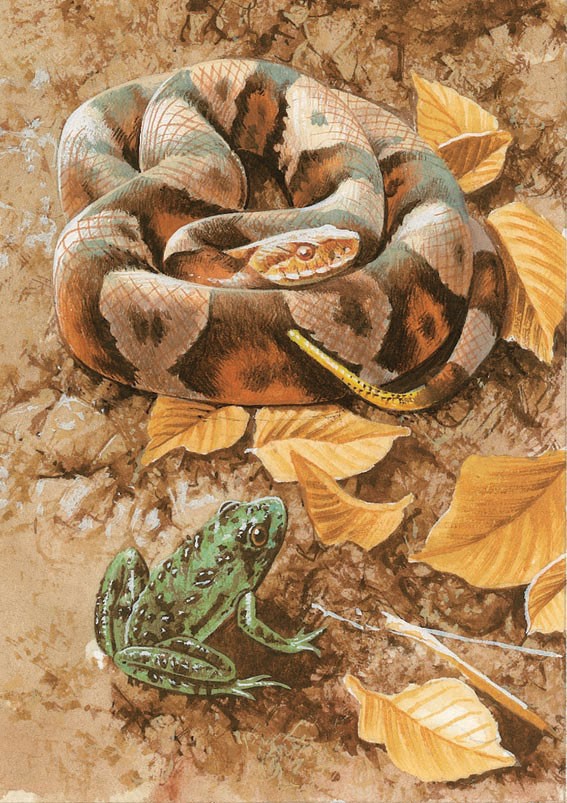
The copperhead is a type of pit viper. It is an ambush hunter: it lies in wait for prey, usually rodents, frogs or insects to pass nearby, before striking at them with its fangs. A juvenile copperhead uses its yellow tail tip to lure small animals, such as frogs, to come within range. While the prey is distracted by the snake's tail, the snake delivers its lethal bite.
Consultant: Chris Jarvis