
Earthquakes

CITE
We have made every effort to follow citation style rules, but there may be some minor differences. If in doubt, please refer to the appropriate citation style manual.
Earthquake survival. (2026). In Q-files Encyclopedia, Earth, Earthquakes. Retrieved from
https://www.q-files.com/earth/earthquakes/earthquake-survival
"Earthquake survival." Earth, Earthquakes, Q-files Encyclopedia, 6 Mar. 2026.
https://www.q-files.com/earth/earthquakes/earthquake-survival.
Accessed 21 Sep. 2026.
Earthquake survival 2026. Earth, Earthquakes. Retrieved 21 September 2026, from
https://www.q-files.com/earth/earthquakes/earthquake-survival
Earth, Earthquakes, s.v. "Earthquake survival," accessed September 21, 2026.
https://www.q-files.com/earth/earthquakes/earthquake-survival


Earthquake survival
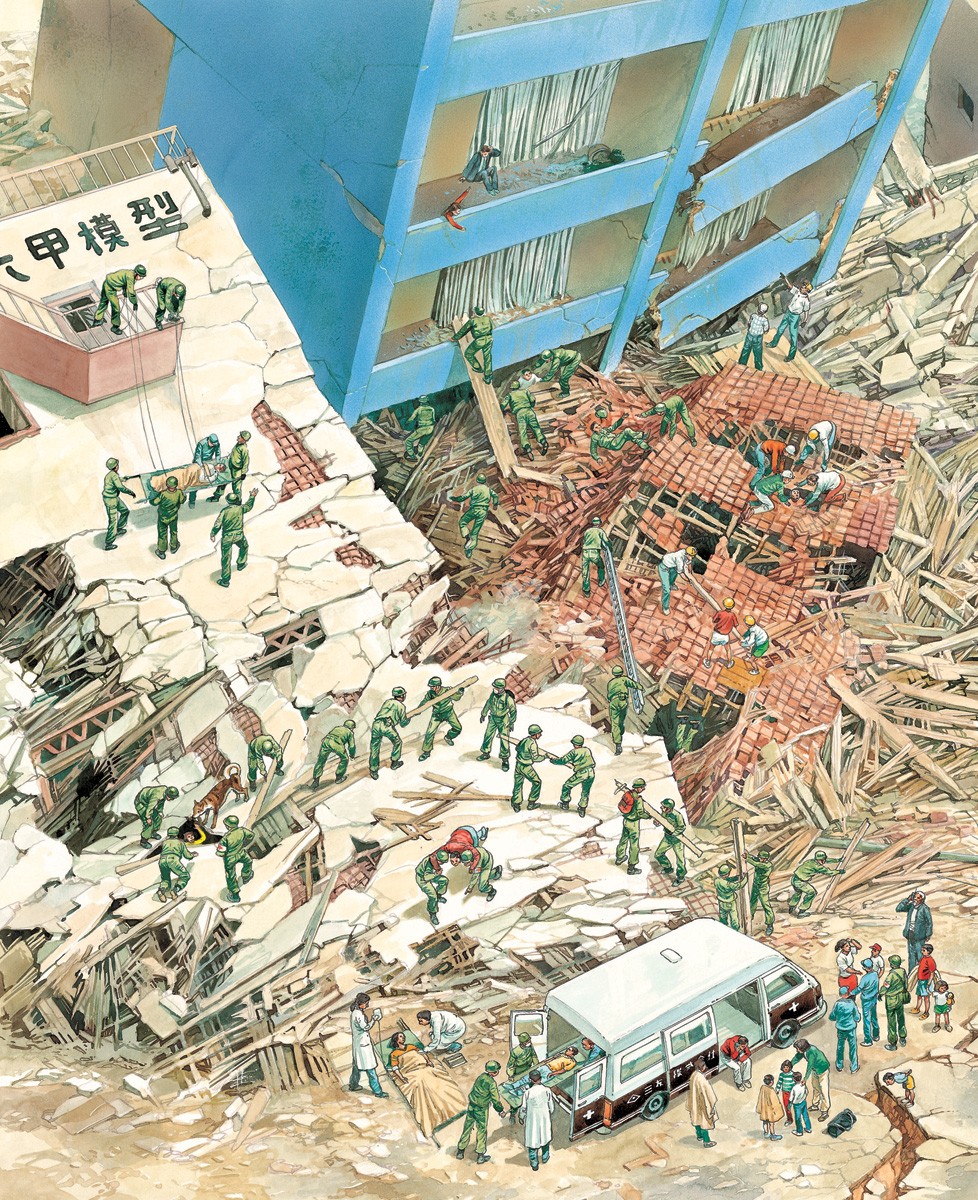
Thousands of earthquakes occur every year, some of them major ones. But only where these quakes affect densely populated regions is there a great loss of life, usually resulting from the collapse of large buildings or from flooding caused by powerful tsunamis. New buildings in earthquake-prone areas can be designed to withstand tremors and absorb shocks—and thus save lives in the event of a serious quake. Measures to protect towns and cities from tsunamis are more difficult. Japan's sea wall, standing up to 12 metres (39 feet) high in places, was not high enough to prevent tsunamis from devastating areas of the northeast coast during the 2011 Tohoku earthquake.

Quake-resistant buildings
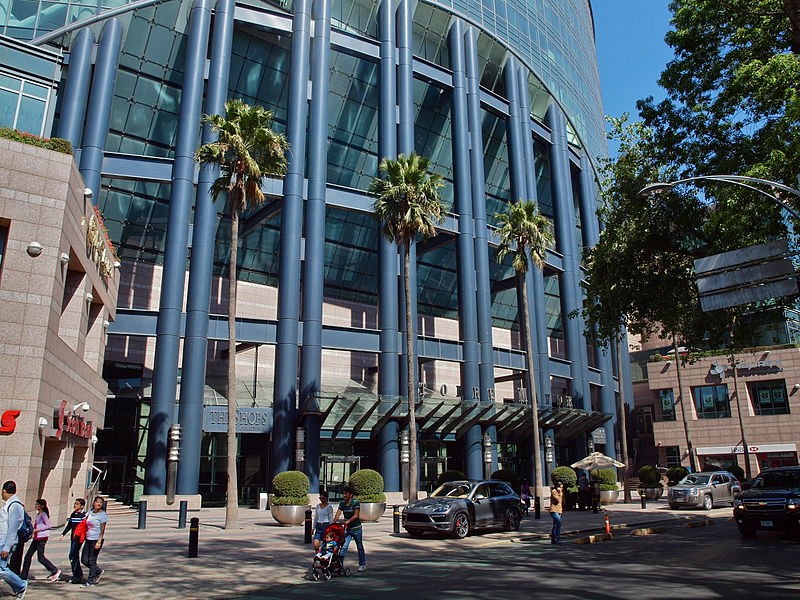
Taller buildings can be built larger at the bottom than the top. This shape is more stable during an earthquake, so the buildings are less likely to collapse. The Transamerica Building in San Francisco is specially designed to withstand even the most severe earthquakes. It is shaped like a slender pyramid and, thanks to special steel supports, its top is strong enough to sway 12 metres and still remain intact. In 1989 an earthquake shook California. Its epicentre was 100 kilometres (60 miles) south of San Francisco. Although quite severe, the quake damaged few buildings in San Francisco. Most had been built to resist earthquake shaking.
Designing for danger

Walls can be anchored to concrete foundations reinforced with steel rods (1). Steel brackets anchor brick chimneys to the roof (2). Metal chimneys are lighter and safer. Boilers are held in place by straps bolted to the wall, preventing gas pipes from breaking (3). Steel connectors reinforce the joins between the wooden beams and joists supporting the floors and ceilings (4).
2024 Hualien earthquake
When a 6.7-magnitude earthquake hit Christchurch, New Zealand in 2011, almost the entire city centre was flattened. But after a much larger 7.4-magnitude earthquake struck near Hualien City, Taiwan, in April 2024, the city survived almost unscathed. The reason for this is that Taiwan, which experiences many earthquakes, had suffered badly in 1999 when the Jiji quake caused the deaths of more than 2400 people and destroyed tens of thousands of buildings, and was now much better prepared as a result.

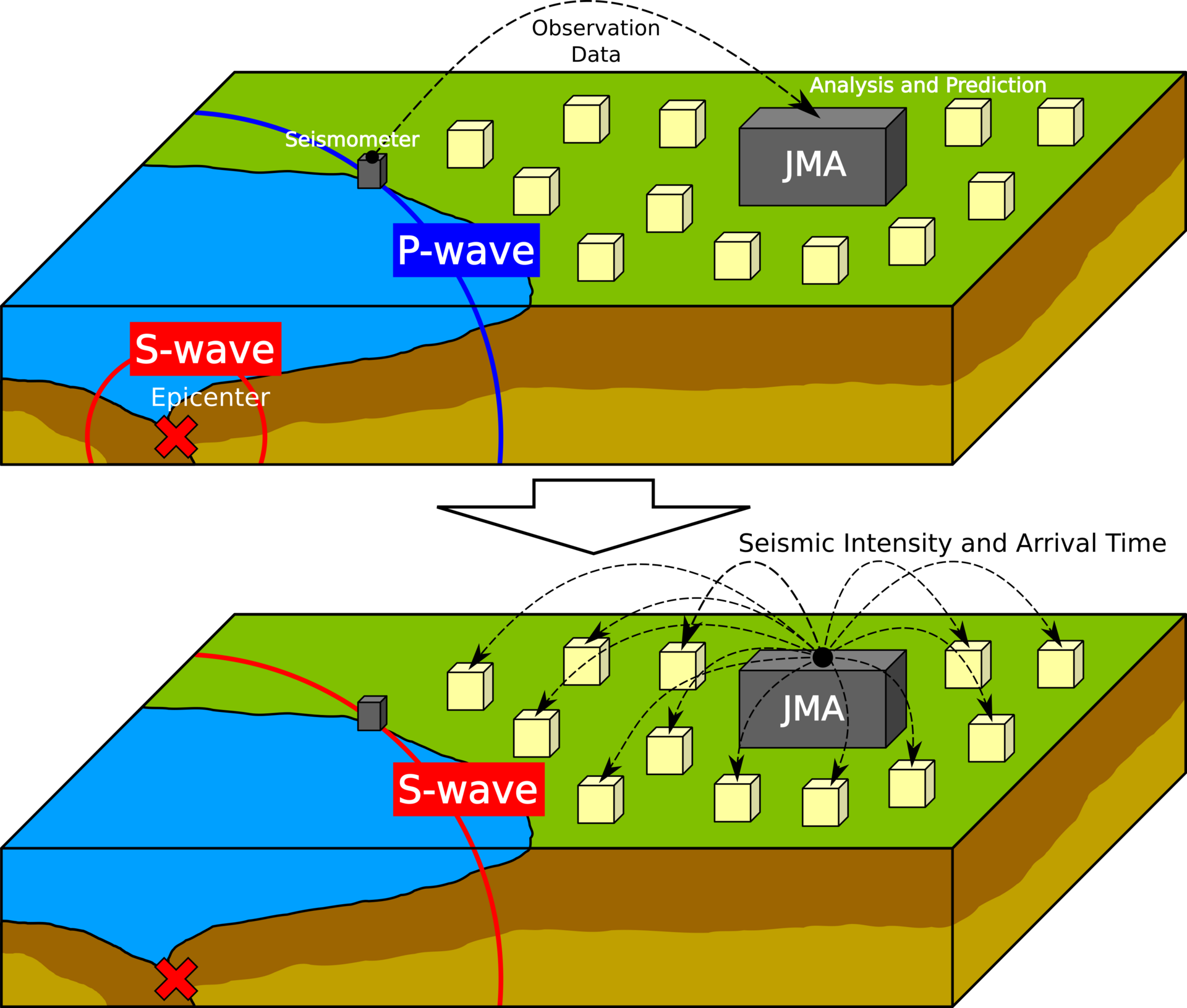
Since 1999, all new buildings in Taiwan have been required by law to meet a basic earthquake resistance level that means they can withstand a certain level of shaking without major structural failures. Major existing buildings and bridges have been reinforced with a framework of steel beams. Taiwan's population have also benefitted from an early warning system provided by sensors placed all around the island, which are able to pick up the first vibrations of an earthquake and provide immediate mobile phone and TV alerts. School and workplace drills mean the Taiwanese know what to do—such as evacuating buildings quickly—in the event of a serious earthquake.
Consultant: Ian Fairchild
pics

Without in any way limiting Q-files Ltd’s exclusive rights under copyright, any use of this publication to “train” generative artificial intelligence (AI) technologies to generate text is expressly prohibited. Q-files Ltd reserves all rights to license use of this work for generative AI training and development of machine learning language models.