
EASY READ World geography
A journey round the world: Asia
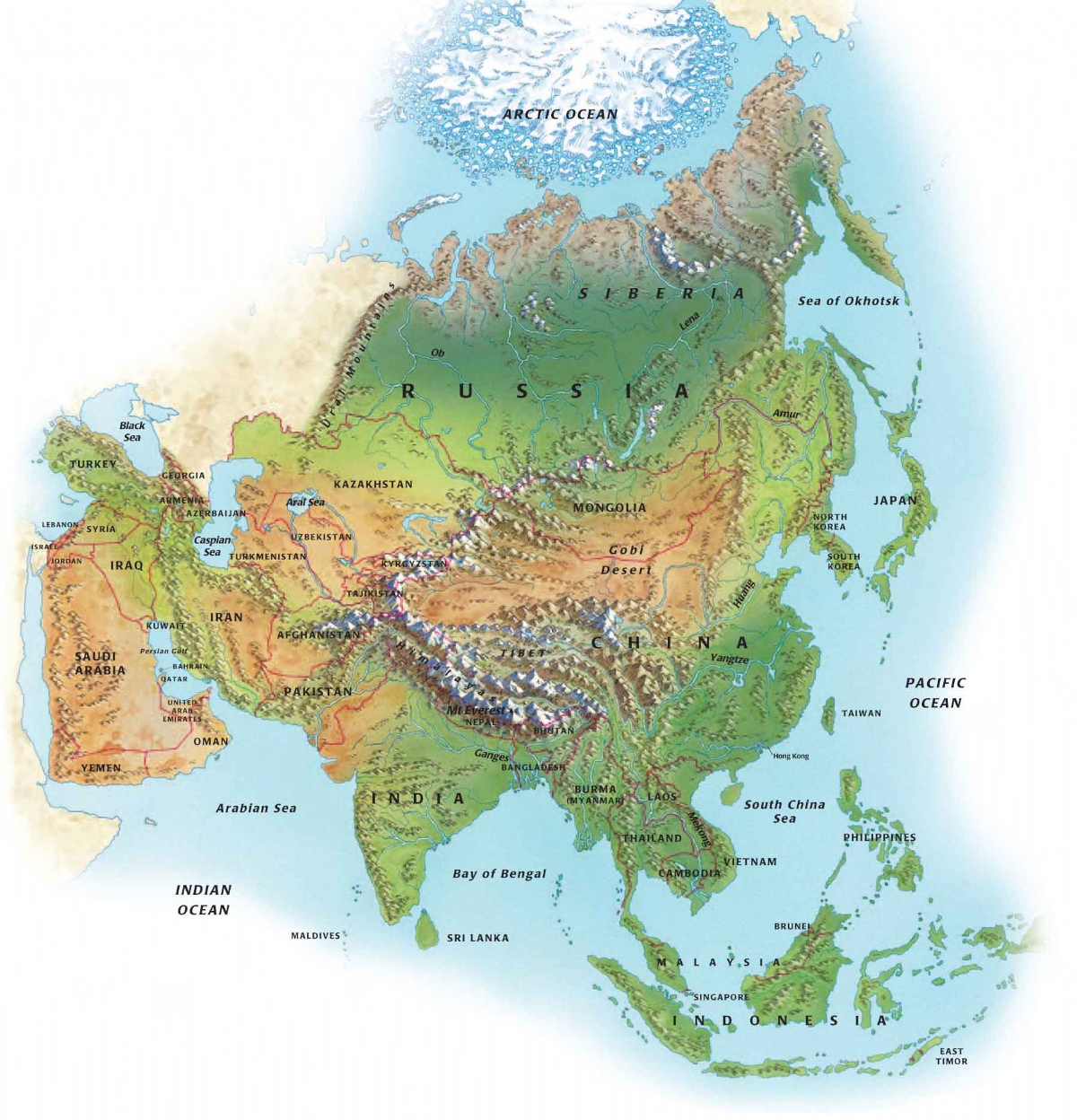
Asia is the largest continent. The northern part is taken up entirely by Siberia, part of Russia. Here tundra borders the Arctic Ocean, with vast coniferous forests further south. The forests give way to dry grasslands, or steppes, of Central Asia, which merge into rocky desert. Much of southwest Asia, known as the Middle East, is also covered by desert—hot, dry and mostly sandy. South of the Himalayas, the countries of South Asia have a monsoon climate: long periods of hot, dry weather followed by heavy rains. In Southeast Asia, a peninsula reaches out towards the many islands of Indonesia, some of them still covered by tropical rainforest.


Peoples
Although large areas of Asia are almost empty of people, Asia has the largest population of any continent by far. It is home to more than 4.5 billion people, around 60% of the world's population. Asian cities are growing quickly as more and more people move in from the countryside to find work.
There are countless different ethnic groups in Asia, from the Arabs and Turks of western Asia, the Mongols and Russians of Central Asia, to the many different peoples of Southeast Asia, such as the Malays of Malaysia and Kinh of Vietnam.


Middle East
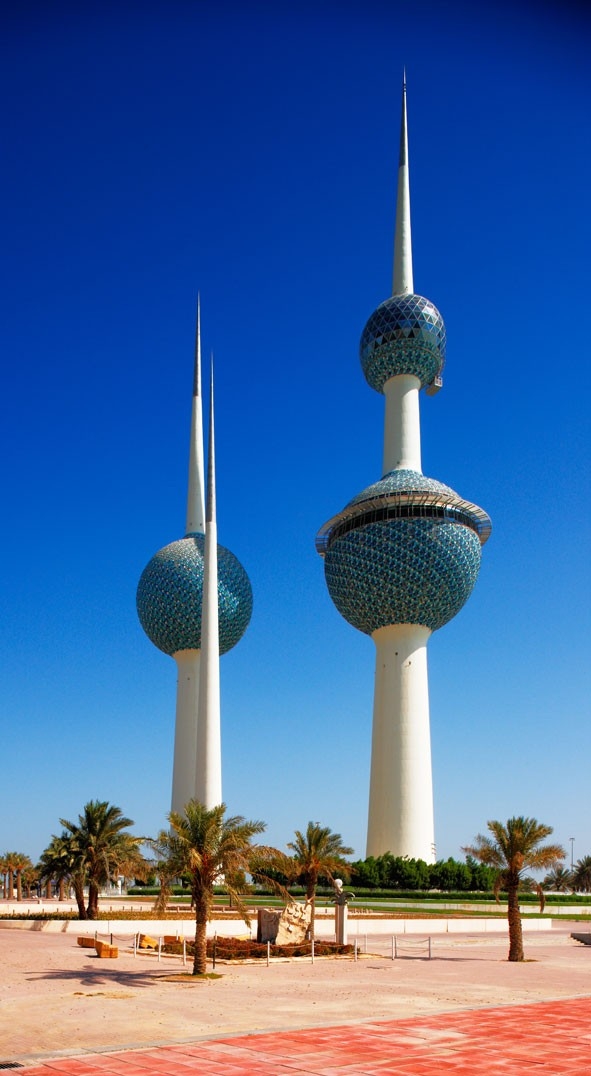
The Middle East stretches from Iran in the east to Egypt, in Africa, in the west. It includes the Arabian peninsula. Middle Eastern nations range from some of the world's wealthiest, including Israel and oil-rich Qatar, Kuwait, Bahrain, Saudi Arabia and United Arab Emirates, to among the poorest, for example, war-torn Yemen. Apart from Israel, a Jewish state, most people follow the Islamic religion.
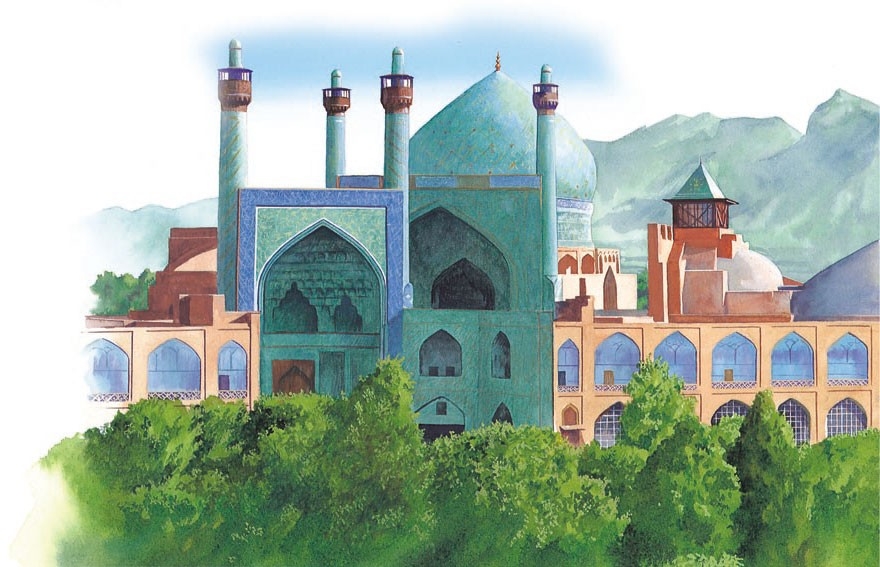
Much of the land is made up of mountains, scrubland or desert. It has a hot, dry climate. The Arabian Desert covers most of the Arabian peninsula. Some parts, including the Rub' al Khali ("the Empty Quarter"), consist entirely of sand dunes. The most fertile areas of the Middle East are along the Mediterranean coast and the floodplains of the Euphrates and Tigris rivers in Iraq.

Turkey
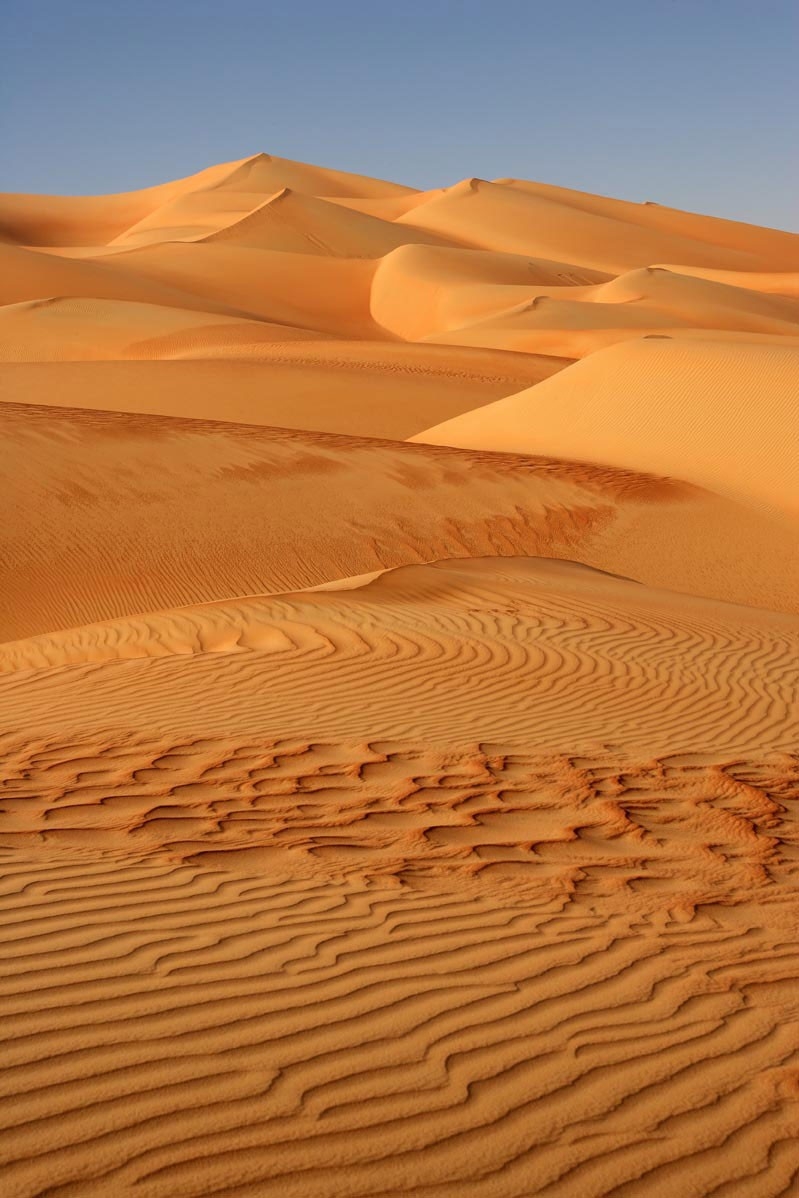
Turkey is divided between Europe and Asia by a narrow stretch of water called the Bosporus. The Asian part, by far the larger, is Anatolia. It forms a mountainous peninsula between the Black Sea and the Mediterranean Sea. Turkey’s coasts are warm, but the dry grasslands of its interior can be bitterly cold in winter. Turkey is rapidly becoming a modern industrial nation. Its coastline and ancient sites also make it a popular tourist destination.
Central Asia
Central Asia consists of five republics—Kazakhstan, Kyrgyzstan, Tajikistan, Turkmenistan and Uzbekistan—which lie sandwiched between the Middle East, Russia and China. Cotton, cereals, tobacco and fruit are grown near the rivers. Many Central Asian people work as farmers and livestock herders, but the region also has large reserves of oil and gas.

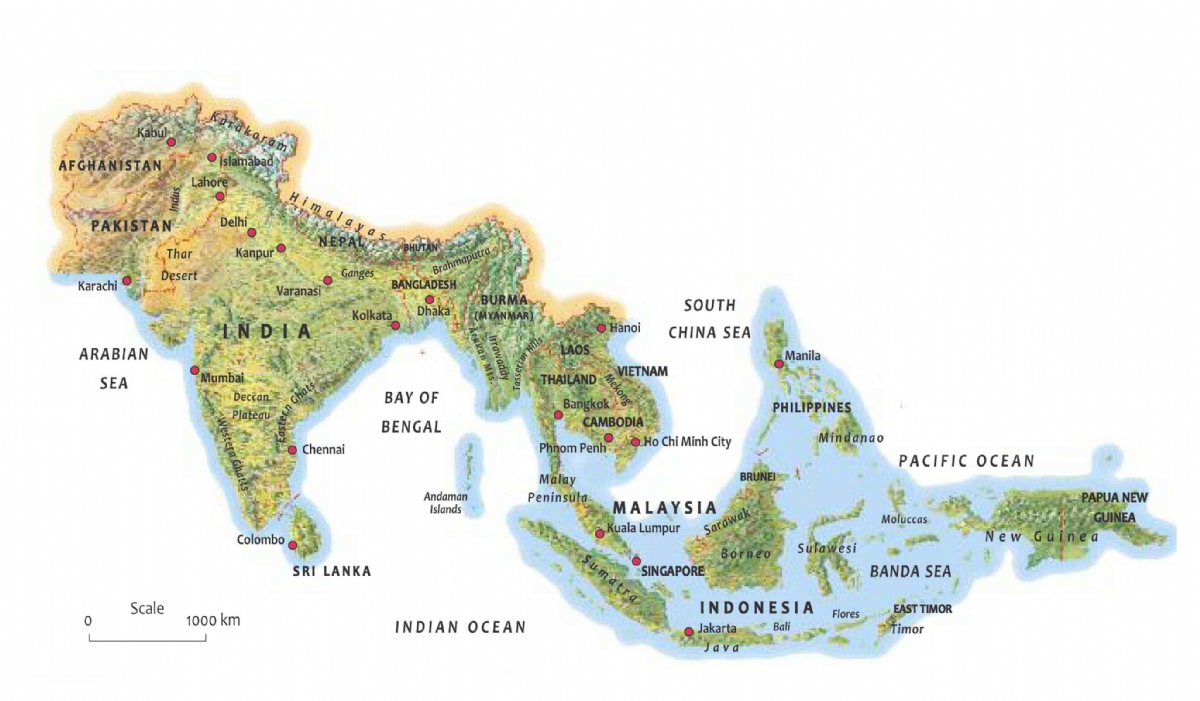

India
Northwestern India is mostly desert. In the south lies the Deccan Plateau, a high wedge of land between the hills called the Western and Eastern Ghats. Running between the Himalayas and Deccan is the Ganges Valley, one of the richest farming regions in the world, with fields of rice, wheat, millet and sugar cane as well as pasture.

The summer monsoon winds bring heavy rains from the Indian Ocean to the southwest. Much of India is dry for the rest of the year. India has the highest population of any country in the world: 1.42 billion people. Although many of India’s millions live in the countryside, there are major cities with growing modern industries.
Pakistan
Pakistan came into being in 1947 when India became independent from British rule and was divided into two countries. Most of Pakistan's people follow Islam. Like India, its cities are growing fast as its industries develop. Pakistan is a country of high mountains in the north and west, desert along the coast and in the east, and fertile plains in the Indus Valley.

Bangladesh

Most of Bangladesh is lowland, over which the Ganges and Brahmaputra rivers flow to the sea. There are many floods, which keep the land fertile for crops. But they can bring great destruction and loss of life to this densely populated country. Major industries here are clothing and shipbuilding.
Sri Lanka
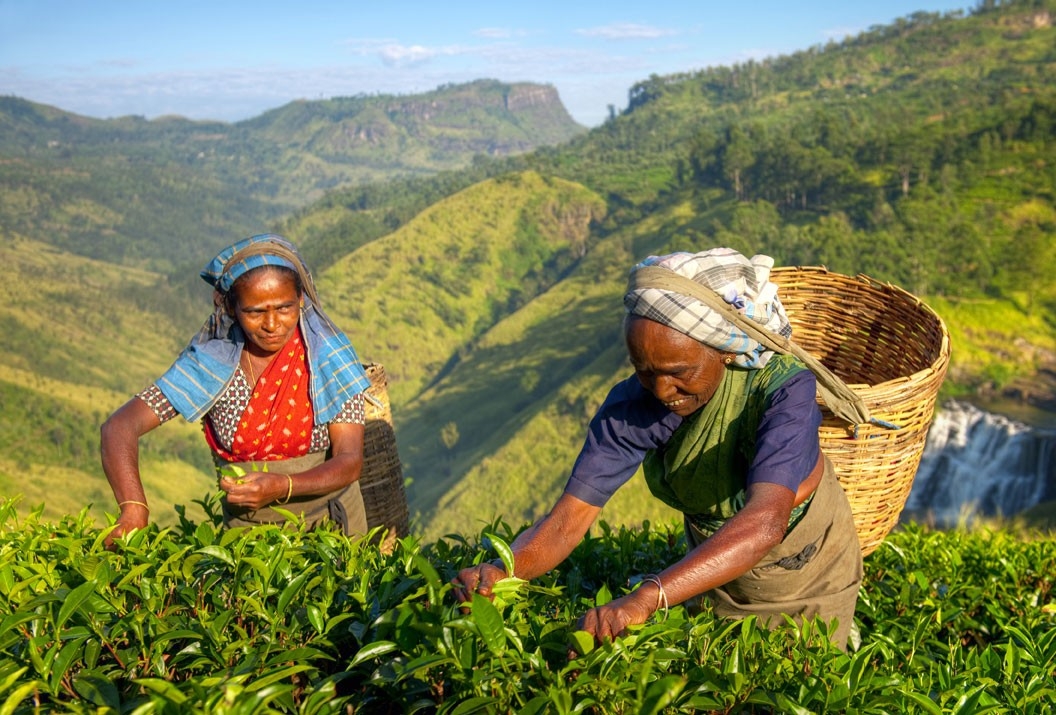
Sri Lanka, named the "Pearl of the Indian Ocean" because of its shape and natural beauty, is a tropical land of highland rainforest and plantations of tea and rubber. There are two main peoples: the Sinhalese and the Tamils.
Southeast Asia
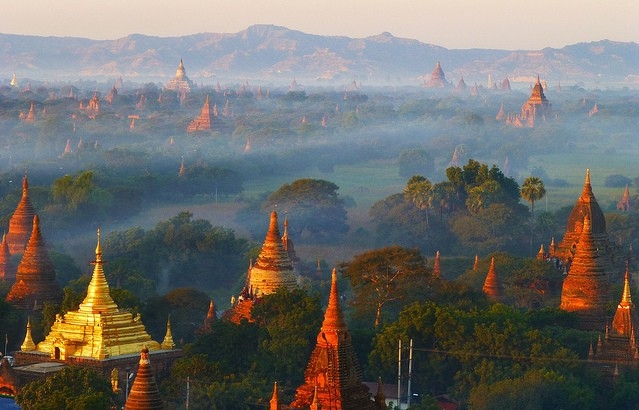
On the southeastern mainland of Asia are the mountainous, forested countries of Myanmar, Thailand, Laos, Vietnam and Cambodia. Great rivers, such as the Mekong and Chao Phraya, flow through the region, creating fertile valleys.
Myanmar and Laos suffer from poverty, while Cambodia, Vietnam and Thailand have grown more prosperous, thriving on their manufacturing and tourist industries.

Malaysia
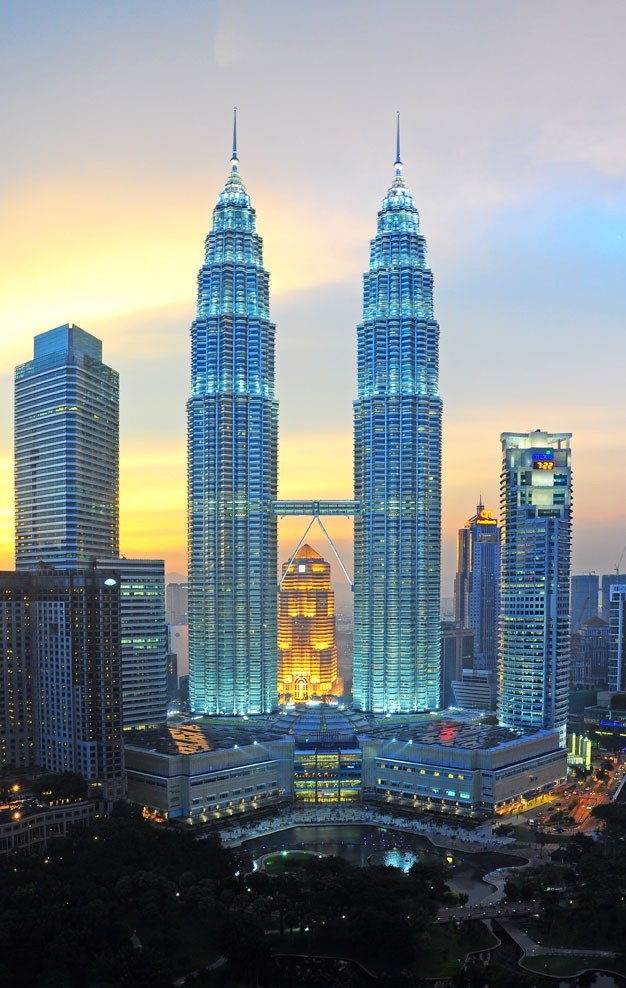
Malaysia is rich in natural resources such as palm oil, rubber and natural gas. Traditionally it has relied heavily on these resources, but today other major industries include electronic goods. Large parts of the country's tropical rainforests are being cut down to make way for farmland and cities.
Singapore

Singapore, an island-city just off the southern tip of Malaysia, is a major port. It has become a global centre of manufacturing and business.
Indonesia
Indonesia is a country of more than 20,000 islands. A long chain of active volcanoes runs through the islands. Indonesia lies across the Equator and has a hot, wet climate. Rainforest still covers the highlands and smaller islands.
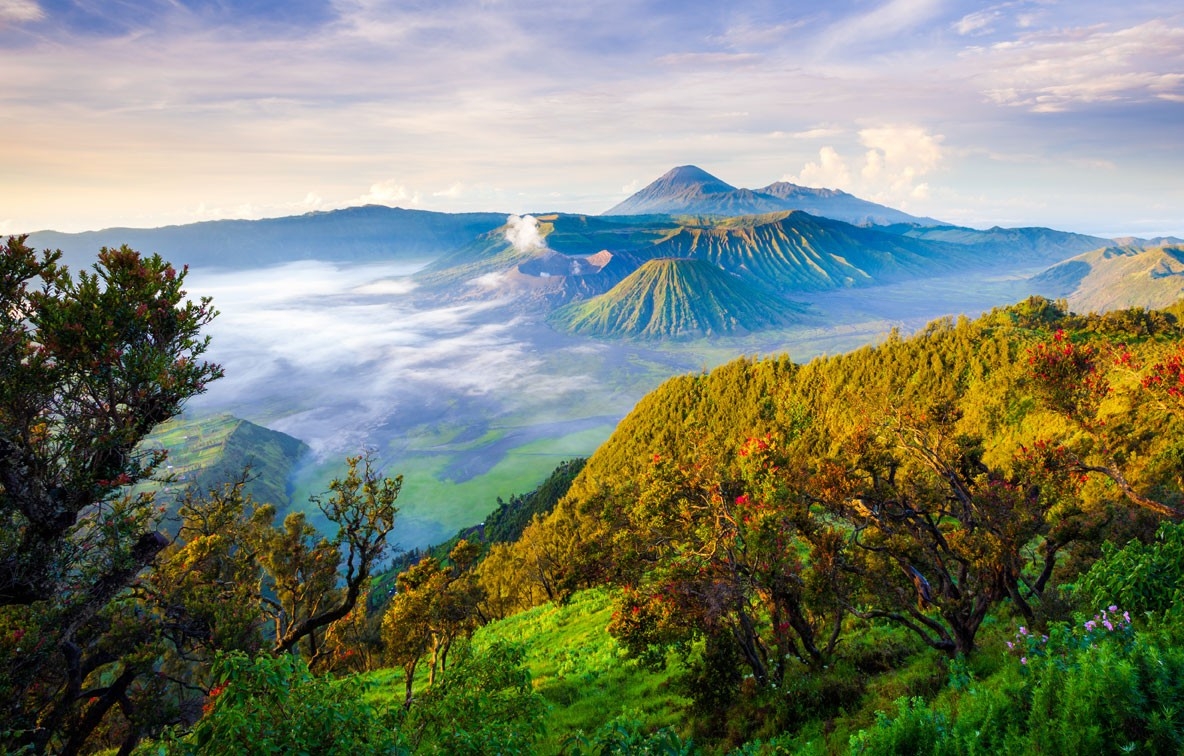
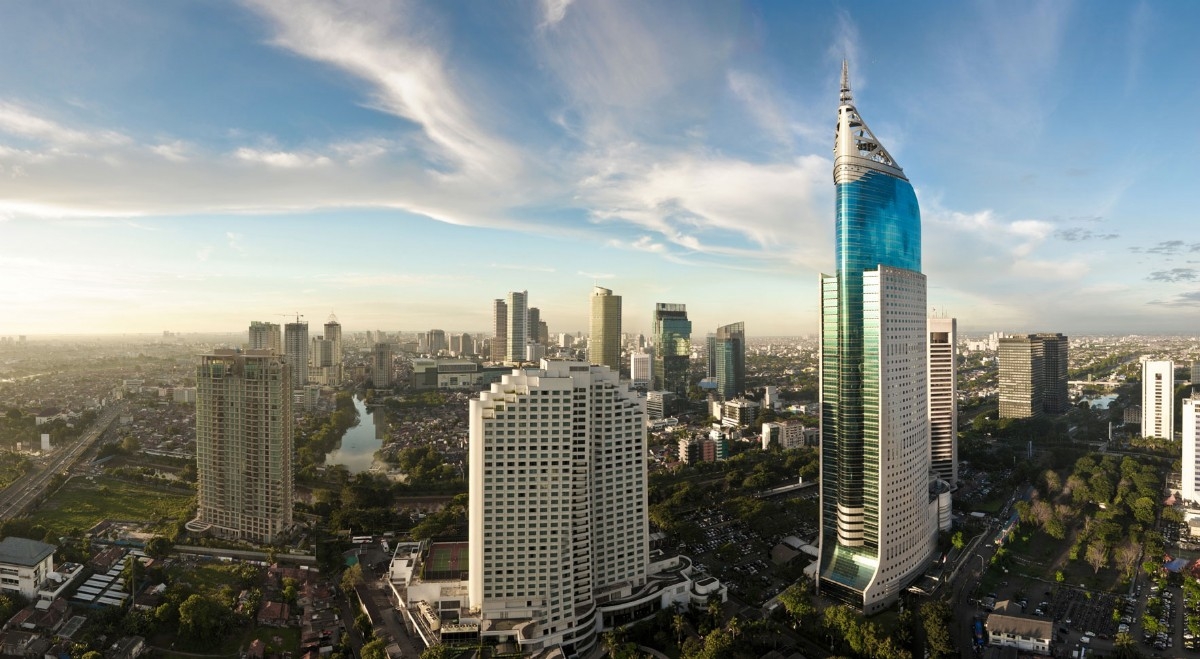
Much of the Indonesian population lives on the fertile lowlands of Sumatra and Java. Most are followers of Islam. Indonesia has many large cities and thriving industries. Jakarta, its capital city, has a population of nearly 42 million people and is the largest city in the world. In the countryside rice, maize and cassava are grown, and there are rubber, sugar cane, palm oil and coffee plantations.
Philippines
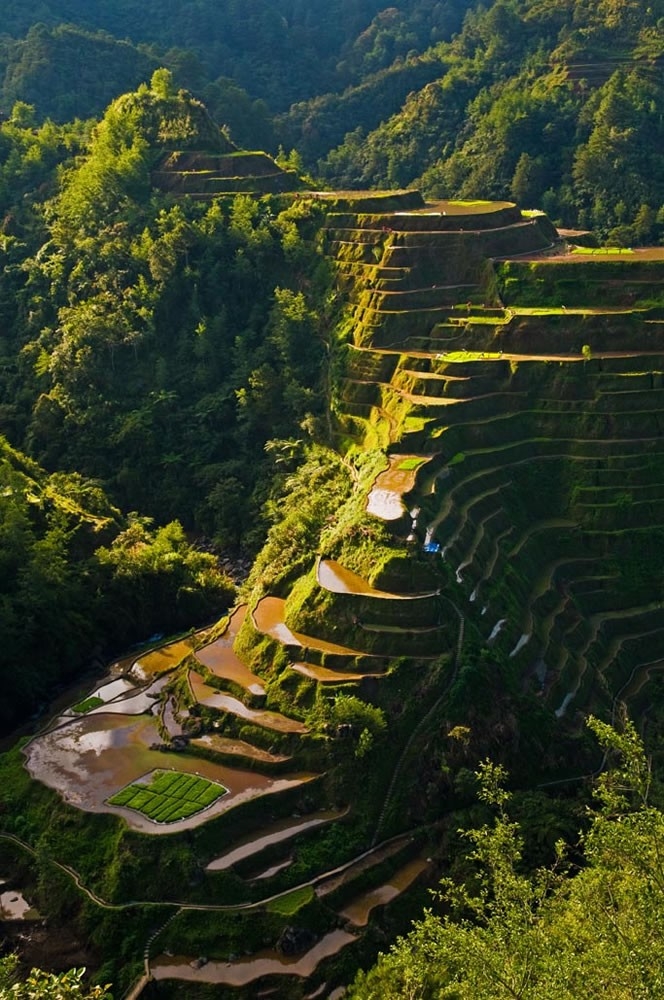
Philippines is a country of more than 7000 islands, rugged mountains and active volcanoes. Rice is the main crop, grown on both the plains and terraced hillsides of the island of Luzon. The country exports computer and electronic components.

China
China has the second highest population in the world after India. Western China is mountainous, with deserts and dry grassland plains. Very few people live here, but those that do belong mainly to non-Chinese groups. The eastern part of China has a warm climate, with fertile soil and river valleys. Great rivers, including the Yangtze and the Huang He, wind across this region from the western mountains to the sea.

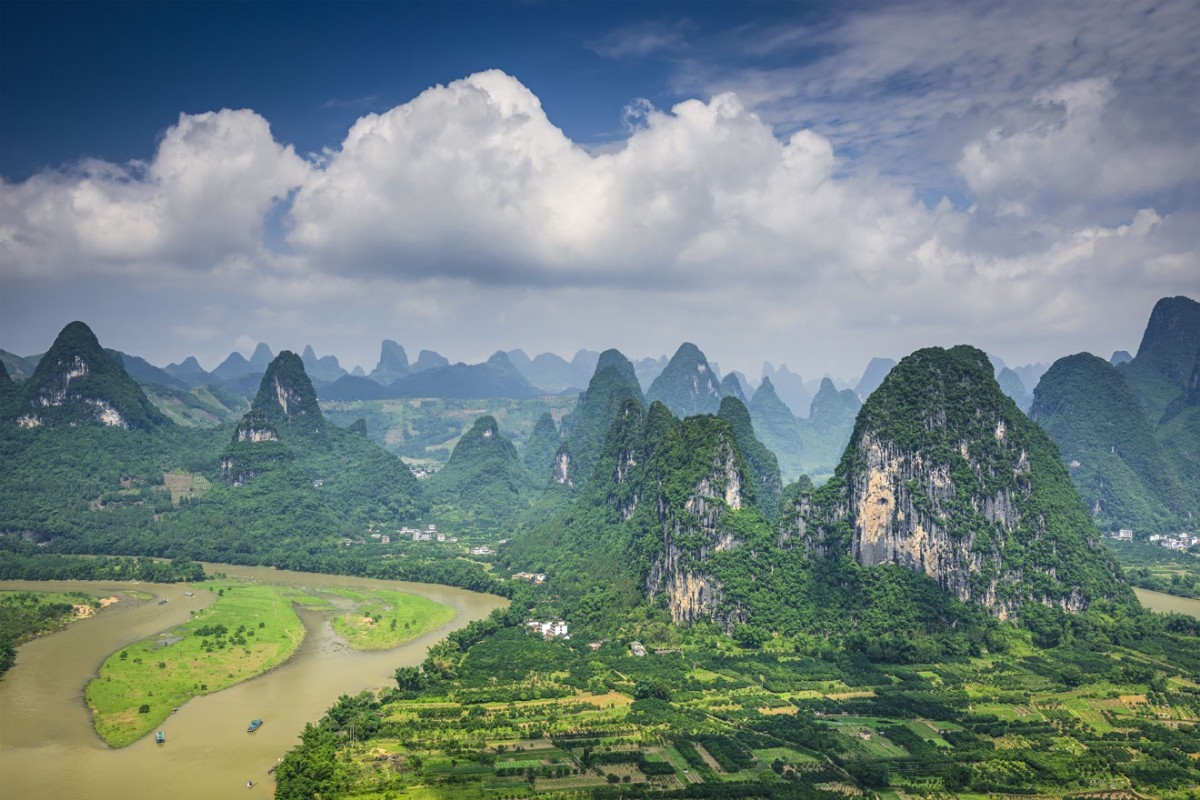
Most of the population of Chinese-speaking peoples live in the east. Here, millions of farmers produce crops such as rice, maize, wheat, sweet potatoes, cotton and tea. Southeastern China is wetter and rice farming is found everywhere. Pigs and poultry are raised all over China.

China has developed extremely rapidly to become a major industrial nation. Huge industrial cities such as Guangzhou, Shenzhen and Chongqing have sprung up. China has heavy industry such as steel and chemical plants. It also produces and exports textiles, clothing and other manufactured goods.
Japan
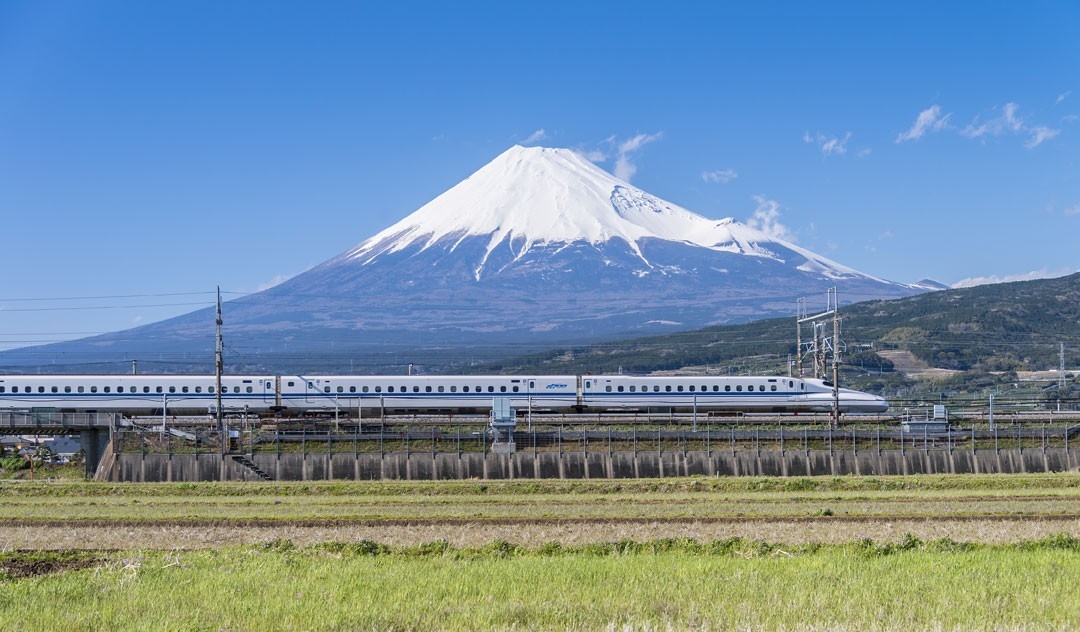
Japan is made up of four main islands, where most of the population lives. They are, in order of size, Honshu, Hokkaido, Kyushu and Shikoku. Winter is cold in the north, but the south of the country has mild winters and hot summers. Thickly forested mountains run the length of the country. Japan experiences frequent earthquakes. Most are minor, but sometimes there is a major one.


The few lowland areas near the coast or along river valleys are shared by large cities like Tokyo, Osaka and Nagoya, and farmland—mostly rice fields. Japan's fishing fleet catches more fish than any other country's. Japan is one of the richest industrial countries in the world. It is a leading producer of cars, ships and electronic goods. It is also one of the world's most important financial centres.
Korea
Since the Korean War (1950–53) the ancient kingdom of Korea has been split into two: North and South Korea. Communists rule in the North, which has little contact with the outside world.


South Korea has become a fast-growing manufacturing nation, producing electronic goods and cars. The best rice lands are along the southern coast. Most of the minerals—coal, iron, lead, zinc and copper—are found in North Korea.
Consultant: Nicholas Harris
Ready to find out more?
Here are some pages in other parts of Q-files you might like to explore:
Asia
Southwest and Central Asia
South Asia
Southeast Asia
East Asia
Asian nations: flags and statistics
Asian geography A-Z