
Government
Elections
An election is the process that democratic countries, societies and groups use to choose their leaders and representatives. In a general election, voters choose who will govern their country. In some countries, such as France and the USA, voters also elect a president. In others such as the UK and India the head of the party with most votes becomes the Prime Minister, the leader of the government. Most democratic countries also hold elections to choose the members of local government (local elections) and councils in local areas. In the European Union (EU), citizens of member countries choose representatives (MEPs) at an election every five years. Elections are an important part of the democratic system. They must be held fairly, without interference, in order to represent the true view of the people.
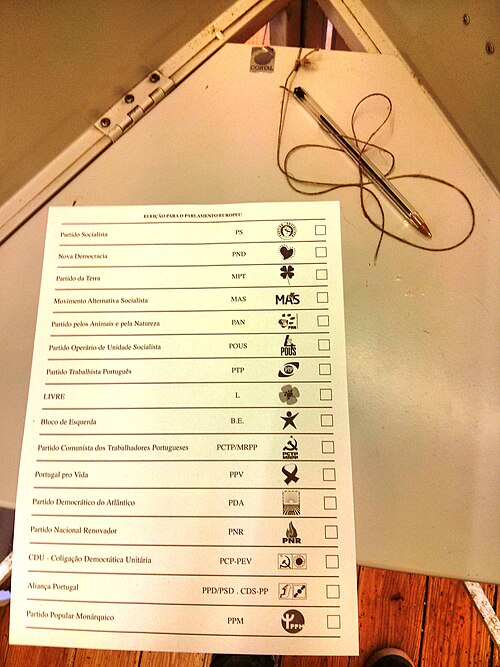
Elections around the world

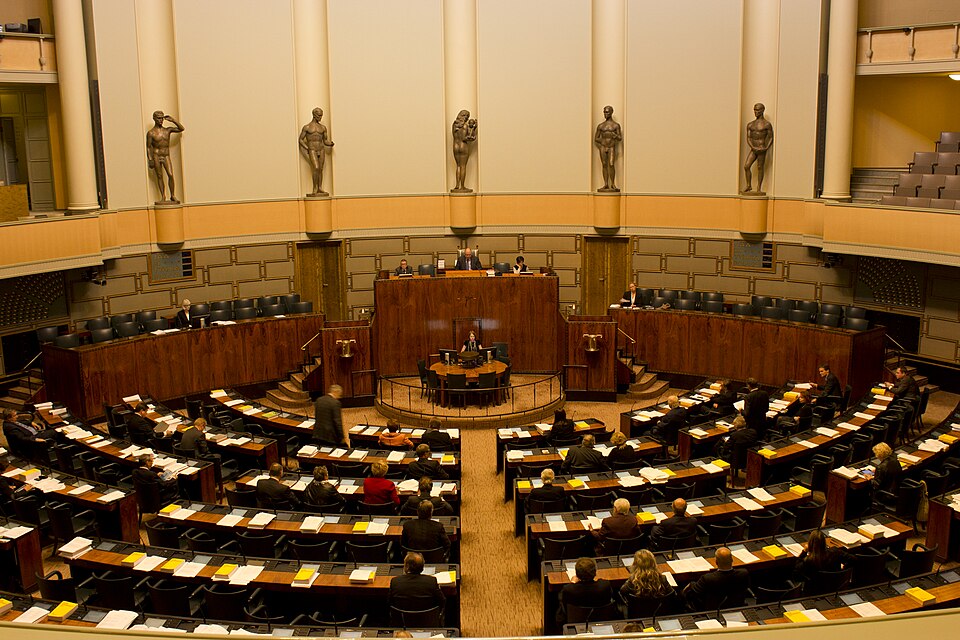
In a democracy, elections are held regularly to make sure that the government in power represents the views of the people they serve, known as the electorate. Most modern democracies hold fixed-terms elections, both for their parliament (also called a legislative, or law-making, assembly) and, if the office exists, their president. The term of office varies, but in many countries it is five years. Members of the US House of Representatives serve a fixed term of just two years, while those of the Senate serve a six-year term. An election occurs on a set date, which cannot be changed other than in exceptional circumstances, if at all.
Many republics around the world have fixed-term presidencies, where the president is elected for a set number of years. In the US and Brazil, for example, a president may serve two four-year terms. In France they may serve up to two five-year terms.
In the UK, the Prime Minister may call an election at any time, but must do so before before a five-year term is completed. The country is divided up into areas known as constituencies. When voters in a constituency (“constituents”) go to the polls, they are electing an MP to represent them in parliament. You can read more about UK elections here.


In Japan, general elections of members of the House of Representatives must be held before a four-year term is completed. The February 2026 election took place less than two years after the previous one, which was held in October 2024. The only time since 1945 a four-year term has been fully completed was the 1976 election.
In the US presidential election, people in each state do not vote directly for the president. Instead they vote for representatives called electors, chosen by the candidates’ parties. These electors then cast their vote for the president. You can read more about US presidential elections here.
Political parties
A political party is a group of people with similar ideas working to achieve common political aims and seek power within a government. They try to get their representatives elected to parliament so that their ideas can influence the way a country is run.
Political parties enable the different views of the electorate to be represented in parliament in an organized way. A range of different political parties is important so that everybody can support one which best represents their views or preferences.

Campaigns
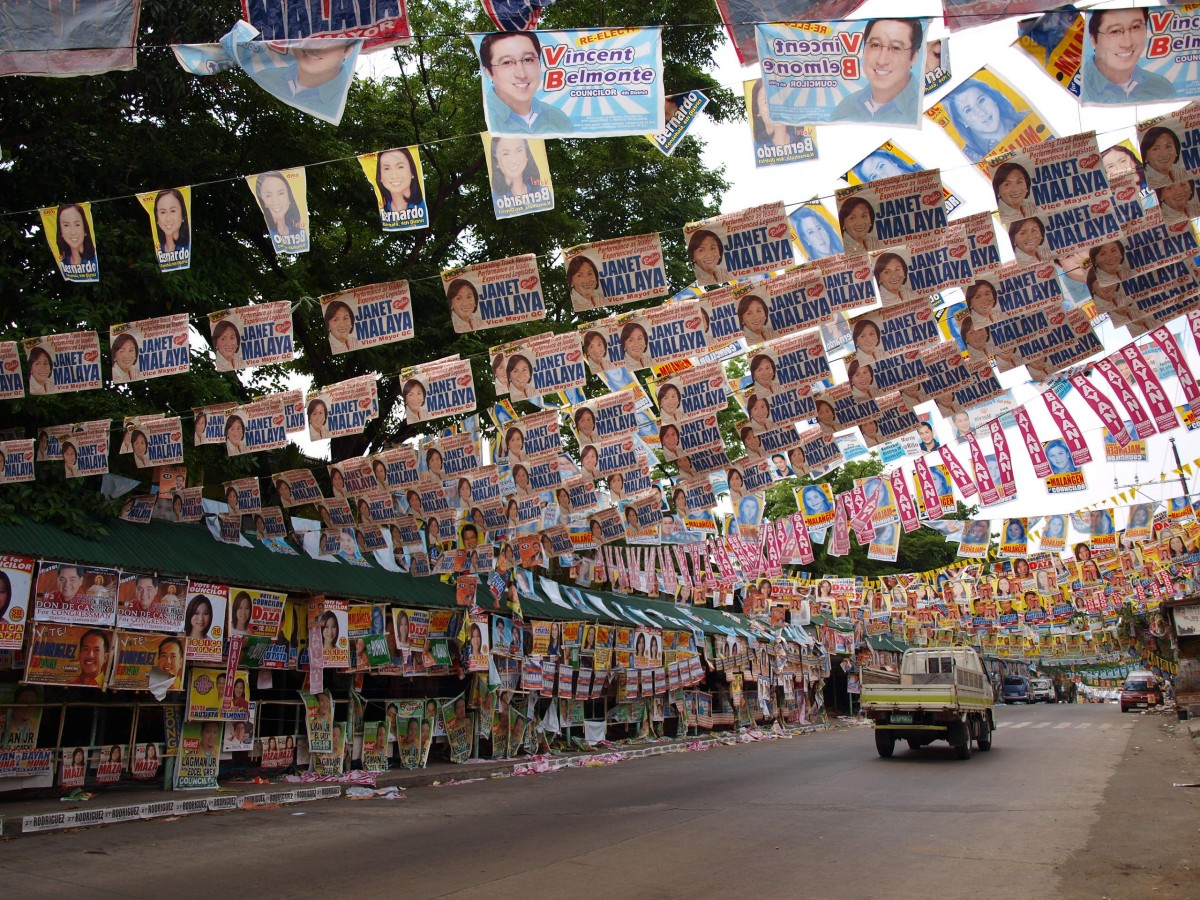
Once an election is called, each political party publishes their manifesto, a document which explains their main ideas about the way a country should be run. They then spend time trying to get support from as many people as possible. This is called canvassing. They might distribute leaflets, place advertisements in public, or visit people to talk with them on their doorsteps. Candidates will usually address voters and answer questions at public events called hustings. In the USA, candidates hold rallies, events where sometimes huge crowds together to hear them make speeches.
Some countries have limits on how much each party can spend on their campaigns, or how much they can receive in donations. This is to make sure the election is fair, and that all the parties are able to make their voices heard.
Going to the polls

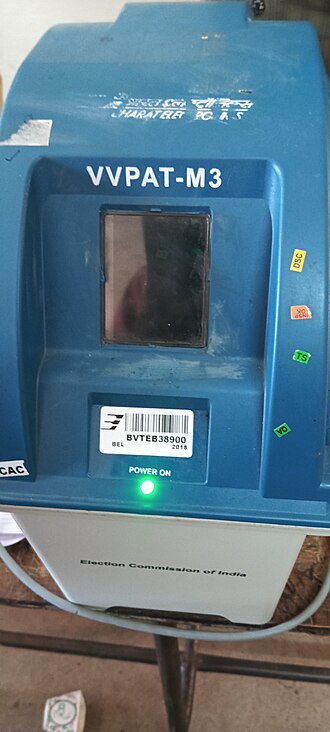
Voting usually happens at a polling station or polling booth. In most countries and states, voters mark a piece of paper known as a ballot in secret, while others, such as India, use electronic voting machines (EVMs). Voters can also choose not to vote at all, which is called abstaining. There are a number of different voting systems in use by different countries round the world.


First past the post
In a first-past-the-post system (FPTP or FPP), used in general elections in, for example, India, Canada and the UK and in most states in US presidential elections, voters mark their ballot just once to indicate who their favoured candidate is. After the ballots are counted, the candidate with the highest number of votes in each constituency wins the seat (meaning, they are elected).
The advantages of this system are that it is easy to understand, that it often (but not always) produces governments with decisive majorities, and that it gives all areas of the country a representative in parliament.
The disadvantages of FPTP are that the number of seats won in parliament often do not match the percentage of votes won in the country, and that smaller political parties often end up under-represented, or not represented at all.

Proportional representation

In a proportional representation system (PR), voters mark their ballot just once to choose their favoured party or independent candidate. MPs are shared out among the parties according to each party’s share of the vote. A party that received 40% of votes receives 40% of the seats in parliament. Different forms of PR are used in general elections in, for example, Germany, Netherlands and New Zealand, and to elect members of the European Parliament.
With PR, smaller parties have a better chance of gaining seats, giving voters a wider range of views represented in parliaments. In fact, PR rarely produces an absolute majority in parliament for any one political party. The government is therefore usually formed from a coalition of parties, meaning there is more compromise between different points of view. One disadvantage of PR is that it allows more opportunity for extremist parties to gain seats in parliament and, if they succeed in joining a coalition, even a say in government (the Nazi party, led by Adolf Hitler, gained power in Germany in the 1930s in this way). Another is that the link between an elected representative and their constituency is often far weaker with PR than it is with FPTP.
Alternative vote
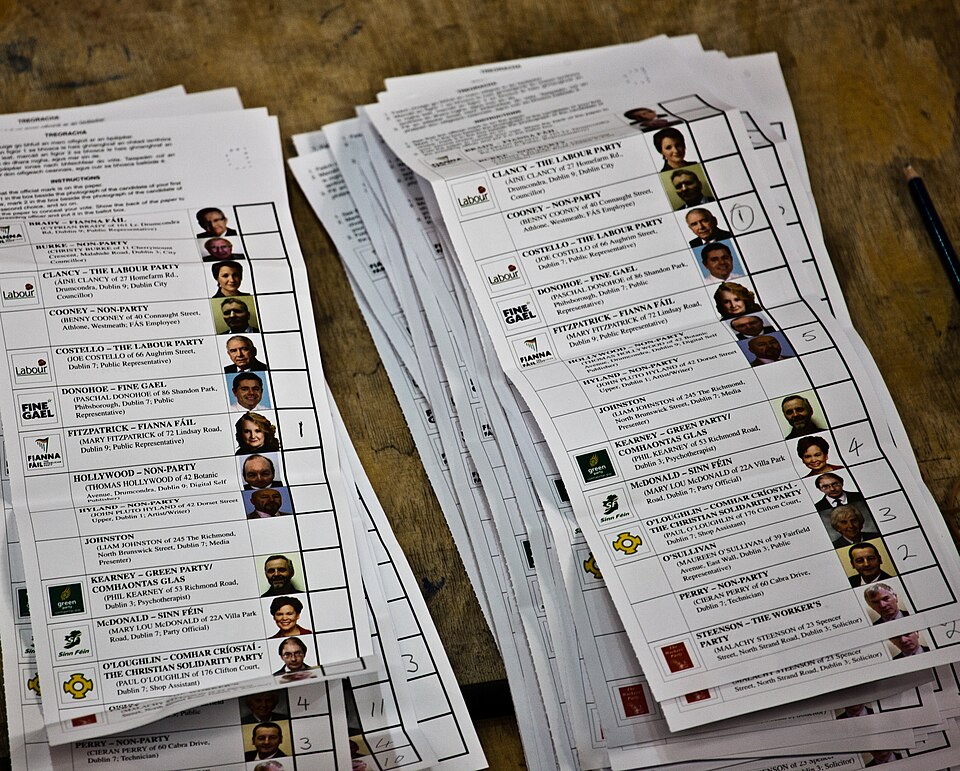
With the alternative vote (AV) system (also known as instant-runoff voting or a preferential vote system), voters rank the candidates in order of preference, showing their first, second and third etc. choices. The votes for people’s first choice candidate are counted up first. A candidate needs 50% of the votes to win. If there is no winner, each voter’s second-choice preference is added into the mix and the votes are counted again. This continues until there is a clear winner. The system is used, for example, to elect the President of Ireland and to elect the members of the House of Representatives in Australia.
The advantages of the AV system are that all MPs have the support of a majority of their voters and that it reduces the chances of extremist parties gaining seats. The disadvantages are that it can sometimes produce a more disproportionate result even than FPTP, and that it may encourage what is known as "donkey voting", where voters simply vote for candidates in the order they appear on the ballot.

Free and fair?
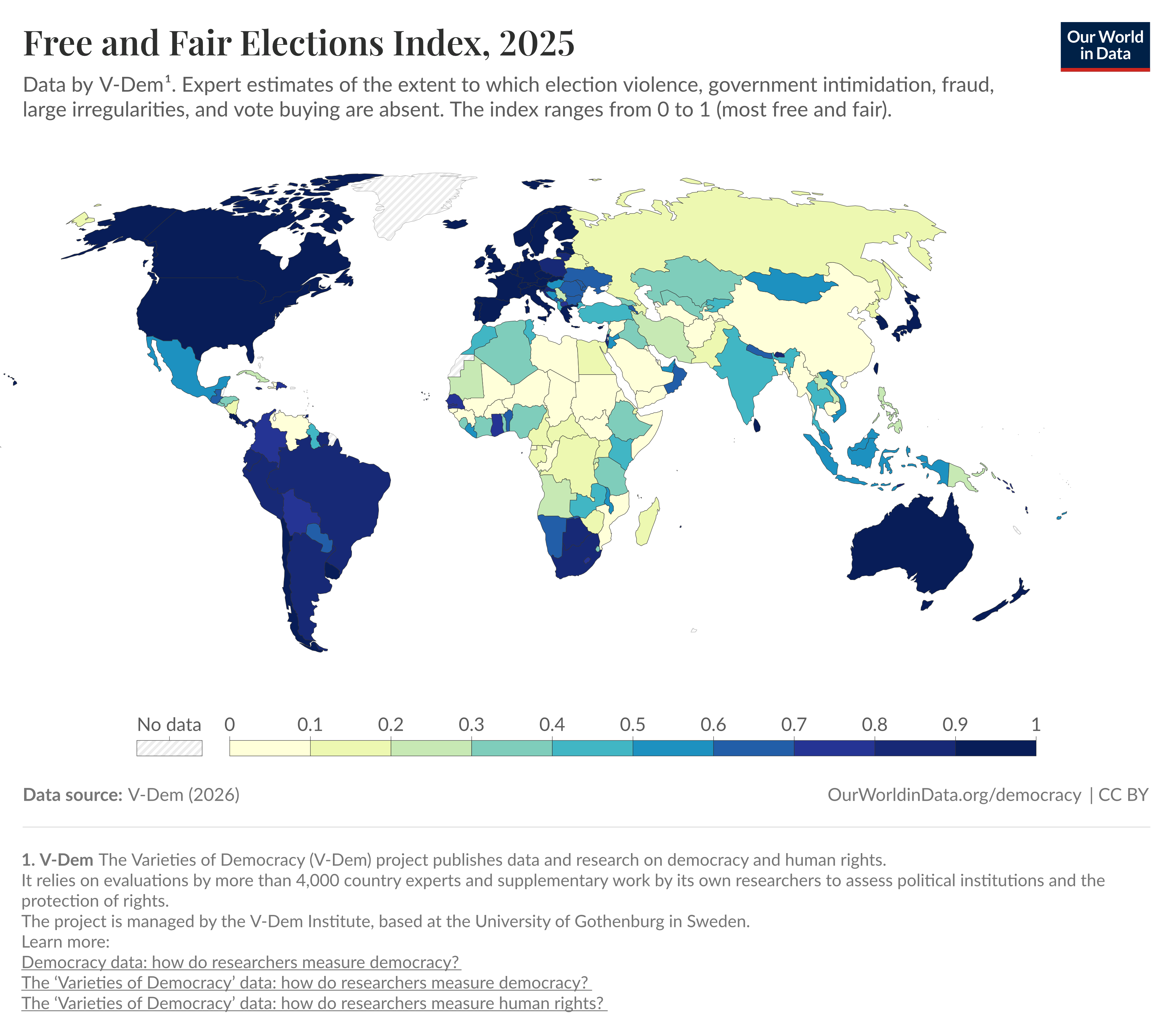
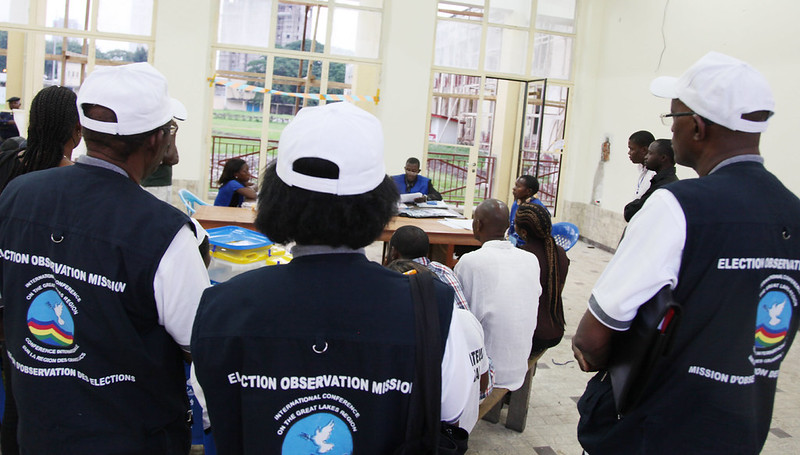
When an election is held in such a way that it accurately expresses the views of the people taking part, it is said to be a “fair election”. To make sure the election is fair, it must be a transparent process. This means that every part of the election, from how the votes are counted, to how much money is spent on campaigning, must be made public. It must also be inclusive—everyone who is eligible should be able to take part, or run as a candidate if they wish.
One way to make elections fairer is to try and increase voter turnout (the number of people who vote on election day) to make sure that the election result reflects the views of as many people as possible. This can involve encouraging more people to register to vote, or making sure that polling stations are close to people’s homes. Political parties must not try and stop any part of the electorate from voting (exclude them). Their campaigns must not feature statistics and claims that are untrue. To mislead the electorate is to commit electoral fraud.
Electoral fraud
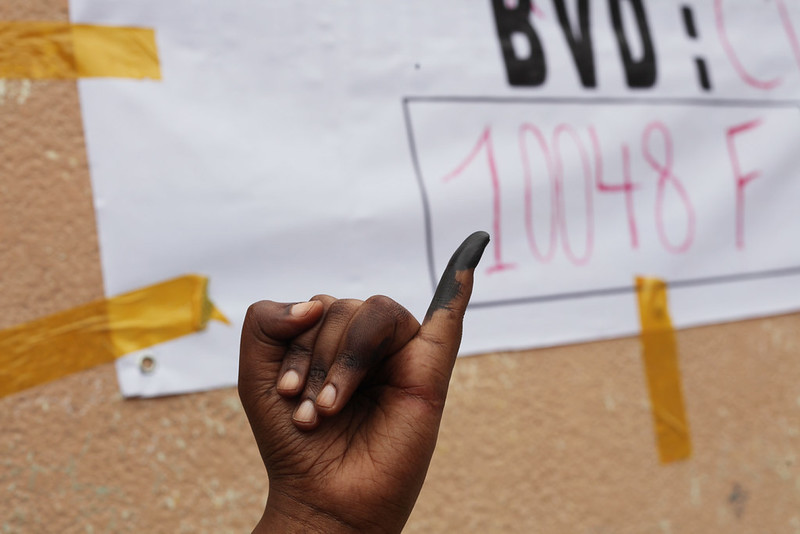
In many autocracies, elections are held in order for the rulers to claim they have the backing of the majority of citizens. But elections in these countries are neither free nor fair. Electoral fraud (interfering with the process of a fair election) and voter suppression (making voting more difficult or even impossible for some people) are tactics used by authoritarians—and even some democracies—to ensure the election result is favourable to them.
Examples of electoral fraud include barring opposition candidates from standing, deliberately destroying ballots for an opposing candidate or "ballot stuffing" (ensuring the favoured candidate in some way receives many more votes than actually cast). Examples of voter suppression range from imposing strict registration laws (making it difficult or impossible for individuals to qualify for the right to vote) to outright intimidation (say, by deploying armed individuals or cameras at polling places).

Cyber interference
Cyber interference is any attempt to digitally influence an election campaign or election result. It can take the form of spreading untrue information online and targeting vulnerable people. Following extensive investigations, it was found that the Russian government conducted a "sweeping and systematic" campaign of cyber interference during the 2016 US presidential election.
In Indian general elections, voter used electronic voting machines. Unlike paper ballot boxes, they cannot be tampered with, for example, by filling them with votes for one party. They also make it possible for people who cannot read to vote by pressing a button with the symbol of the party they wanted to vote for.