
Government

CITE
We have made every effort to follow citation style rules, but there may be some minor differences. If in doubt, please refer to the appropriate citation style manual.
Democracy. (2026). In Q-files Encyclopedia, Geography, Government. Retrieved from
https://www.q-files.com/geography/government/democracy
"Democracy." Geography, Government, Q-files Encyclopedia, 26 May. 2026.
https://www.q-files.com/geography/government/democracy.
Accessed 6 Nov. 2026.
Democracy 2026. Geography, Government. Retrieved 6 November 2026, from
https://www.q-files.com/geography/government/democracy
Geography, Government, s.v. "Democracy," accessed November 6, 2026.
https://www.q-files.com/geography/government/democracy


Democracy
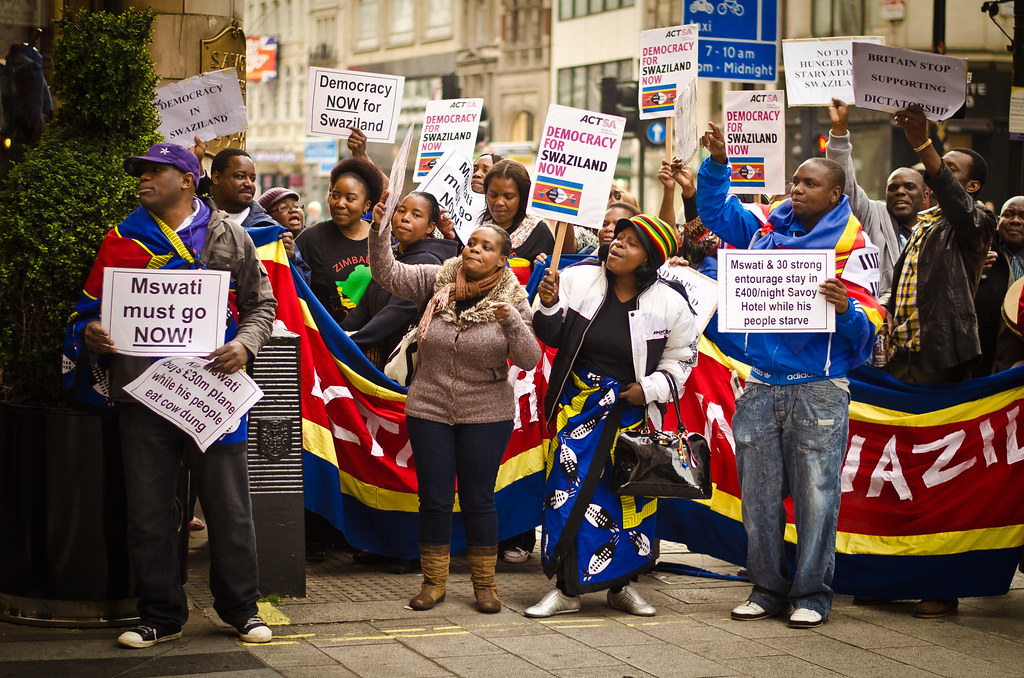
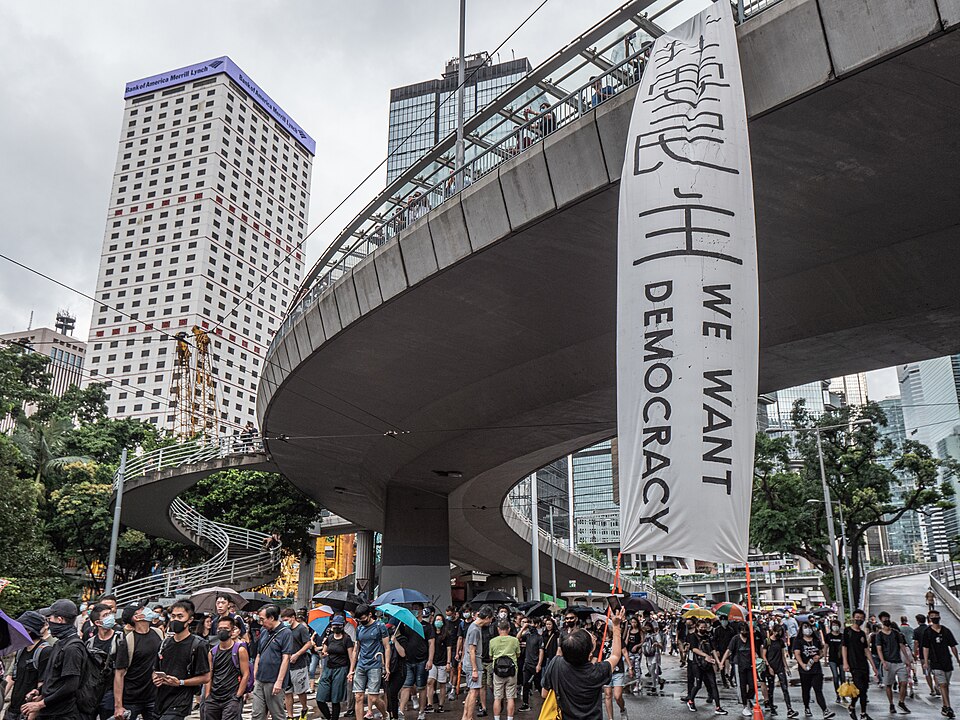
Democracy is a style of government where a country’s people have a say in how their government runs. A key feature of a democracy is voting at an election, a process in which people choose a candidate to represent them in government. Most Western countries have a liberal democracy, a style of government where there are candidates from several different political parties. The ancient Greeks were the first to invent a system of democracy in the 6th century BC. A group of male citizens met to vote on matters relating to the city of Athens and how it was run. Today, a true democracy includes all its citizens, allowing everyone above a certain age the right to vote. The United Nations defines a democratic society as one that respects the human rights and freedoms of its citizens.

Direct democracy
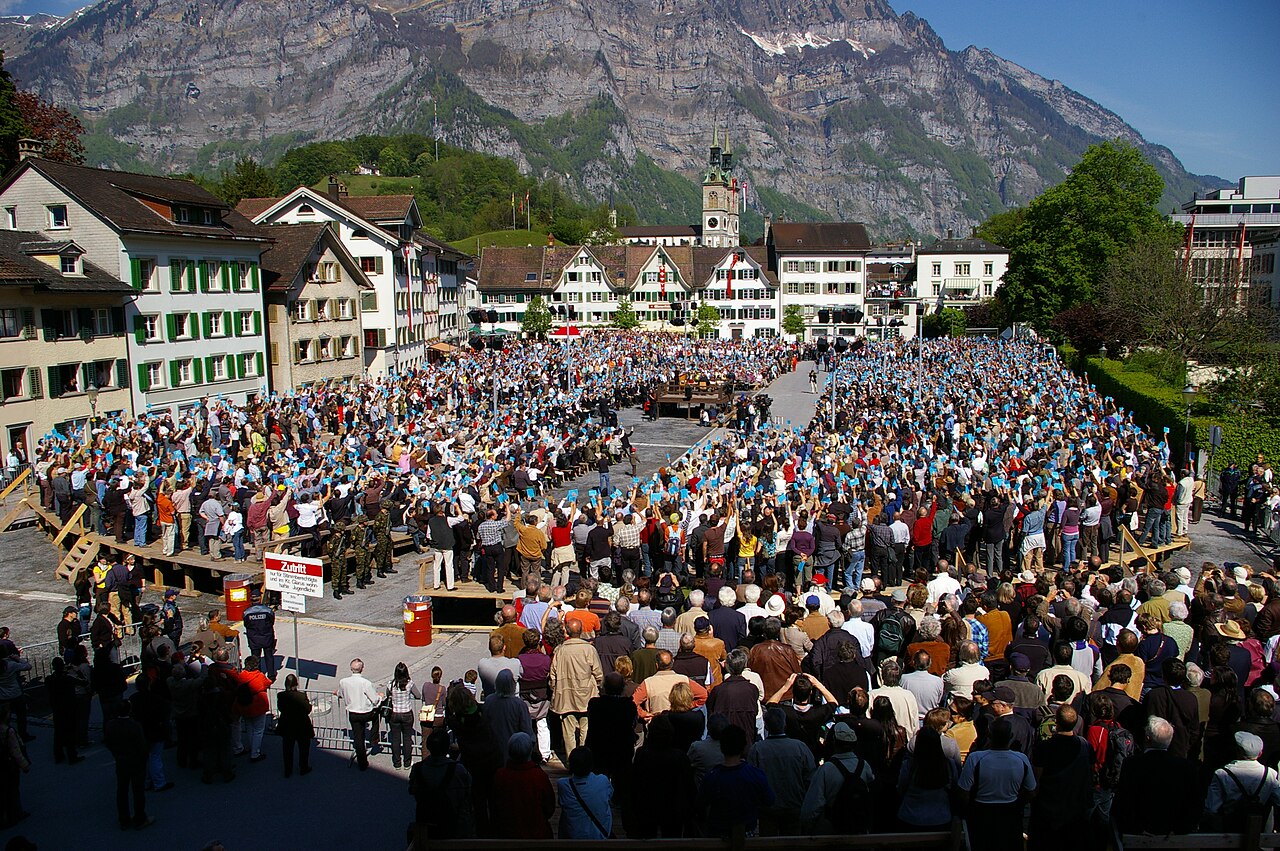
In a direct democracy, the people meet to directly make decisions on the issues that affect their country, state, group or society. A small number of citizens is picked at random to represent the larger group. The original Athenian democracy was a direct democracy, with Athenian citizens picked in a lottery to participate in government. Today, countries are too large to be governed this way, and so their citizens elect representatives to act and vote on their behalf instead. But they still sometimes use methods of direct democracy, such as referendums—questions put to a country’s people to ask what the government should do.
Representative democracy
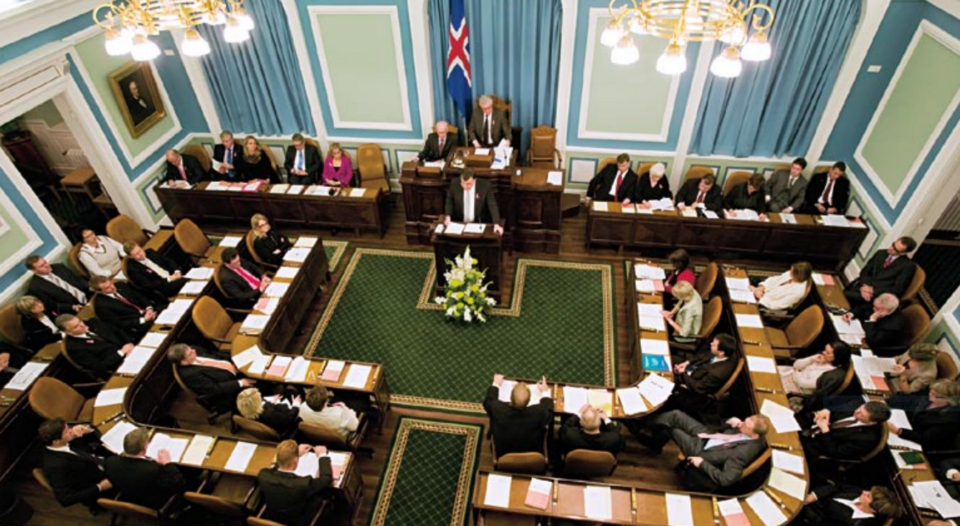
Representative democracy is the most common form of democracy today. In a representative democracy, people elect representatives to vote and speak on their behalf in a parliament or congress. In the UK, these are MPs, while in the USA, they are known as Members of Congress. In the European Parliament, they are MEPs. Citizens can contact their representative to tell them about issues that they would like the government to address. In a democratic society, anyone above a certain age can usually put themselves forward to stand as a representative.
Majority rule
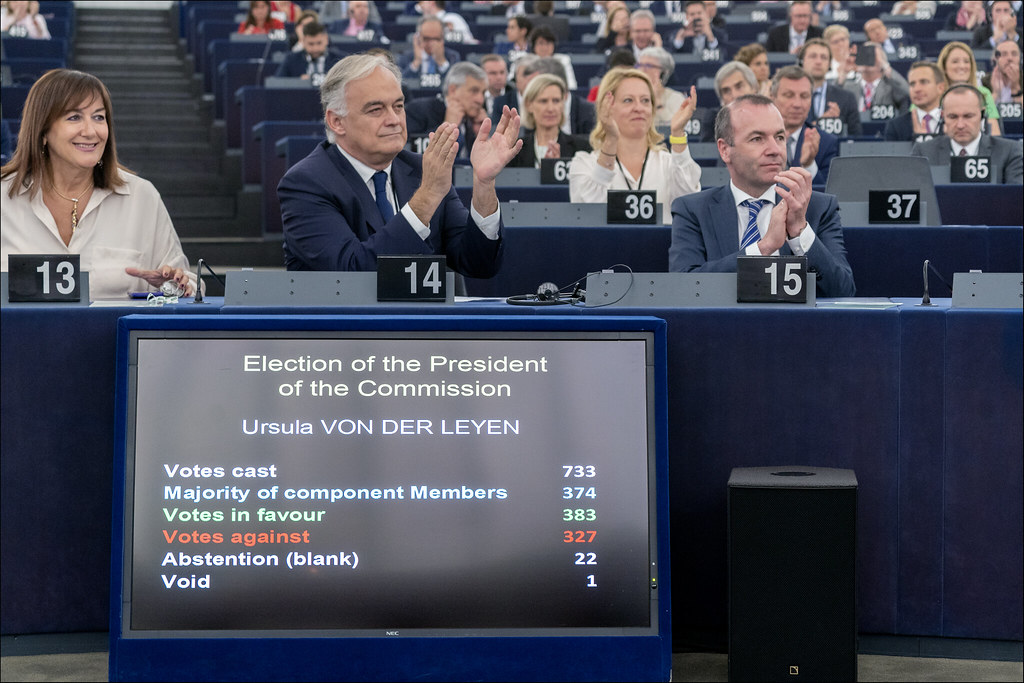
The usual way for a democracy to make decisions is based on an idea called “majority rule”. This means that it will adopt whichever idea has the most support. In parliament or congress, decisions are usually made by calling the representatives to vote. After the votes are counted, the answer with the highest number of votes—the "majority vote"—is the one chosen.
The right to vote
A democracy means that everyone can vote. But throughout history, governments have withheld the right to vote, called suffrage, from certain groups. The first democracies allowed a vote only to people who were wealthy, or those who owned property. They excluded women, as well as poor people and slaves. During the 18th and 19th centuries, democracies began to change the rules (or were pressed to do so by their citizens) to extend the vote to all men, whatever their age, race or religion.


Women’s suffrage
At the end of the 19th century, protests by suffragists began to secure votes for women in New Zealand and Australia. In the early 20th century, women were given the right to vote in some European countries. In the USA, universal women’s suffrage was introduced in 1920, while in the UK the 1918 Representation of the People Act gave women over 30 the vote. Voting rights in the UK finally became equal, with every man and woman over 21 eligible to vote, in 1928.
Universal suffrage gradually followed across the rest of the world. Today, nearly every democratic country in the world agrees that all men and women over 18 years old (the “age of majority”) have the right to vote, but there are still some exceptions.

History of democracy
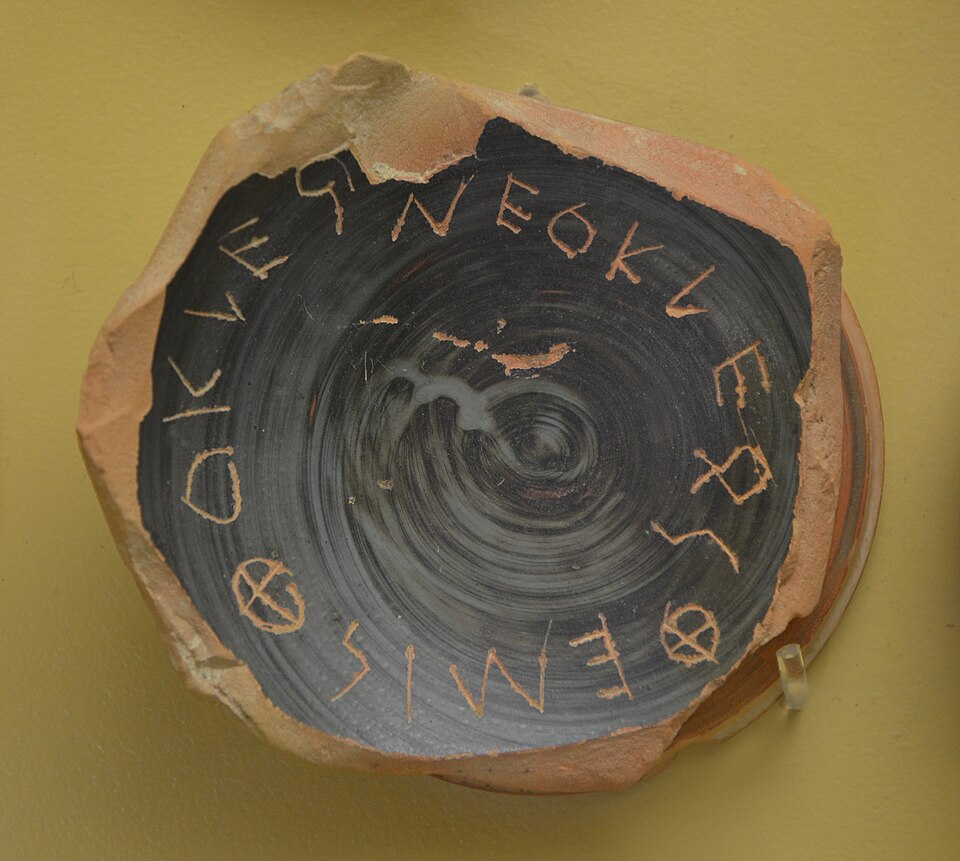
The ancient Greek city-state of Athens set up the world’s first system of democracy in the 6th century BC, led by a nobleman called Cleisthenes. A randomly-selected group of free men of Athens (those who owned property) met to speak and vote on how the city should be run.
While most countries in Europe during the Middle Ages were ruled by monarchs, barons or churchmen, in Viking lands there were assemblies, known as things, which made laws and settled disputes. Presided over by a lawspeaker, or judge, a thing met regularly to elect chieftains and make judgments according to laws. The members of a thing, a small number of free men, represented the interests of the local people. The Icelandic Althing, which first met in 930 AD is considered to be the oldest surviving parliament in the world.
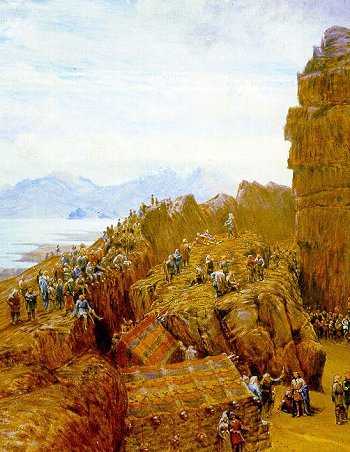
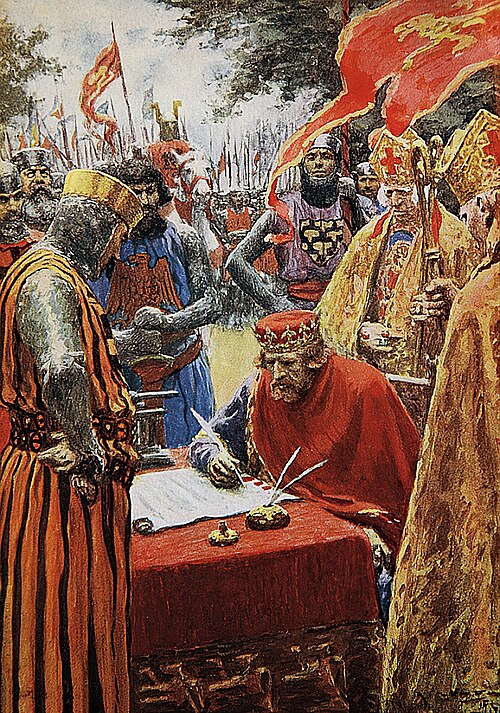
Restrictions on the power of kings first emerged in England in the 13th century. In 1215, King John was forced to sign what became known as Magna Carta, a list of 63 rules for the citizens of England to follow, including himself. The charter was the first treaty to state that the sovereign was not above the law, and that an individual's rights were to be upheld, even if it was against the sovereign’s wishes.
In 1265, during the reign of King Henry III, England’s first parliament was called. It was made up of not just the lords and churchmen but also four knights from each county and two citizens from each major town, called burgesses. By 1430, English people could vote for a representative to represent their town in parliament—but only rich landowners, who were always men, could vote.

An early form of democracy emerged in Poland in the 15th century, where the szlachta, a class of lesser nobles, wanted to increase their power at the expense of the highest lords of the land. They formed local assemblies, called sejmiks. In 1454, King Casimir IV granted the sejmiks the right to decide on taxes. He also pledged not to create new laws without their consent. By the 16th century, the szlachta had acquired democratic rights, known as Golden Liberty, for a far larger proportion of the population in what was now the Polish-Lithuanian Commonwealth than anywhere else in Europe.
The Bill of Rights became law in England in 1689. It was a document that set out the way that parliament should operate fairly, and limited the powers of the monarch. Its democratic ideas soon spread across Europe and by the late 1700s they had influenced law in the newly independent United States.
In 1789, following the French Revolution, France adopted the Declaration of the Rights of Man and of the Citizen. One of its articles stated that the government should be carried out by elected representatives. Although it lasted for only three years, the National Convention was elected by men from all classes in 1792.

Alternatives to democracy
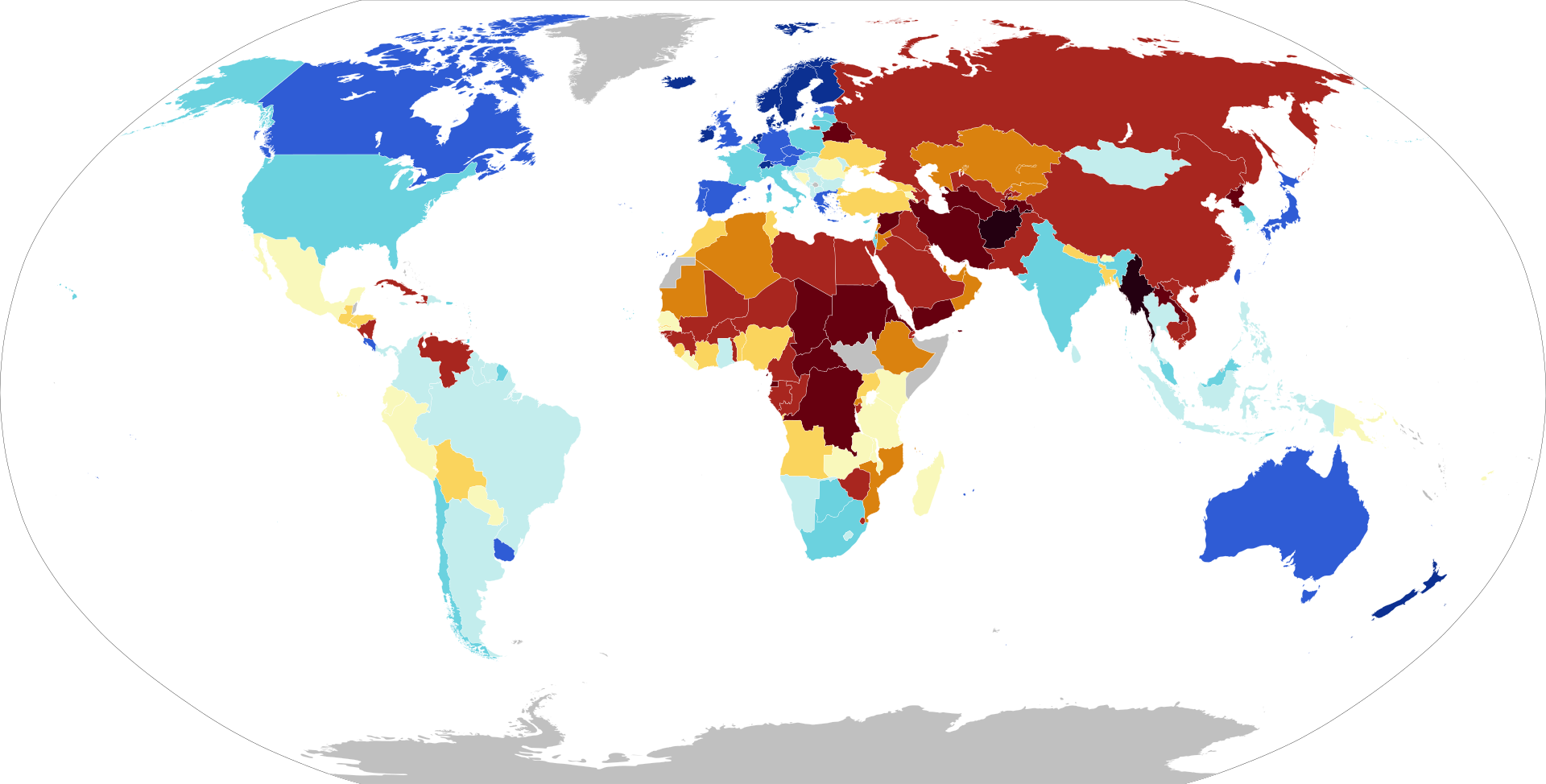
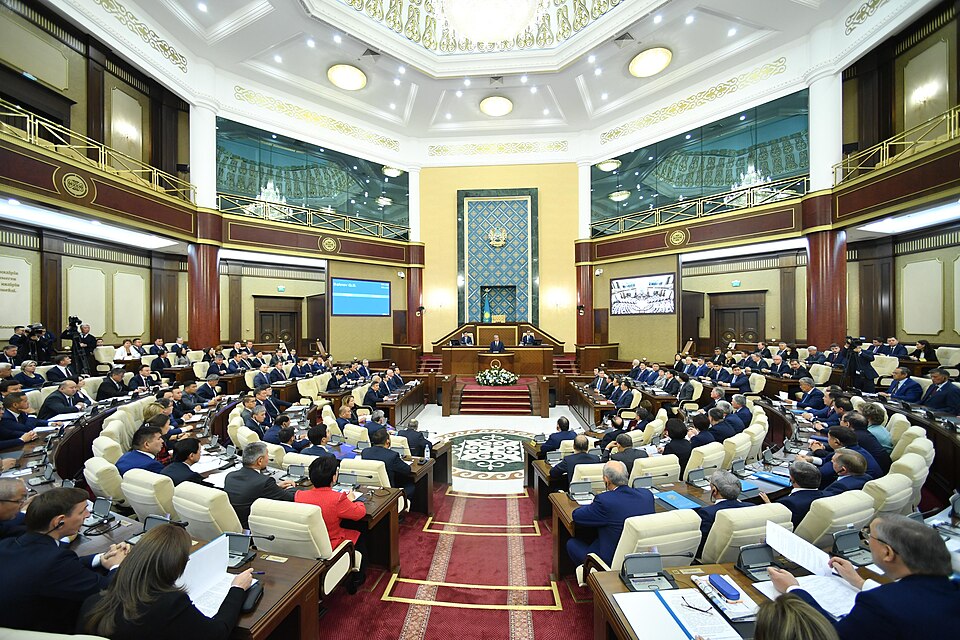
The opposite of a democracy is an autocracy. Examples of autocracies are systems such as absolute monarchy, where a king or queen has total power over a whole country, or dictatorship, where one individual holds power and controls the country without the contribution of others.
Oligarchy is when only a handful of people hold power over an entire country—either because they are wealthy, or part of a religious or royal group. A form of oligarchy is a plutocracy, a society that is ruled by people of great wealth.
Free press
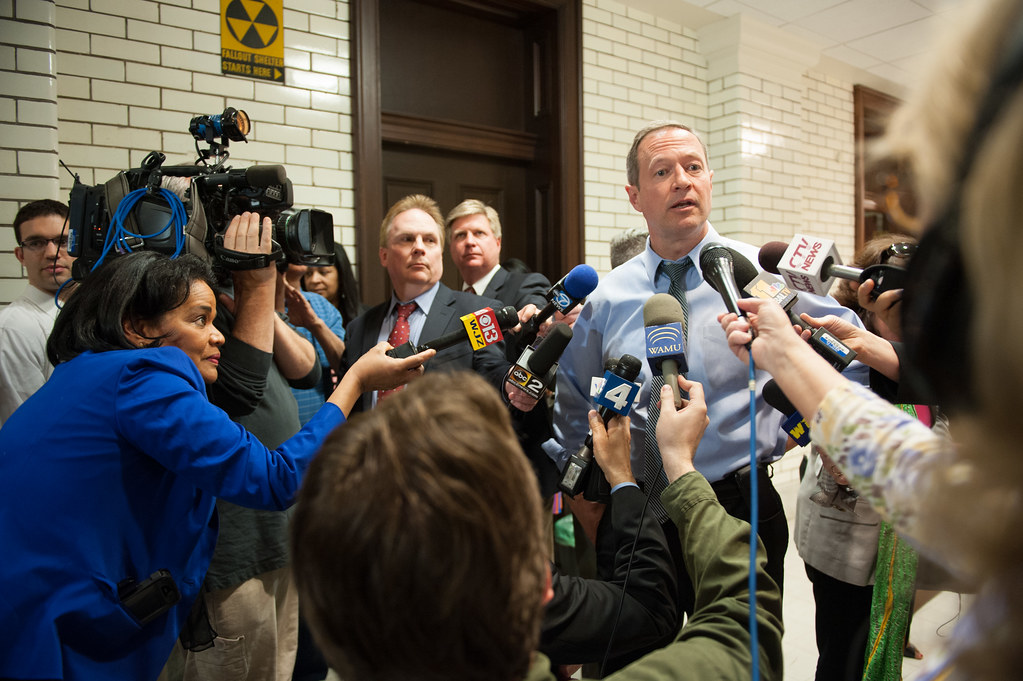
When a country has a free press (including newspapers, broadcasters and online platforms), its journalists are free to put forward their views independently of the government. A free press is important in a democratic society because it makes it possible for people to discuss whether the government is representing them properly. When a country’s government controls (“censors”) its media, only stories that show the government and its ideas in a positive light are broadcast or published. This stops people getting the information they need to make their own decisions about how they want their country to be run.
Threats to democracy
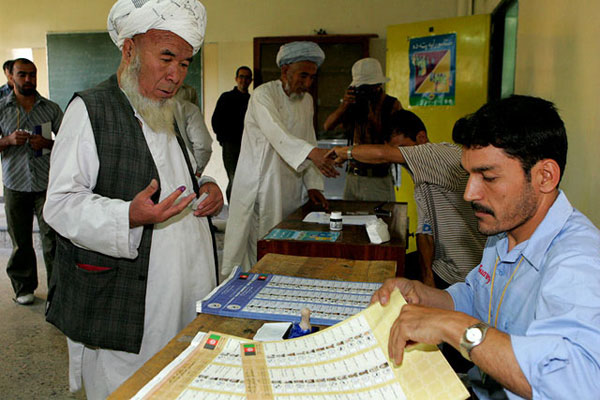
Public opinion across much of the world tends to strongly favour democratic government over the alternatives. People who live in democratic countries have greater economic prosperity as well as higher levels of health and education compared to those who do not. They have other rights that are withheld from citizens of autocracies, including the right to free speech, to criticize government and to a receive a fair trial if accused of a crime.
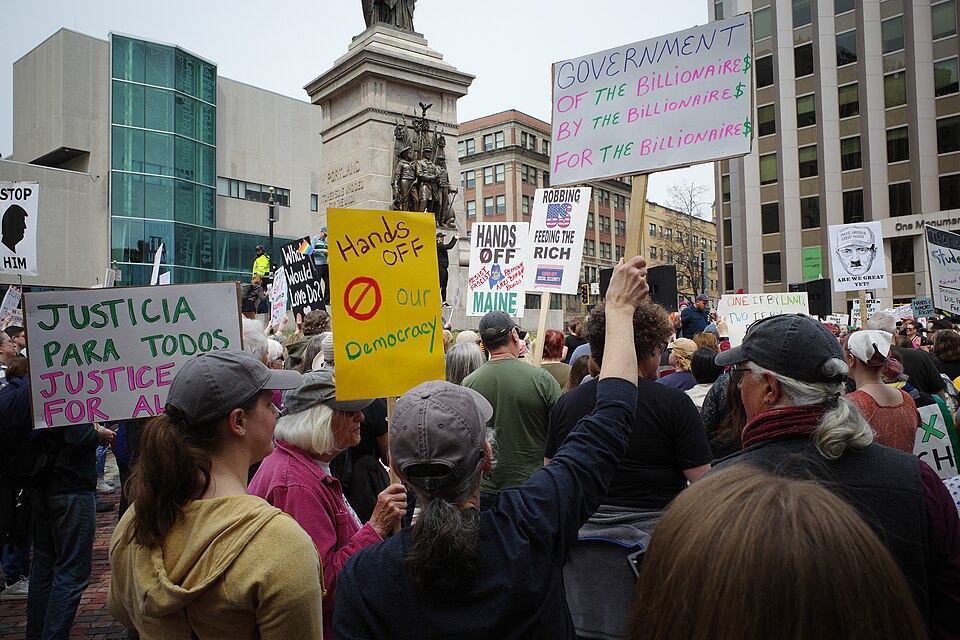
The biggest threat to democracy comes from authoritarians, those who seek to gain total control of government without being elected by a majority vote. High levels of inequality, coupled with stagnant (not rising) wages and a fear of losing employment, make the public more likely to believe promises from populist leaders—those who claim to represent "the people", but are in fact intent on abolishing democracy. Populists encourage the spread of false information—enabled by, for example, social media and tools such as AI—and attack or undermine their critics in the media.
Opponents of democracy encourage the lowering of public trust in institutions such as parliament and the legal system, which can lead to dissatisfaction with the democratic process. After having been elected, they find ways to gradually weaken the checks on their power, such as the law courts and free media. These ways are often legal, for example, introducing restrictions on who can vote.
Autocracies such as Russia and China, which seek to weaken their Western democratic rivals, may use disinformation tactics and cyber warfare (digital attacks on other nations' computers, networks or infrastructure) to pursue their goals.
pics
Without in any way limiting Q-files Ltd’s exclusive rights under copyright, any use of this publication to “train” generative artificial intelligence (AI) technologies to generate text is expressly prohibited. Q-files Ltd reserves all rights to license use of this work for generative AI training and development of machine learning language models.