
EASY READ The animal kingdom

CITE
We have made every effort to follow citation style rules, but there may be some minor differences. If in doubt, please refer to the appropriate citation style manual.
EASY READ How do birds live?. (2026). In Q-files Encyclopedia, Life, EASY READ The animal kingdom. Retrieved from
https://www.q-files.com/life/easy-read-the-animal-kingdom/easy-read-how-do-birds-live
"EASY READ How do birds live?." Life, EASY READ The animal kingdom, Q-files Encyclopedia, 23 Mar. 2026.
https://www.q-files.com/life/easy-read-the-animal-kingdom/easy-read-how-do-birds-live.
Accessed 13 Sep. 2026.
EASY READ How do birds live? 2026. Life, EASY READ The animal kingdom. Retrieved 13 September 2026, from
https://www.q-files.com/life/easy-read-the-animal-kingdom/easy-read-how-do-birds-live
Life, EASY READ The animal kingdom, s.v. "EASY READ How do birds live?," accessed September 13, 2026.
https://www.q-files.com/life/easy-read-the-animal-kingdom/easy-read-how-do-birds-live


How do birds live?
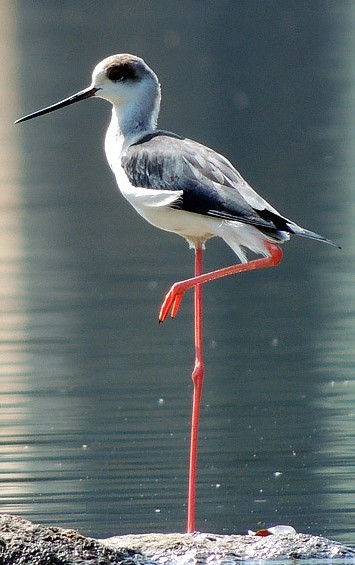
Birds are the only animals that have feathers. They have an inner layer of short, soft feathers called down. These are covered by long, smooth feathers, which also make up their wings. Feathers keep the birds warm and dry. All birds are warm-blooded. They have a pair of wings, two legs, a toothless beak and claws. They lay hard-shelled eggs. Most birds can fly, but a few, such as the ostrich and the penguin, cannot. Most birds make sounds, or calls. Some birds produce patterns of notes that are like songs. Many birds travel long distances to warmer places to spend winter. This is called migration.

Beaks
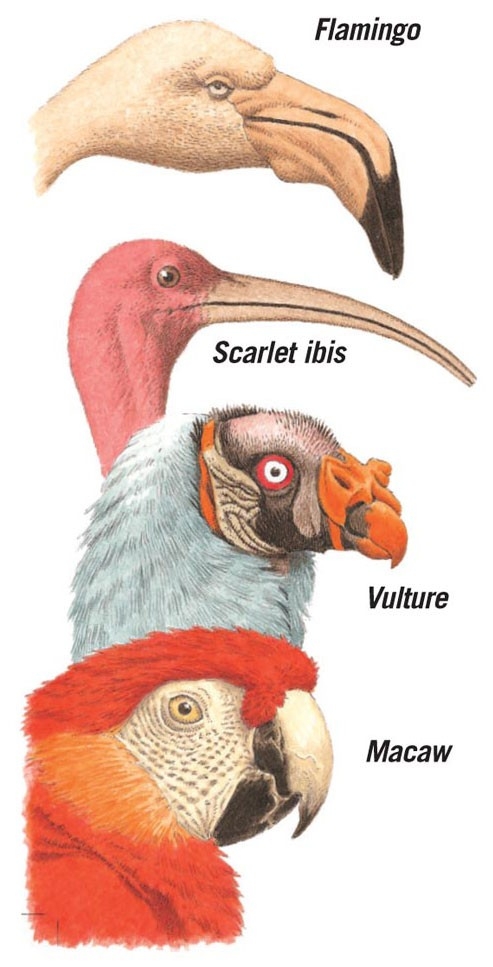
You can often tell what a bird eats from the shape of its beak (sometimes called a bill). The flamingo holds its head upside down in shallow water and uses its beak to sieve out tiny animals from the water. It uses its tongue to push the water out through tiny comb-like “hairs”, leaving the food behind.
The scarlet ibis has a long bill to stab down through the water as it wades, while the vulture tears meat with its strong, hooked beak. The macaw’s short, powerful beak cracks open hard seeds. The toucan uses its massive beak to grasp fruit.

Feet
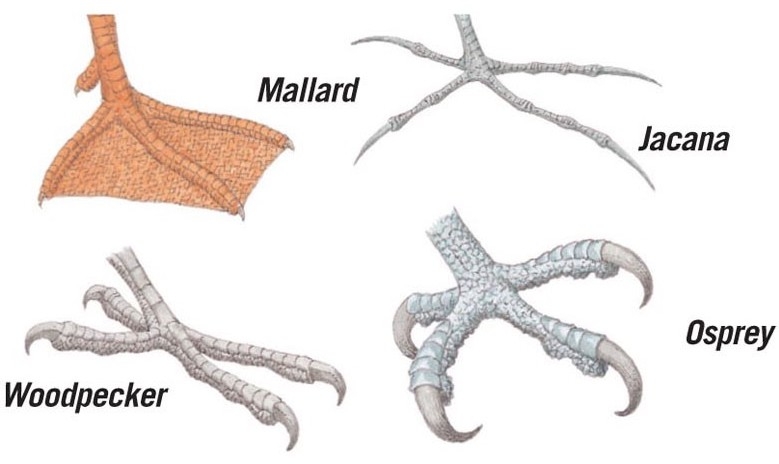
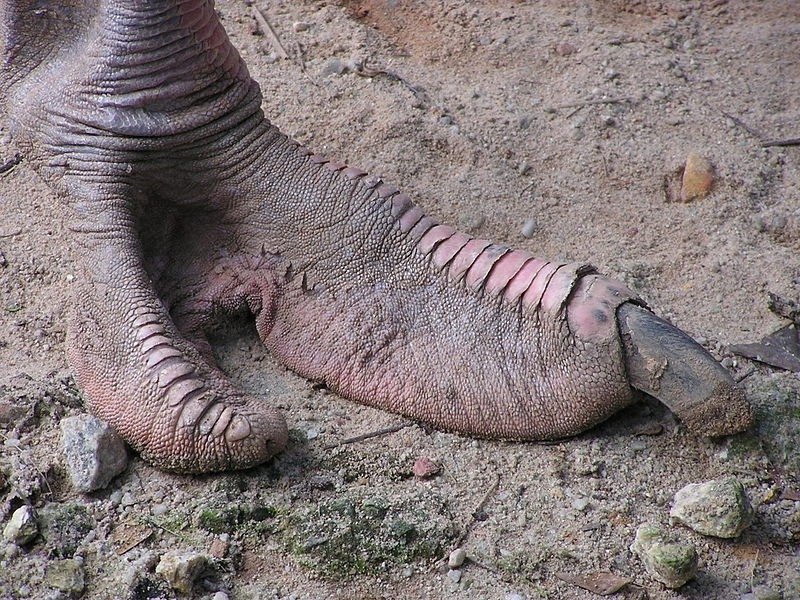
Birds’ feet vary enormously from one kind to another. Mallard ducks have webbed feet to help them push their way through the water. The jacana has extremely long toes which allow it to walk on lilypads floating on the water's surface. A woodpecker uses its strong claws to grip on to tree trunks. The soles of the osprey’s feet are covered with tiny spikes to help it grasp slippery fish.

Flight
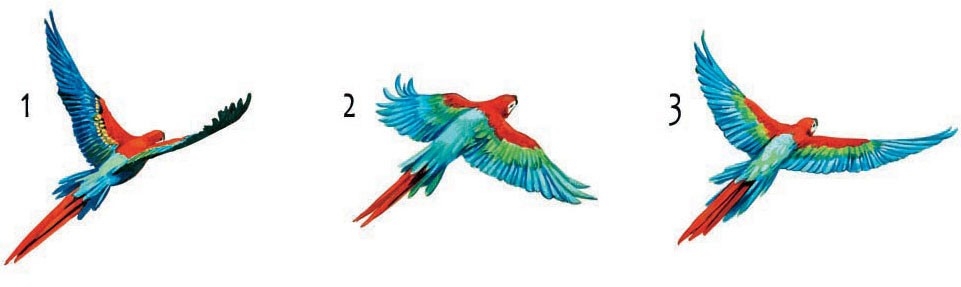
Birds, insects and bats are the only animals that can fly. Birds have very light bones and strong wing muscles in their chests. They use their feather-covered wings to soar, hover, or power themselves through the air.
Nests
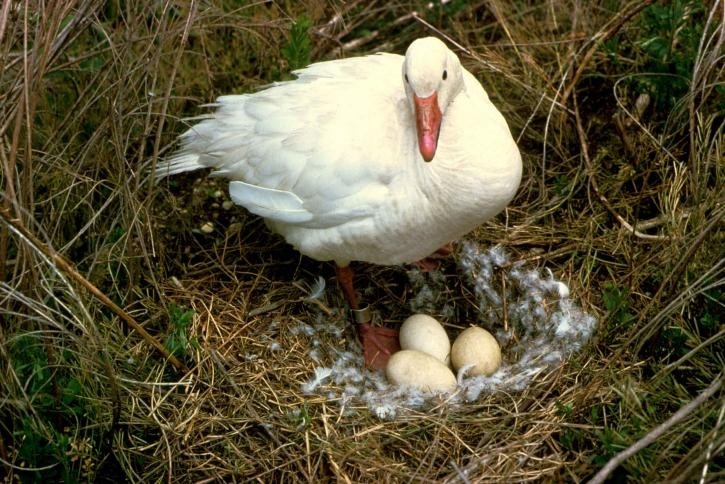
Birds lay their eggs in trees, burrows, ledges, or on the ground. But most build nests. They build them in places that are hidden away, or out of reach of predators. Some collect twigs or blades of grass and weave them together. Others make nests from mud, spit or rocks. The female bird usually sits on the eggs to keep them warm until they are ready to hatch. Then the baby bird pecks open the eggshell and comes out into the world.
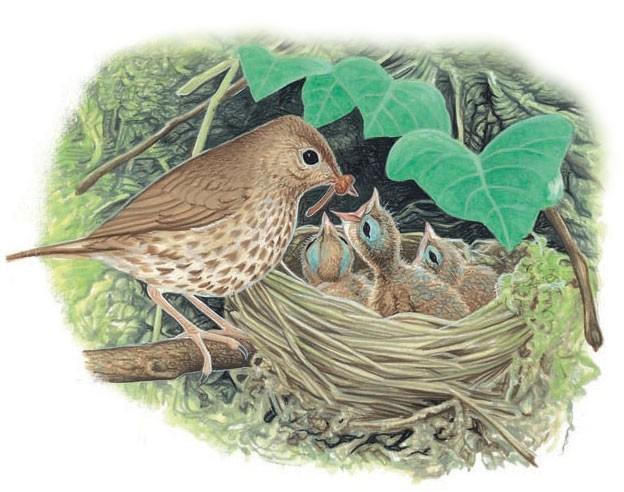

Tailorbirds sew the edges of leaves together to make a nest shaped like an envelope. The weaver is a skilled nest-builder. It gathers up strips of leaves and weaves them into a deep pouch. The finished nest hangs from a branch. Grebes build floating nests. An attacker would have to swim to reach it. Golden eagles make their nests high in trees or on rock ledges.
Consultant: Chris Jarvis
Ready to find out more?
Here are some pages in other parts of Q-files you might like to explore:
Birds
Bird anatomy A-Z
Why do birds sing?
Birds of prey
Penguins
Sea birds
pics
Without in any way limiting Q-files Ltd’s exclusive rights under copyright, any use of this publication to “train” generative artificial intelligence (AI) technologies to generate text is expressly prohibited. Q-files Ltd reserves all rights to license use of this work for generative AI training and development of machine learning language models.