
EASY READ The animal kingdom

CITE
We have made every effort to follow citation style rules, but there may be some minor differences. If in doubt, please refer to the appropriate citation style manual.
EASY READ Why are many animals endangered?. (2026). In Q-files Encyclopedia, Life, EASY READ The animal kingdom. Retrieved from
https://www.q-files.com/life/easy-read-the-animal-kingdom/easy-read-why-are-many-animals-endangered
"EASY READ Why are many animals endangered?." Life, EASY READ The animal kingdom, Q-files Encyclopedia, 23 Mar. 2026.
https://www.q-files.com/life/easy-read-the-animal-kingdom/easy-read-why-are-many-animals-endangered.
Accessed 30 Oct. 2026.
EASY READ Why are many animals endangered? 2026. Life, EASY READ The animal kingdom. Retrieved 30 October 2026, from
https://www.q-files.com/life/easy-read-the-animal-kingdom/easy-read-why-are-many-animals-endangered
Life, EASY READ The animal kingdom, s.v. "EASY READ Why are many animals endangered?," accessed October 30, 2026.
https://www.q-files.com/life/easy-read-the-animal-kingdom/easy-read-why-are-many-animals-endangered


Why are many animals endangered?
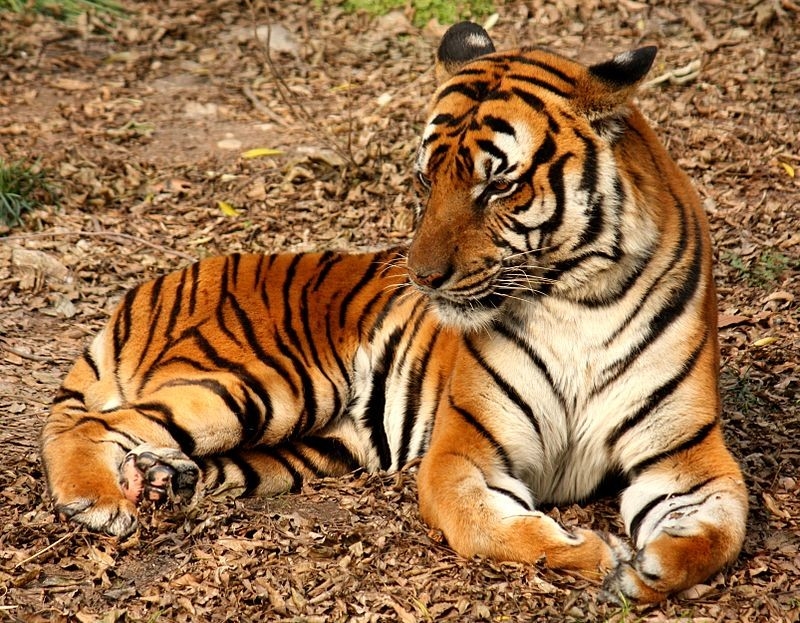
Animals sometimes go extinct naturally. Since humans appeared on Earth, however, many more animals have gone extinct. In recent years, extinctions are happening much more frequently than ever before. Many animals are endangered (at risk of going extinct) because of hunting, poaching or the destruction of their habitats. Some of the best-known animals in the world today, such as the tiger, rhinoceros or the gorilla, are in danger of extinction. Many lesser-known kinds are also under threat.


Hunting
People have always hunted animals for food, but sometimes this results in animals dying out altogether. This is called “over-hunting”. Many kinds of whale almost became extinct in the past. Now whales are mostly protected.
Island animals, especially flightless birds such as the giant moa, proved easy targets for the first human settlers and quickly went extinct.
Poaching
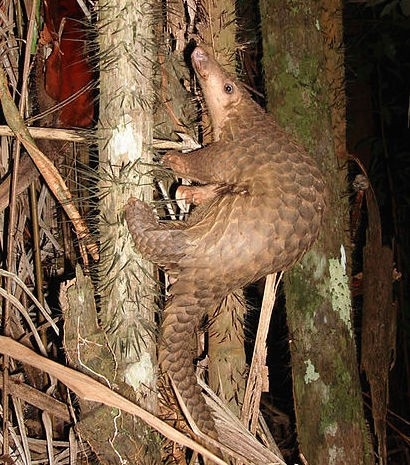
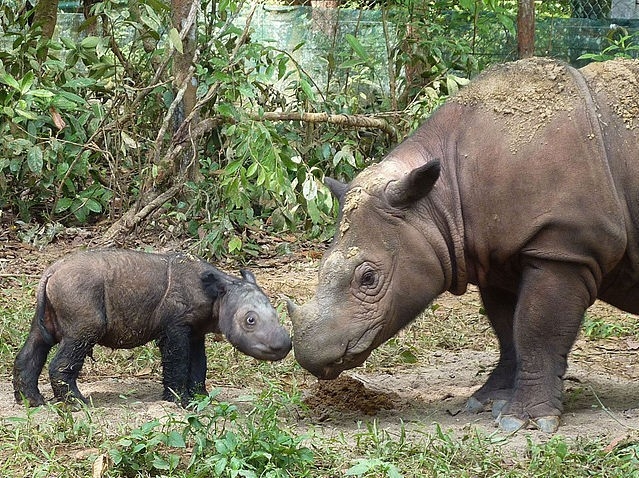
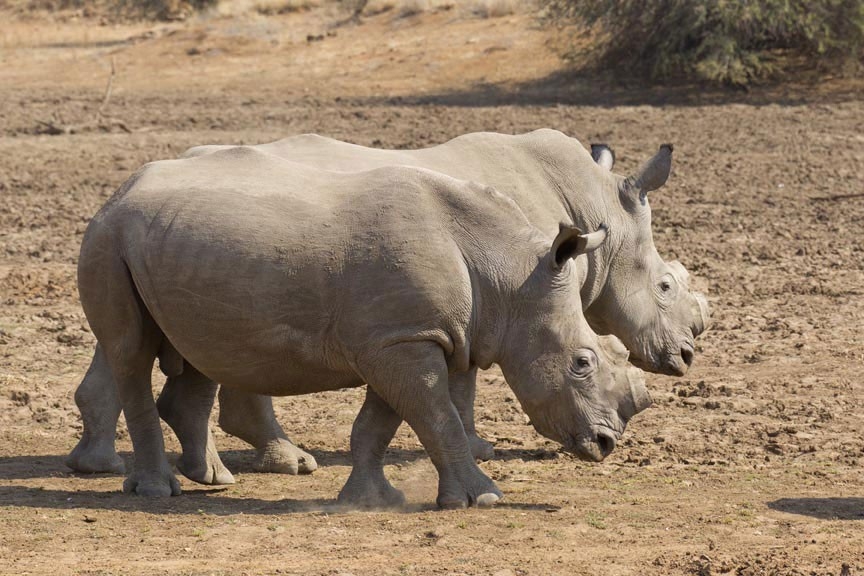
The trade in animal skins or certain body parts has reduced the numbers of many mammals. Traditional Chinese Medicine uses a number of animal products. As a result, some animals have become extremely valuable to poachers. Rhinoceroses in Africa and Asia are killed for their horns. Pangolins are hunted for their scales. In India, reserves have been set up with wardens who guard tigers against poachers.
Elephants are killed for their ivory tusks, which are made into ornaments. Young apes are taken for the pet trade, while the adults in their group are killed.

Habitat loss
Loss of habitat also puts many animals in danger. As more and more tropical rainforests are cleared to make way for crop or cattle farming, animals have nowhere to move to. There may not be enough food for them, so they die out.
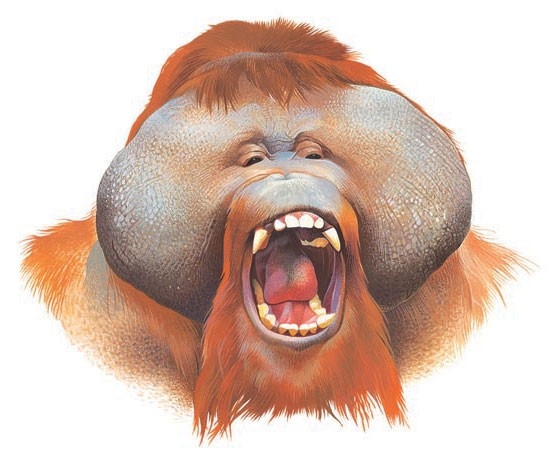
Tree-felling goes on in Indonesia, for example, to make way for oil palm plantations. Orang-utans live in small areas of rainforest in Borneo and Sumatra. They may die out altogether if the forest destruction continues.
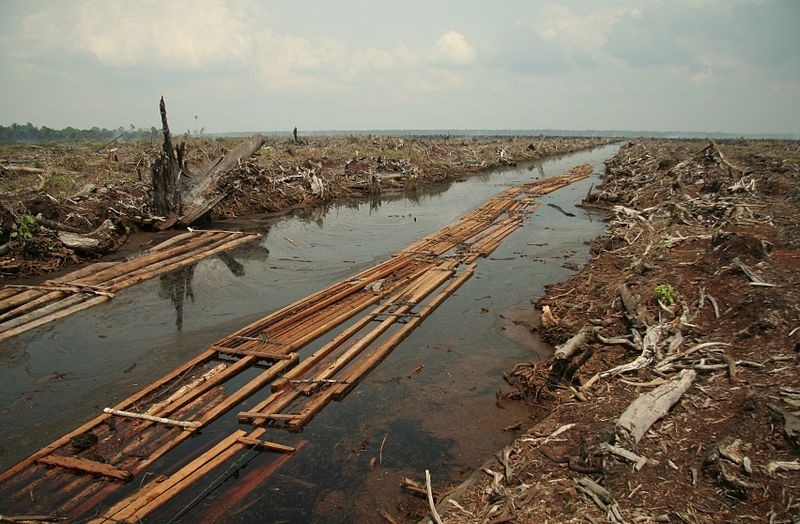

Habitat loss is also a result of climate change. Global warming is causing ice in the polar regions to melt, threatening the survival of polar bears. The warming of the oceans is also harmful to coral reefs, on which a very large number of sea creatures depend.
Conservation
Efforts to save animals from extinction are called conservation. Nature reserves have been set up all over the world. The wardens guard the animals against poachers. Breeding programmes are carried out in zoos to try to increase the numbers of endangered animals. If they are successful, the animals can be released into the wild.
Consultant: Chris Jarvis
Ready to find out more?
Here are some pages in other parts of Q-files you might like to explore:
Endangered species
Mass extinction?
pics
Without in any way limiting Q-files Ltd’s exclusive rights under copyright, any use of this publication to “train” generative artificial intelligence (AI) technologies to generate text is expressly prohibited. Q-files Ltd reserves all rights to license use of this work for generative AI training and development of machine learning language models.