
EASY READ The animal kingdom

CITE
We have made every effort to follow citation style rules, but there may be some minor differences. If in doubt, please refer to the appropriate citation style manual.
EASY READ What are reptiles?. (2026). In Q-files Encyclopedia, Life, EASY READ The animal kingdom. Retrieved from
https://www.q-files.com/life/easy-read-the-animal-kingdom/easy-read-what-are-reptiles
"EASY READ What are reptiles?." Life, EASY READ The animal kingdom, Q-files Encyclopedia, 23 Mar. 2026.
https://www.q-files.com/life/easy-read-the-animal-kingdom/easy-read-what-are-reptiles.
Accessed 31 Oct. 2026.
EASY READ What are reptiles? 2026. Life, EASY READ The animal kingdom. Retrieved 31 October 2026, from
https://www.q-files.com/life/easy-read-the-animal-kingdom/easy-read-what-are-reptiles
Life, EASY READ The animal kingdom, s.v. "EASY READ What are reptiles?," accessed October 31, 2026.
https://www.q-files.com/life/easy-read-the-animal-kingdom/easy-read-what-are-reptiles


What are reptiles?
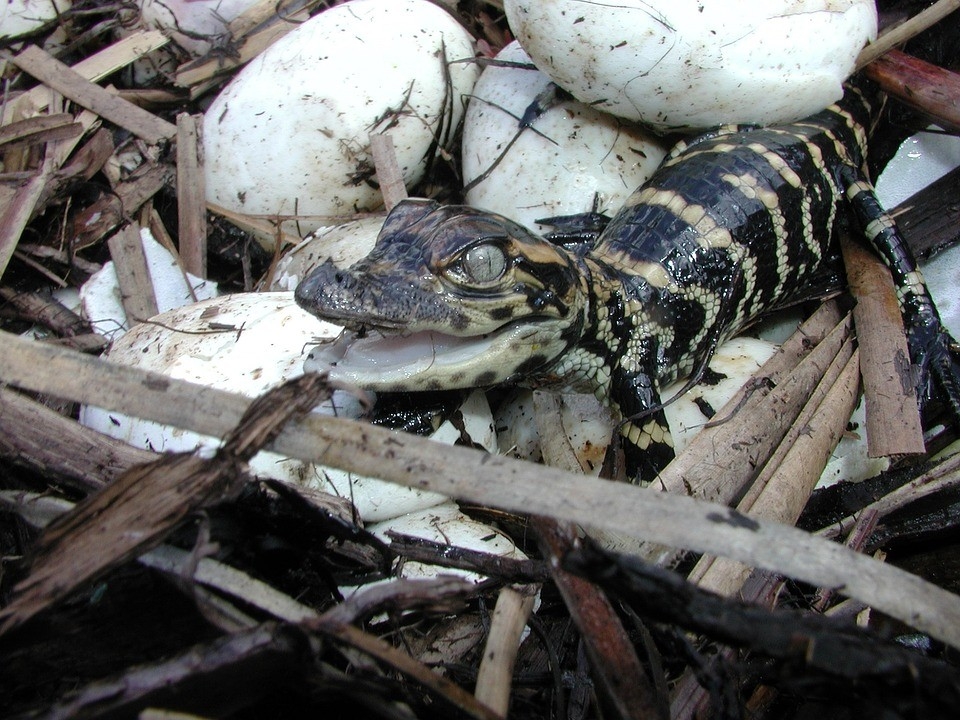
Reptiles are cold-blooded animals with scaly skins. Land-living reptiles must bask in the sun to warm up before going in search of food. They usually lay eggs, although some snakes and lizards give birth to live young. Millions of years ago, reptiles dominated the Earth. Some modern kinds have hardly changed since the days of the dinosaurs. There are four main groups of reptile: lizards, snakes, crocodilians, and turtles and tortoises.
Lizards
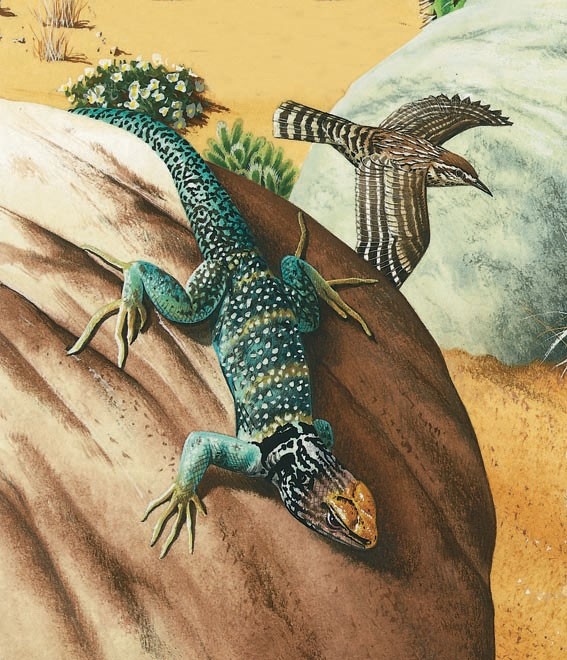
Lizards are a large group of reptiles. They include iguanas, chameleons, geckos, skinks and monitors. Lizards have thick, scaly skins. Most have four legs and a tail, although a few kinds are legless. Their eyesight is usually very sharp. Lizards have long tongues that they flick in and out. They use them to sense their surroundings.
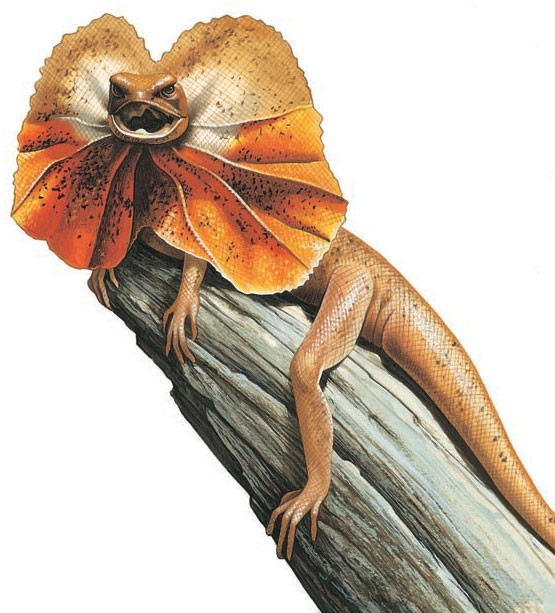
Smaller lizards have many predators. Some are camouflaged to avoid being seen, while others run away. The frilled lizard unfurls its bright orange ruff to make itself look as big and scary as possible. Several kinds can confuse their attacker by breaking off their own tails while they escape. A new tail will grow in its place.
Snakes
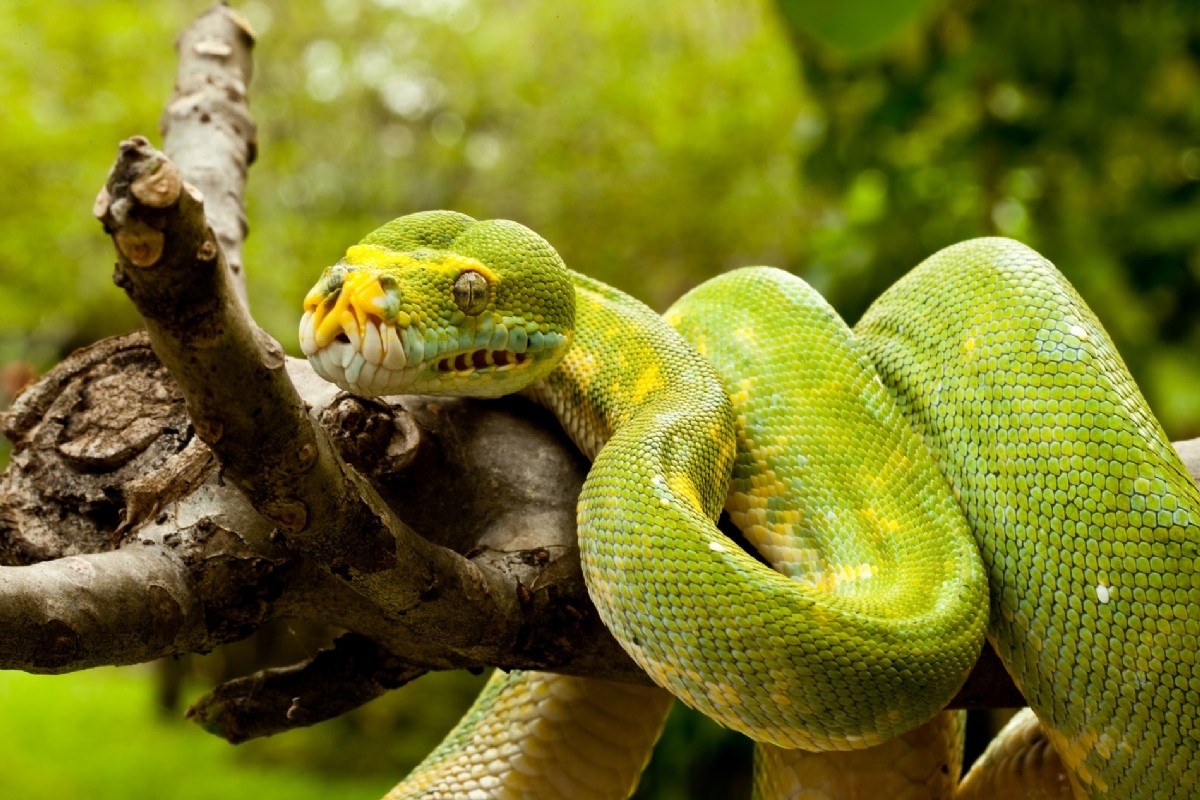
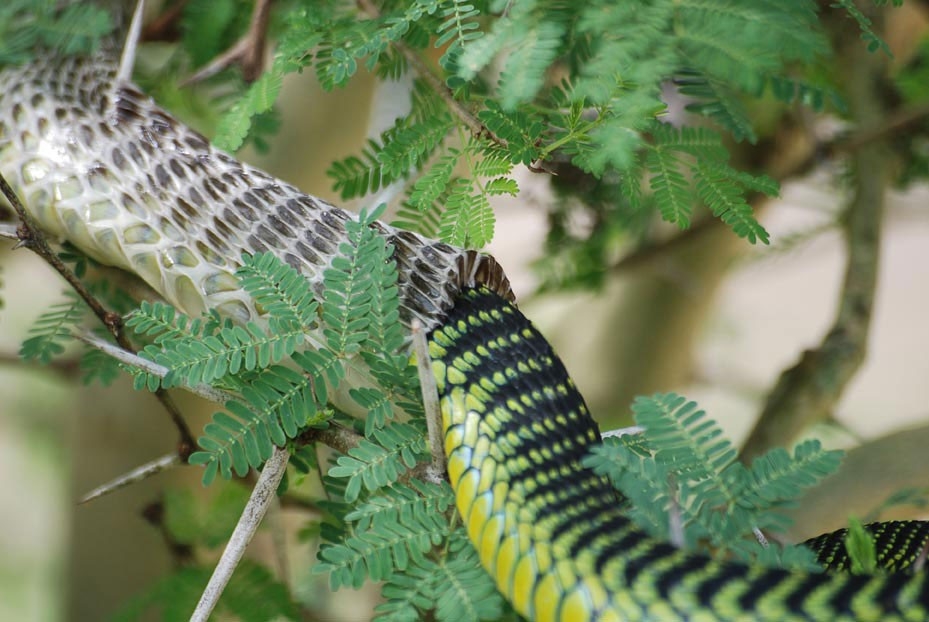
Snakes are reptiles with long, scaly bodies and tails, but no limbs. They have strong, supple bodies that allow them to move quickly, swim—and even climb trees. All snakes are carnivorous. Some use their sharp fangs to kill their prey, often with a venomous bite. From time to time, snakes rid themselves of their old, worn skin. It is replaced by a bright new layer of skin. This is called moulting.
Crocodilians

Crocodilians—crocodiles and alligators—are powerful predators. They will attack and eat other large animals, including humans. All these fierce reptiles have long, scaly bodies with thick, bony plates on their backs. They live close by rivers, lakes and estuaries in tropical regions. Their eyes, ears and nostrils are on the tops of their heads so that they can lie in wait almost completely under the water.

Turtles and tortoises
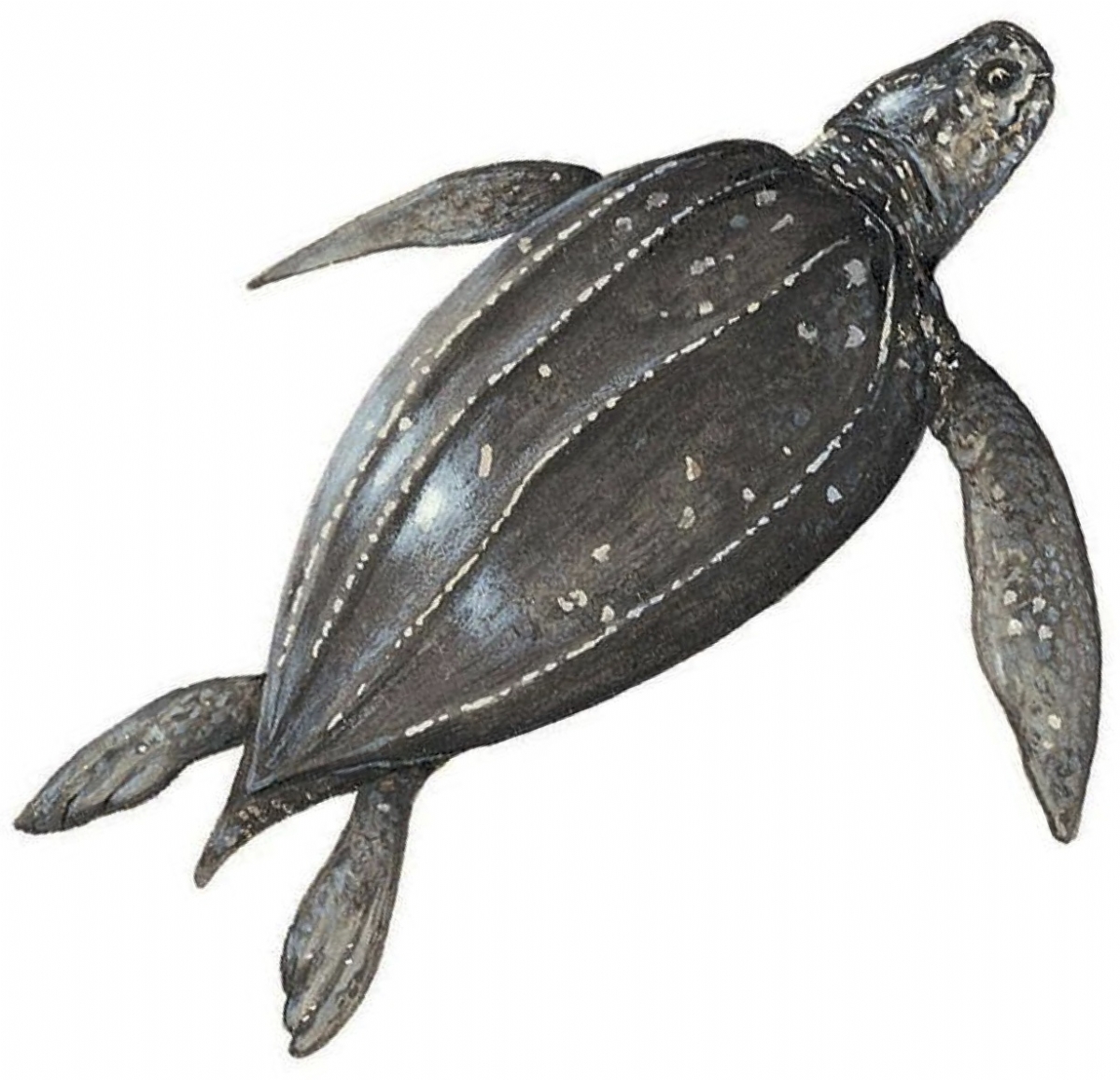
Tortoises and turtles have shells. They are made of bony plates attached to the skeleton. The shell helps protect them from their predators. Tortoises can pull their heads and legs into their shells when danger threatens. Instead of teeth, they have horny beaks.
Consultant: Chris Jarvis
Ready to find out more?
Here are some pages in other parts of Q-files you might like to explore:
Boas
Chameleons
Cobras
Green turtle
Iguanas
Komodo dragon
Pythons
Tuatara
Vipers
Reptiles A-Z
pics
Without in any way limiting Q-files Ltd’s exclusive rights under copyright, any use of this publication to “train” generative artificial intelligence (AI) technologies to generate text is expressly prohibited. Q-files Ltd reserves all rights to license use of this work for generative AI training and development of machine learning language models.