
Q-news

CITE
We have made every effort to follow citation style rules, but there may be some minor differences. If in doubt, please refer to the appropriate citation style manual.
Scientists warn that the Great Salt Lake will disappear in five years. (2023). In Q-files Encyclopedia, , Q-news. Retrieved from
https://www.q-files.com/news/scientists-warn-that-the-great-salt-lake-will-disappear-in-five-years
"Scientists warn that the Great Salt Lake will disappear in five years." , Q-news, Q-files Encyclopedia, 19 Sep. 2023.
https://www.q-files.com/news/scientists-warn-that-the-great-salt-lake-will-disappear-in-five-years.
Accessed 6 Nov. 2026.
Scientists warn that the Great Salt Lake will disappear in five years 2023. , Q-news. Retrieved 6 November 2026, from
https://www.q-files.com/news/scientists-warn-that-the-great-salt-lake-will-disappear-in-five-years
, Q-news, s.v. "Scientists warn that the Great Salt Lake will disappear in five years," accessed November 6, 2026.
https://www.q-files.com/news/scientists-warn-that-the-great-salt-lake-will-disappear-in-five-years


Scientists warn that the Great Salt Lake will disappear in five years
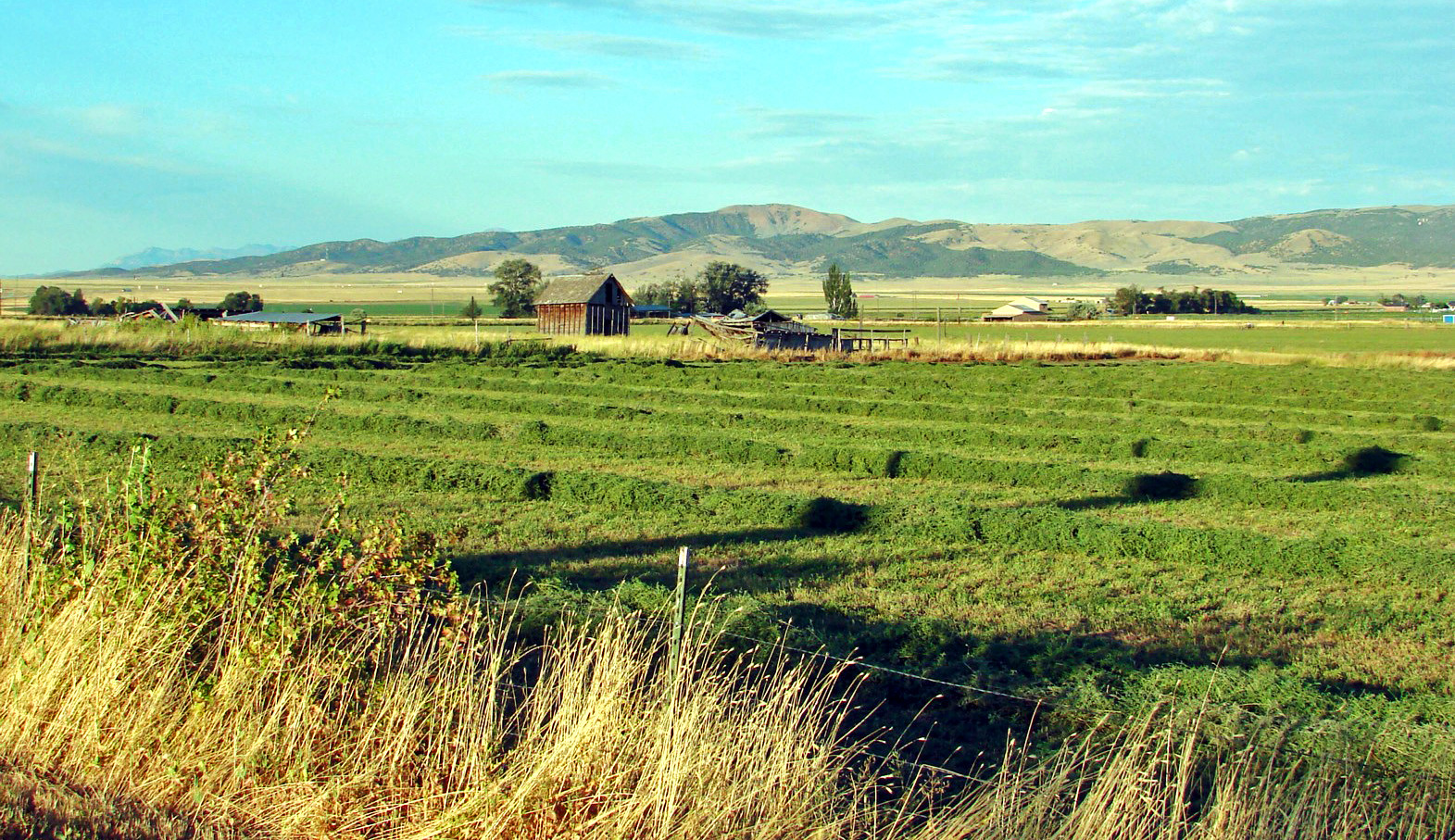
Scientists warn that, unless action is taken, the Great Salt Lake in Utah will completely disappear by 2030—if not sooner. The largest salt lake in the western hemisphere, it has already lost three-quarters of its water and has shrivelled by nearly two-thirds in area since the mid-19th century, when nearby Salt Lake City was founded by the Mormons. Three main rivers, the Bear, Jordan and Weber, supply the lake's water. Around 75% of this inflow has been diverted, via a network of reservoirs and canals, to irrigate crops, mainly alfalfa, a water-intensive crop used for animal feed. At the same time, rising average temperatures—a consequence of global warming—is both evaporating the water from the lake and reducing the amount of snow accumulating on the nearby mountains that feeds the rivers.
3rd March 2023


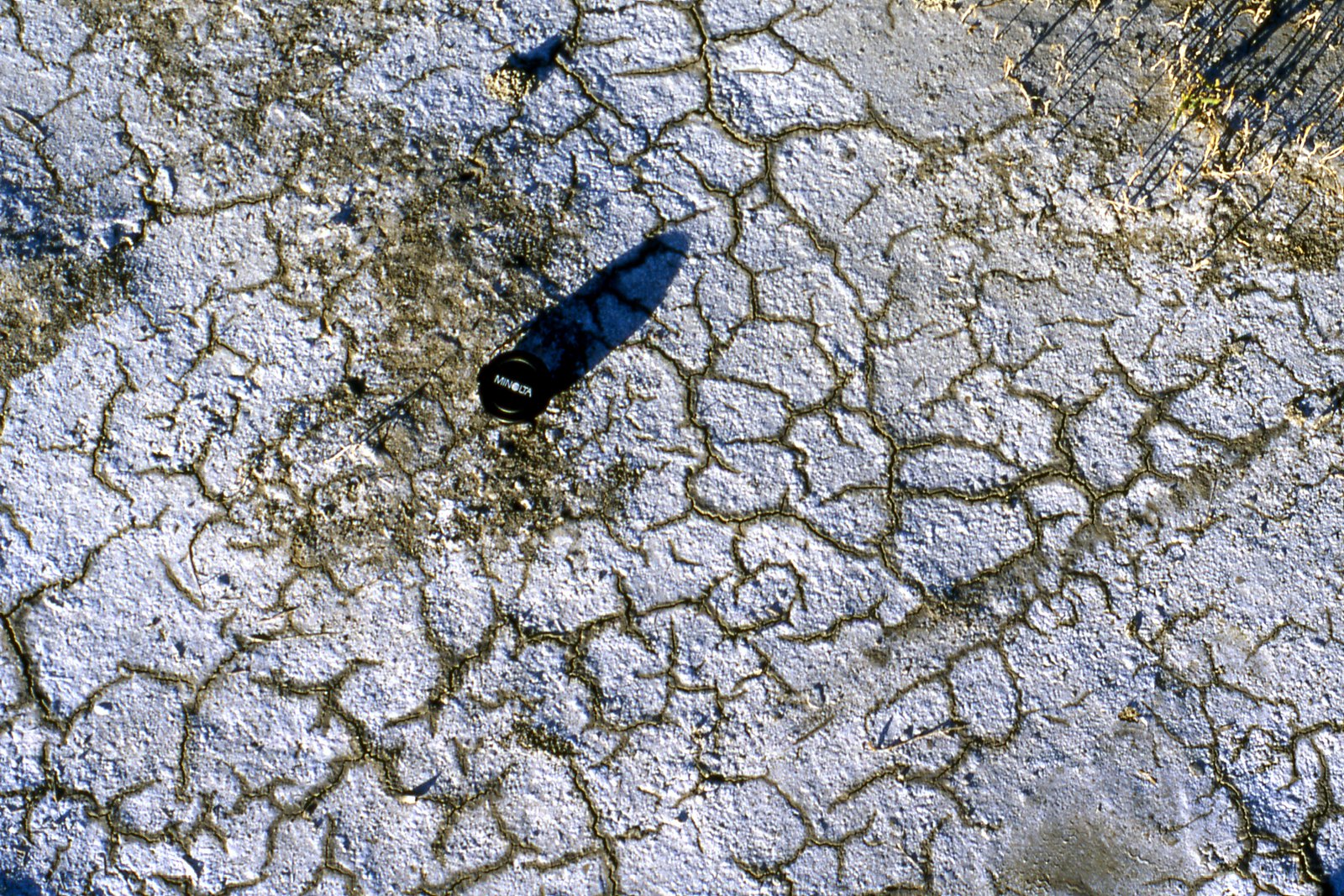
A major concern is that the salt crust overlying the dry, exposed bed of the Great Salt Lake—rapidly expanding in size—contains deposits of toxic elements such as arsenic, mercury and lead. These are picked up by winds to form poisonous clouds of dust that are then blown over residential areas to the east of the lake. About 2.4 million people, 80% of Utah’s population, live in this narrow region hemmed in between the Wasatch Range and the lake. The amount of dust in the air is predicted to grow as the lake recedes further.
The waters of the Great Salt Lake contain structures called microbialites (also called stromatolites), mats of mud built up millions of microbes. These are food for brine flies which, in turn, along with the lake’s brine shrimp, feed the 10 million birds that visit the lake each year on their migratory journeys. The receding waters have exposed many microbialites to the open air, causing them to die off.
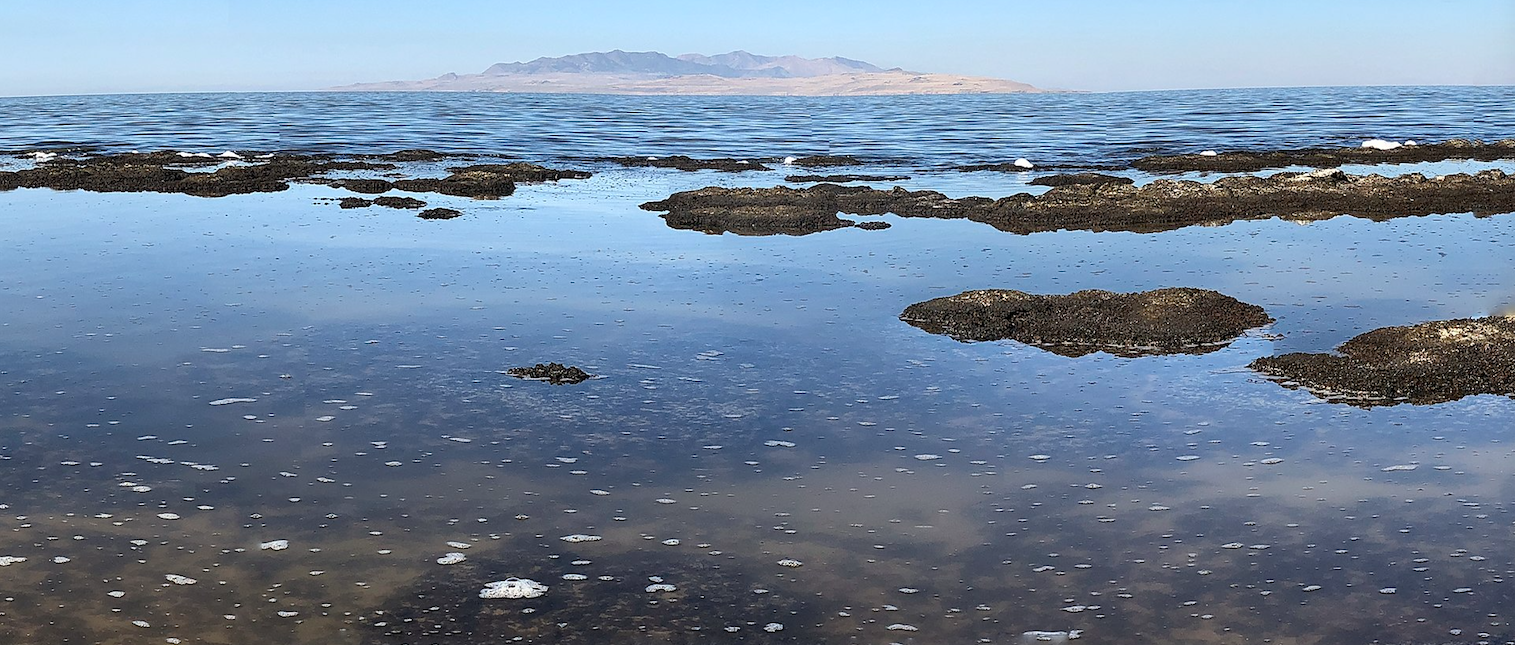
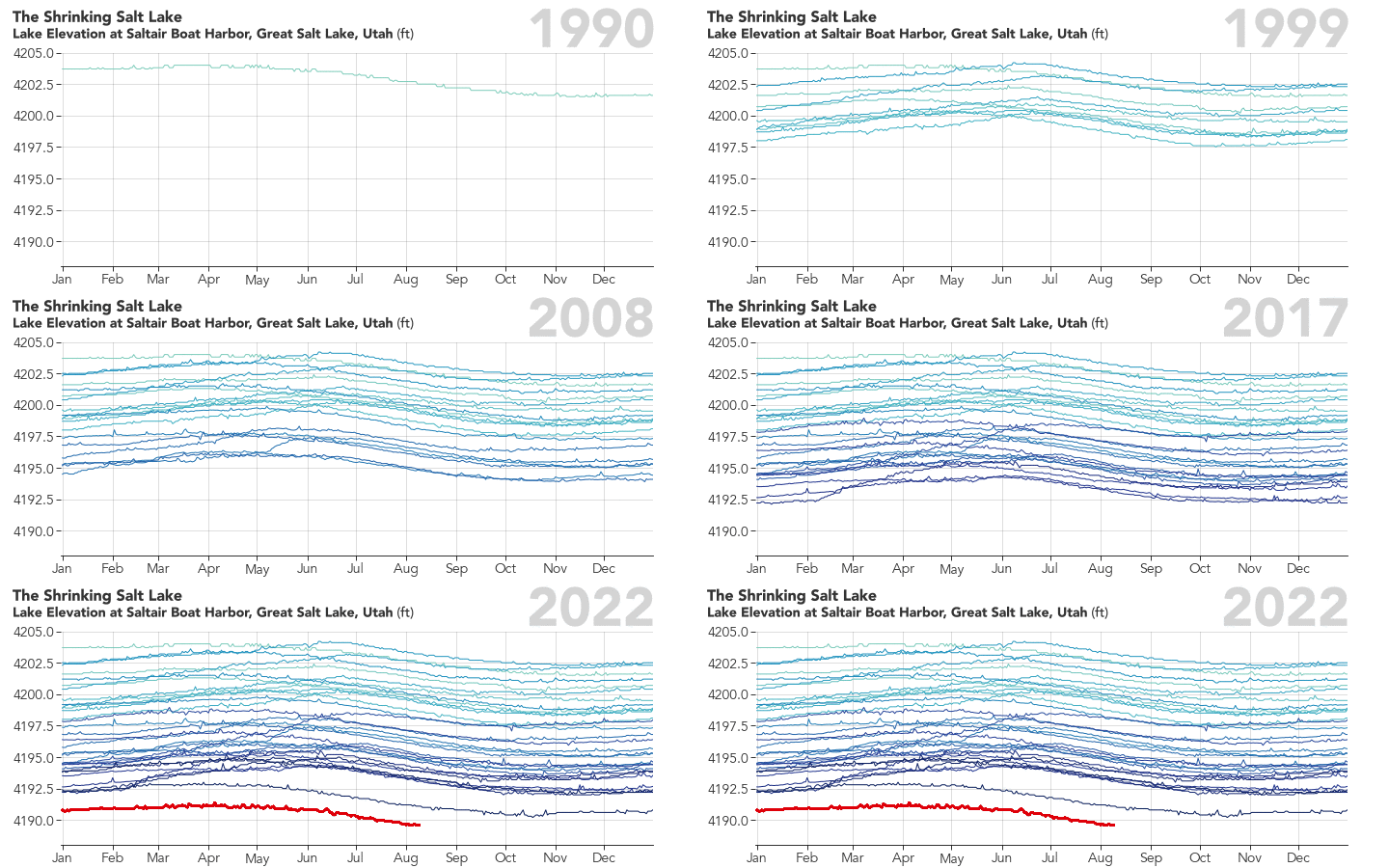
As a result of increasing evaporation rates, the levels of salt in the Great Salt Lake are also rising. It is now about six times as salty as the oceans—nearly double previous levels.

Besides the loss of birdlife and the threat to the health of Utahn residents, the loss of water from the lake risks the loss of vital tourist income. Moisture from the lake is deposited as snow on Utah's mountains for skiers and snowboarders to enjoy. The loss of water will deprive the mountains of much of their snow, ruining the skiing industry and thus causing billions of dollars to be lost from the local economy.
The authorities in Salt Lake City and other towns and cities have taken action to reduce water use, including encouraging residents to stop watering their lawns. Steps have also been taken to recycle the city’s wastewater and return it to the lake. But only 9% of the water is diverted from the lake for domestic use. The real problem is agricultural demand. Emergency measures to cut water use in the region by a meaningful amount would require stringent curbs in the cultivation of alfalfa. But the state’s politicians are reluctant to force farmers to take this step, believing it not to be the role of government to interfere with their livelihoods.

pics
Without in any way limiting Q-files Ltd’s exclusive rights under copyright, any use of this publication to “train” generative artificial intelligence (AI) technologies to generate text is expressly prohibited. Q-files Ltd reserves all rights to license use of this work for generative AI training and development of machine learning language models.