
Aircraft

CITE
We have made every effort to follow citation style rules, but there may be some minor differences. If in doubt, please refer to the appropriate citation style manual.
Historic airships. (2026). In Q-files Encyclopedia, Technology, Aircraft. Retrieved from
https://www.q-files.com/technology/aircraft/historic-airships
"Historic airships." Technology, Aircraft, Q-files Encyclopedia, 13 Mar. 2026.
https://www.q-files.com/technology/aircraft/historic-airships.
Accessed 21 Sep. 2026.
Historic airships 2026. Technology, Aircraft. Retrieved 21 September 2026, from
https://www.q-files.com/technology/aircraft/historic-airships
Technology, Aircraft, s.v. "Historic airships," accessed September 21, 2026.
https://www.q-files.com/technology/aircraft/historic-airships


Historic airships
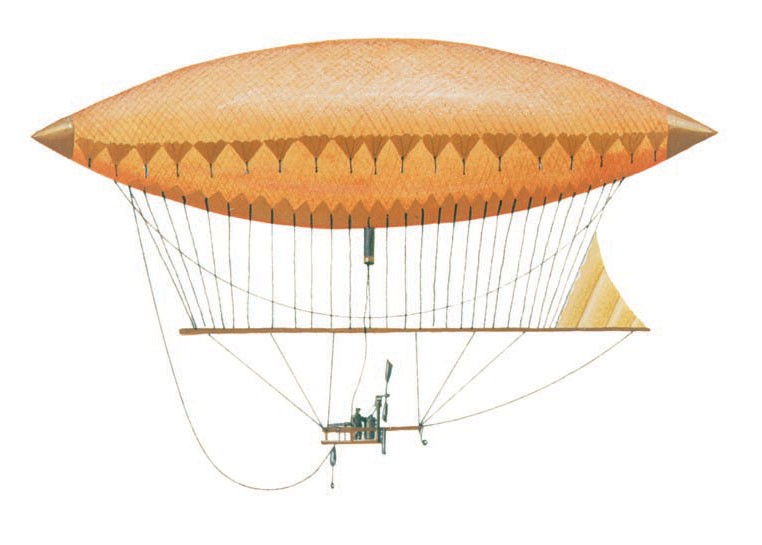
Balloons, invented in the late 18th century, used hot air to raise them aloft but lacked any means of steering. Changing the gas-bag to a cigar-shape design, fitting a rudder and adding an engine provided the answer—and so the airship was born. On 24th September 1852, Frenchman Henri Giffard took off in his steam-powered airship. The envelope was filled with lighter-than-air hydrogen gas rather than hot air. The world’s first airship travelled 28 kilometres (45 miles) at a speed no faster than a brisk walking pace.

Zeppelins
From the early 1900s rigid airships were built with a metal skeleton, and a fabric outer cover. Giant gas cells, each separated by fabric walls, occupied the space inside. Some of the first rigid airships were designed by the German Count von Zeppelin. Soon, they served both as luxury airliners—and fearsome weapons of war. During World War I, zeppelins carried out bombing raids on English towns and cities.
Giants of the sky
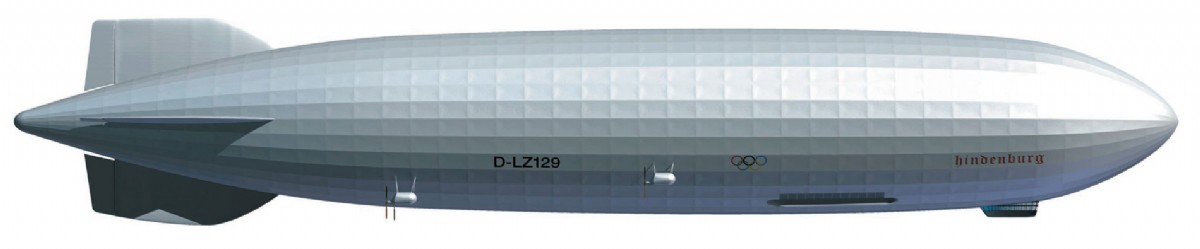
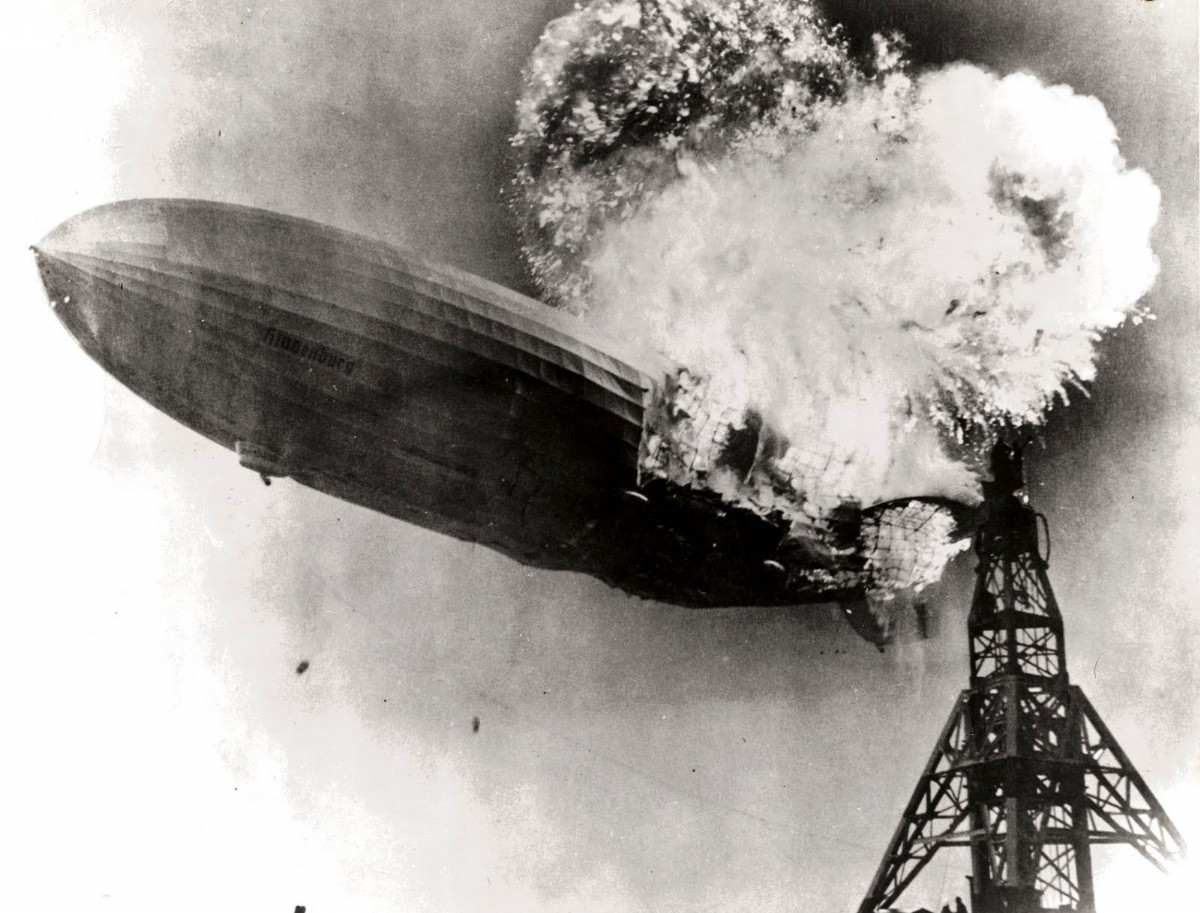
Airships achieved their greatest glory in the 1920s and 30s. The size of ocean liners, they toured the world with passengers enjoying luxurious accommodation inside the hull. The colossal Hindenburg was launched in 1936, its sister ship Graf Zeppelin II in 1938. More than 245 metres (800 feet) long, they were the largest airships ever built, although they could only carry about 100 passengers. The Hindenburg exploded when landing at Lakehurst, New Jersey, in 1937, killing 35 people.
USS Akron
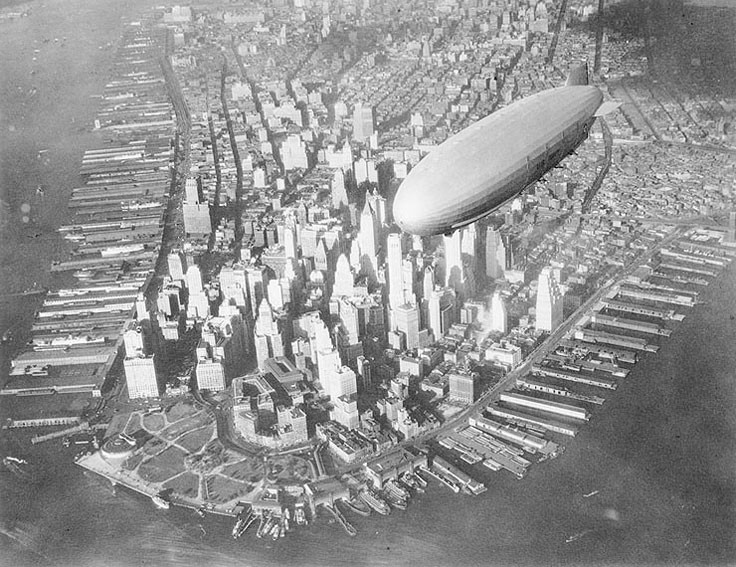
The Akron airship was built for the United States Navy as a scouting craft, reporting back on the enemy’s naval positions. Measuring 239 metres in length (784 feet, longer than two soccer pitches placed end to end), she had eight engines that could drive her forward at nearly 130 km/h (80 mph). Her life was short, however. She entered service in 1931. On the night of 3rd April 1933, a storm forced her to crash into the sea: all but three of the 76 people on board perished.
Inside her hull, the Akron carried a "spy basket", an observation car dangling at the end of a long steel cable uncoiled from the mother ship. It was a human periscope: an observer sitting in the car would report on enemy positions by telephone up to the airship hidden above the clouds. However, the spy basket was tested just once, without a human crew, and proved to be unsafe.
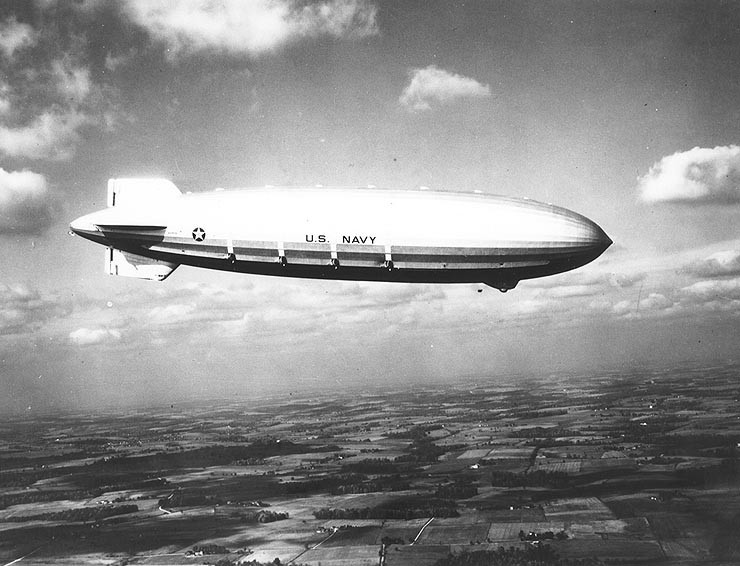
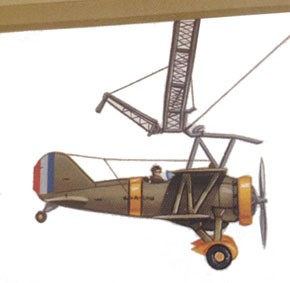
Akron was fitted with two gun platforms perched on top of the hull, plus one in the stern. They were linked by an internal upper gangway. Carried on deck inside Akron’s hull were three Curtiss F9C-2 Sparrowhawk fighter aircraft. These "skyhook" planes were released and picked up during a flight by means of a trapeze lowered through the bottom of the ship.
Akron’s engines were carried inside the hull, while the propellers were mounted outside. The blades could turn in either direction, producing either forward or backward movement, and could be swivelled to manoeuvre the vessel up or down. Condensers, the bands of dark patches on the hull, took in steam rising from the engine exhausts and turned it into water. This replaced the weight lost by the airship as its engine fuel was used up.
Consultant: Chris Oxlade
pics
Without in any way limiting Q-files Ltd’s exclusive rights under copyright, any use of this publication to “train” generative artificial intelligence (AI) technologies to generate text is expressly prohibited. Q-files Ltd reserves all rights to license use of this work for generative AI training and development of machine learning language models.