
EASY READ Electronics

CITE
We have made every effort to follow citation style rules, but there may be some minor differences. If in doubt, please refer to the appropriate citation style manual.
EASY READ How is an electric current produced?. (2026). In Q-files Encyclopedia, Technology, EASY READ Electronics. Retrieved from
https://www.q-files.com/technology/easy-read-electronics/easy-read-how-is-an-electric-current-produced
"EASY READ How is an electric current produced?." Technology, EASY READ Electronics, Q-files Encyclopedia, 7 May. 2026.
https://www.q-files.com/technology/easy-read-electronics/easy-read-how-is-an-electric-current-produced.
Accessed 22 Sep. 2026.
EASY READ How is an electric current produced? 2026. Technology, EASY READ Electronics. Retrieved 22 September 2026, from
https://www.q-files.com/technology/easy-read-electronics/easy-read-how-is-an-electric-current-produced
Technology, EASY READ Electronics, s.v. "EASY READ How is an electric current produced?," accessed September 22, 2026.
https://www.q-files.com/technology/easy-read-electronics/easy-read-how-is-an-electric-current-produced


How is an electric current produced?
To understand electronics, we first need to understand what electricity is and how it is produced. Electricity is a kind of energy stored inside atoms, the tiny building blocks of which all things are made. This energy can be made to flow through some kinds of materials, especially metals. We call this current electricity. It is easy to use current electricity because it can be sent along wires to wherever it is needed.
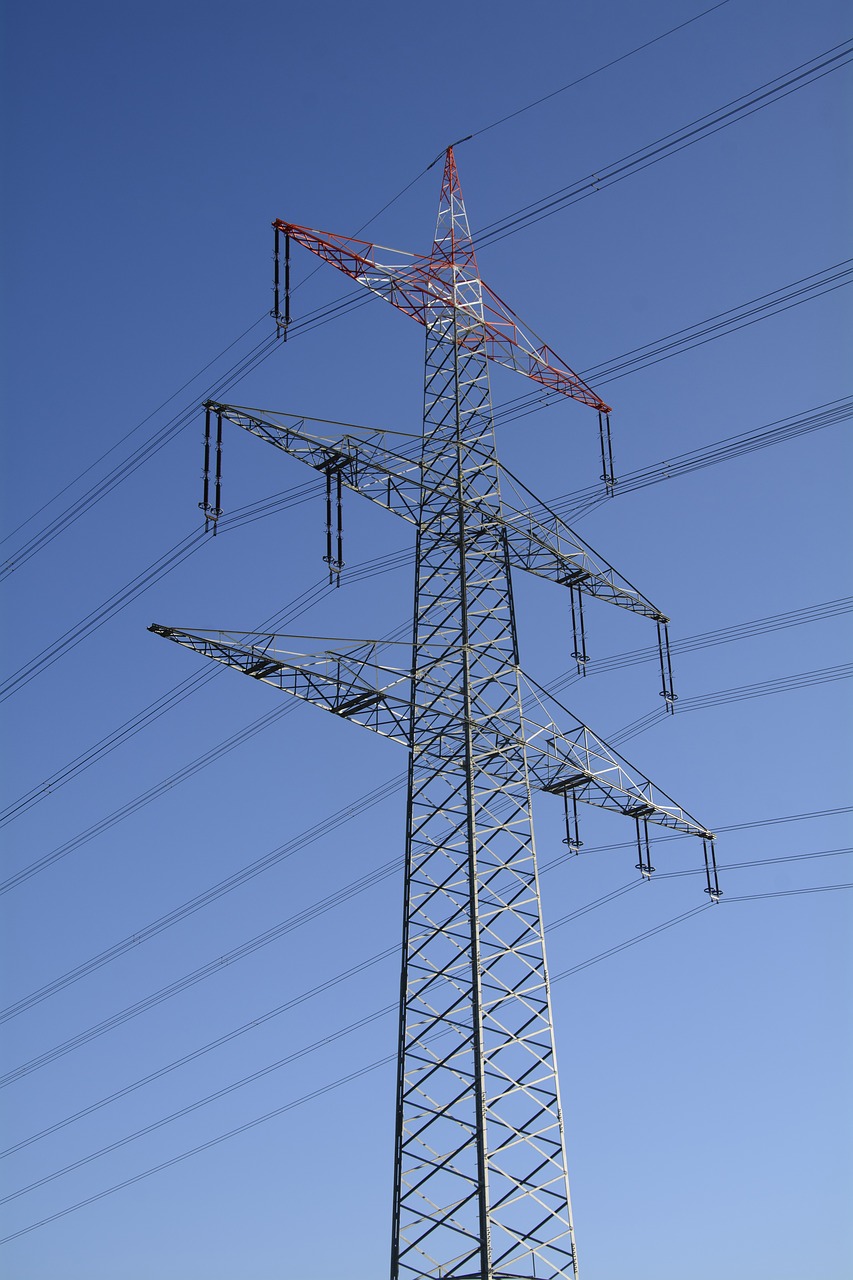
Electric or electronic?
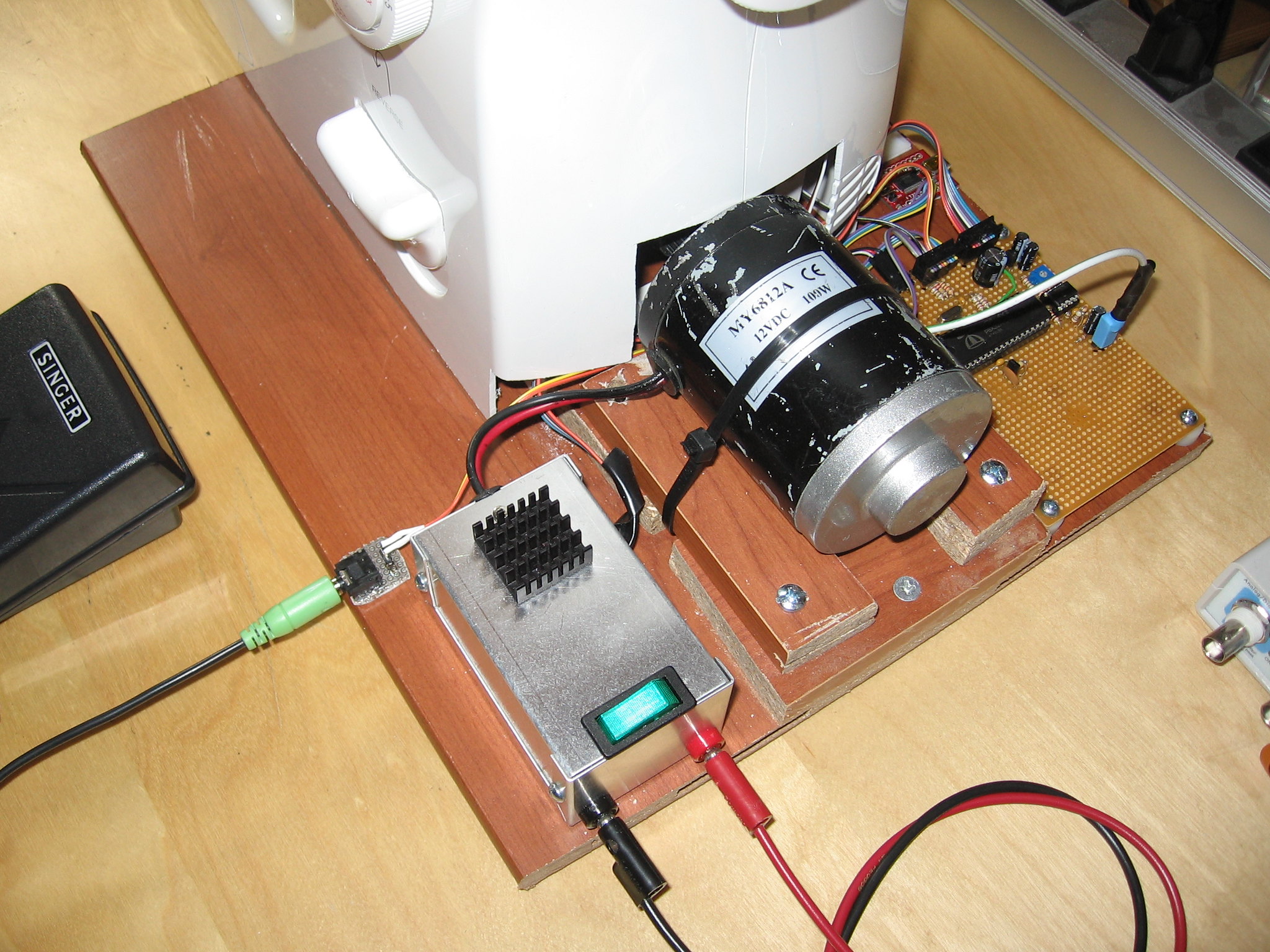
An electric current can be used to power something—for example, a light bulb, an oven or a heater. For simple things like these, the flow of electricity can be controlled by switching the current on and off. But for more complex electrical devices like TVs and phones, the current is controlled by using what are called electronic components.
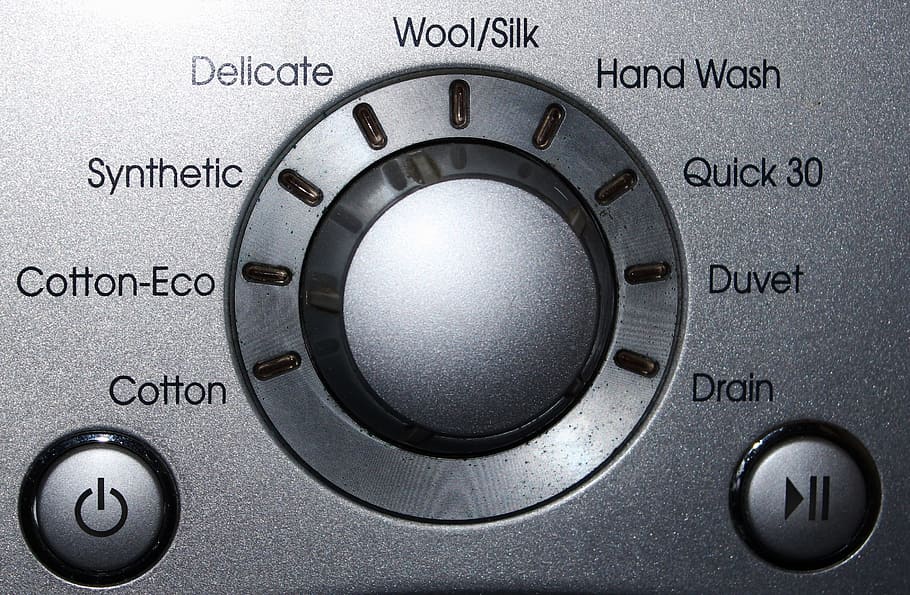
A washing machine uses an electric current to heat the water and run its motor (which rotates the drum). The settings for a wash cycle—the temperature, length of spin and so on—rely on electronics. When you enter the settings you want via a control panel, electronic components will control the electric current to carry out your wishes.
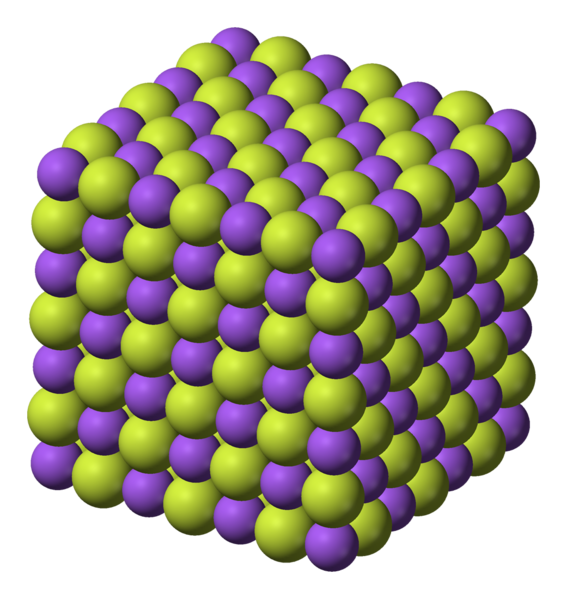
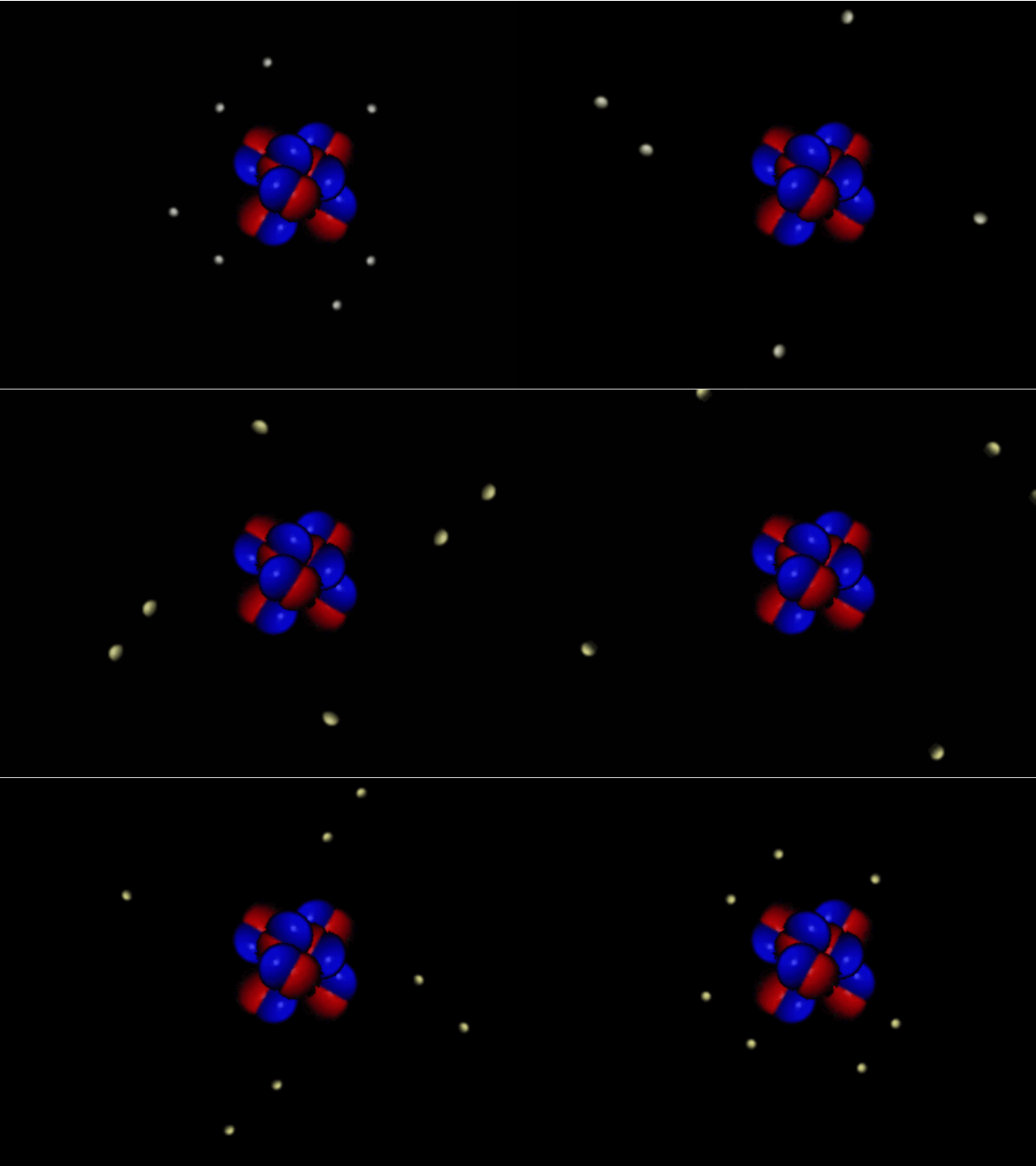
An atom is like an extremely tiny ball. It is so tiny, that even the full stop at the end of this sentence has a width of around 20 million atoms. Inside an atom there is mostly empty space. At the centre of it lies its nucleus. This is made up of even smaller particles, called protons and neutrons, clustered together. Whizzing around the nucleus are more tiny particles: electrons.
Electric charge
Both protons and electrons (but not neutrons) have an electric charge. This is a force that either pulls the particles towards one another, or pushes them away. Protons have a positive electric charge, electrons a negative one. In normal atoms, there are the same number of electrons and protons, so the charges cancel each other out. The atom is stable. But if we can make the atom lose or gain electrons, it has more charged particles of one kind or the other (positive or negative).
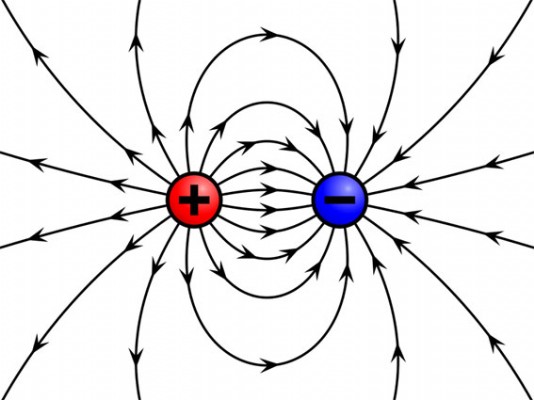
Electric current
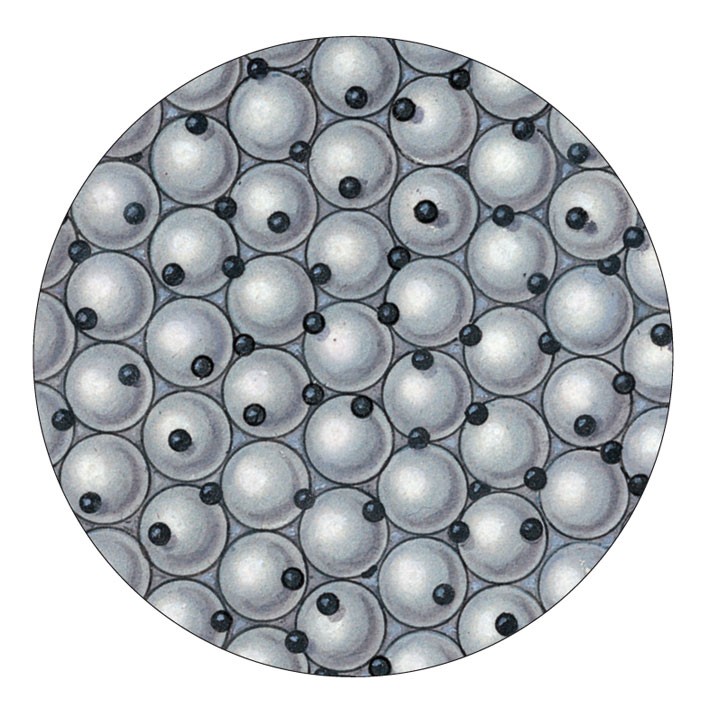
Every kind of material is made of atoms, so they all contain electrons. In some materials, such as wood or plastic, electrons do not move easily at all. But in metals like copper or silver, their atoms' outer electrons are able to move freely about. If we can make the electrons move through something made of metal, then we can create an electric current.
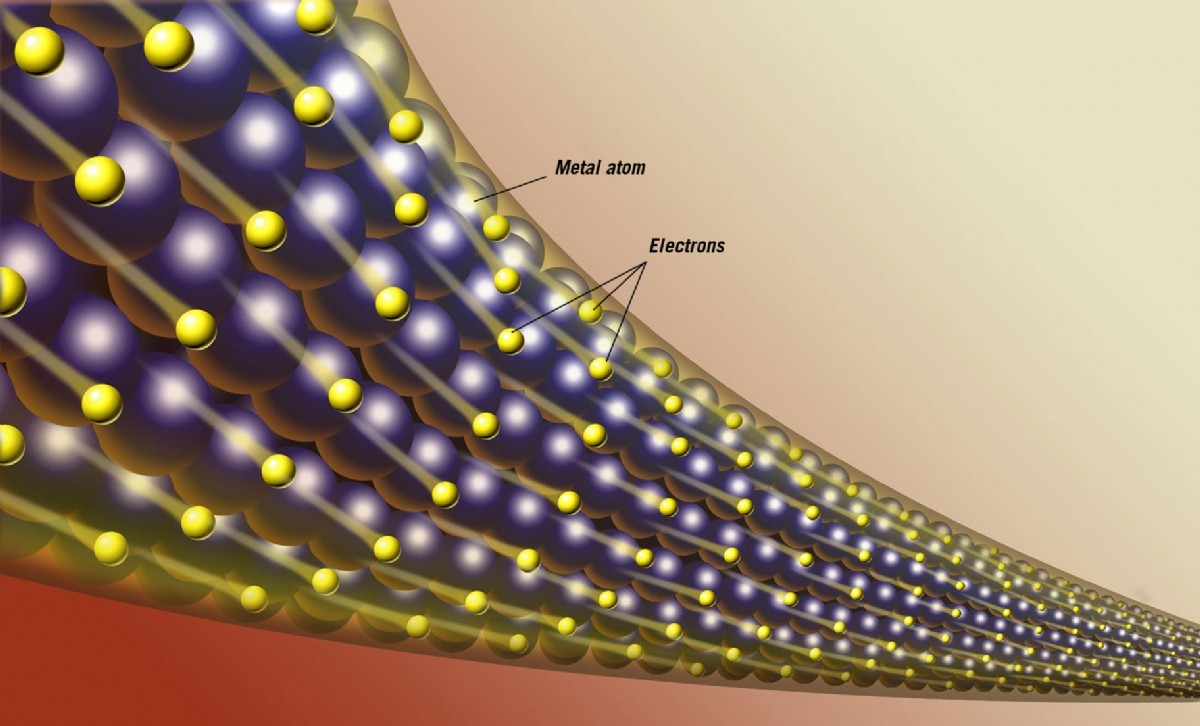
By connecting a battery (or another source of power) to a metal wire, the electrons in the wire will start to move in the same direction. Just like water through a pipe, the electrons flow in a current, which is why we call this an electric current. The wire along which they are flowing is known as a conductor, because it is made of a material (metal) that "conducts" the current along it.
Electric circuit
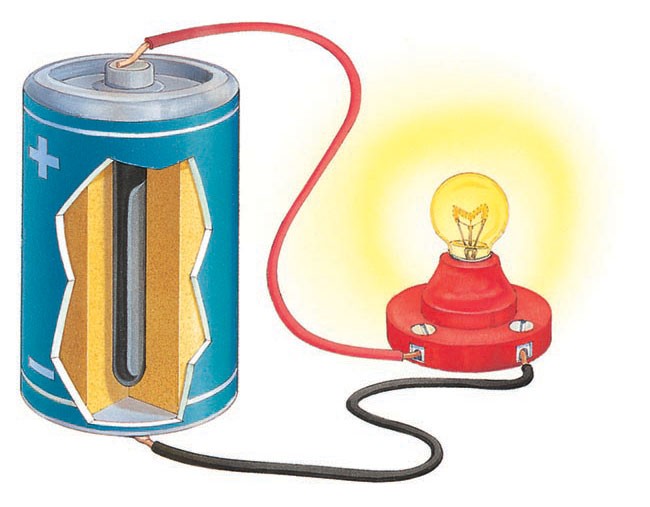
To get an electric current flowing, the pathway of conducting material needs to be complete with no gaps. This pathway is called a circuit.

A battery always has two terminals: a positive one and a negative one. When you connect a battery to a light bulb, you create a circuit, the pathway that allows an electric currents to flow from the positive terminal to the negative one.
Current electricity always needs a circuit to work. Disconnect a wire from the circuit and the electric current stops. Flipping a switch off is the same as disconnecting a wire.
Consultant: Mike Goldsmith
pics
Without in any way limiting Q-files Ltd’s exclusive rights under copyright, any use of this publication to “train” generative artificial intelligence (AI) technologies to generate text is expressly prohibited. Q-files Ltd reserves all rights to license use of this work for generative AI training and development of machine learning language models.