
EASY READ Science

CITE
We have made every effort to follow citation style rules, but there may be some minor differences. If in doubt, please refer to the appropriate citation style manual.
EASY READ What are different kinds of materials used for?. (2026). In Q-files Encyclopedia, Science, EASY READ Science. Retrieved from
https://www.q-files.com/science/easy-read-science/easy-read-what-are-different-kinds-of-materials-used-for
"EASY READ What are different kinds of materials used for?." Science, EASY READ Science, Q-files Encyclopedia, 10 Mar. 2026.
https://www.q-files.com/science/easy-read-science/easy-read-what-are-different-kinds-of-materials-used-for.
Accessed 13 Sep. 2026.
EASY READ What are different kinds of materials used for? 2026. Science, EASY READ Science. Retrieved 13 September 2026, from
https://www.q-files.com/science/easy-read-science/easy-read-what-are-different-kinds-of-materials-used-for
Science, EASY READ Science, s.v. "EASY READ What are different kinds of materials used for?," accessed September 13, 2026.
https://www.q-files.com/science/easy-read-science/easy-read-what-are-different-kinds-of-materials-used-for


What are different kinds of materials used for?
A material is anything made of matter. This includes everything we can see, from water to our own skin. But often when we use the word “materials” we mean materials that are used to make into useful things, such as crockery, a toy or a spacecraft. Natural materials are those that come from animals, plants or from substances found in the Earth. Manmade, or synthetic, materials, such as plastics, are produced from natural materials by heating or other processes.

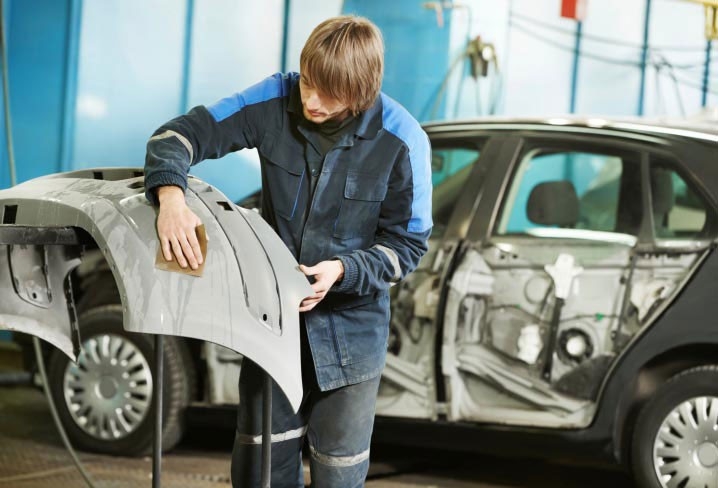
Plastic
Plastic is a manmade material that has many uses. It is long-lasting and easy to make into different shapes. When heated, it melts into a thick liquid. This can be poured into moulds to form whatever shape is needed, then allowed to harden. The most commonly used plastic is called polyethylene. It is found in bags, containers and bottles. It is made from the natural gas ethylene, which is produced from oil.
Rubber
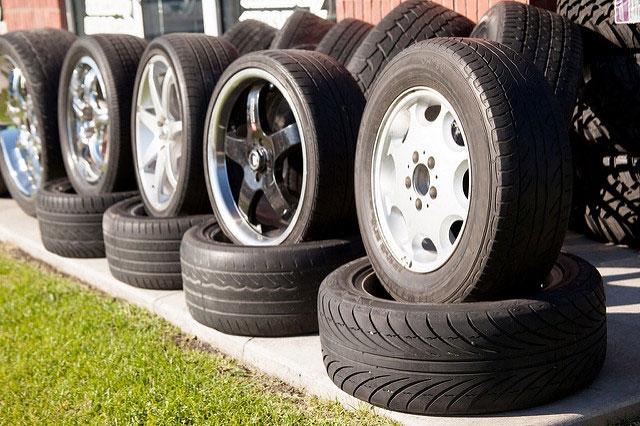
Natural rubber is made from a sticky fluid, called latex, that comes from inside the bark of rubber trees. To make it less sticky and more elastic, other substances are added to it. This is called vulcanization. Synthetic rubber, a kind of plastic, has mostly replaced natural rubber.
Paper
Paper is made from wood. The wood is cut up into small chips. These are then cooked with chemicals to make the fibres soft. This mixture is called pulp. The pulp is pressed between rollers to make it flat, then dried. The fibres grow hard again.

Wool
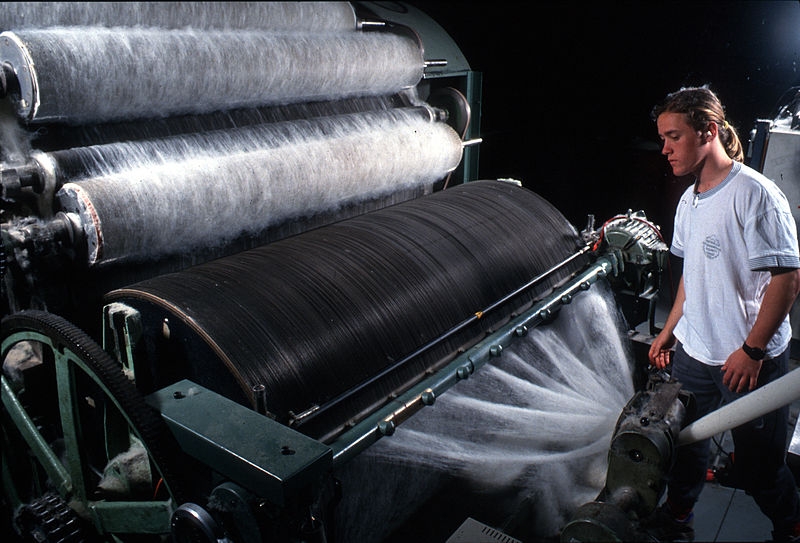
Wool comes from the soft hair, called a fleece, of sheep and goats. The fleece is cut off, or shorn, from the animals, then washed. The fibres are untangled and combed in a carding machine. They are then stretched and twisted together to form long threads called yarn. This is called spinning. The woollen yarn can then be woven or knittted to make clothes.
Pottery
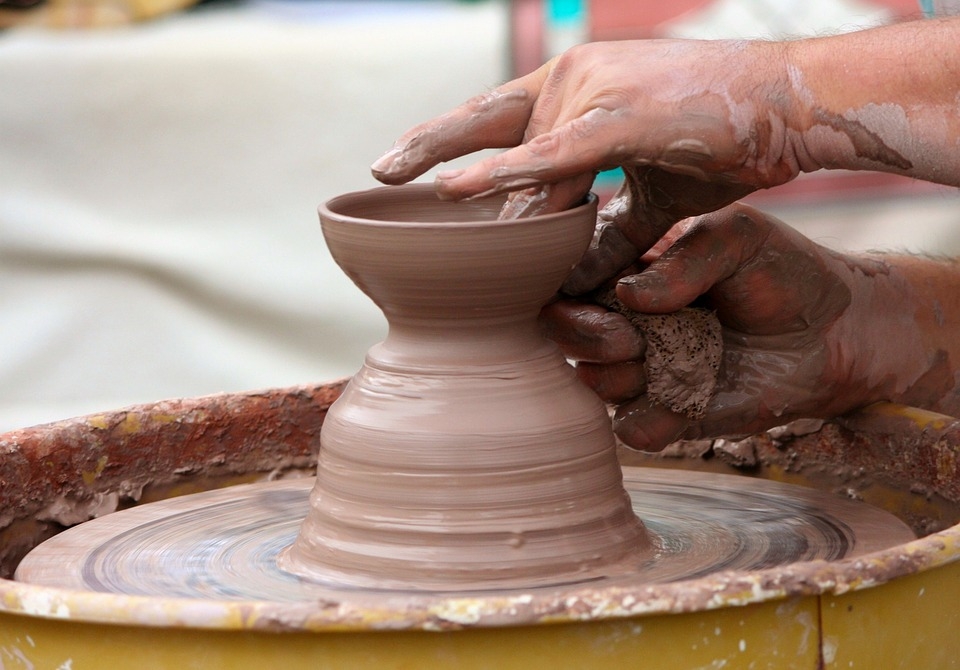
China and pottery, sometimes called ceramics, are made by shaping and then heating clay. This a soft, sticky mixture of fine rock fragments. First the clay is mixed with water to make it flexible. Then it is formed into shapes, or turned, on a potter’s wheel, or poured into a mould. The clay shapes are then hardened by firing (baking) them in a kiln. The pottery is then decorated and given a shiny finish called a glaze. The glaze also makes the pottery waterproof.

Glass
Glass is made by melting together three materials: sand, limestone and soda ash. The molten (melted) glass mixture is either poured into a mould, or blown into hollow shapes. It can be shaped into flat sheets by being poured into a bath of molten tin. It is then moved over rollers to cool slowly.
Fibreglass
Glass can be drawn out into long threads through fine holes in the bottom of a furnace. The glass fibres can be used to make optical fibres for telecommunications. They can also be mixed with plastic to make fibreglass. This is an extremely strong material, ideal for making vehicles, boats, helmets and roofing.

Carbon fibre
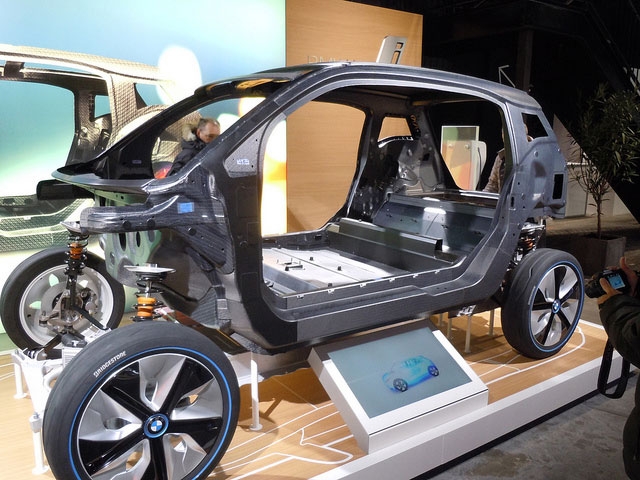
Fibres of carbon can be combined with plastics to make a strong, light material. Racing cars and bikes were once made of metal, a heavy material that slowed them down. Modern machines are made of carbon fibre, which is much lighter so they can go faster. Carbon fibre is also used to make boats, aircraft and fishing rods.
Concrete
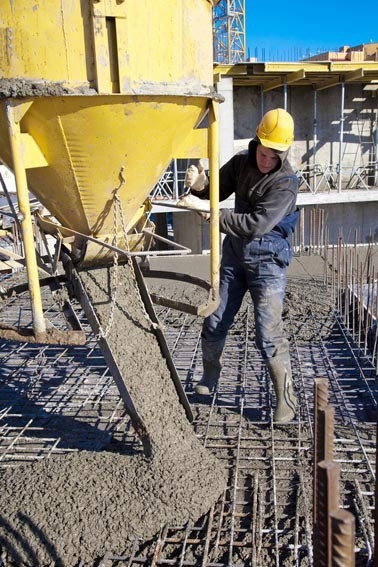
Concrete is the most widely used manmade material. It is used in construction, from building walls and foundations to bridges and dams. Concrete is made from aggregate (sand, gravel and crushed stone) mixed with water and cement. It can be poured into a mould, where it sets to become hard and stone-like.
Consultant: Mike Goldsmith
Ready to find out more?
Here are some pages in other parts of Q-files you might like to explore:
pics
Without in any way limiting Q-files Ltd’s exclusive rights under copyright, any use of this publication to “train” generative artificial intelligence (AI) technologies to generate text is expressly prohibited. Q-files Ltd reserves all rights to license use of this work for generative AI training and development of machine learning language models.