
EASY READ Science

CITE
We have made every effort to follow citation style rules, but there may be some minor differences. If in doubt, please refer to the appropriate citation style manual.
EASY READ What is recycling?. (2026). In Q-files Encyclopedia, Science, EASY READ Science. Retrieved from
https://www.q-files.com/science/easy-read-science/easy-read-what-is-recycling
"EASY READ What is recycling?." Science, EASY READ Science, Q-files Encyclopedia, 10 Mar. 2026.
https://www.q-files.com/science/easy-read-science/easy-read-what-is-recycling.
Accessed 13 Sep. 2026.
EASY READ What is recycling? 2026. Science, EASY READ Science. Retrieved 13 September 2026, from
https://www.q-files.com/science/easy-read-science/easy-read-what-is-recycling
Science, EASY READ Science, s.v. "EASY READ What is recycling?," accessed September 13, 2026.
https://www.q-files.com/science/easy-read-science/easy-read-what-is-recycling


What is recycling?
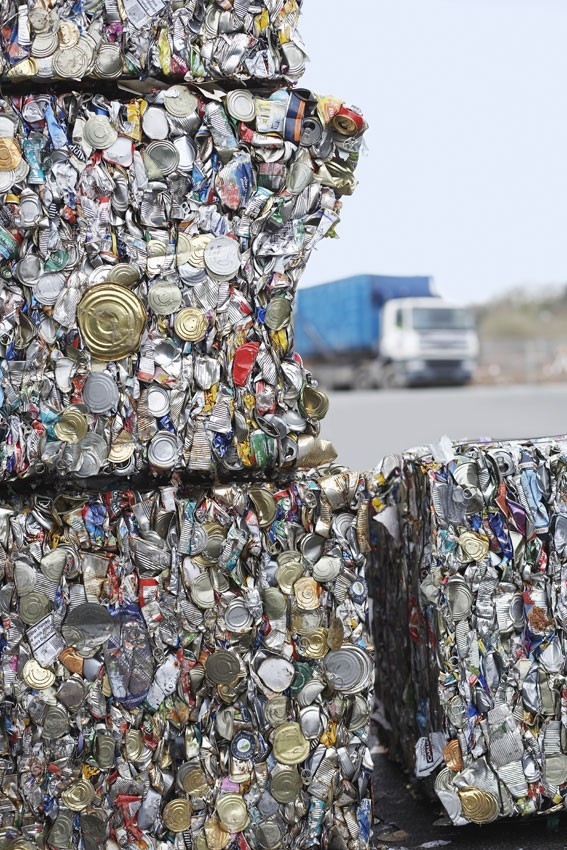
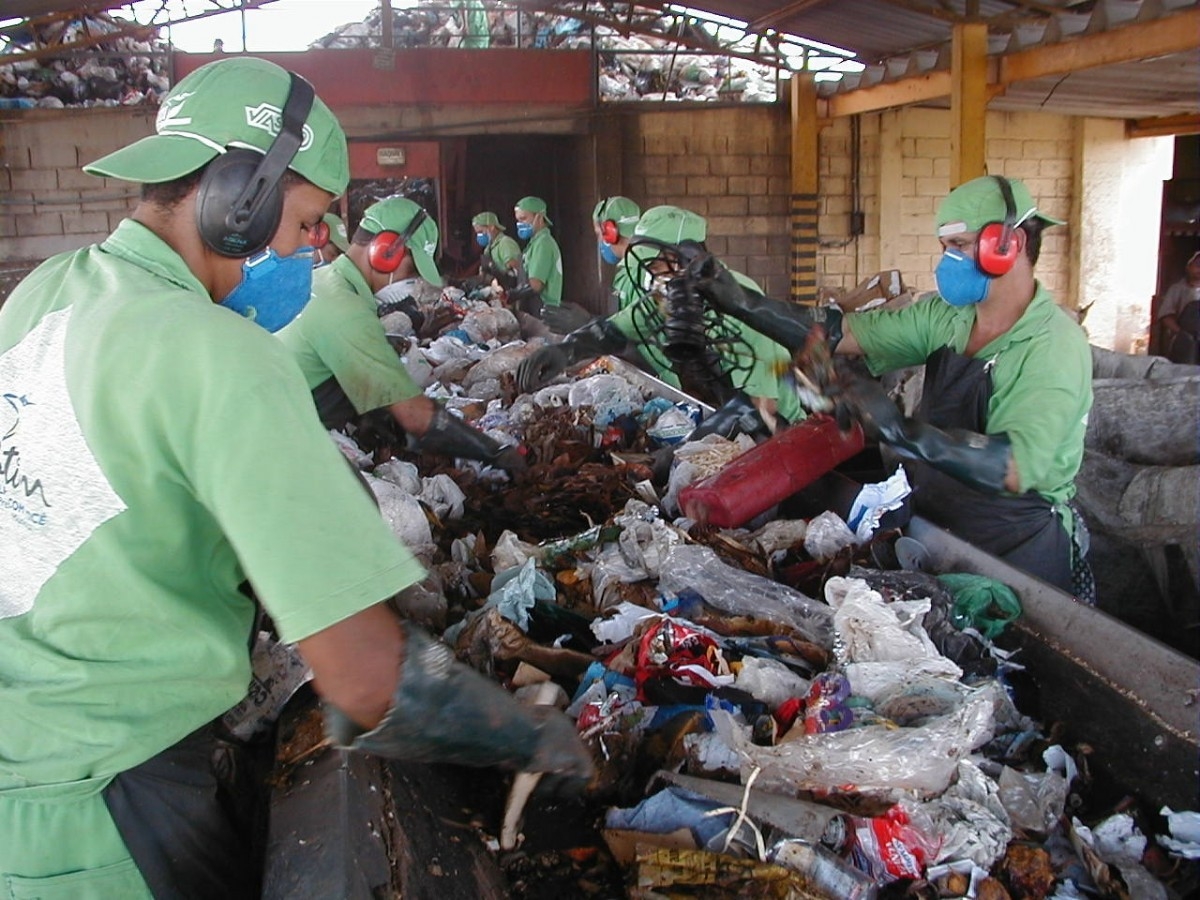
Turning waste into new products and materials is called recycling. It is one of the “three Rs”: Reduction, Reusing and Recycling. Reducing waste means buying fewer products and choosing those ones made with recyclable materials and less packaging. Reusing means using products again wherever possible: for example, reusing plastic shopping bags or glass bottles. Recycling means turning the raw materials from old waste products into new products.

What can be recycled?
Materials that are often recycled include paper, cardboard, metal, plastic, glass, textiles, tyres, electronic goods, concrete and biodegradable waste (which can be broken down by bacteria and other micro-organisms).
Why recycle?
The traditional way of disposing of waste is to bury it in landfills. These can pollute the surrounding area (chemicals or microscopic particles can escape into the ground and rivers) and release greenhouse gases, such as methane, as the waste decays. Another way of disposing of waste is incineration (burning). This can cause air pollution. By recycling as much of our waste as possible, we can reduce the amount that goes into landfills and incinerators. This helps both save resources and protect the environment.


Biodegradable waste
Biodegradable waste is waste that can be broken down by micro-organisms and other living things. It includes garden waste, farm waste, food, paper, biodegradable plastics, sewage and manure. When biodegradable waste is put in landfills, it produces methane. This is a greenhouse gas that contributes to global warming. However, biodegradable waste can be used as compost for gardens and fertilisers for farms. It can also be turned into biogas for fuel.
Consultant: Mike Goldsmith
Ready to find out more?
Here are some pages in other parts of Q-files you might like to explore:
pics
Without in any way limiting Q-files Ltd’s exclusive rights under copyright, any use of this publication to “train” generative artificial intelligence (AI) technologies to generate text is expressly prohibited. Q-files Ltd reserves all rights to license use of this work for generative AI training and development of machine learning language models.