
Music and dance
Opera
An opera is a work in which singers, musicians and sometimes dancers perform a drama. An opera combines a text, known as a libretto ("little book"), and a musical score. The performers are often in costume and perform in front of scenery on a theatre stage, sometimes with added special effects. An orchestra or smaller group of musicians accompanies the singers. The word opera means "work" in Italian, as operas combine a number of different arts. Opera stories or "plots" range from comedy to tragedy, and sometimes tell of mythical events.
The first operas
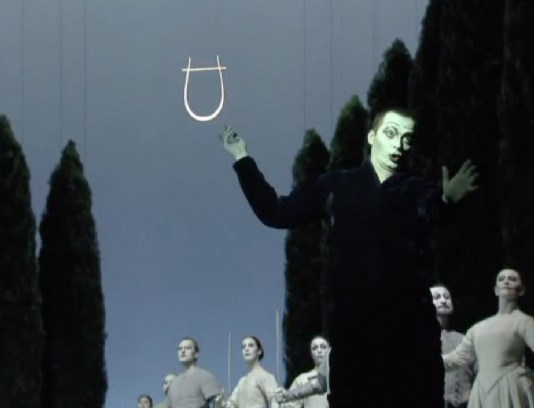
The first opera was written in 1597 by the Italian Jacopo Peri (1561–1633). The score of Daphne is lost, but it was an attempt to revive the style of classical Greek drama. The first recognizably modern opera is L’Orfeo, written by Italian Claudio Monteverdi (1567–1643) in 1607. The opera tells the story of the Greek hero Orpheus and his descent into the Underworld to bring his bride Eurydice back to life.
L'Orfeo set the pattern for opera: the drama was played out using songs (arias) combined with recitative (in which the singers adopt the rhythms of speech).
Opera seria
Monteverdi's works led to the development in the early 1700s of a type of opera known as opera seria ("serious opera"). A typical opera seria began with an instrumental overture, followed by a series of recitatives, intermixed with arias. The opera was divided into three acts, and usually featured an upbeat ending. The form was mastered by George Frideric Handel (1685–1759) and later Wolfgang Amadeus Mozart (1756–91).
Opera buffa
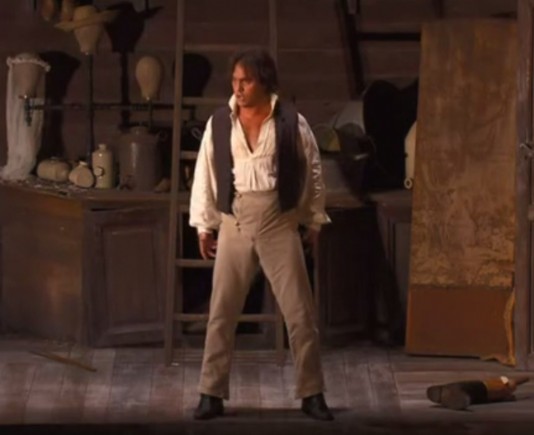
Opera buffa ("comic opera") is a style of comic opera that developed in Naples, Italy, also at the start of the 1700s. The operas depicted ordinary people and everyday events. The words were often sung in a local dialect and the operas contained many comic scenes and characters. The first opera buffas were one-act operas known as intermezzi. They were performed between the acts of longer, serious operas.
Later in the century the form became popular in France as opéra comique, and expanded into full-length works, such as those of Gioachino Rossini (1792–1868). Mozart was, once again, master of the form. Among his most famous opera buffas is The Marriage of Figaro (1786).
Bel canto
Bel canto means "beautiful singing" in Italian. It is a style that requires the singer to deliver songs complete with trills, scales and elaborate melodies, called coloratura, that require supreme musical agility and skill. Bel canto flourished in Italy in the early 1800s. Composers such as Gioachino Rossini, notably in The Barber of Seville (1816), Gaetano Donizetti (1797–1848) and Vincenzo Bellini (1801–35) wrote important bel canto parts in their operas.
Romantic opera
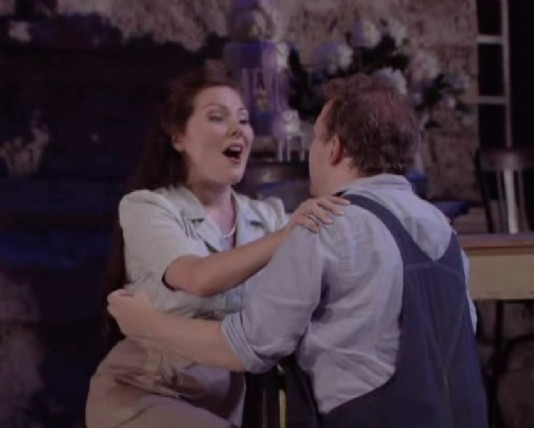
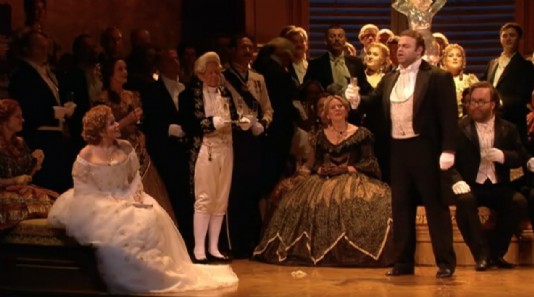
Giuseppe Verdi (1813–1901) developed a style of highly dramatic Romantic opera that had a wider expressive range, featuring stirring melodies and depicting tragic or heroic events, notably in Rigoletto (1851), Il trovatore (1853) and La traviata (1853). Verdi’s many operas appeared at a time of growing demand for a unified, independent Italian state and he became an idol of the Italian nationalist movement.
Giacomo Puccini (1858–1924) continued the tradition of Verdi, and he later developed the verismo, or realistic, style, which explored everyday life instead of the grand historical themes seen in Romantic opera.
German opera
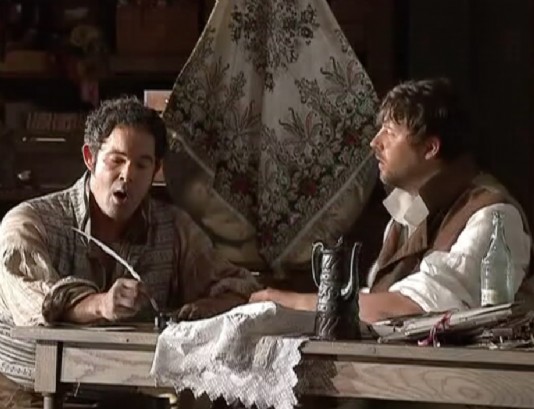
The first opera was sung in German in 1627, but many German composers, including Handel and Mozart, preferred to write most of their operas in Italian. German operas featured folk-like songs and told simple stories. Mozart transformed German opera, writing operas of great sophistication and complexity. Richard Wagner (1813–83) saw opera as what he called Gesamtkunstwerk ("complete work of art"), in which the music and drama were combined to great effect.
Wagner's music is based on leitmotifs: short, recurring musical phrases associated with a particular idea, person, thing or place. Separate arias and recitatives were replaced with one long seamless flow of music. His works include the vast, four-opera Ring of the Nibelung of 1848–74, which drew on Norse legend but explored extremes of emotion and carried deep political and philosophical meaning, too. Wagner had a huge influence on all opera composers after him. Richard Strauss (1864–1949) adapted Wagner's ideas and continued the Romantic tradition into the 20th century with a number of popular operas.
Operetta
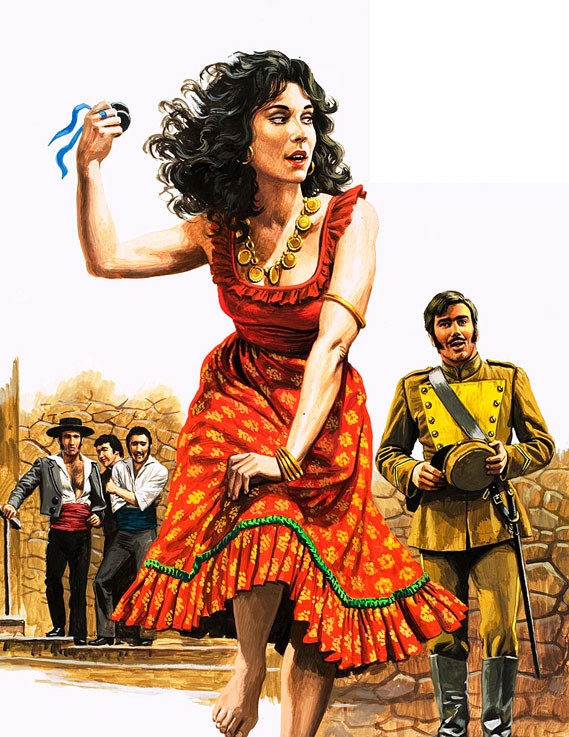
Operetta is a form of light opera that developed in the 1800s. Both words and subject matter are light and entertaining. The style grew out of French opéra comique, which had become anything but humorous: Carmen (1875) by the French composer Georges Bizet (1838–75) is a tragic, not a comic opera. The first composer of operettas was Jacques Offenbach (1819–80), whose many witty works were great successes in France in the 1850s. The style was developed in England by the librettist W. S. Gilbert and the composer Arthur Sullivan in what are called the Savoy Operas. In the 1900s, operetta gave way to the modern musical.
Modern opera
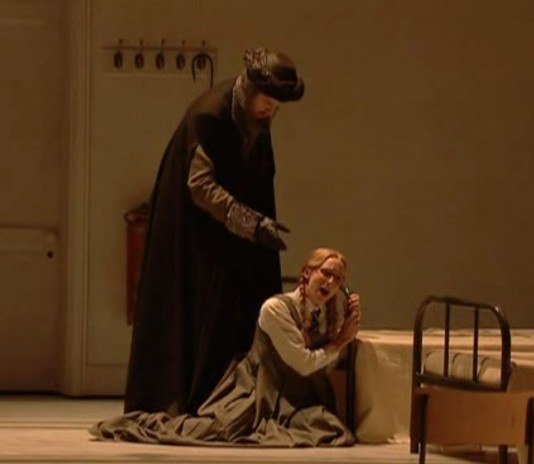
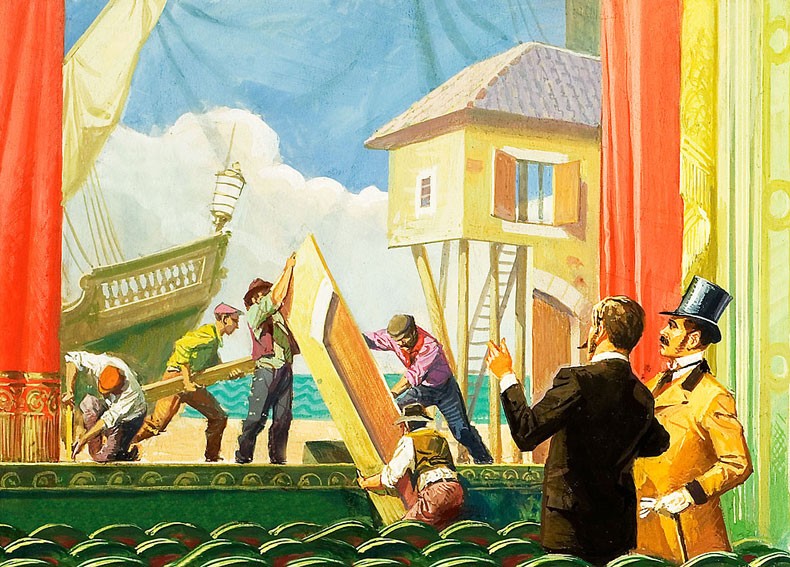
Modern operas often deal with difficult issues of life and death. Alban Berg (1885–1935) wrote two operas, Wozzeck (1925) and Lulu (unfinished at the composer’s death), that were highly controversial when they were first performed, as the music is difficult to listen to and the plots powerful and disturbing. Benjamin Britten (1913–76) single-handedly revived British opera with Peter Grimes (1945), the first of several operas about social outcasts. More recent operas have dealt with modern historical events, notably John Adams’s Nixon in China (1987), about the visit of US president Richard Nixon to meet Mao Zedong in China, and Philip Glass’s Satyagraha (1979), about the life of Mahatma Gandhi.
Consultant: Philip Wilkinson