
Music and dance

CITE
We have made every effort to follow citation style rules, but there may be some minor differences. If in doubt, please refer to the appropriate citation style manual.
Ludwig van Beethoven. (2026). In Q-files Encyclopedia, Culture, Music and dance. Retrieved from
https://www.q-files.com/culture/music-and-dance/ludwig-van-beethoven
"Ludwig van Beethoven." Culture, Music and dance, Q-files Encyclopedia, 13 May. 2026.
https://www.q-files.com/culture/music-and-dance/ludwig-van-beethoven.
Accessed 22 Sep. 2026.
Ludwig van Beethoven 2026. Culture, Music and dance. Retrieved 22 September 2026, from
https://www.q-files.com/culture/music-and-dance/ludwig-van-beethoven
Culture, Music and dance, s.v. "Ludwig van Beethoven," accessed September 22, 2026.
https://www.q-files.com/culture/music-and-dance/ludwig-van-beethoven


Ludwig van Beethoven
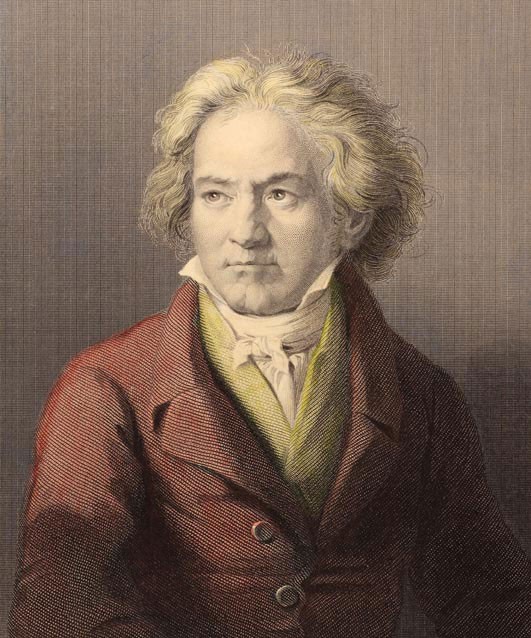
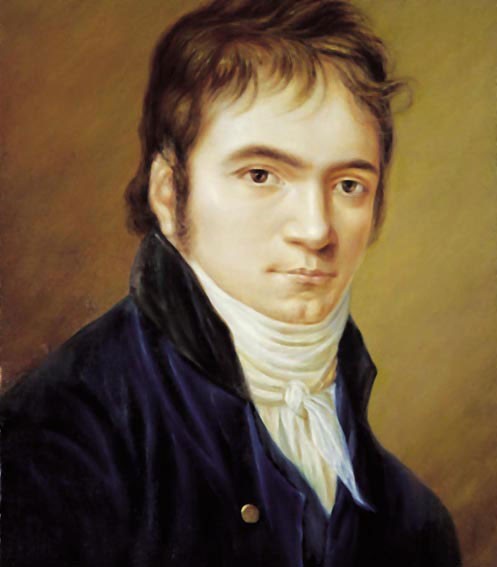
Ludwig van Beethoven (1770–1827) was a German composer and pianist. His symphonies and other works are among the greatest and most popular classical compositions ever written. Beethoven started composing in the classical style but he gradually developed a romantic style that influenced many other, later composers. Tragically for a musician, Beethoven went deaf during his lifetime and almost completely lost his hearing. This stopped him from performing his music in public, but he could still hear music in his head which he could then write down.
Early life
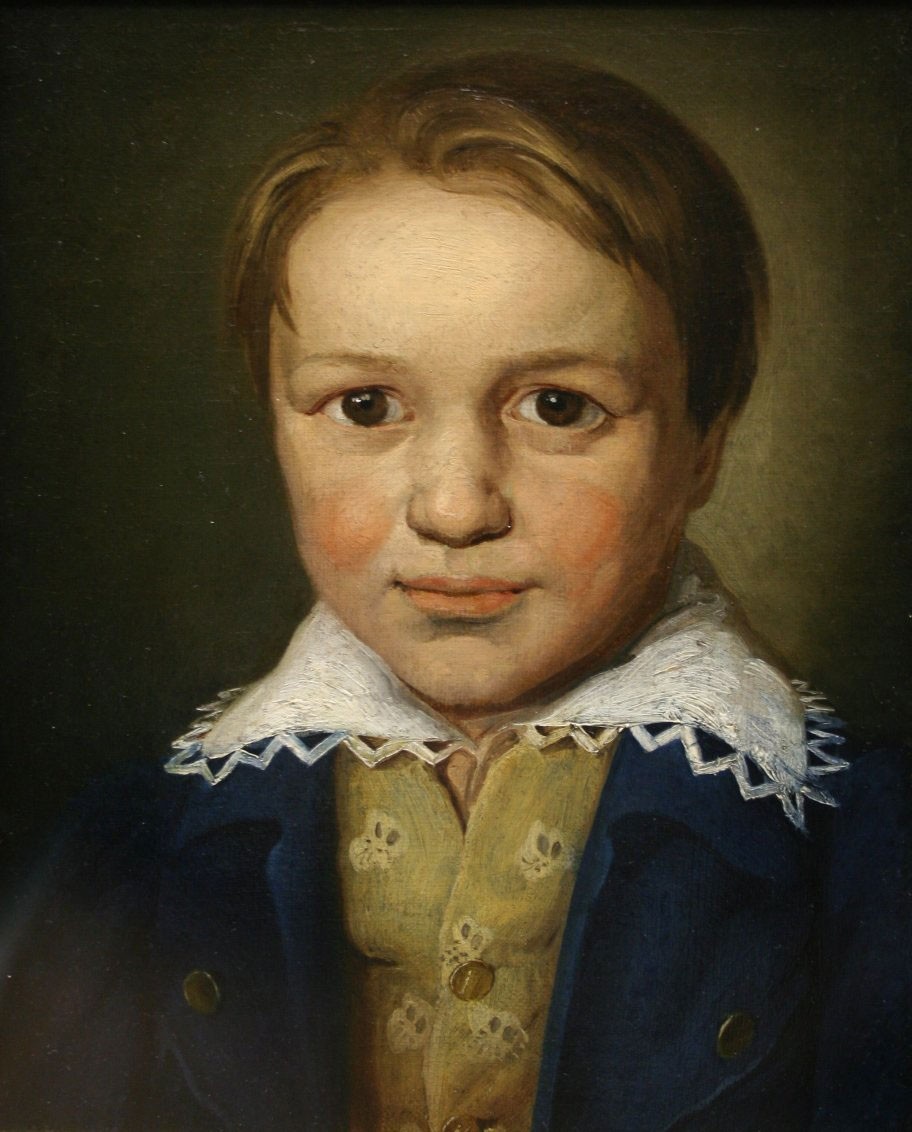
Ludwig van Beethoven was born in Bonn, Germany on 16th December 1770. His father taught him the piano and soon realised that his son was musically highly gifted. Beethoven composed his first published music, a set of keyboard pieces, in 1783, when he was only 12. He then wrote three piano sonatas, which he dedicated to the Elector (ruler) of Cologne. The Elector recognized his talent and encouraged his musical career.
Vienna
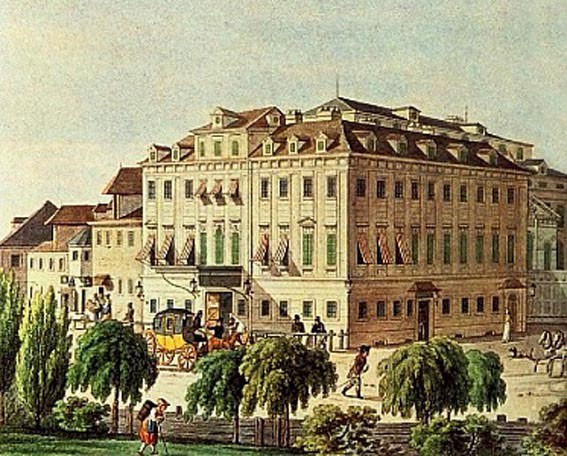
In 1792, the Elector helped Beethoven to move to Vienna, the capital of the Habsburg Empire and cultural centre of Europe. At first Beethoven studied music and performed in public but he gradually developed his career as a composer. Beethoven began to lose his hearing in 1796. He suffered from a ringing in his ears that made it difficult for him to hear music. He continued to compose music but gave up public performances after 1811. By 1814 he was almost completely deaf. At the end of the first performance of his Ninth Symphony, he had to be turned round so he could see the audience applauding the work. Beethoven died in Vienna on 26th March 1827, aged 56.

Compositions
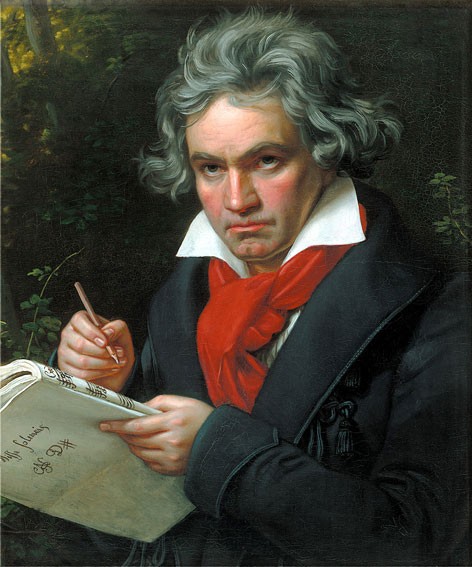
Beethoven began composing music in the classical style of his fellow composers Mozart and Haydn. He later developed a style of romantic music that was very expressive and often heroic in scale. Beethoven wrote nine symphonies for full orchestra plus another 12 large-scale orchestral works. He also wrote seven concertos for one or more soloists and orchestra, 32 piano sonatas, and 16 sonatas for other instruments. Among his smaller, chamber works are 16 string quartets and five string quintets, seven piano trios and many pieces for wind instruments. He also wrote choral music, including the large-scale Missa Solemnis, numerous lieder (songs) and one opera, Fidelio.
The nine symphonies
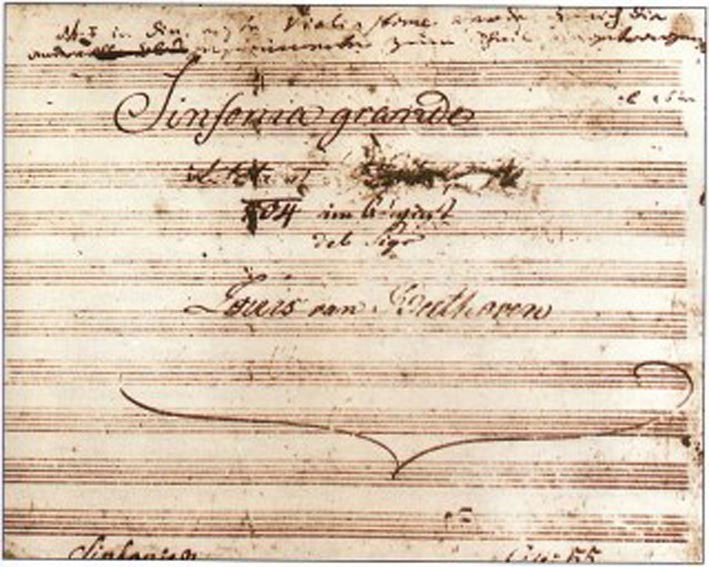
Beethoven wrote nine symphonies. A symphony is major work for full orchestra. It consists of several movements, or sections, incorporating a range of "moods" and speeds but usually with an overall artistic unity. A symphony usually begins and ends in the same key. The Third Symphony, the Eroica, was written in 1805 and originally dedicated to Napoleon Bonaparte. When Napoleon decided to proclaim himself Emperor of France, Beethoven is said to have scratched out Napoleon's name on the title page of the symphony in disgust, saying, "Now, he will think himself superior to all men and become a tyrant!"
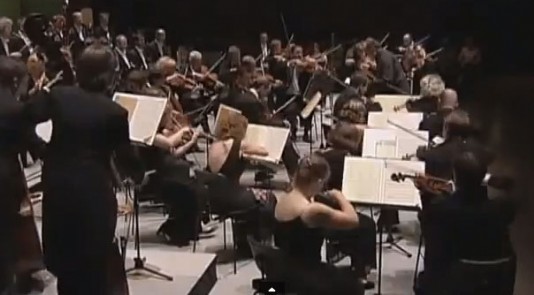
The Fifth Symphony of 1808 opens with three short notes and a longer, and lower, fourth note, and has been described as sounding like "fate knocking at the door"—although some experts say it may have been a simple representation of the song of a bird.
The Sixth Symphony of 1808 is known as the Pastoral Symphony as it reflects Beethoven’s love of nature. It includes notes imitating particular birdsong. The Ninth Symphony, known as the Choral Symphony, was first performed in 1824. Its final movement includes the Ode to Joy, a poem written by Friedrich Schiller in 1785 and sung by both solo singers and a full choir. The Ode to Joy is now the anthem of the European Union.
Consultant: Philip Wilkinson
pics

Without in any way limiting Q-files Ltd’s exclusive rights under copyright, any use of this publication to “train” generative artificial intelligence (AI) technologies to generate text is expressly prohibited. Q-files Ltd reserves all rights to license use of this work for generative AI training and development of machine learning language models.