
Weather and climate
Weather
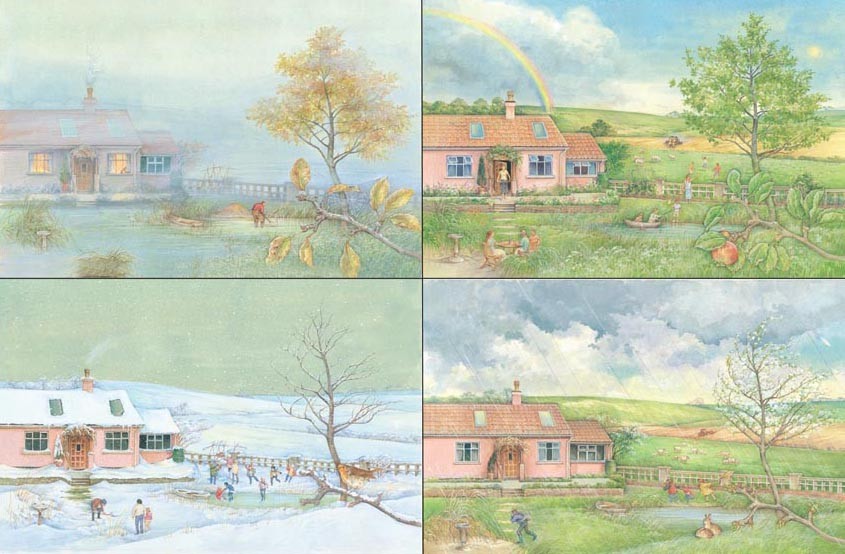
Weather is the conditions and changes that take place in the lower atmosphere, up to about 20 kilometres (about 12 miles) high. It includes temperatures by day and night, wind speed and direction, cloud type and cover, rain, hail, snow, frost, ice, droughts and storms. Weather can change by the minute or from day to day. The study of the weather is called meteorology.
Weather forecasting
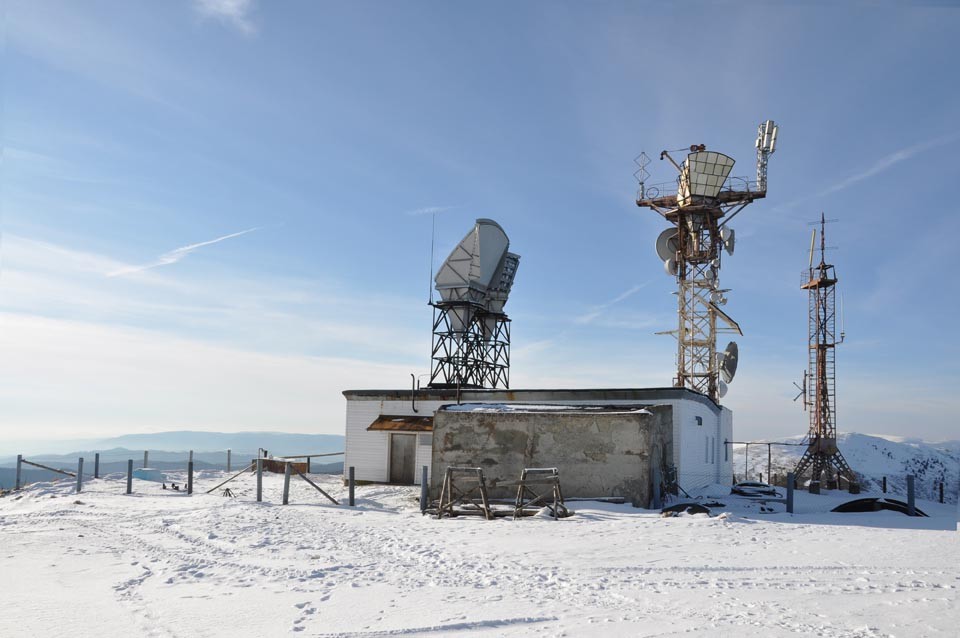
Weather plays an important part in our lives. For example, without rain, our crops would die, but too much rain can cause floods. It is therefore very useful to be able to predict what the weather has in store for us. To do this, weather forecasters gather information about weather conditions from satellites in space and weather stations.
Weather fronts
The driving force for our weather is the Sun. By day and night, winter and summer, it warms different parts of the Earth’s surface by different amounts. It evaporates water into the atmosphere to form clouds and also makes some regions of air warmer than others. Warm air rises and cooler air flows along to take its place, producing winds.
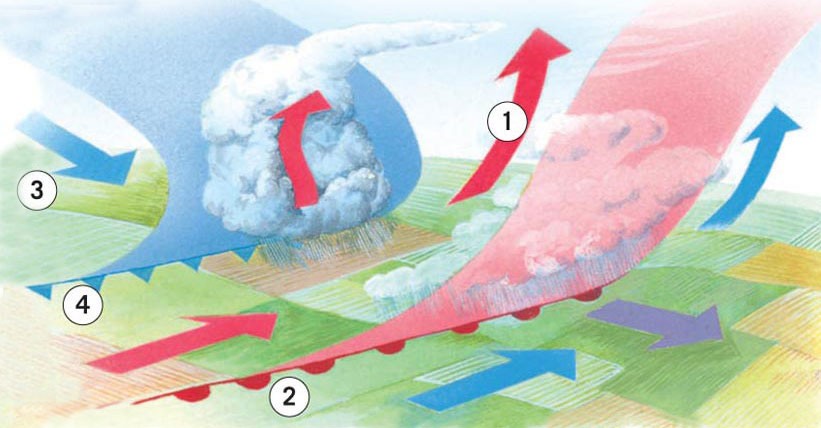
When warm air flows up and over colder, heavier air (1), the moisture in it condenses (changes from gas to liquid), causing clouds to form and rain to fall. This is a warm front, shown on weather maps as a line with semicircles (2). When cold air (3) pushes against warm air along a cold front (shown as a line of triangles, 4), it forms a low wedge, bringing a narrow band of heavy rain and then cooler, fresher, showery conditions.
Low and high
pressure systems
Pressure is the weight of air pressing down on the Earth's surface. Air pressure is not the same across the Earth however. These differences are the result of unequal heating of the Earth's surface by the Sun.
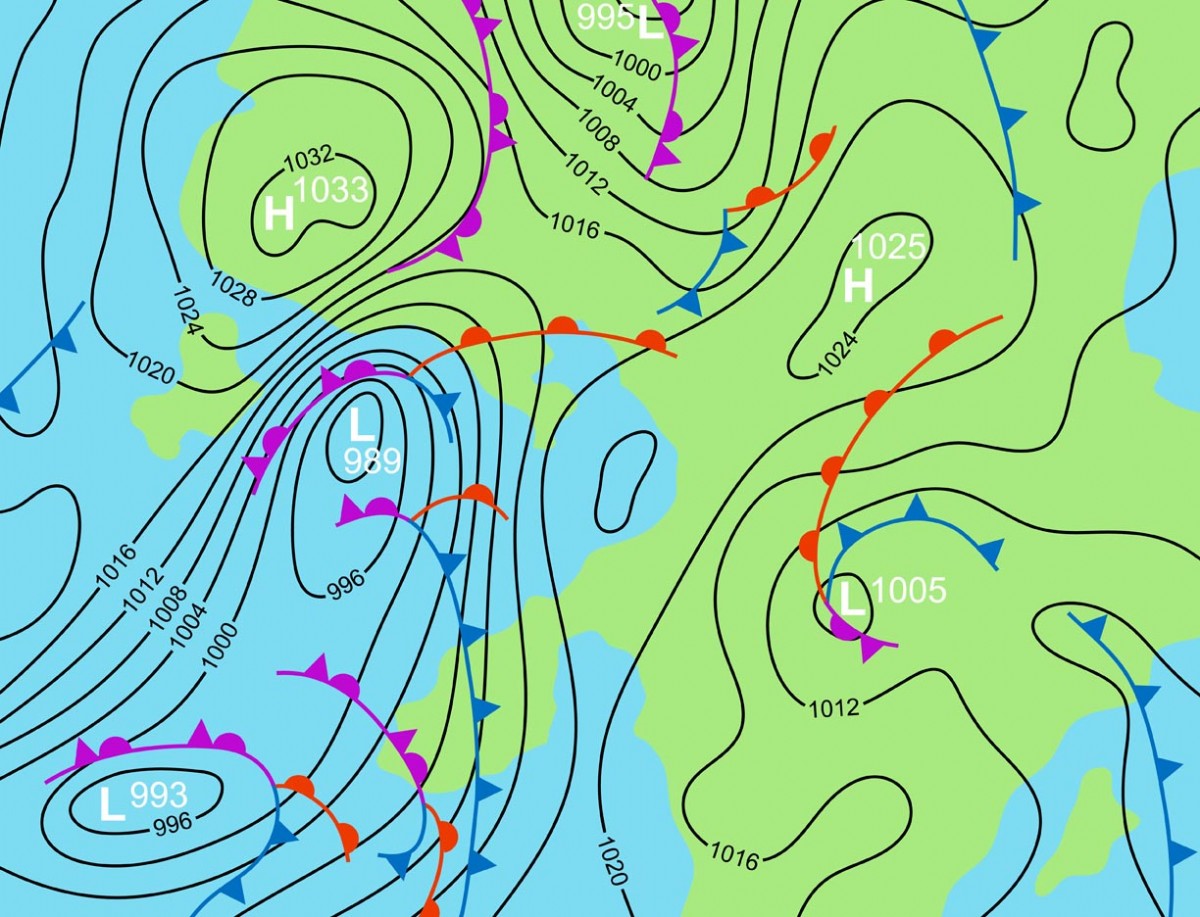
A low-pressure system, or "low" (L on the map), is an area of warm, rising air. Because of this, lows normally produce clouds, rain or snow and sometimes tropical storms. The clouds reflect heat from the Sun back into the atmosphere, so the surface cannot warm up as much during the day. At night the clouds act as a blanket, trapping the warmth below. Areas of low pressure are also known as depressions or cyclones.
A high pressure system, "high" (H on the map), or anticyclone, is caused by sinking air. As the air cools, it becomes denser and sinks toward the Earth's surface. Most of the water vapour evaporates, so highs usually have clear skies and calm weather. Unlike areas of low pressure, the absence of cloud means that areas of high pressure have a greater range in daily temperatures: there are no clouds to block incoming radiation from the Sun or trap outgoing radiation at night.
Air pressure is usually measured in millibars. Standard air pressure at sea level is 1013 millibars: high pressure centres have somewhat higher pressure than that, and low pressure centres have much lower pressure.
Jet streams
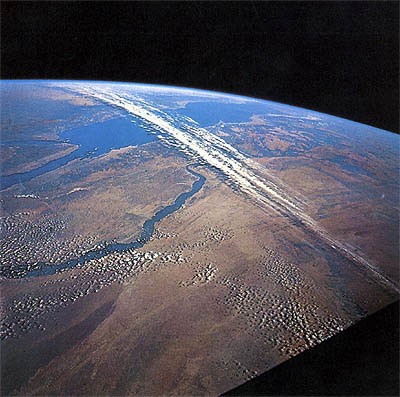
Jet streams are narrow bands of air that travel across the sky at high altitude, 10–15 kilometres (6–9 miles) above the Earth, and at great speed—up to 500 km/h (300 mph). Their presence is revealed by ribbons of cirrus cloud hundreds of kilometres long. One jet stream flows in a long, wavy path along the boundary between cold polar air and warm tropical air in the northern hemisphere. It is responsible for creating depressions and anticyclones, and so plays a big part in the weather of Europe and North America.
Consultant: Ian Fairchild