
Resources and industry
Fishing
People have been catching fish from the sea, rivers and lakes for thousands of years. Fishing is still a source of food, and an important industry for many people living near the sea. Most fish are now caught by fleets using modern equipment. This is called commercial fishing. Japan, China and Russia are the largest commercial fishing nations. There are about 30,000 kinds of fish, but only a few hundred are caught commercially. The world’s major fishing grounds are the areas of relatively shallow waters that lie above the continental shelf—those parts of the Earth’s landmasses that are submerged by ocean waters.


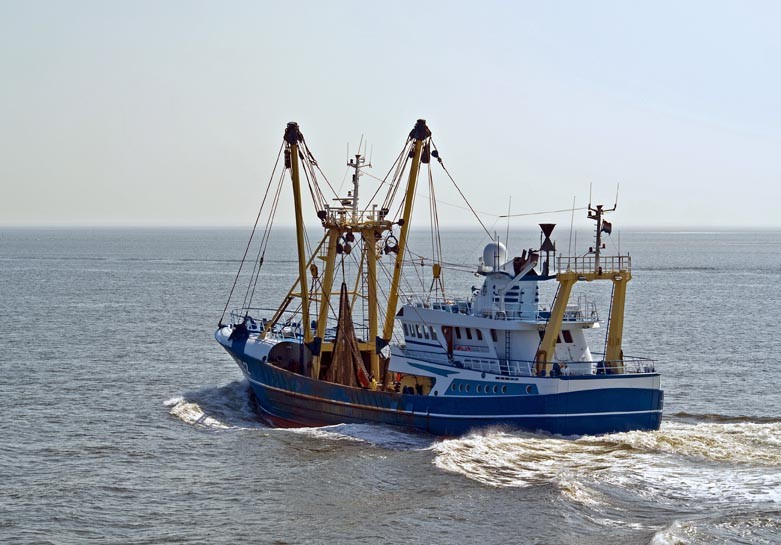
Trawlers
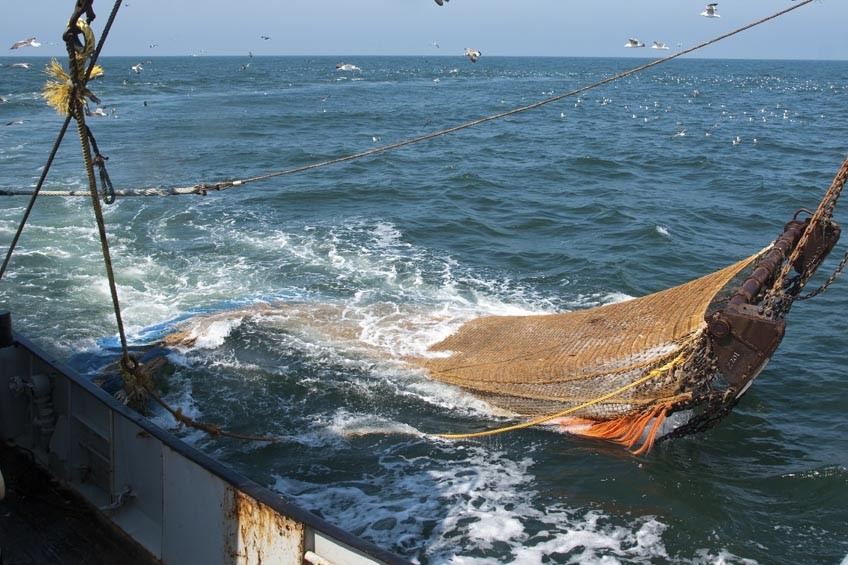
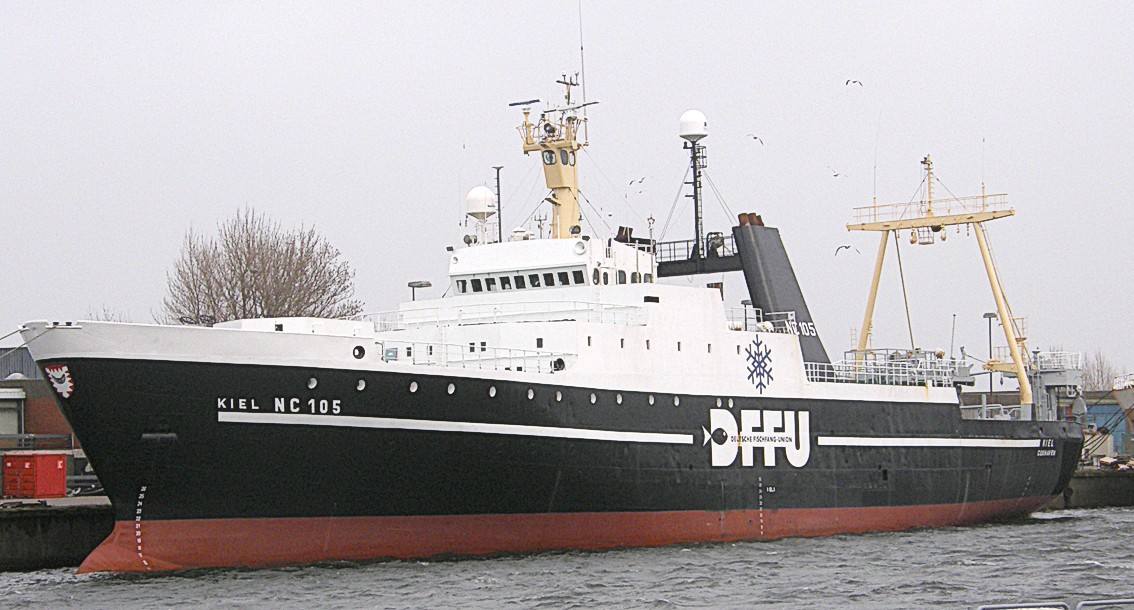
Most sea fish are caught by fishermen working on trawlers. Trawlers are equipped with a large net that is trawled (dragged) along or just above the seabed. Distant-water trawlers, the most numerous type, can stay at sea for several months. Many of them have freezers so the fish can be gutted and frozen on board. Middle-water trawlers go out for two or three weeks, and near-water trawlers for only a few days at a time.
Trawling nets each have a mouth, a body through which the fish are guided inwards and a narrower "cod-end" where they collect. With bottom trawling, the mouth of the net is held open by a beam attached to metal plates that slide over the seabed. Smaller vessels use these kinds of trawling nets for catching flatfish or shrimp (prawns) close to shore. Some nets are fitted with rubber wheels that let the net crawl over the rocky sea bottom.
Trawlers also catch demersal fish, those kinds that live just above the seabed. North Atlantic trawlers catch cod in the cold waters off Canada, Greenland and Scandinavia. Japanese and American fleets catch tuna in the deep waters of the Pacific Ocean.
Middle-water trawlers catch fish such as halibut and plaice, while near-water vessels catch fish that live in the warmer waters close to shore, such as haddock, plaice, sole and turbot. These boats do not have freezers on board but the fish can be packed in ice to keep them fresh.
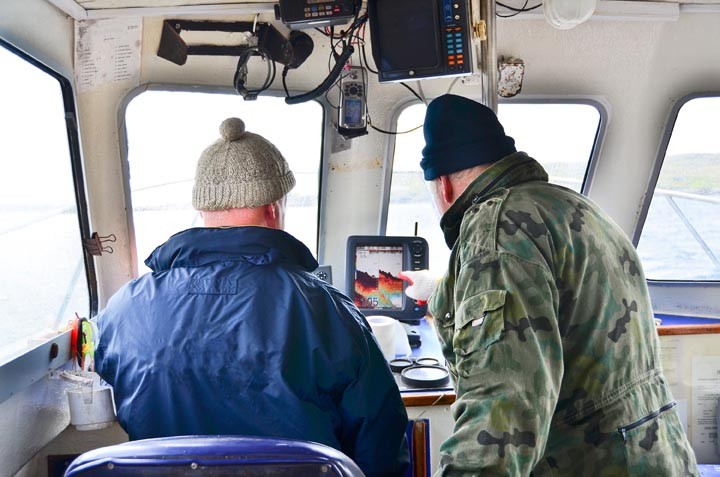
Sonar technology
Modern ships are equpped with sonar technology. Pulses of ultrasound are transmitted and bounce back to the ship; shoals of fish show up on a computer screen. This is possible because a fish's air-filled swim bladder has a different density from seawater, causing sound waves to travel differently through fish than through water.
Nets
A trawl net dragged along the seabed or in deep waters behind a trawler scoops up thousands of fish at a time. Fish that live near the surface, such as herring, salmon and sardines, are caught in purse seine nets. Purse seine nets are spread out to catch the fish and the ends are then pulled together to trap them inside.

Bluefin tuna
The bluefin tuna is very important to the commercial fishing industry. There are four species of bluefin tuna. A large, fast-swimming fish, the largest species measures up to 4 metres (13 feet) in length and weighs more than 500 kilograms (1100 pounds). In high demand in Japan, it is fished using purse seine nets. Catches of Pacific bluefin tuna were reduced in 2011 in order to rebuild the stock. A 2024 report determined that the species had rebuilt and was no longer overfished.


Overfishing
Today, in many traditional fishing grounds, numbers of fish are declining fast as a result of overfishing. In the North Atlantic, herring are now almost extinct, and there are far fewer cod and haddock. The use of huge factory ships, on which large quantities of fish can be frozen, is severely depleting supplies for local people in developing countries, who rely on fish for their livelihood. There is also concern about the destruction of ocean food chains by overfishing. It is estimated that 20 million tonnes of fish a year are discarded by fishing boats because they are not the right kind—a practice that needlessly reduces stocks of other kinds of fish.
Seafood catches
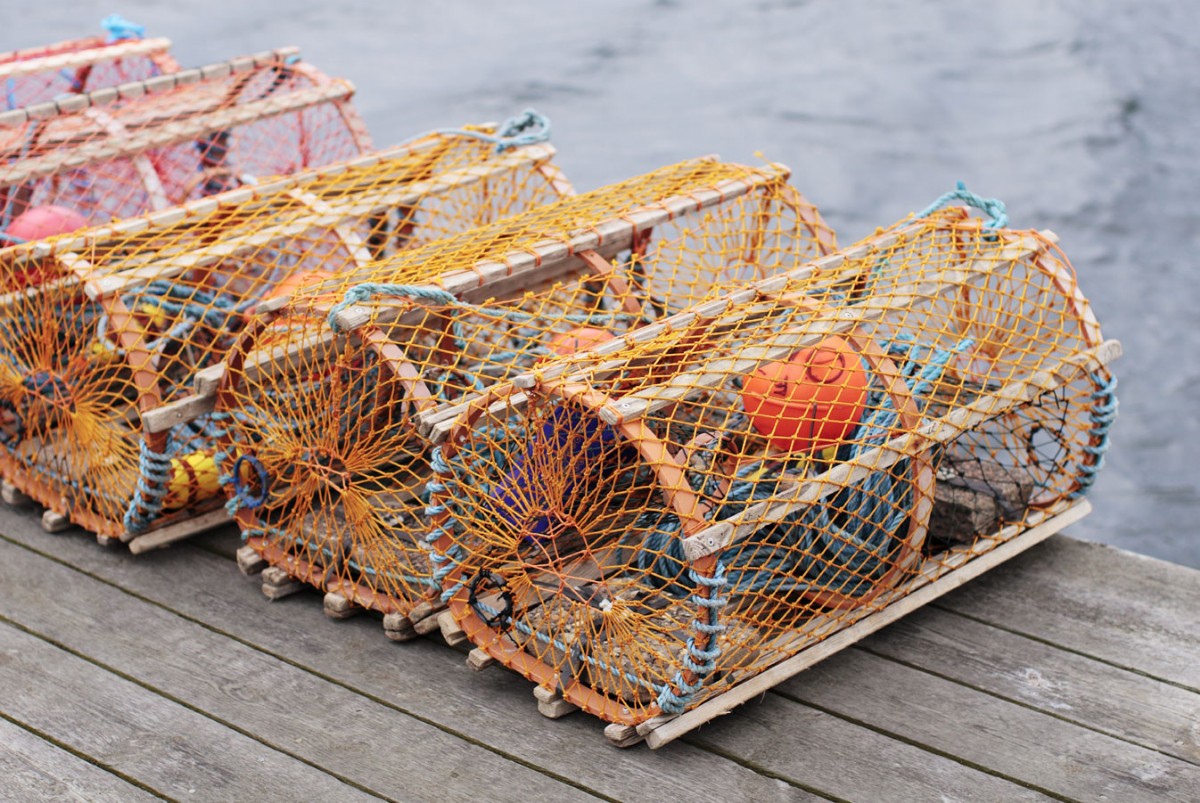
Different techniques are used to catch other marine creatures. Lobsters and crabs are caught in small traps called pots. Oysters and scallops are collected with a dredge, a triangular steel frame with a net on it, which is towed along by a fishing boat.
Traditional fishing

In many parts of the world, fishermen catch fish from the shore using rods, or go out in small boats and catch fish with hand-held nets, as they have done for centuries. These fishermen catch only enough fish for their local communities.
Fish farming
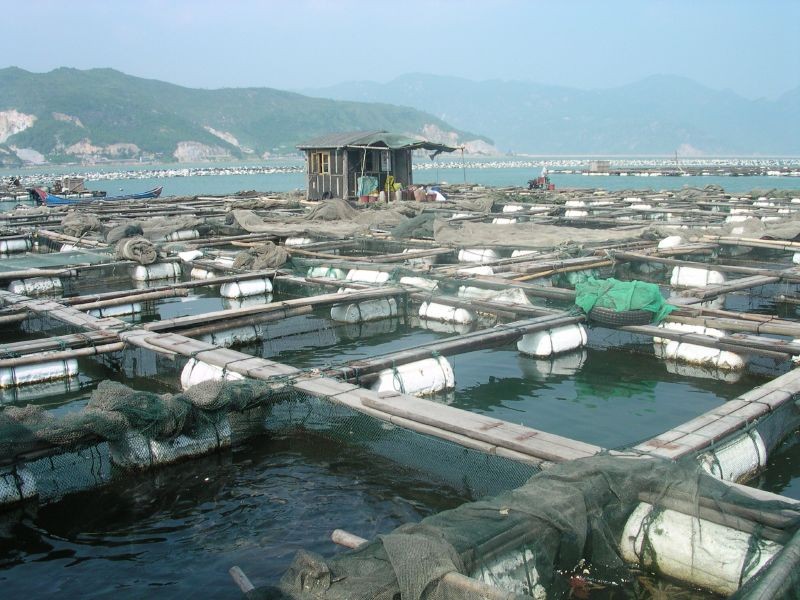
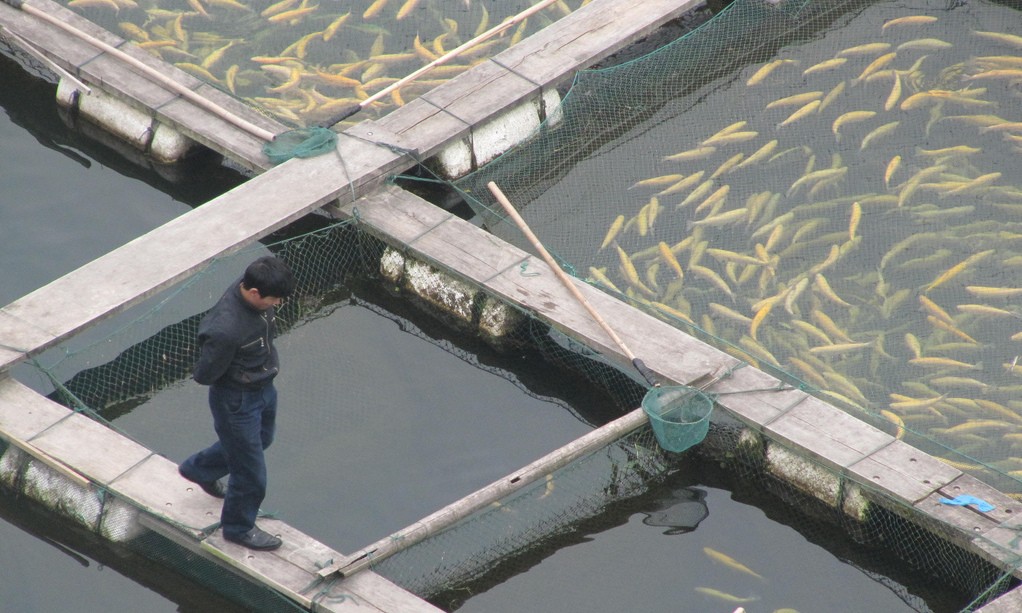
Commercial fishing is based on harvesting wild fish. The decline in stocks worldwide has led to the development of an alternative way of supplying fish for food: fish farming. This is the raising of fish in tanks, pens or enclosures for sale. Popular farmed species include salmon, carp, tilapia and catfish. Other marine life, such as shrimp, oysters and seaweed, can be farmed too; together with fish farming they are all forms of aquaculture.
In “offshore cultivation”, fish cages or pens are placed in the sea to contain and protect fish until they can be harvested. Young fish netted at sea (e.g. bluefin tuna) or raised in hatcheries (e.g. salmon) are kept in the pens.
The water is oxygenated (oxygen is added to the water) and the fish are given a special food mixture that helps them grow fast. Certain species of farmed fish, such as salmon, which are carnivorous, still need to be fed, so other types of fish must be caught for fishmeal.
Whaling
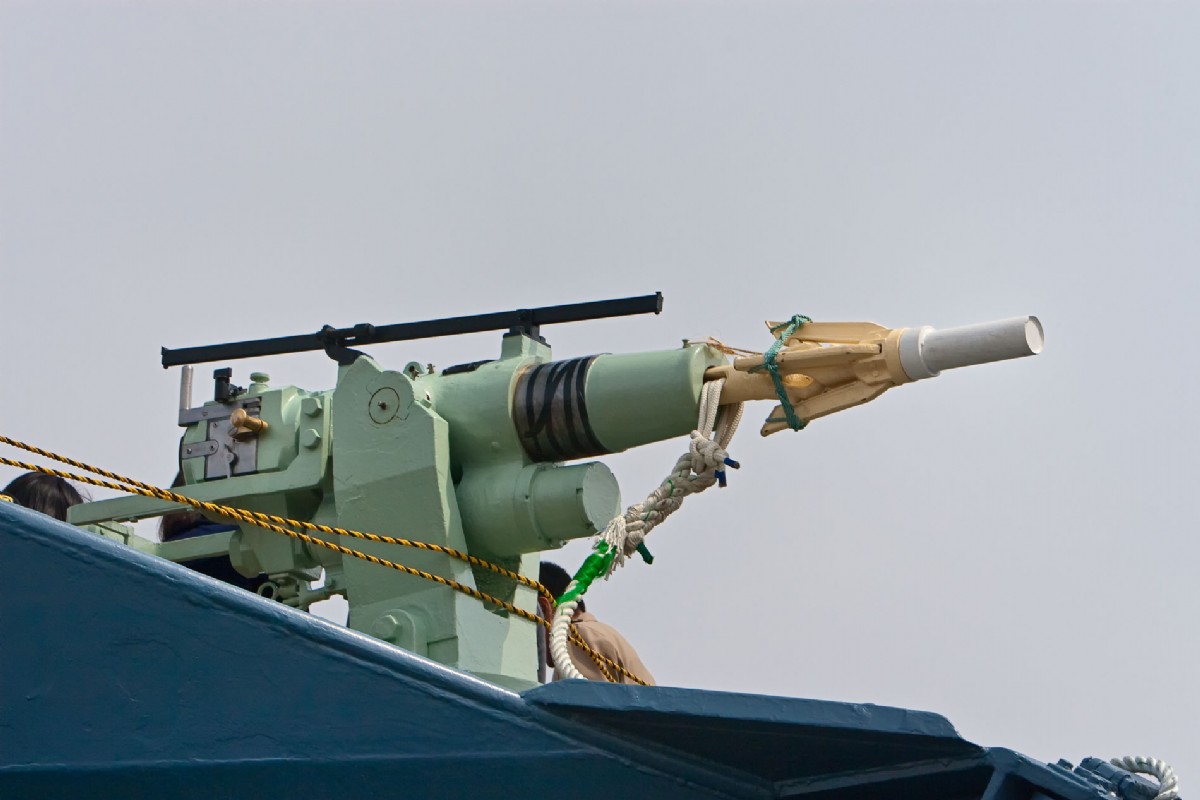
Whales (which are mammals, not fish) used to be widely hunted for their meat and oil. Harpoons and factory ships were used. So many species became endangered that commercial whaling of many species was banned by international agreement in 1986. Some countries, including Japan (on grounds of scientific research), Iceland and Norway, still carry out whaling with the permission of the International Whaling Commission (IWC).
Consultant: Lloyd Jenkins