
Britain in World War I
Battle of Gallipoli
On 25th April each year, ANZAC Day, Australia and New Zealand remember those who died at the Battle of Gallipoli during World War I. The military campaign, also known as Dardanelles Campaign or the Battle of Çanakkale, was fought between the Allies and the Ottoman Empire. It took place between 25th April 1915 and 9th January 1916 on the Gallipoli peninsula in what is now Turkey. It was a great disaster for the Allies—including Britain and France as well as Australia and New Zealand, who were loyal to the British Empire—with many thousands of casualties.
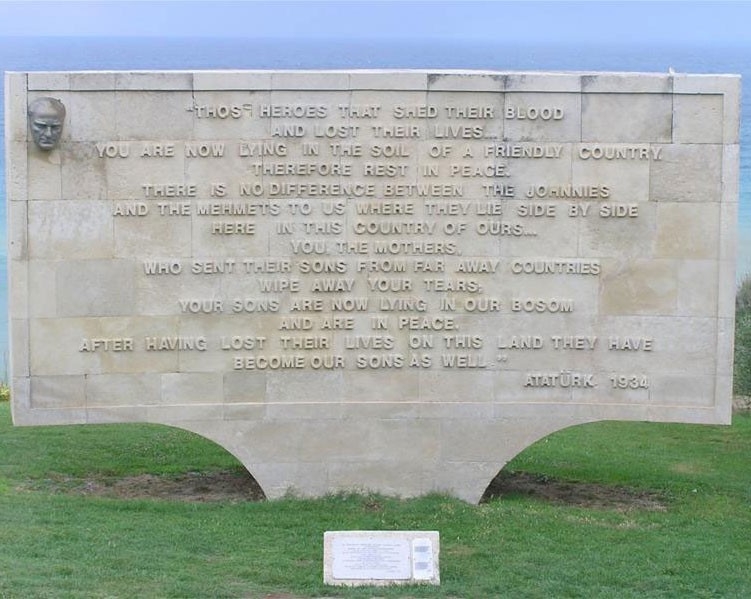
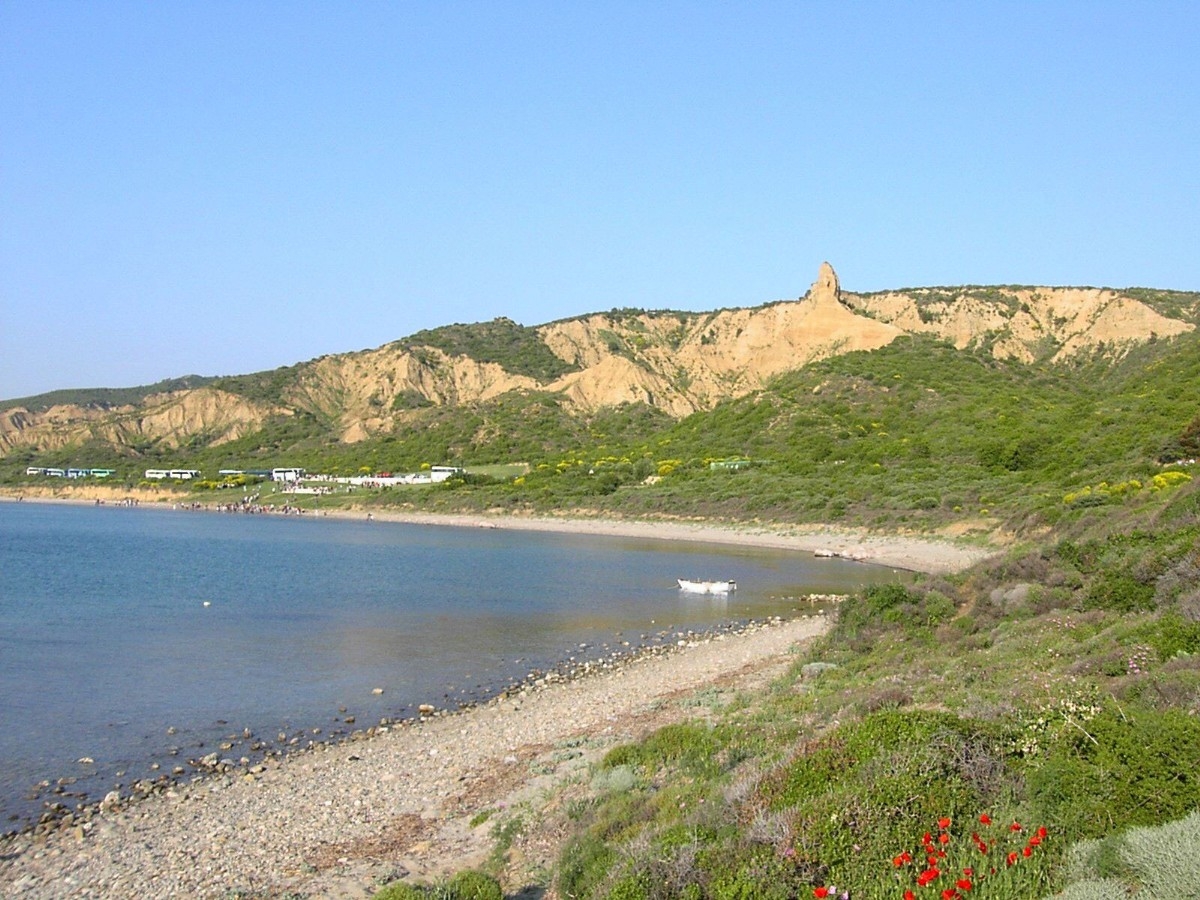
Dardanelles front
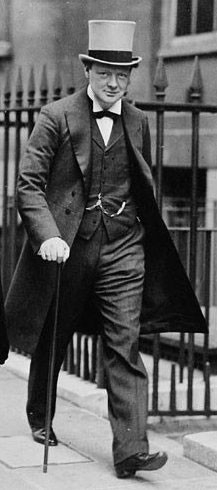
On 25th November 1914, First Lord of the Admiralty Winston Churchill proposed a plan to the British War Council for a new front in the Dardanelles, the narrow straits that linked the Mediterranean to the Black Sea. This would help open up a sea route for Britain's ally, Russia. It would also force Germany to split her forces, because some would be needed to support the army of their allies, the Ottoman Turks. This would leave German lines weakened elsewhere in Europe, giving the Allies a boost.
Churchill believed that the Turkish forts in the Dardanelles were vulnerable to British naval gunfire. But senior commanders in the Royal Navy argued that long-term planning was necessary and that Churchill’s plan for an attack was too hasty and full of risk. The War Council, however, approved Churchill's plan.
On 19th February 1915, the British fleet under Admiral Carden opened up an attack on Turkish positions. Allied troops were put on standby in Egypt. But the resistance of the Turks proved greater than anticipated.
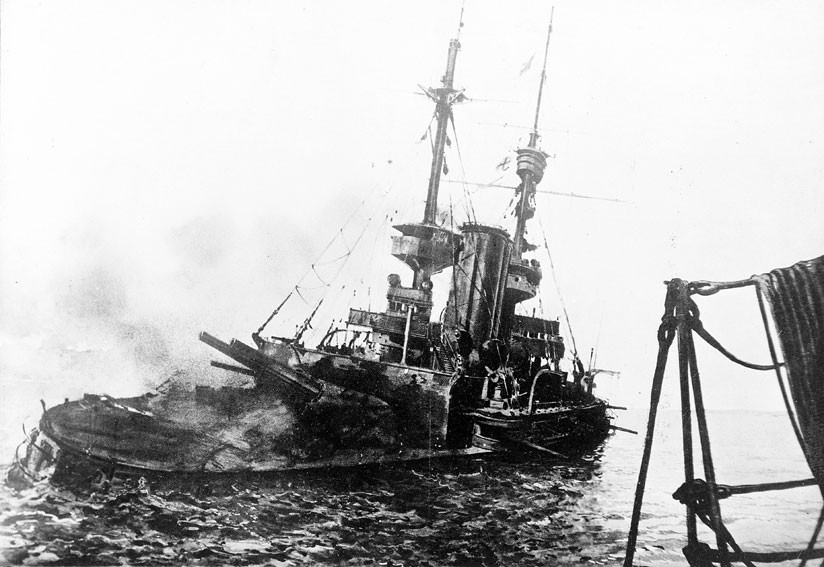
A second onslaught carried out by the Allied fleet, comprising 18 battleships and an array of cruisers and destroyers, began on 18th March 1915. The attack was directed at the narrowest point of the Dardanelles near the port of Çanakkale. But it, too, was repulsed by Turkish minefields and land artillery. Six British battleships were sunk or crippled.

Confident that their troops were superior to their Turkish counterparts, the British nevertheless pressed ahead with their plan for a land battle. Under the command of General Sir Ian Hamilton, the Mediterranean Expeditionary Force, containing men from Australia and New Zealand (the Australian and New Zealand Army Corps or ANZAC) as well as Britain and France, was to be landed at several beaches along the Gallipoli peninsula, on the northern side of the Dardanelles.
The invasion begins
The Turkish troops were poorly equipped and their supplies were inadequate, but they were stationed on higher ground. The invasion began on 25th April 1915. British and French forces landed on several beaches near Cape Helles. One of the British divisions was caught in the fire from Turkish machine gunners. Many soldiers could not get ashore and lost their lives at sea. Others made progress a few kilometres inland, before being checked.
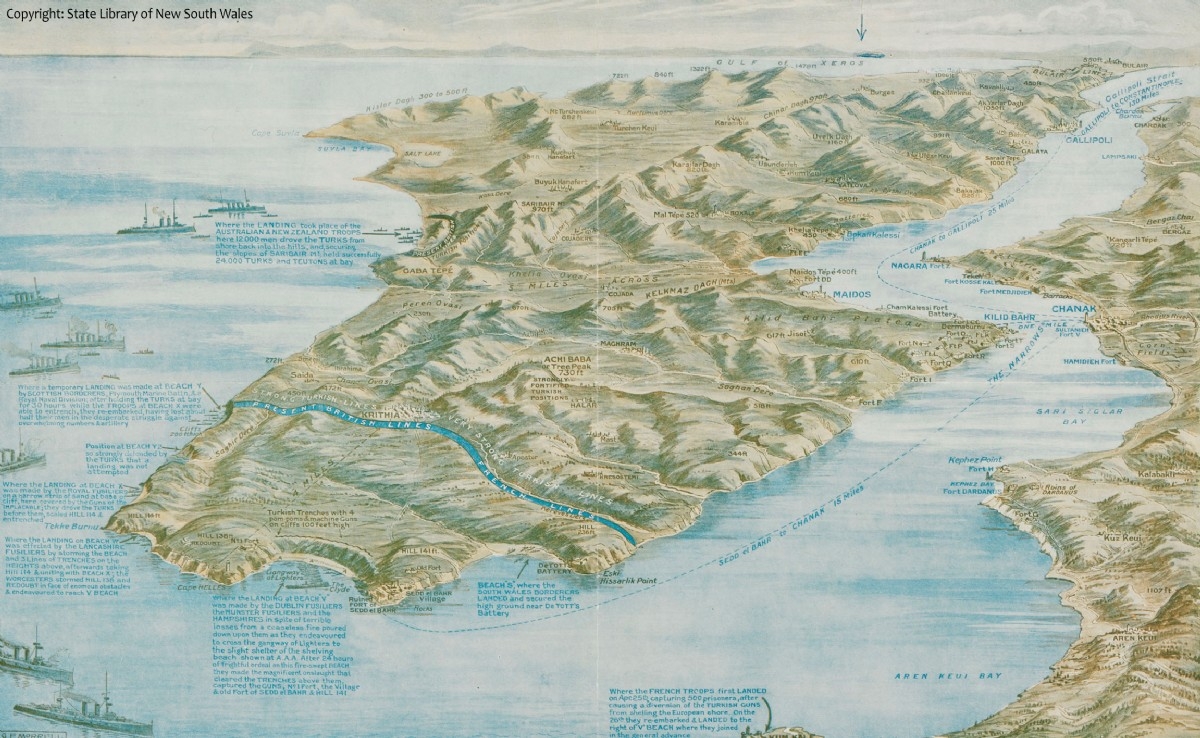
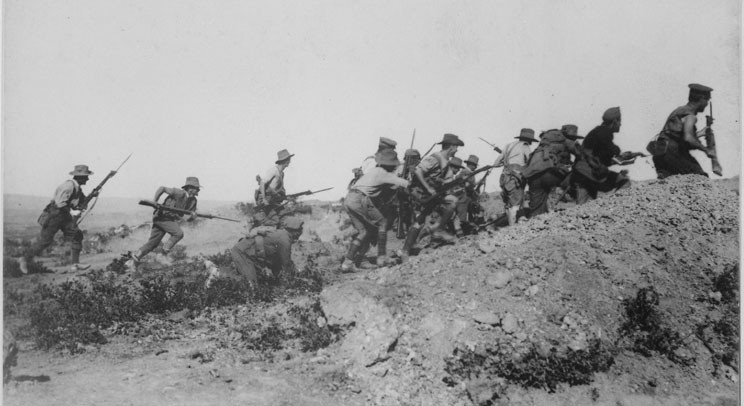
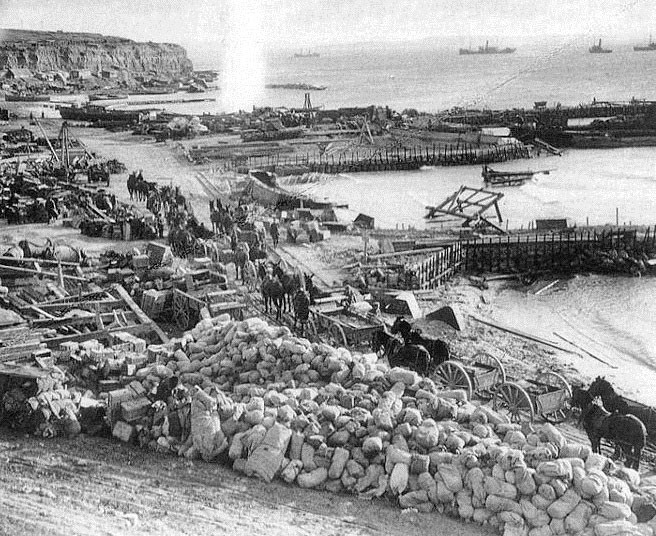
The ANZAC troops landed at what was to be called Anzac Cove. They were faced by steep cliffs which they had to climb to get off the small beach. The fighting was bloody, but Hamilton refused to allow them to retreat. By May, the Allies had lost 20,000 men—6000 dead, the rest injured—out of 70,000.

Allied retreat
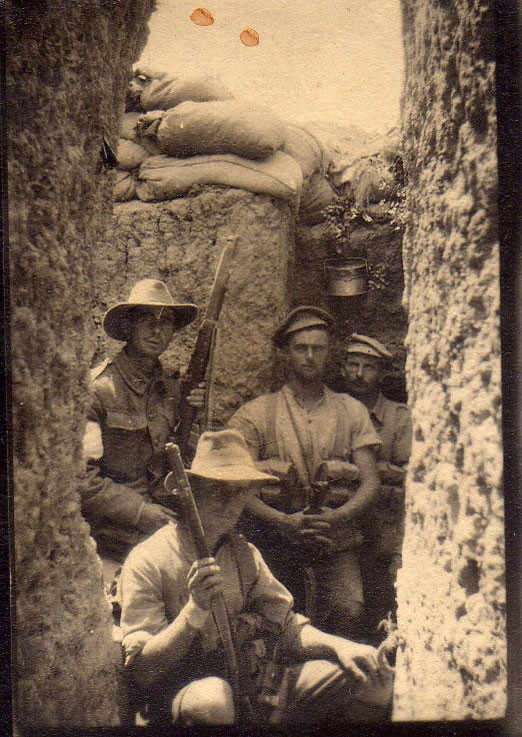
In August, Hamilton ordered a new attack on the coastline further north at Suvla Bay. Around 20,000 men were landed in an attempt to link up with the troops still camped in trenches in Anzac Cove. But the Turks held them back, too.
The soldiers on both sides were forced to endure appalling conditions: extreme heat, poor sanitation and infestation by countless flies. Eventually, after Hamilton was dismissed, the Allied troops were evacuated from both Suvla Bay and Anzac Cove.
Aftermath
It was a costly defeat for the Allies and for Churchill. On the other hand, the defensive campaign was declared a great victory for the Ottoman Empire. For the newly independent nations of Australia and New Zealand, Gallipoli was an event of tragic significance. In all, 8709 Australians and 2721 New Zealanders died, while 19,441 Australians and 4752 New Zealanders were wounded. Many more soldiers from Britain, France, India, Ireland and Canada also perished, most of them from diseases such as dysentery, diarrhoea and enteric fever. Total Allied dead or wounded came to about 200,000. The number of Turkish dead and wounded is estimated at around 250,000.
Consultant: Philip Parker