
The world in the 20th century
World War II year by year
1939
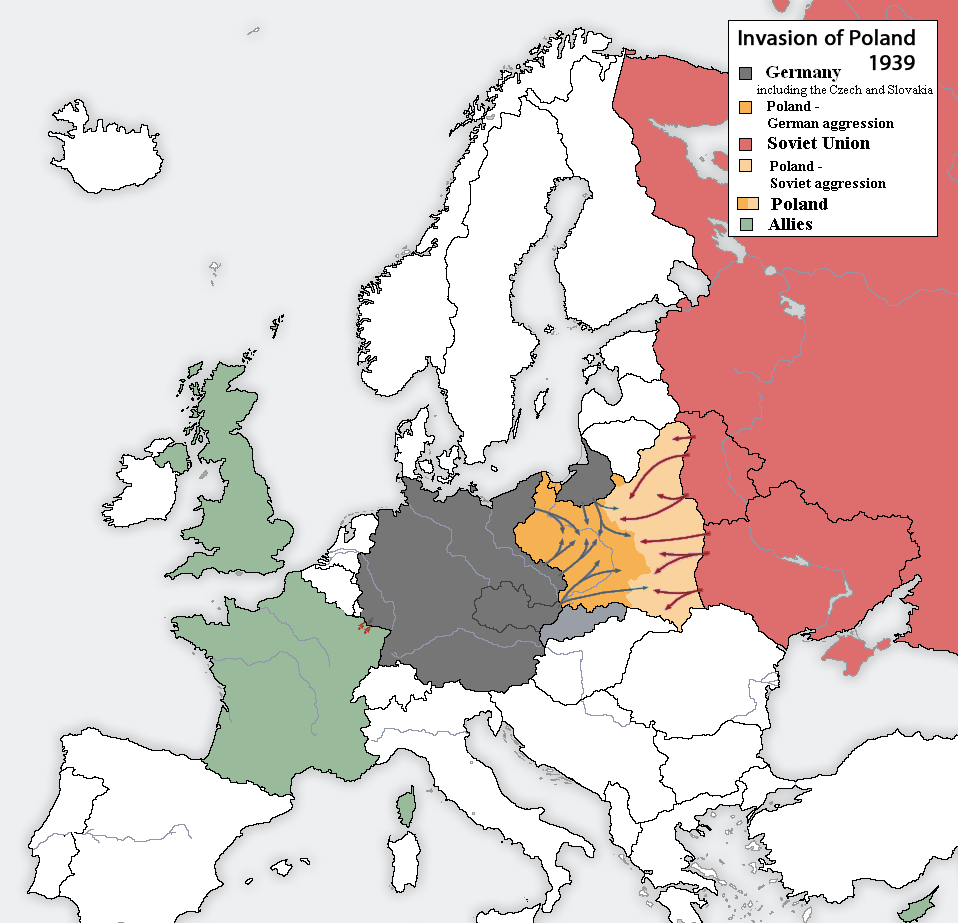
Declaration of war Following the Anschluss (union) of Germany and Austria in March 1938 and the German invasion of Czechoslovakia in March 1939, Europe stood on the brink of war. In August, the Nazi German dictator Adolf Hitler and the Communist leader of the Soviet Union Joseph Stalin signed the Ribbentrop-Molotov Pact, a non-aggression agreement between the two countries that also contained a secret plan to divide up eastern Europe into German and Soviet "spheres of influence". Germany then invaded Poland on 1st September. Having pledged to guarantee Poland’s borders five months earlier, Britain and France declared war on Germany on 3rd September.
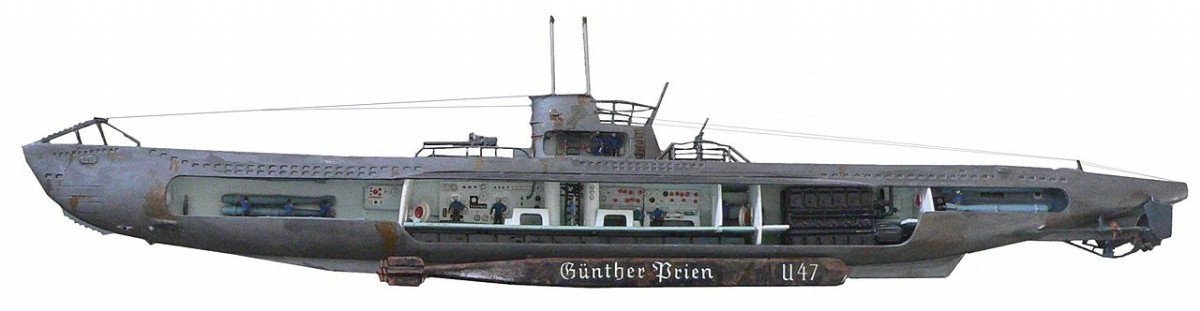
Battle of the Atlantic While the USA declared itself neutral, it continued to provide Britain with supplies. Thus began the Battle of the Atlantic, between British naval convoys carrying these supplies and German U-Boats (submarines) attempting to sink them.
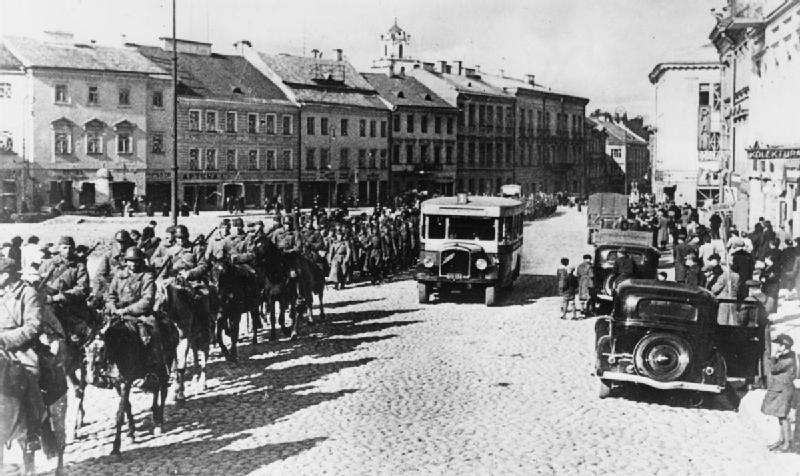
Soviet attacks During this early period of the war, called the “Phoney War”, there were few signs of conflict in western Europe. In eastern and northern Europe, however, it was a different story. The Soviet Union invaded Poland from the east later in September, and the capital Warsaw fell 10 days later. Poland was carved up between the two invaders. The Soviet Union then invaded Finland in November, starting the so-called Winter War.
1940
Invasion of Denmark and Norway The Winter War ended in March with the Soviets victorious and Finland ceding part of its territory to the Soviet Union. Germany invaded Denmark and Norway in April. Denmark surrendered immediately, but the Norwegians, with British and French assistance, fought on until 9th June.
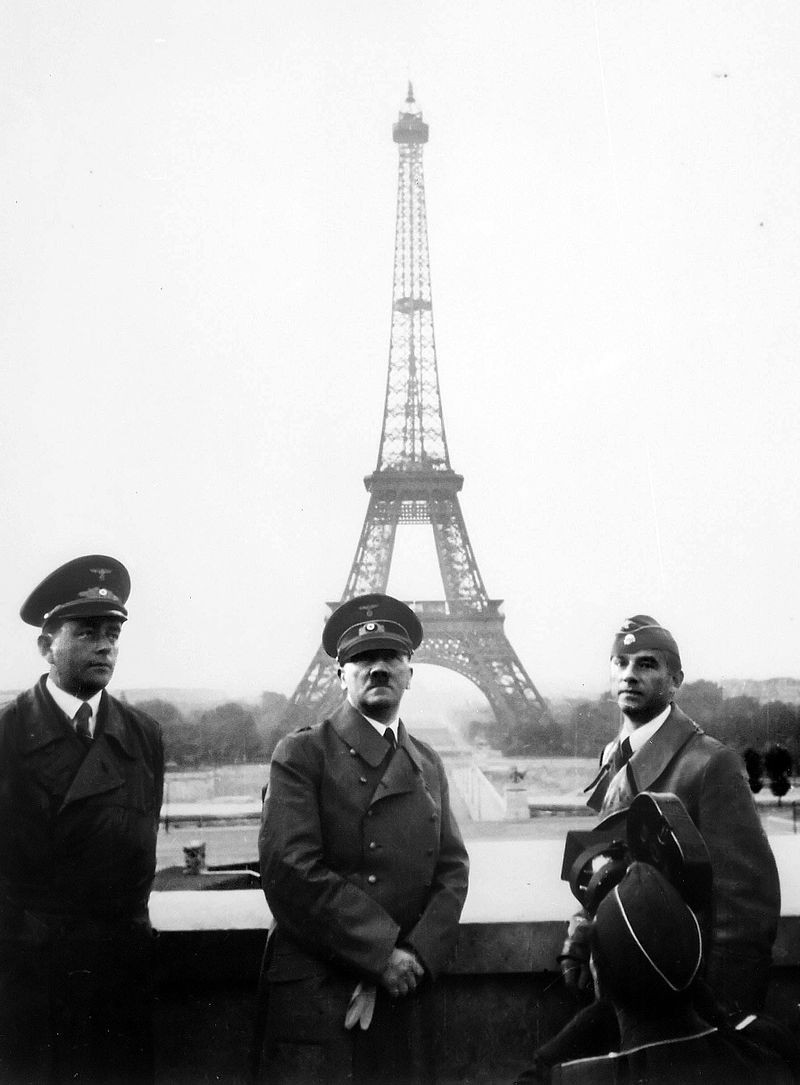
Blitzkrieg and the defeat of France On 10th May, Germany launched the Blitzkrieg, or “lightning war”, invading France, Belgium, Netherlands and Luxembourg. Fast-moving armoured tanks (panzers) combined with the superiority of the Luftwaffe, Germany's air force, swept aside any resistance. All three of the Low Countries fell before the end of the month, while Paris was taken two weeks later.
Vichy France On 22nd June, France signed an armistice agreement, by which the Germans occupied the northern half of the country, along with its entire Atlantic coastline. In southern and eastern France, a “puppet” regime under Marshal Philippe Pétain, with its capital in Vichy, was established.
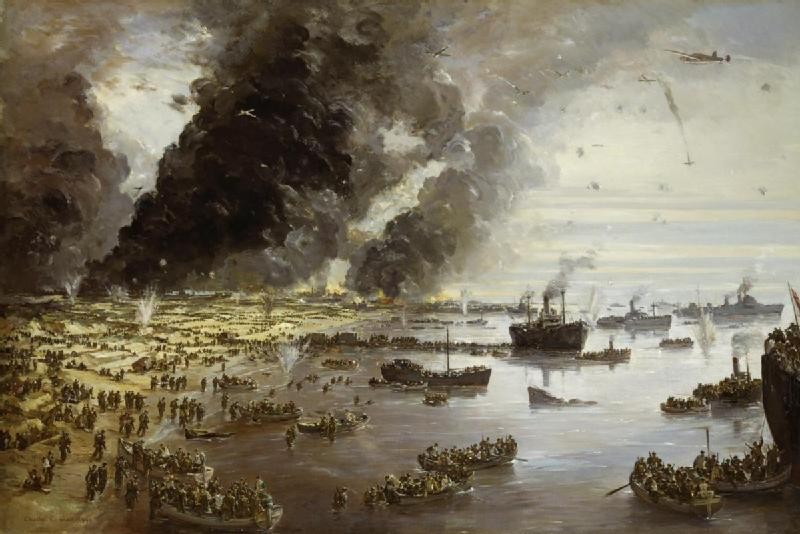
Dunkirk Troops of the British Expeditionary Force, which had vainly attempted to resist the Blitzkrieg, were forced to retreat back to Britain in haste. Some 226,000 British and 110,000 French troops were rescued from the channel port of Dunkirk between 26th May and 4th June using whatever vessels, including yachts and fishing boats, could be mustered.
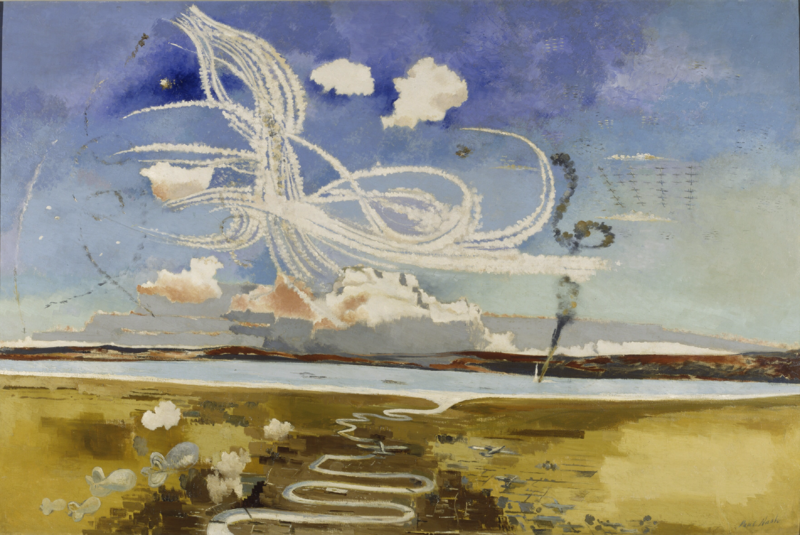
Battle of Britain Hitler now began to prepare for an invasion of Britain. For it to be successful, Germany needed to establish air superiority. The German air force, the Luftwaffe, set out to destroy British air power and its coastal defences, and fighter planes of the British air forces, the RAF, sought to stop them. The Battle of Britain, which lasted from July to October, was largely fought in the skies over southeastern England. Assisted by radar, an early warning system, the RAF emerged victorious.
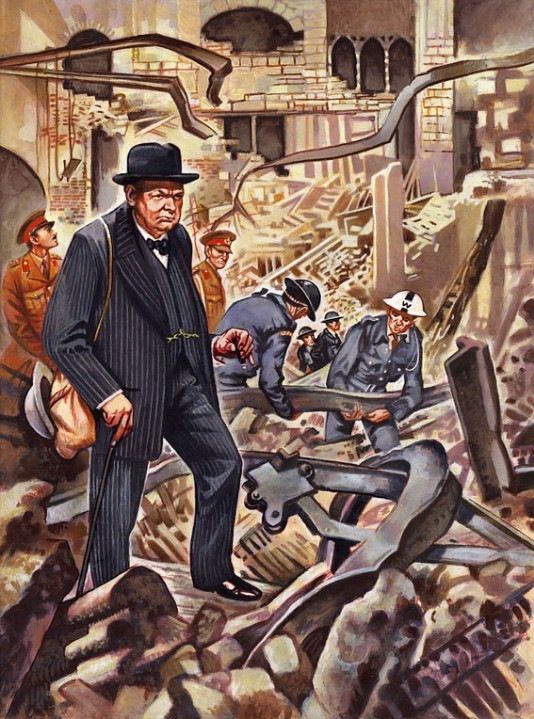
The Blitz From 7th September hundreds of German warplanes began bombing London and other British industrial cities and ports, including Hull, Liverpool, Birmingham, Glasgow and Coventry, in what was known as the Blitz. It became a night bombing campaign after October and continued on until May 1941. More than 40,000 people died during the Blitz.
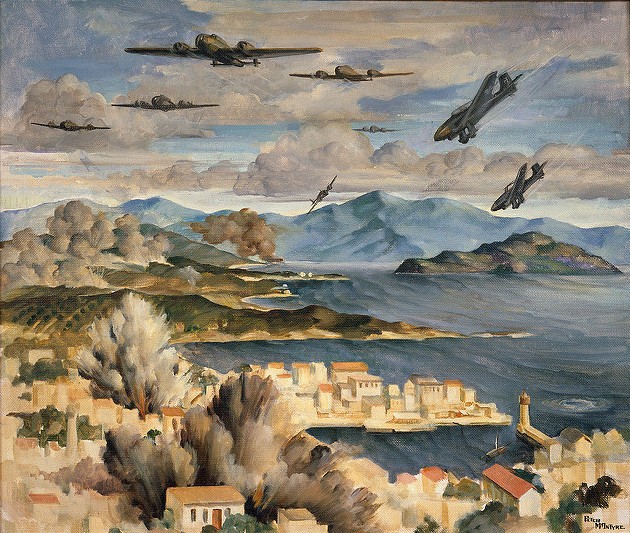
Italy enters the war Meanwhile, the Soviet Union occupied the Baltic States in June and annexed them in August. Italy under fascist dictator Benito Mussolini entered the war on the Axis side, invading British-controlled Egypt in September and Greece in October.
War on the Jews More than 400,000 Polish Jews were herded into a part of the Polish capital known as the Warsaw Ghetto. The Nazis' murderous campaign against the Jews, called the Holocaust, eventually claimed the lives of six million Jews, along with hundreds of thousands of other minorities.
1941
Tobruk The British army quickly defeated the Italian forces in western Egypt and Cyrenaica, eastern Libya, but then faced the German Afrika Corps, sent to reinforce the Italians in February. Driven back to the Egyptian border, British troops held out during the Axis siege of Tobruk, beginning in April, before reinforcements arrived and the Germans, under Field Marshal Rommel, withdrew by November.
Lend-Lease The United States began its Lend-Lease policy in March allowing US President Roosevelt to send ammunition and other war supplies to Britain and other Allied nations
Balkans and Greece Forces from Germany, Italy, Hungary and Bulgaria invaded Yugoslavia in April, forcing its rapid surrender. The independent state of Croatia was created and joined the Axis powers in June. Greece also fell to an invasion by German and Bulgarian armies in June.
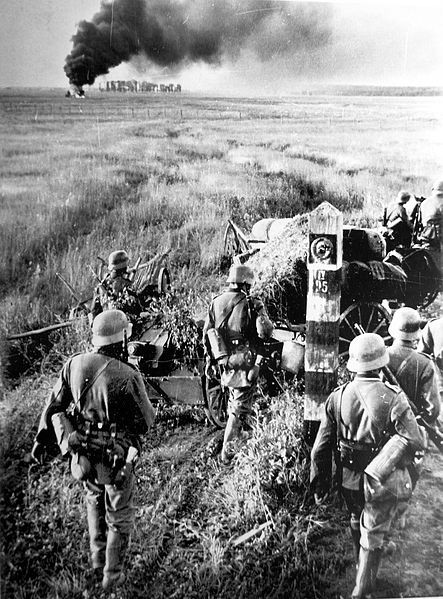
Operation Barbarossa On 22nd June, millions of troops from Germany and other Axis countries invaded the Soviet Union. Finland, avenging the losses it suffered during the winter War, joined the Axis. During what was called Operation Barbarossa, the Germans overran the Baltic States and lay siege to Leningrad (St Petersburg) by September. During the siege, which continued until January 1944, more than 500,000 people died of starvation. Meanwhile, the Germans captured the key cities of Smolensk, Kiev, Rostov and Sebastopol and drove on towards Moscow.
The bitter Russian winter, however, similar to one that Napoleon’s invading forces had experienced 150 years earlier, halted the German advance. Soviet forces counter-attacked in December, forcing the Germans to retreat from the outskirts of Moscow.
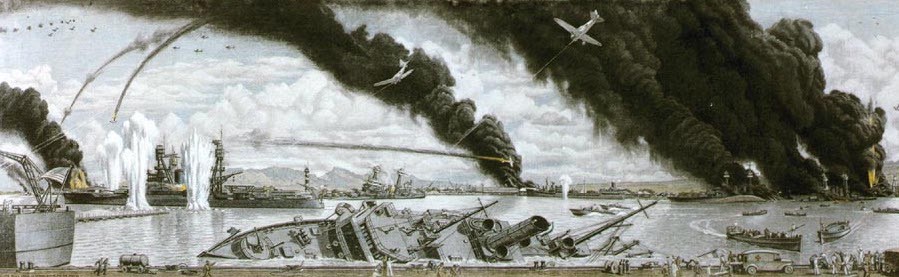
War in the Pacific Meanwhile, thousands of kilometres away in the Pacific Ocean, the Japanese launched a surprise attack on the US Navy base of Pearl Harbor in Hawaii on 7th December. The United States declared war on Japan the next day, with Germany and Italy declaring war on the US a few days later. Within a week of Pearl Harbor, Japanese troops invaded the Philippines, Thailand, Malaya and Hong Kong. The Pacific war had begun: now the conflict was truly global.
1942
Rommel’s advance In North Africa, Rommel's Afrika Korps began a counter-offensive, driving the British back and capturing Tobruk after the Battle of Gazala in June.
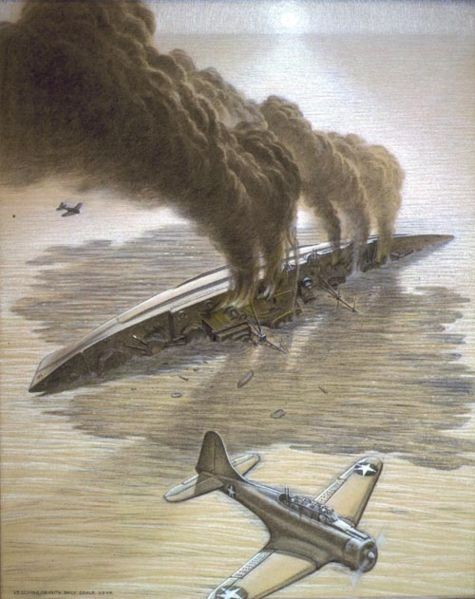
Japanese expansion In the Pacific, the Japanese overwhelmed the American forces in the Philippines by May, and continued their expansion into Borneo, Java and Sumatra. The British “fortress” of Singapore fell rapidly in February, with around 80,000 prisoners taken. The Japanese then captured key islands of the Pacific, including Guadalcanal in the Solomon Islands. Japanese and American navies met at the Battle of the Coral Sea in May. Although Allied losses were greater than Japanese, the Japanese advance across the Pacific was halted.
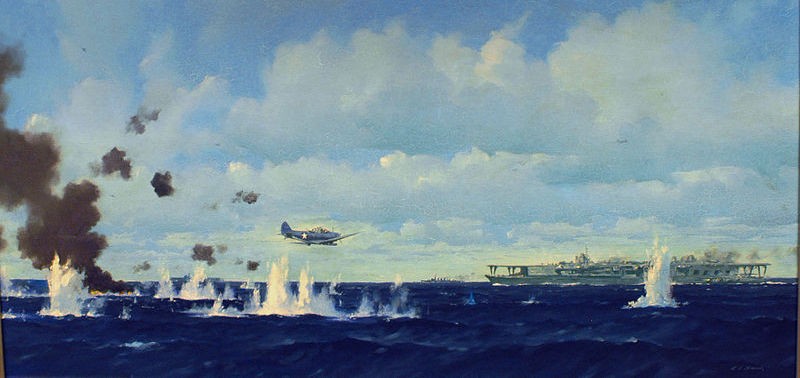
Battle of Midway June saw the peak of Japanese expansion. US aircraft destroyed Japanese ships at the Battle of Midway, marking the turning point in the Pacific war. In August, US and other Allied troops landed on Guadalcanal, forcing the Japanese to abandon their vital base.
German offensive in Soviet Union Also in June, Germany and her Axis partners launched a new offensive in the Soviet Union, reaching Stalingrad (Volgograd) by mid-September. Here Soviet troops counter-attacked, trapping the German 6th Army in the city by November.
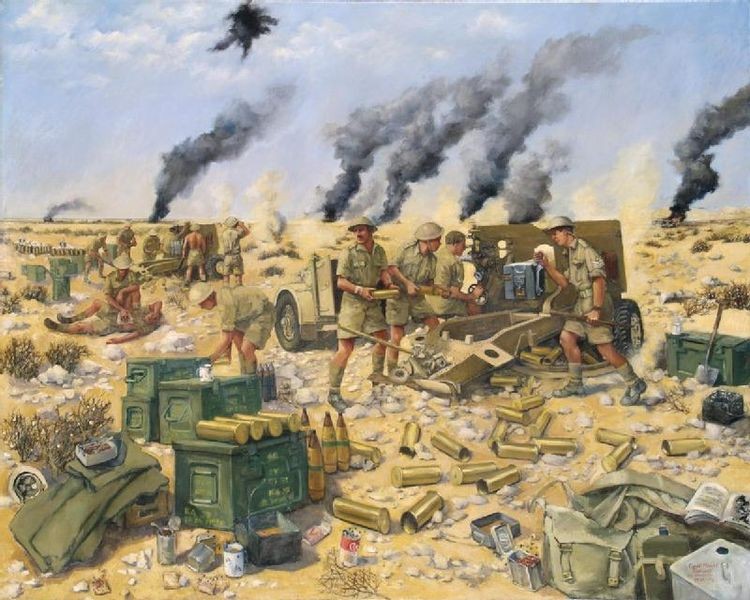
El Alamein British troops of the Eighth Army, under Lieutenant-General Montgomery, having been forced to retreat to Egypt, rallied to defeat the German and Italian forces at the Battle of El Alamein in October. Axis armies were put to flight across Libya as far as the border with Tunisia. Meanwhile, Allied troops successfully invaded Algeria and Morocco and advanced on Tunisia from the west.
1943
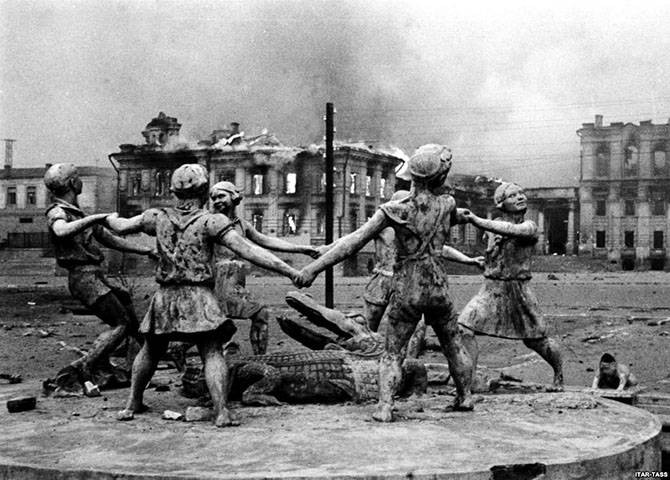
Stalingrad Forbidden by Hitler to try to break out of Stalingrad, the German Sixth Army surrendered in February. It was the first major defeat of Hitler's armies in the war. The Battle of Stalingrad was probably the bloodiest battle in history.
Breaking the codes In the Atlantic, merchant vessels were still being sunk by German U-boats, although the success of Alan Turing and his team at Bletchley Park in breaking the Enigma code used by German communications meant the convoys could be directed away from danger.
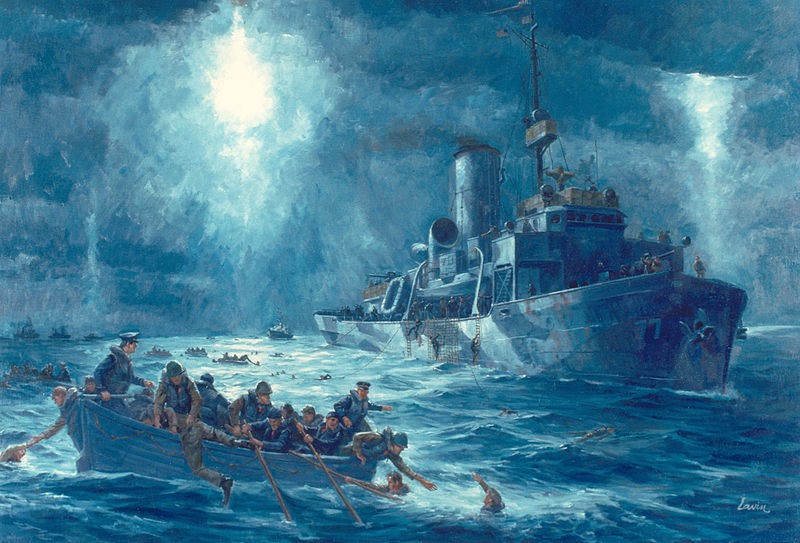
Soon long-range aircraft were starting to inflict huge losses on the U-boats. By the end of May, German Admiral Dönitz withdrew the German U-boat force, ending the Battle of the Atlantic.
Invasion of Italy In mid-May Axis forces in Tunisia surrendered to the Allies. July saw Allied forces crossing from Tunisia across the short stretch of sea to Sicily, beginning the invasion of Italy. The Italians surrendered to the Allies in September, but the Germans immediately occupied the north of the country. Meanwhile, Allied troops landed on the beaches of Salerno near Naples in the south.
Burma campaign British and Indian troops began their guerrilla campaign against the occupying Japanese forces in Burma. In October, the Japanese completed the Burma Railway, improving their lines of communication within Southeast Asia.
American gains The Americans, meanwhile, fought off a Japanese invasion of New Guinea (January), and defeated the Japanese in the Aleutian Islands (May) and, after a bloody battle, Tarawa in the Gilbert Islands (November).
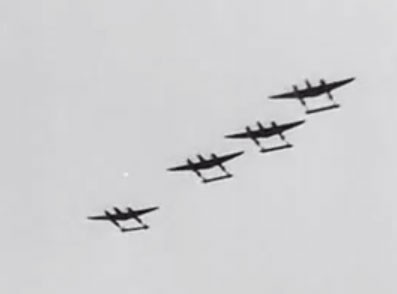
Battle of Kursk In the Soviet Union, the Germans launched a tank offensive near Kursk in July. The Red Army (Soviet forces) halted the attack and begin an offensive of their own, recapturing Kiev in August and Kharkov in November.
1944

Monte Cassino The Allied advance in Italy continued with landings at Anzio, near Rome in January. The Germans counter-attacked in February. The fighting saw the Allied destruction of the medieval monastery at Monte Cassino, held by the Germans, who were only defeated after extensive bombing and heavy Allied losses. The Germans retreated from Anzio at the end of May, and Rome was liberated in June.
Japanese offensive in China In April, Japan launched a massive operation across China, during its biggest offensive of World War II. Japan’s aim was to capture further territory in the south to add to the acquisitions made after the invasion of 1938. Resistance, led by the Chinese Communists, was widespread.
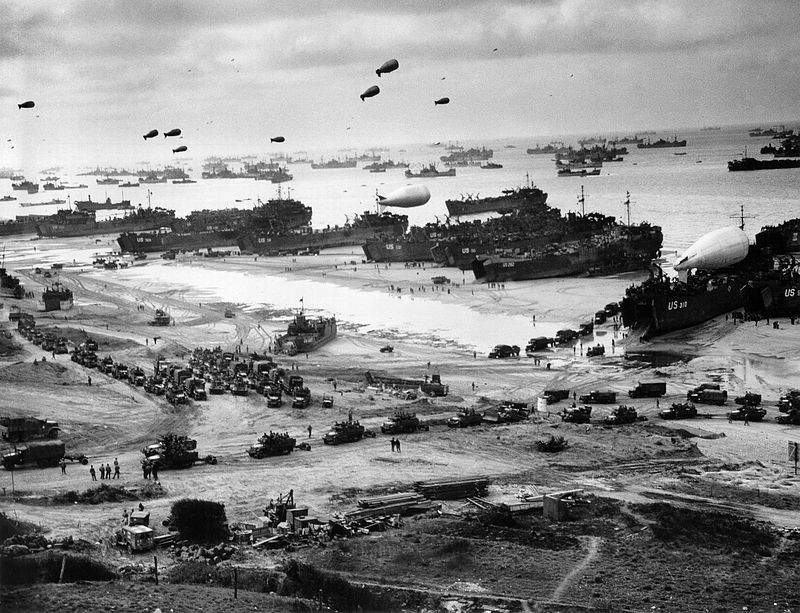
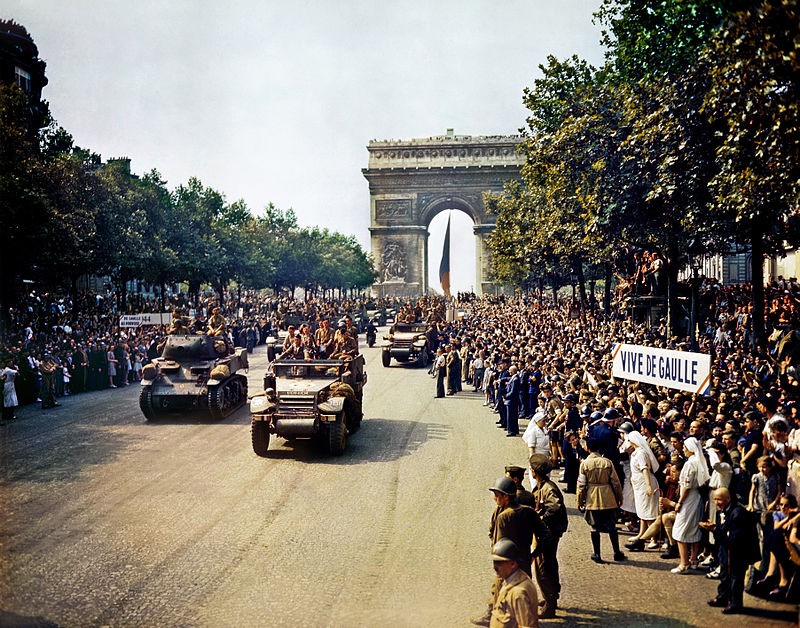
D-Day On 6th June, known as D-Day, Operation Overlord got under way. Around 6500 vessels landed more than 130,000 Allied troops on five beaches in Normandy, northern France, codenamed Utah, Omaha, Gold, Juno and Sword. The heaviest casualties were at Omaha beach, where the landing was met with fierce German resistance. In late July, Allied forces broke out of their Normandy beach head and headed towards Paris, which they liberated on 25th August.
Bombing raids Between June and September, German V-1 flying bombs, also known as doodlebugs, were launched against London and V-2 rockets continued to drop on London.
Soviet advances The Red Army launched a massive offensive in June, driving westwards across Byelorussia (Belarus) to Poland by August. Around 350,000 German soldiers were killed, wounded or captured. By the end of the year, Bucharest and Estonia were taken and Budapest was under siege.
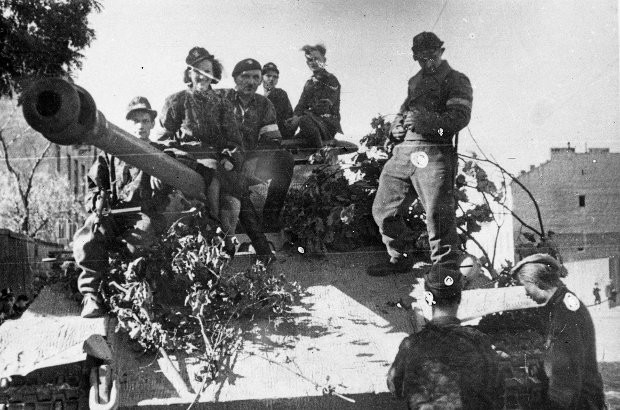
Warsaw Uprising The Polish resistance Home Army attempted to liberate Warsaw from German occupation. The uprising, which began in August, was timed to coincide with the Red Army approaching the city and the retreat of German forces. However, the Soviet advance was delayed, enabling the Germans to crush the Home Army and deliberately demolish Warsaw in October.
Battle of the Bulge By December, the Allies had reached the Ardennes on the border between France and Belgium. Here, a German counter-offensive, called the Battle of the Bulge (so-called because of the shape of the German advance on maps of the campaign), intended to split the enemy lines, surprised the Allies and delayed their march into Germany.
Liberation of the Balkans In August, the Romanian opposition overthrew the pro-Nazi regime, and the new government immediately switched sides in the war. Bulgaria surrendered in September, and the Germans evacuated Greece, Albania and southern Yugoslavia by October.
Leyte Gulf In October, the navies of Japan and America met in Leyte Gulf off the coast of the Philippines in the largest naval battle of World War II. The Allied victory in the Philippine Sea established their air and sea superiority in the western Pacific. From December, US troops began landings on the Philippines, sweeping aside Japanese resistance.

1945
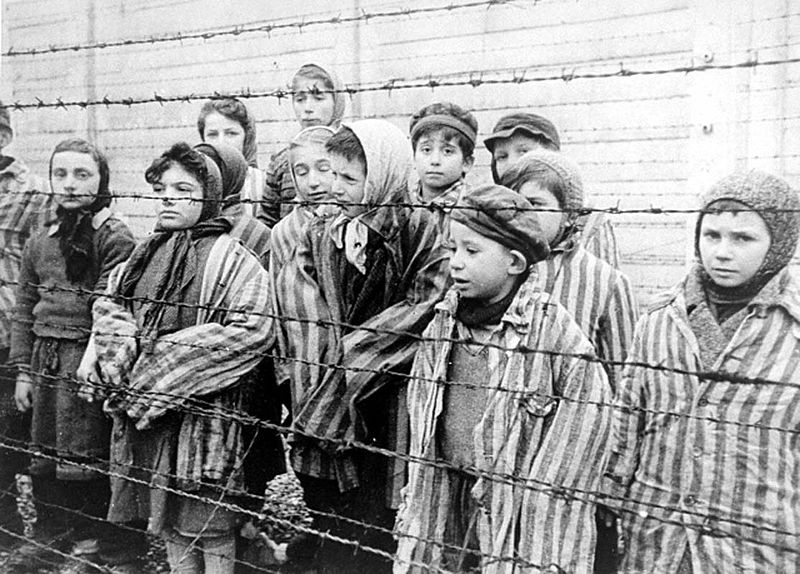
Liberation of Auschwitz In January the Soviet Union launched a new offensive, liberating Warsaw and Krakow in Poland and capturing Budapest. The two-month siege of Budapest ended with the Germans and their Hungarian collaborators being driven out of Hungary by early April. Bratislava, capital of Slovakia, and Vienna, capital of Austria, fell shortly afterwards. The Soviets also liberated the Nazi death camp at Auschwitz, revealing the full horror of the Holocaust.
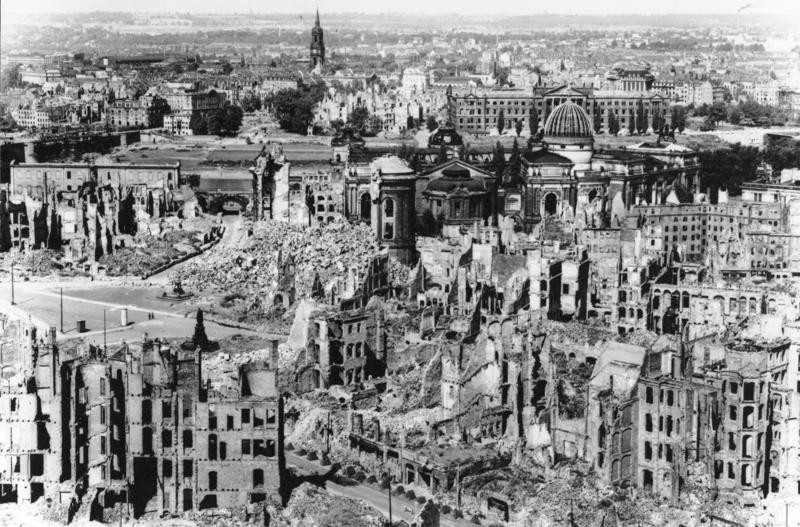
Dresden bombing In four raids between 13th and 15th February 1945, heavy bombers of the British RAF and the United States USAAF dropped more than 3900 tons of high-explosive bombs and incendiary devices on Dresden, which devastated the city in a huge firestorm and causing up to 50,000 civilian deaths.
Yugoslav partisans In April, partisan units, led by Yugoslav Communist leader Josip Tito, captured Zagreb and put the pro-Nazi Ustasa regime to flight.
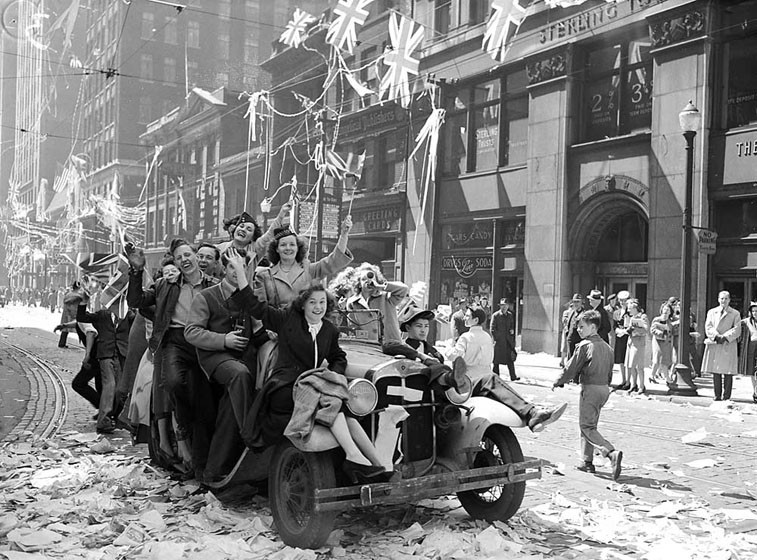
March on Berlin The Allies established a bridge across the Rhine at Remagen in March, while the Soviet army continued its offensive from the east, encircling Berlin by April and entering the capital on 21st. Hitler killed himself on the 30th, two days after Mussolini had been captured and hanged by Italian partisans. Germany surrendered unconditionally to the western Allies 7th May. The following day was celebrated as VE (Victory in Europe) day. The war in Europe was over.
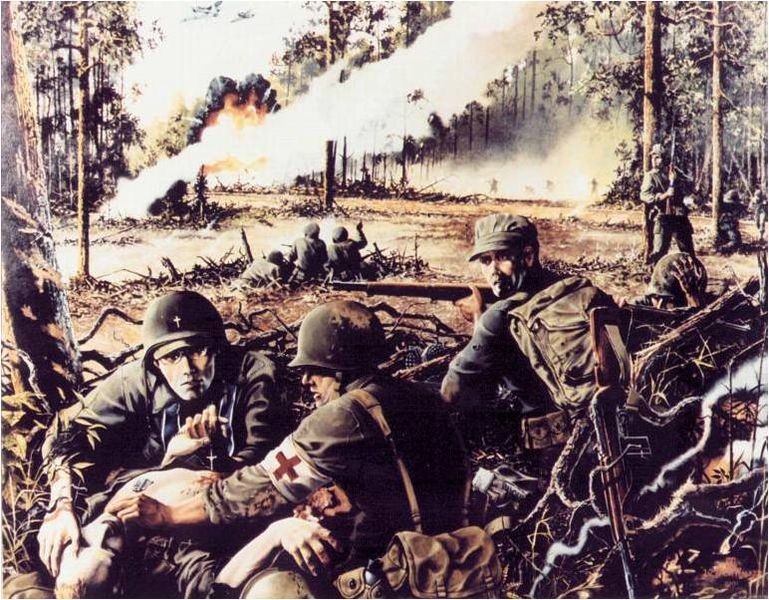
Defeat of Japan Although the war in Europe had ended, in the Pacific it raged on. While the British advanced through Burma, the Americans had crossed from the Philippines to invade the southern Japanese islands of Iwo Jima (February) and Okinawa (April), although they did not finally crush Japanese resistance until 22nd June.
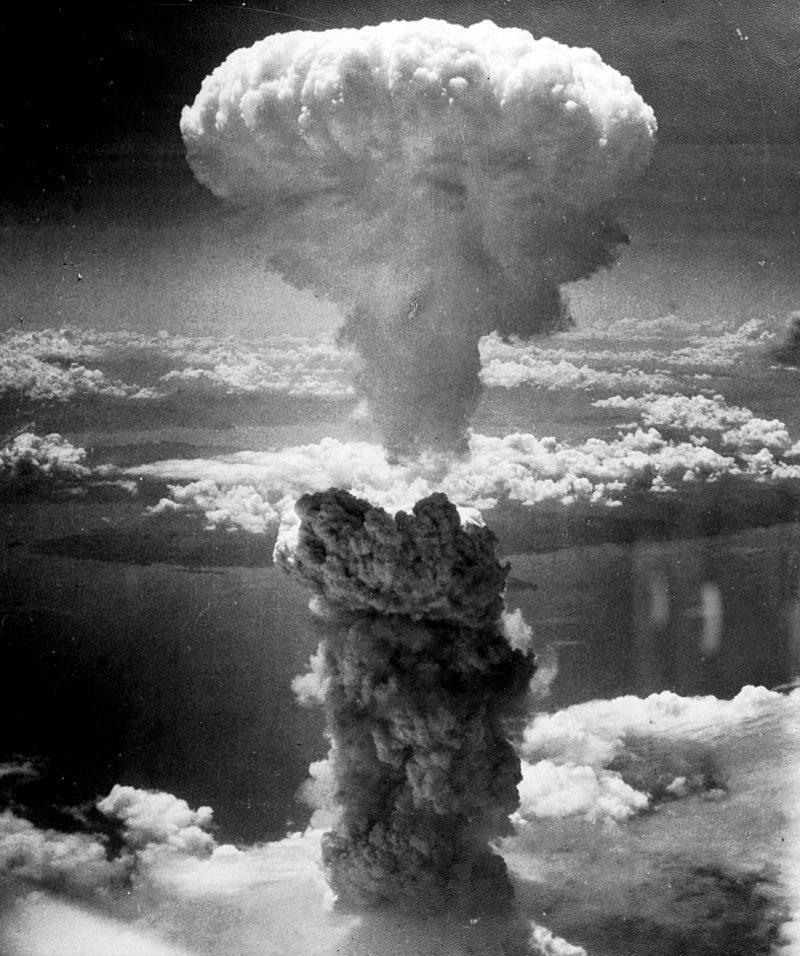
Plans were made for an Allied invasion of Japan, but fears of massive casualties prompted the Americans to use an atomic bomb against Japan. On 6th August one was dropped on the Japanese city of Hiroshima. Three days later, Nagasaki was the target. The Japanese surrendered on 14th August, ending World War II.
Consultant: Philip Parker