
Q-news
Deadly flash floods devastate a valley in Nepal and Tibet
A massive search and rescue effort is under way in Nepal and Tibet following a series of deadly flash floods. On the morning of 26th August 2026, floodwaters surged through Gyirong Port, a border crossing between Nepal and Tibet, before devastating dozens of settlements along a 72-kilometre (45-mile) stretch of the River Trishuli in Nepal. As of 31st August, at least 939 deaths and 3925 people missing were confirmed in Nepal, with an additional 16 dead and 546 missing in the Tibet Autonomous Region of China. The death toll is likely to rise steeply.
1st September 2026
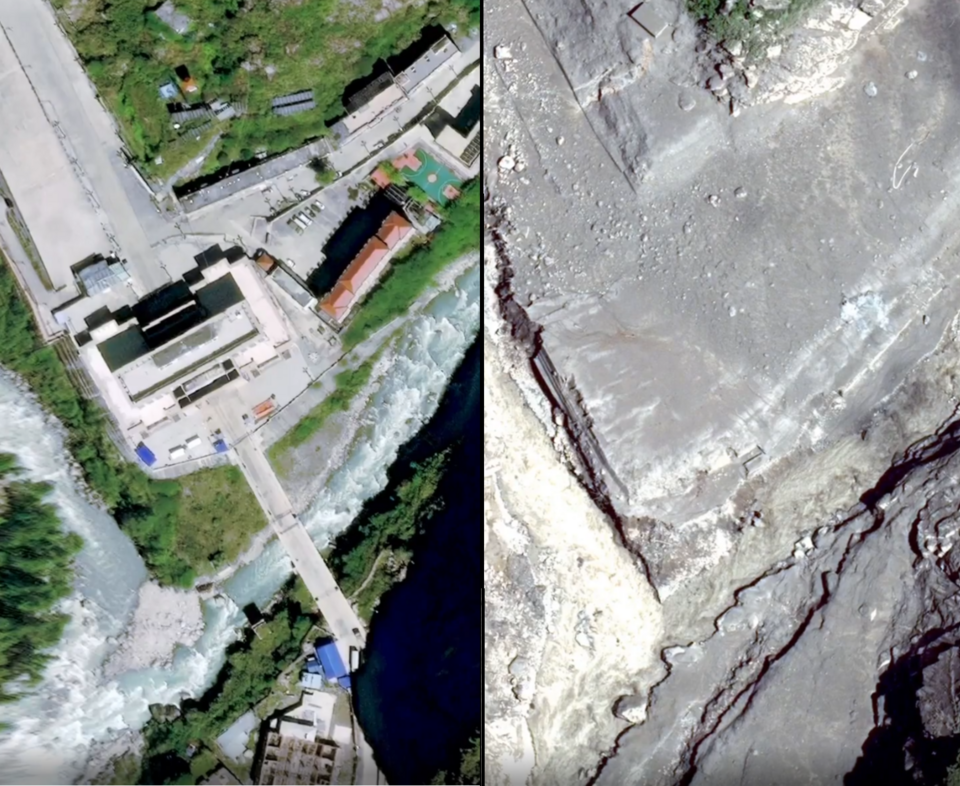
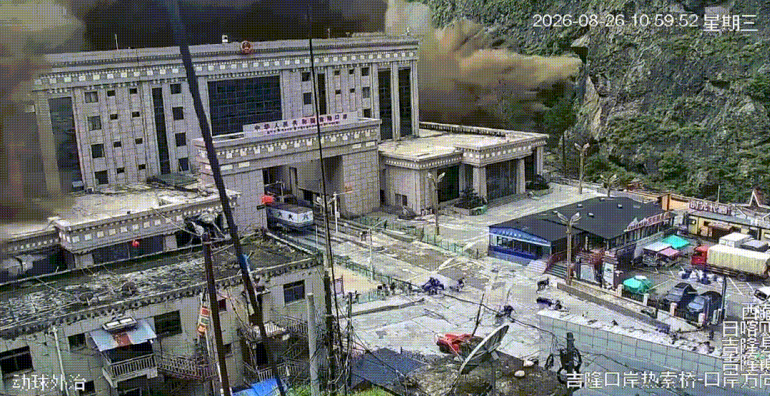
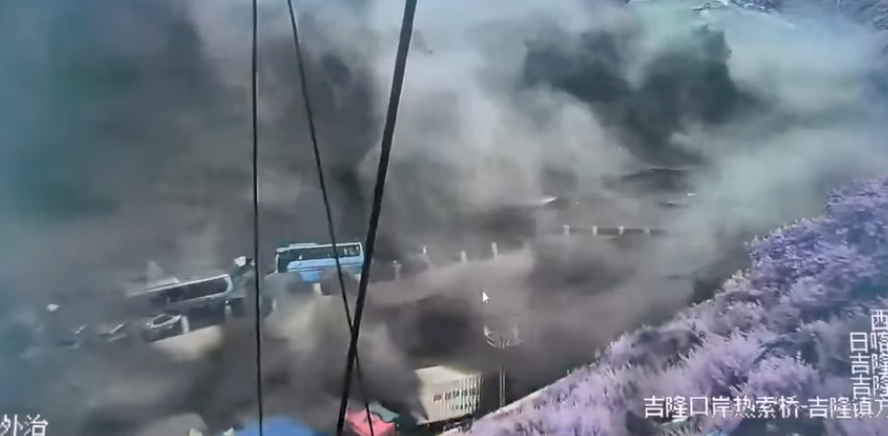
Security camera footage from the Gyirong Port checkpoint complex showed vast torrents of mud, water and debris engulfing buildings. Rescue workers were able to reach the area only on 28th August—two days later. The floodwaters have left behind a trail of destruction, carpeting everything in their path with a thick mud.
What caused these devastating floods? The evidence points to a collapsing glacier on the north face of Langtang Lirung, a mountain in the Himalaya mountains of Nepal. An enormous chunk of ice from the glacier—along with the rock to which it was attached—broke off and crashed to the ground thousands of metres below. The impact was so cataclysmic, it caused a 5.2-magnitude earth tremor, detected by seismometers worldwide.
The ice melted from the speed and friction of the impact. The avalanche of meltwater and rock then surged down the valley at high speed, travelling at around 50 metres a second (180 km/h or 110 mph), submerging villages and sweeping roads and buildings away as it went. The flash flood reached Gyirong Port seven minutes later.
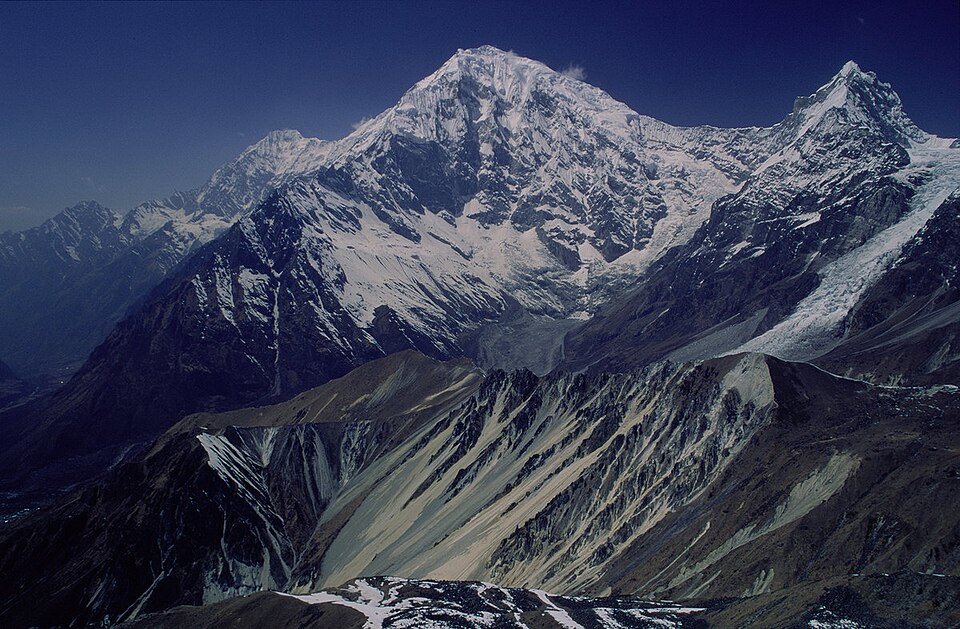
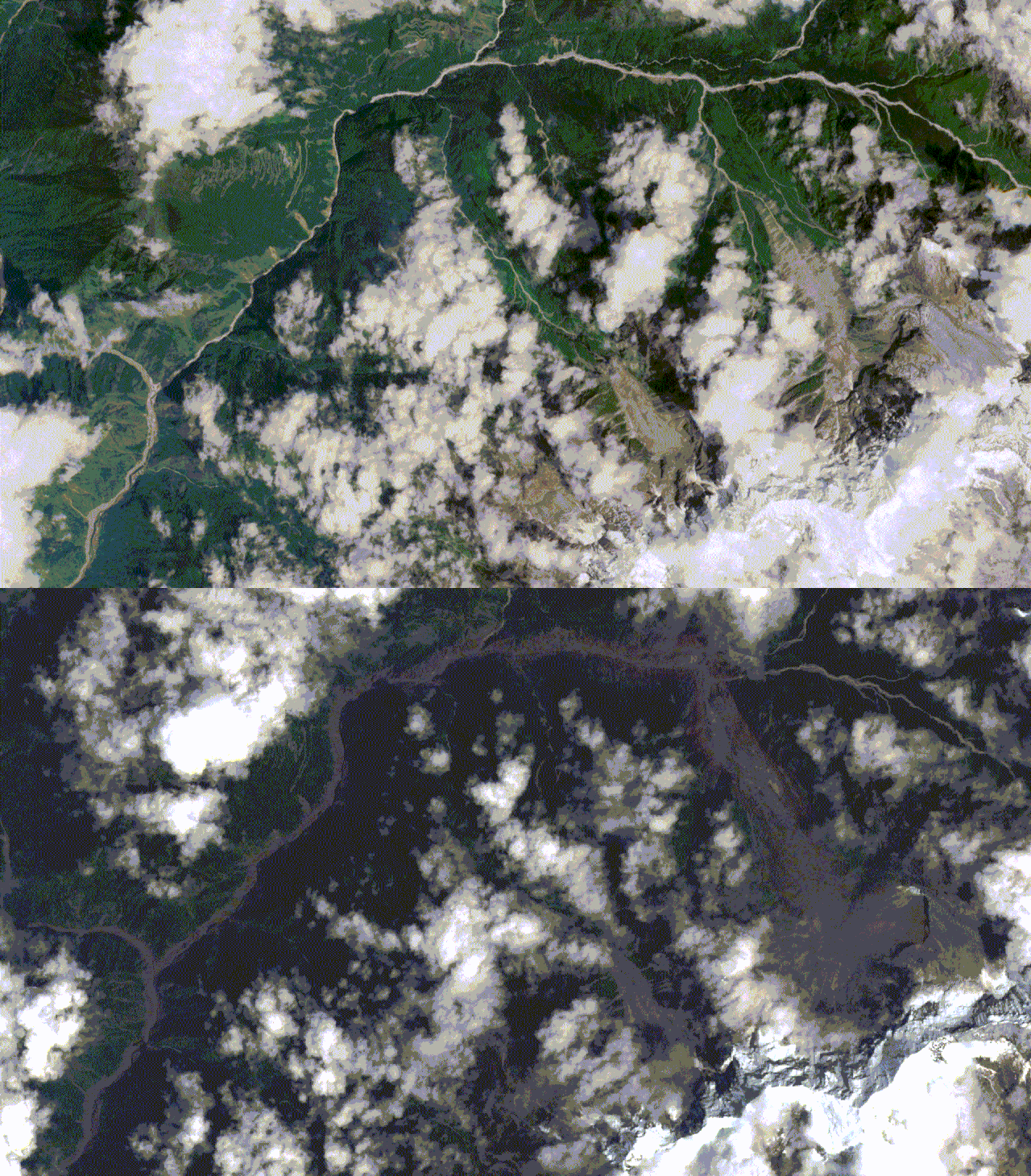
Scientists think that climate change may have increased the likelihood of such an event occurring. Warmer temperatures at high altitude—the glacier was around 5200 metres (17,100 feet) above sea level)—may have partially melted the permafrost (permanently frozen soil) that held the rock and ice of the glacier together like a "glue", causing the sudden collapse.
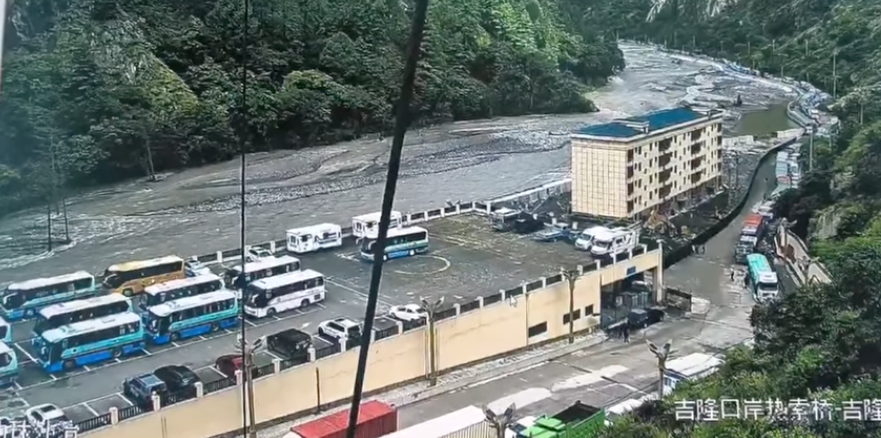
Gyirong Port is a border crossing connecting Nepal's Rasuwa District and Gyirong County in Tibet, China. The crossing sees large daily traffic both from cross-border traders and tourists, particularly people making a pilgrimage to Mount Kailash in Tibet, a holy site in Buddhism, Hinduism and Jainism. Around 600 people among the missing are known to be foreigners.
A further 933 of the currently missing are workers from Nepal and neighbouring countries who were working in a tunnel that forms part of a hydro-electric power project along the River Trishuli.