
Media and communications

CITE
We have made every effort to follow citation style rules, but there may be some minor differences. If in doubt, please refer to the appropriate citation style manual.
Lasers. (2026). In Q-files Encyclopedia, Technology, Media and communications. Retrieved from
https://www.q-files.com/technology/media-and-communications/lasers
"Lasers." Technology, Media and communications, Q-files Encyclopedia, 19 Mar. 2026.
https://www.q-files.com/technology/media-and-communications/lasers.
Accessed 21 Sep. 2026.
Lasers 2026. Technology, Media and communications. Retrieved 21 September 2026, from
https://www.q-files.com/technology/media-and-communications/lasers
Technology, Media and communications, s.v. "Lasers," accessed September 21, 2026.
https://www.q-files.com/technology/media-and-communications/lasers


Lasers
The first working laser was built by American physicist Theodore Maiman in 1960. A laser is a device that creates an intense beam of light called a laser beam. A laser beam is monochromatic: it is made up of light of just one colour of the spectrum. This means that all the light waves in it have the same wavelength. Just as importantly, all the waves are “in phase”, which means that as they leave the laser, their crests and troughs all line up with each other.
How a laser works
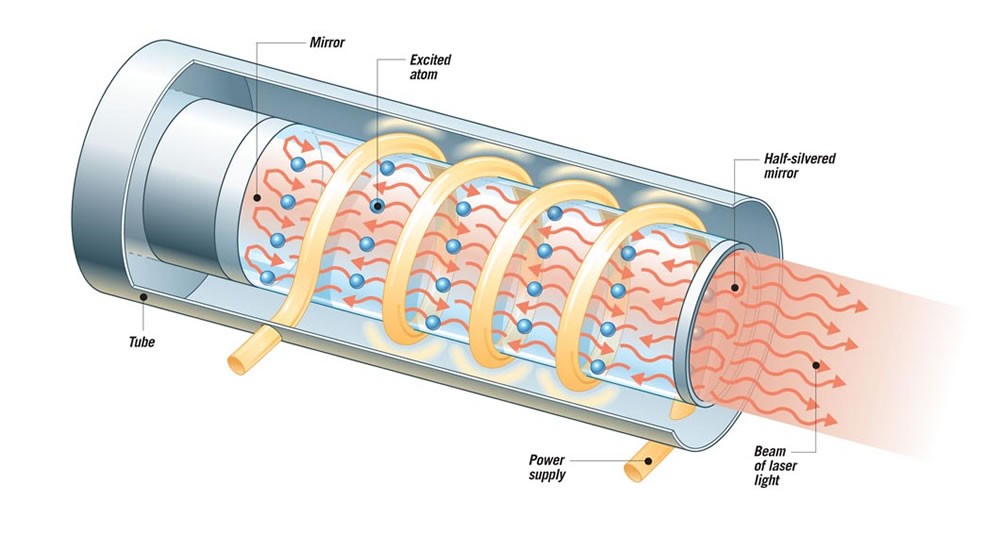
The word “laser” is short for Light Amplification by Stimulated Emission of Radiation. Inside the laser is lasing material, which can be a solid, a liquid or a gas. The atoms of the material are excited or “stimulated” by giving them energy, either in the form of light or electricity. This makes them emit light (a type of radiation), which in turn makes other atoms emit light of the same wavelength. This process creates an intense laser beam.
The wavelength, and so the colour, of a laser beam depends on the lasing material. Some lasers produce ultraviolet or infrared radiation rather than visible light. The lasing material is contained in a tube with a mirror at one end and half-silvered mirror at the other. Light bounces up and down, gaining strength until it is powerful enough to break out.
Uses for lasers
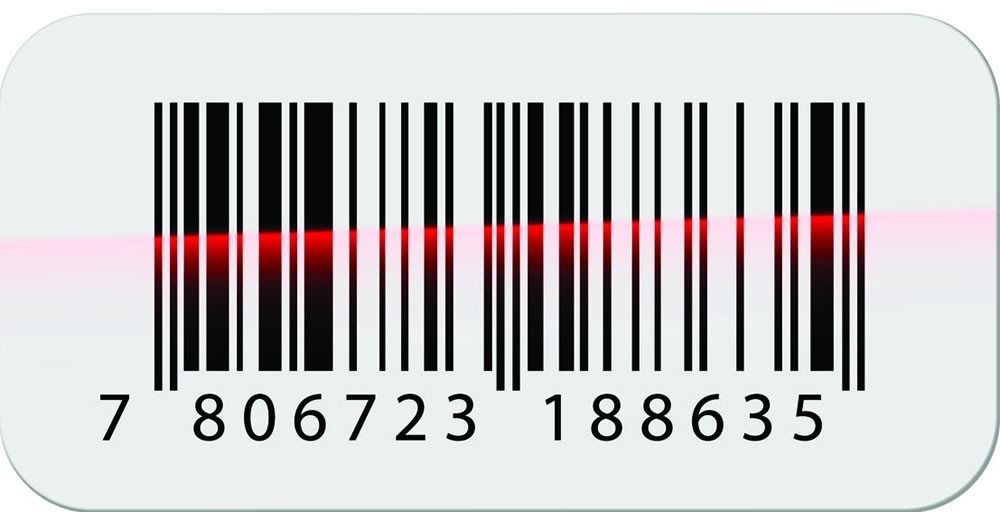
Common uses of lasers include playing compact discs (CDs) and reading barcodes. These lasers are normally red lasers that use semiconductor lasing materials. They are low-power lasers, but they are still dangerous to look at directly.
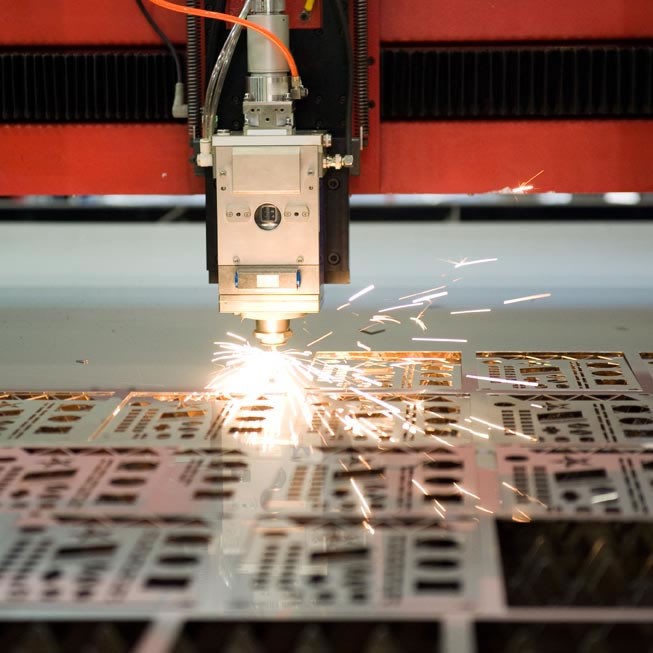
Low-power lasers are also used in communications, where they send signals along fibre-optic cables, in laser printers, in surveying and for light shows. High-power lasers can be focused to create intense heat in materials or as a cutting tool.
Lasers in surgery
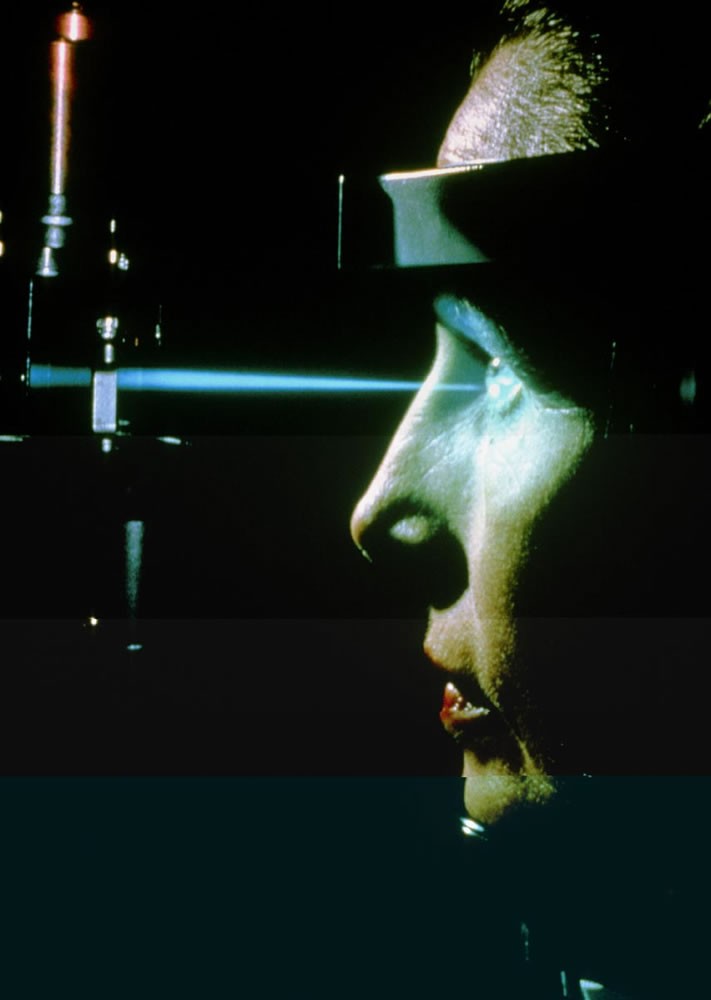
Lasers are used in medicine for delicate surgery, for example into perform eye surgery. If the retina, the part of the eye that contains light-sensitive cells, becomes detached, a laser beam can stick it back in place. Laser surgery can also correct long- or short-sightedness and remove cataracts.
Consultant: Chris Oxlade
pics
Without in any way limiting Q-files Ltd’s exclusive rights under copyright, any use of this publication to “train” generative artificial intelligence (AI) technologies to generate text is expressly prohibited. Q-files Ltd reserves all rights to license use of this work for generative AI training and development of machine learning language models.