
Ancient Egypt
Ramesses II
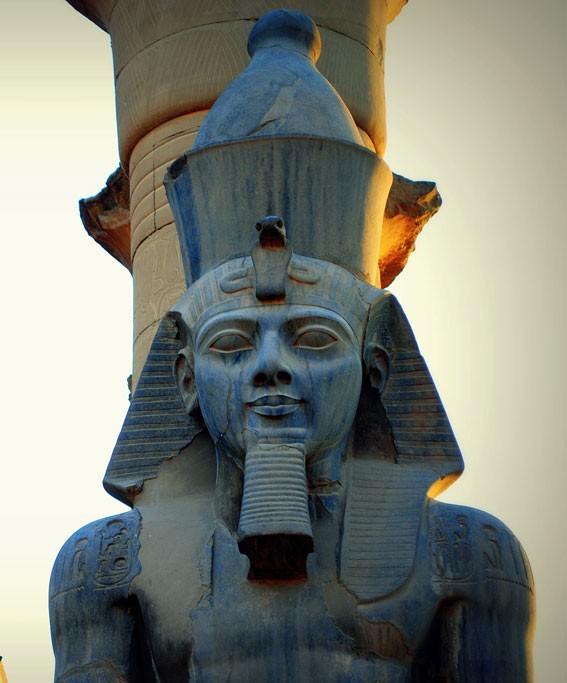
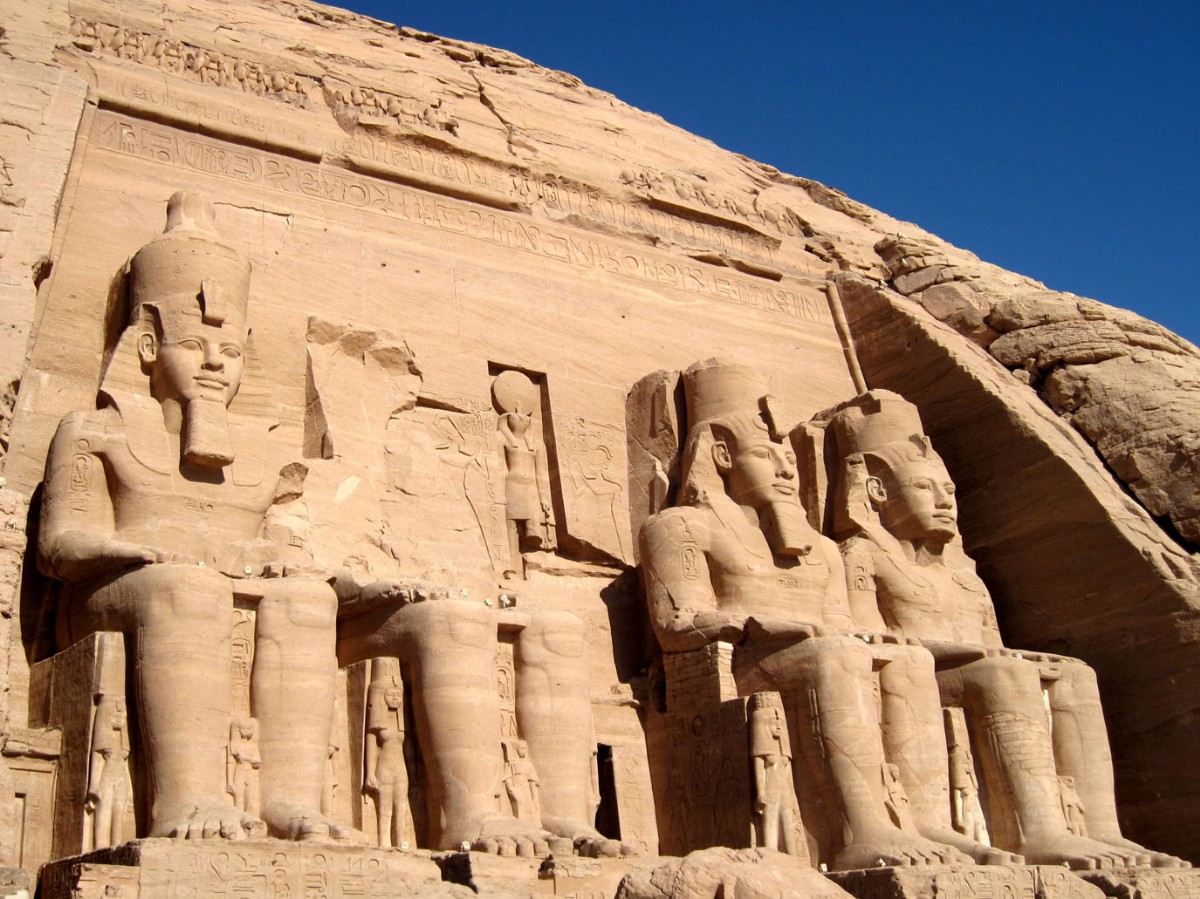
A pharaoh of the 19th dynasty in the New Kingdom, Ramesses II (ruled c. 1279–1213 BC) was probably the most powerful ruler in ancient Egyptian history. At the beginning of his reign, he vowed to recapture the territories of Palestine and Syria, which had been conquered by the Hittite people. Ramesses II, who reigned for 67 years, living into his late eighties, was responsible for more building projects than any other Egyptian ruler. He also built a new capital, named Per-Ramesse, in the Nile Delta. This remained Egypt’s capital until the end of the New Kingdom. Although Ramesses had many wives and children in the course of his long life, his Great Royal Wife, Queen Nefertari, was a well-loved and much respected figure. He had a temple built specially for her at Abu Simbel.


Early life
Ramesses II's grandfather, Ramesses I, was a vizier during the reign of pharaoh Horemheb who appointed him as his successor. When Ramesses I died, his son, Seti I, became king. Ramesses, born in 1303 BC, was the first child of Seti I and Queen Tuya. Ramesses' mother died when he was two years old. The young Ramesses trained as a soldier and, from the age of just 14, was entrusted with leading armies into battle. When his father captured the Syrian town of Kadesh from the Hittite Empire, he proudly entered the city at his father's side. (Kadesh soon returned to Hittite control, however.)
Ramesses II was about 25 when he ascended the throne on Seti's death. He soon embarked on a number of campaigns to win back territories lost by Egypt to the Nubians and Hittites. He also decisively defeated the Sea Peoples, who had been attacking Egyptian cargo ships in the Eastern Mediterranean Sea.
Battle of Kadesh
Ramesses vowed to take back Kadesh from the Hittites, both to expand his empire and to repeat his father Seti I's triumphal entry into the city 10 years or so earlier. He led his forces against the Hittite army under Muwatalli II, at Kadesh in 1274 BC. The Hittites tricked Ramesses into believing they had retreated, before cutting off one division of the Egyptian army, headed by the pharaoh himself. Ramesses, however, managed to hold out until reinforcements arrived. Both armies later withdrew and the battle ended in stalemate. But, despite having narrowly escaped heavy defeat, Ramesses considered it a great Egyptian victory. Wall paintings in two of his buildings, the temples of Abu Simbel and the hypostyle hall at Karnak, depict the scenes from the battle. Ramesses later signed a peace treaty with a new Hittite king, Hattusili III, and married a Hittite princess. Egypt remained at peace for the rest of his reign.


Monuments
Ramesses had a gift for self-promotion: he once claimed he was the son of the chief god, Amun. He also had many magnificent monuments built to commemorate his long reign—more than any other pharaoh. They included the Ramesseum (his mortuary temple) and the temples at Abu Simbel. Ramesses also adapted many other existing buildings, claiming he had constructed them himself (by erasing the names of the older pharaohs and carving his own instead). Part of the hypostyle hall in the Temple at Karnak is decorated by Ramesses. At the Ramesseum he erected several gigantic statues of himself, including one about 17 metres (56 feet) high.
Consultant: Phillip Parker