
Slavery
Abolition of slavery in the United States
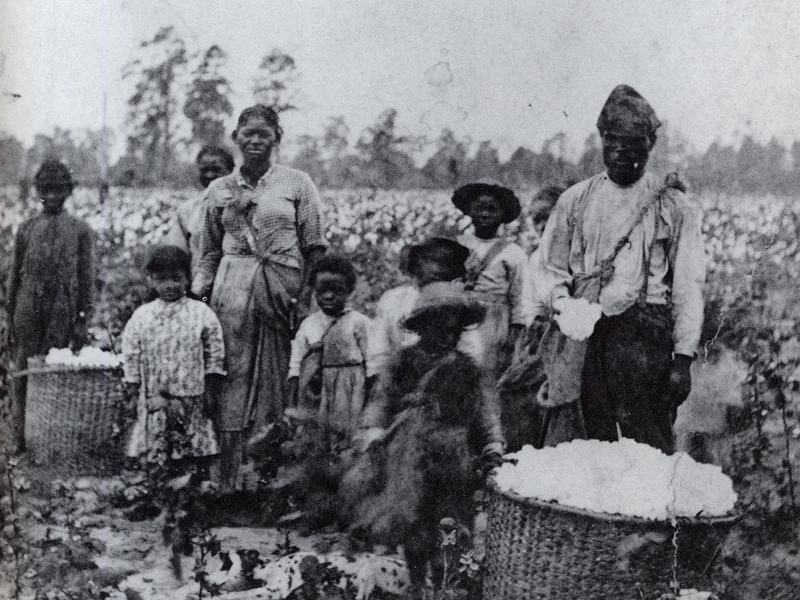
During the first half of the 19th century, abolitionism, a movement to end slavery in the United States, grew in strength. Most abolitionist societies and supporters came from the North. Support for slavery was strongest among wealthy white Southerners, who relied on enslaved labour for their profits. But slavery was also important to the economy of the whole of the US: the banking, shipping and manufacturing industries of New York City and other Northern cities all benefitted from slavery. The textile mills of New York and New England processed Southern cotton grown by slaves.
Assisted emigration
In the early 19th century, several organizations were founded to take action on the future of black Americans. Some, such as the American Colonization Society (ACS), proposed removing free black people from the United States altogether to lands where they would enjoy greater freedom, such as Africa—or Haiti, the only country where slaves had liberated themselves through revolution.
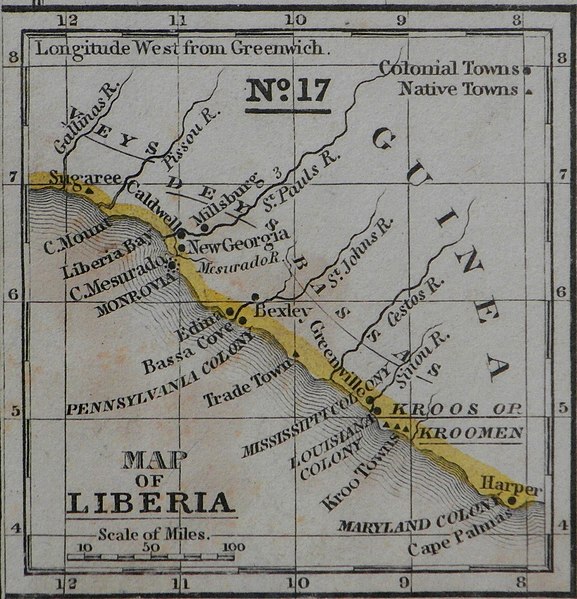
But most black Americans were native-born and did not want to emigrate, pointing out they were no more African than white Americans were European. They wanted to have full rights in the United States, where their families had lived and worked for generations. Nevertheless, in 1822 the ACS established what would become the colony of Liberia, in West Africa, and assisted thousands of free blacks to emigrate there. Many white people considered this preferable to emancipation in the United States, reasoning it to be the best way to prevent violent reprisals against them, as had occurred in the Haitian Revolution.
Abolitionism
In the North, the increased repression of enslaved people in the South after the 1830s gave the growing abolitionist movement added impetus. Most abolitionists, such as William Lloyd Garrison, founder of the radical newspaper The Liberator, tried to raise public support to change laws and to challenge slave laws. Writer and orator Frederick Douglass became an important abolitionist leader after escaping from slavery himself.
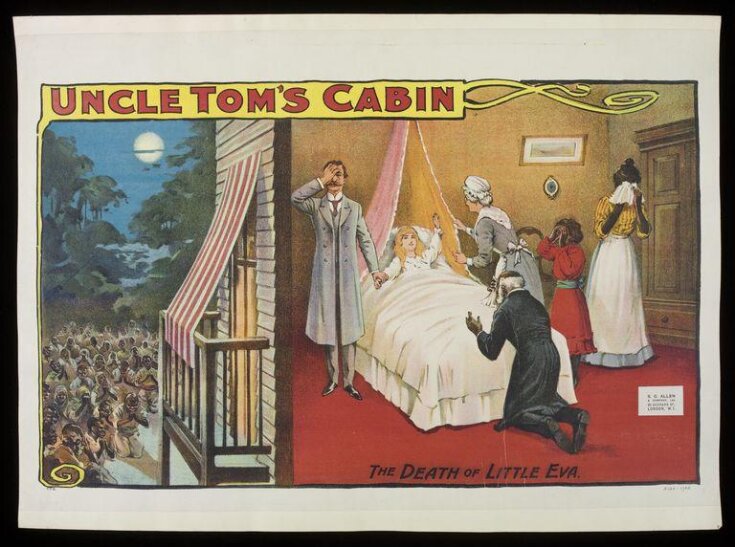
Harriet Beecher Stowe's novel Uncle Tom's Cabin (1852) aroused popular feeling against slavery. While many abolitionists held the belief that slaveholding was a sin, others pointed out that slaveholding was inefficient and, far from benefitting the economy, actually held it back.

Underground Railroad
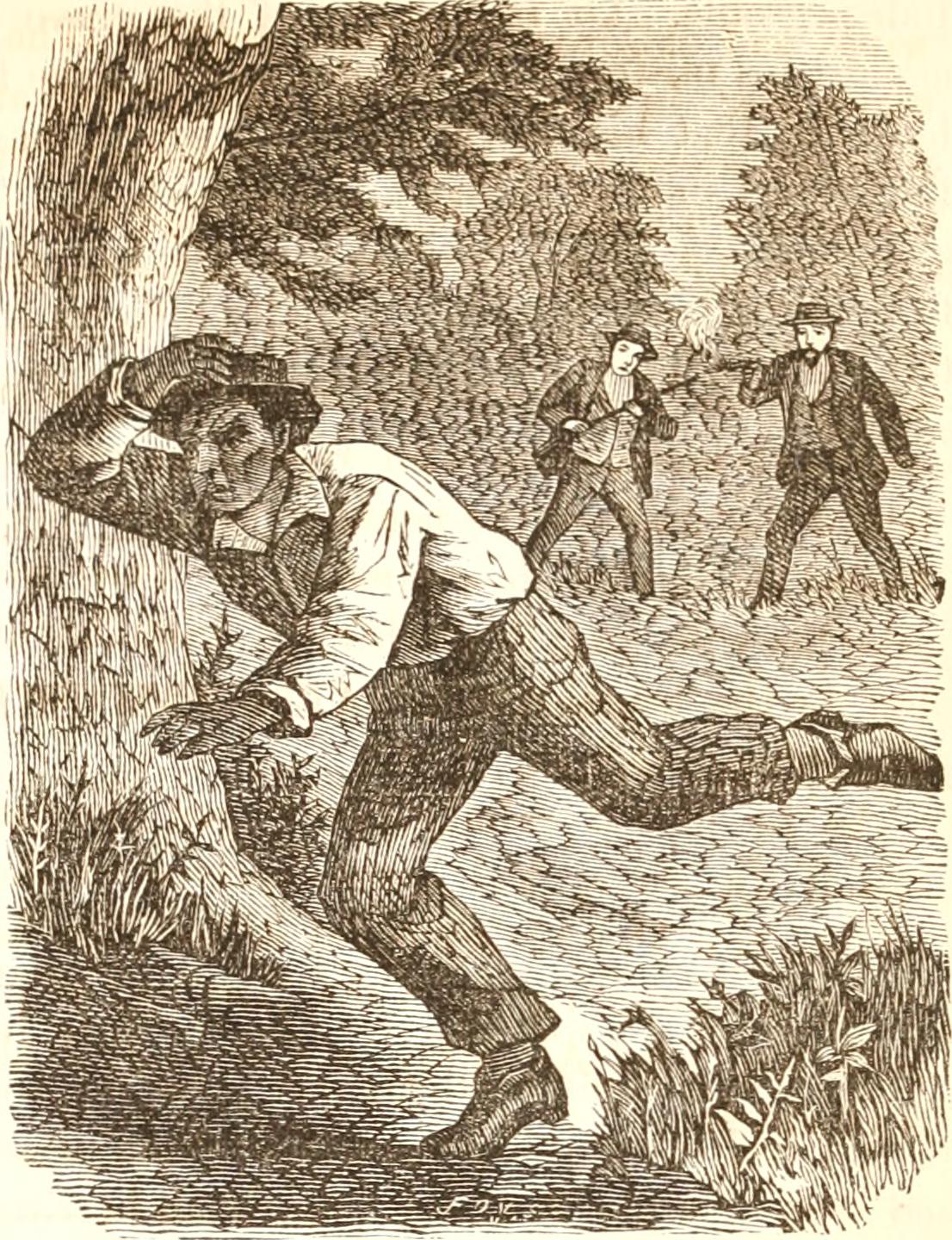
Under the Fugitive Slave Act of 1793, officials from free states were required to assist slaveholders or slave-catchers who recaptured escapees (although some free states prohibited this). Opposition to the law was led by a number of anti-slavery societies, who set up what became known as the "Underground Railroad". This was not an actual underground railway, but a term for the loose network of safe houses used by anti-slavery Northerners and free black people to help enslaved people escape from southern plantations to the North and Canada.
The Underground Railroad gained momentum in the 1830s. "Conductors" like Harriet Tubman guided escapees on their journey North across the Ohio River, and “stationmasters” included such prominent figures as Frederick Douglass, Secretary of State William H. Seward and Pennsylvania congressman Thaddeus Stevens. Although estimates vary widely, the Underground Railroad may have helped between 40,000 to 100,000 enslaved people to reach freedom.
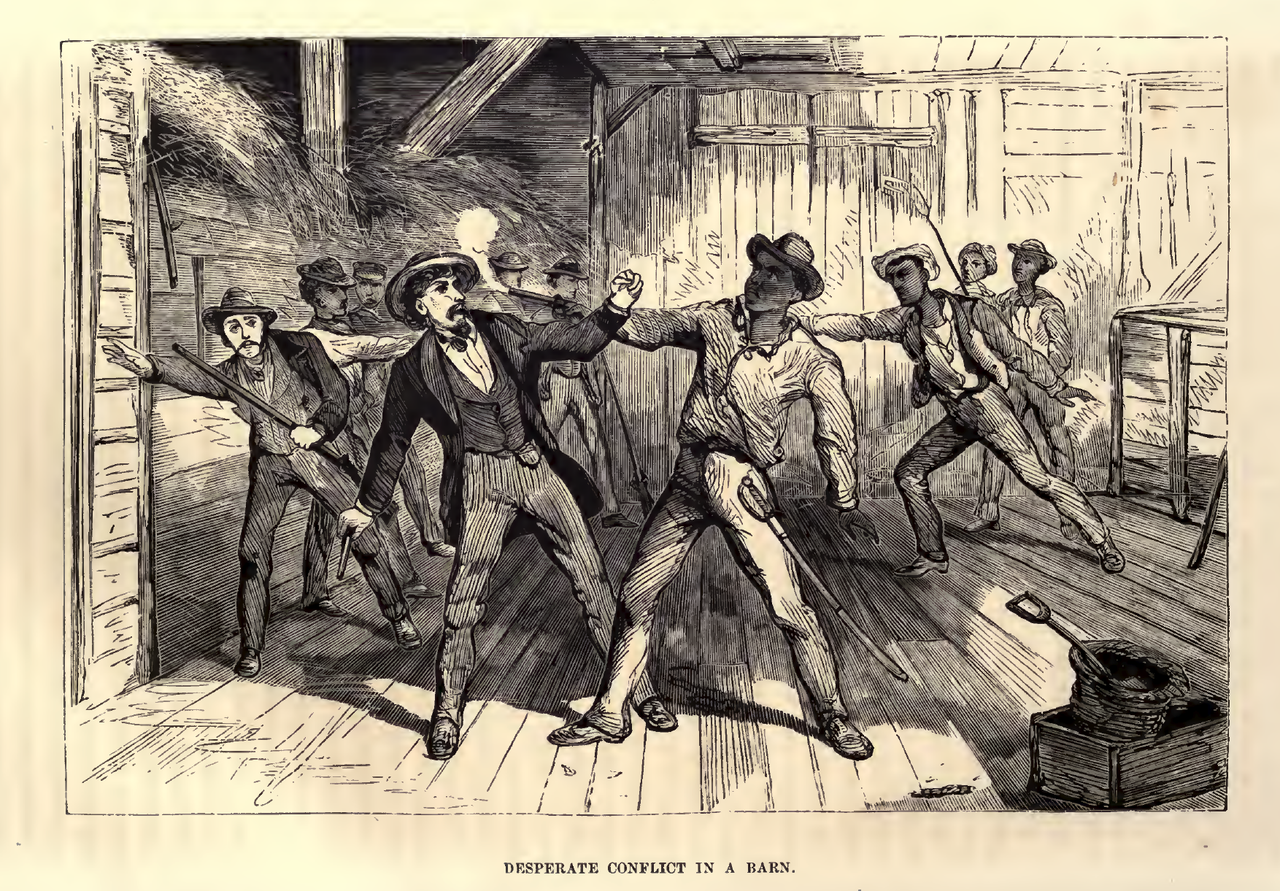
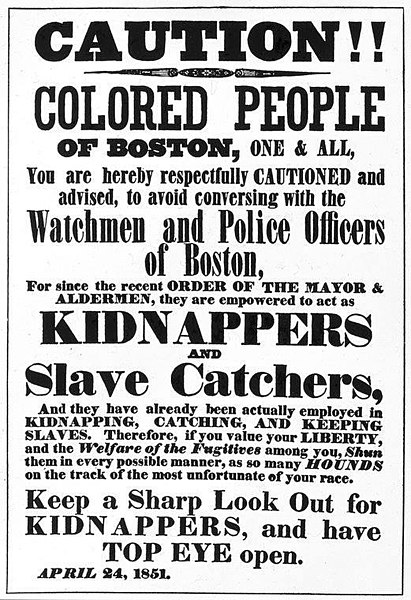
In 1850, Congress passed a new Fugitive Slave Act (a tightening of the 1793 Act). This required both law enforcers and citizens of free states to co-operate in the capture and return of slaves. Slave-catchers took advantage of the new law to step up their efforts—and even to kidnap free black people, especially children, and sell them into slavery in the South.
The law met with much resistance in Philadelphia, New York, Boston and other northern cities. Refugees from slavery continued to flee the South to the North and Canada via the Underground Railroad. Some white Northerners continued to hide fugitives from their former owners or help them reach freedom in Canada.
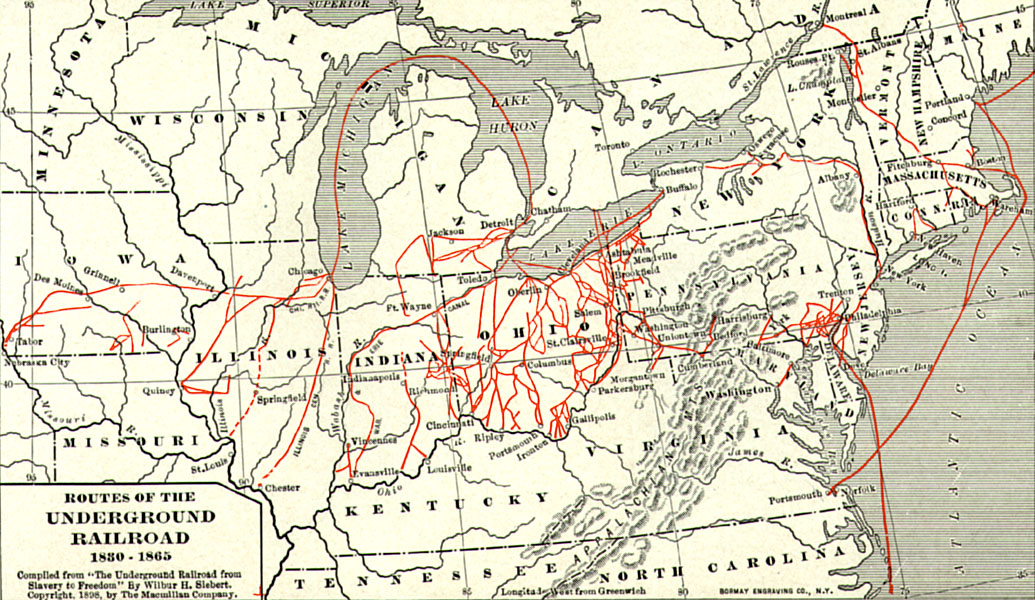
The success of the Underground Railroad helped to raise tensions further between South and North. It convinced pro-slavery Southerners of the North's determination to overturn what they had come to regard as a way of life.
Missouri Compromise
The United States expanded rapidly westwards in the years after independence was won. Most of the migrants to the new territories acquired under the Northwest Ordinance (1787) came from Northern states. So when the new Midwestern territories achieved statehood, they voted to prohibit slavery in their constitutions: Ohio in 1803, Indiana in 1816 and Illinois in 1818.

Abolitionists focused on ensuring this trend would continue with other new states further to the west that would emerge after the Louisiana Purchase (1803) and the Mexican Cession (1848). Southern states, meanwhile, set about trying to achieve the opposite and extend slavery into these new western territories. Doing so would enable pro-slavery political representatives to maintain their power in Congress.

In 1820, a debate over the federal (national) government’s intention to allow Missouri’s application for statehood in return for a ban on slavery ended in a compromise: Missouri would be admitted to the Union as a slave state, Maine as a free state and all western territories north of Missouri’s southern border were to be "free soil"—no slavery would be permitted. The Missouri Compromise, as it was called, was intended to keep a balance between the number of slave and free states represented in the Senate.
But it was only able to keep the peace temporarily. By 1850, the newly rich cotton-growing Southern states threatened to secede (break away) from the Union altogether. Tensions continued to rise through the decade.
Bleeding Kansas
Under the terms of the Kansas–Nebraska Act in 1854, the question of whether Kansas Territory would be admitted to the Union as a slave state or a free state had been, rather than be decided on by Congress, left to the inhabitants to determine, a process known as "popular sovereignty".
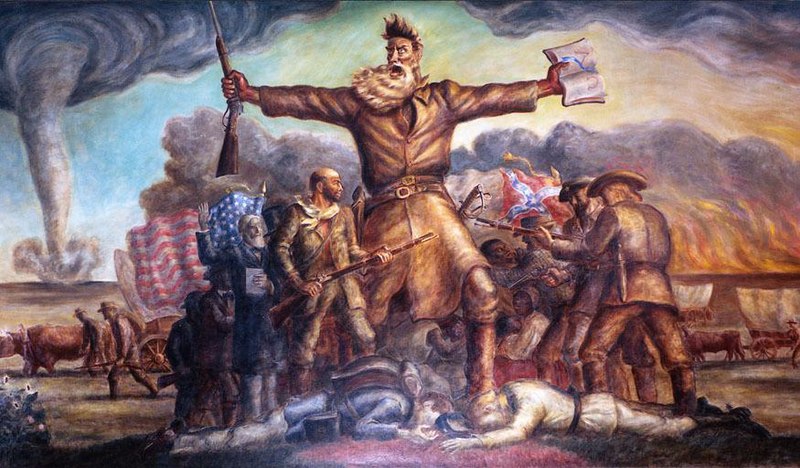
After the passage of the Act, pro- and anti-slavery elements flooded into Kansas to establish a majority population that would vote for or against slavery. This resulted in a series of armed conflicts, together known as "Bleeding Kansas". Abolitionist John Brown, the best known of the anti-slavery immigrants (known as "Jayhawkers"), was active in the fighting, as were many white Southerners from Missouri (known as "border ruffians"), who opposed abolition.
Republican Party
Pro-slavery supporters from Missouri formed a state government that kept out abolitionists. They then attempted to force a pro-slavery constitution through the state. They were opposed by anti-slavery politicians, who founded the Republican Party in 1854. In its early days, the Republican Party had almost no support in the South, but it was very successful in the North. By 1858 it had attracted former members of the Whig Party (previously one of the two major political parties) along with "free soil" Democrats to win majorities in nearly every Northern state.
Enslaved population
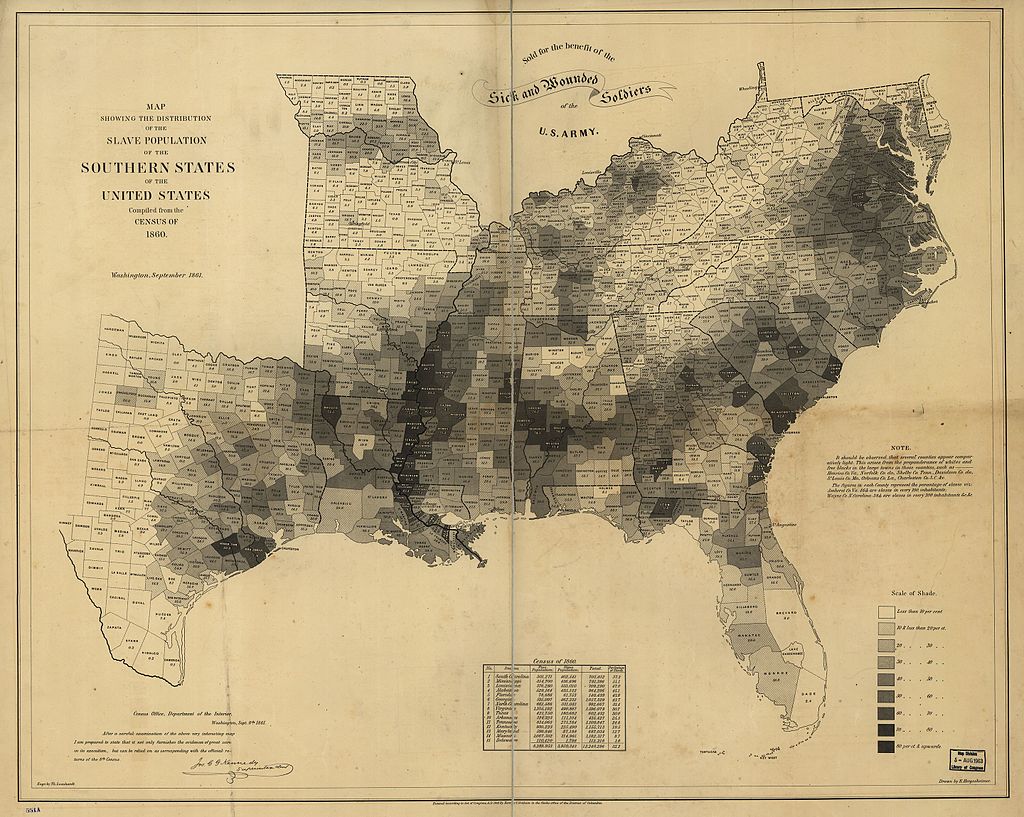
By the late 1850s, the enslaved population in the United States stood at around four million. Ninety-five percent of black people lived in the South, making one third of the population. Just 1% of the population of the North was black.
Dred Scott
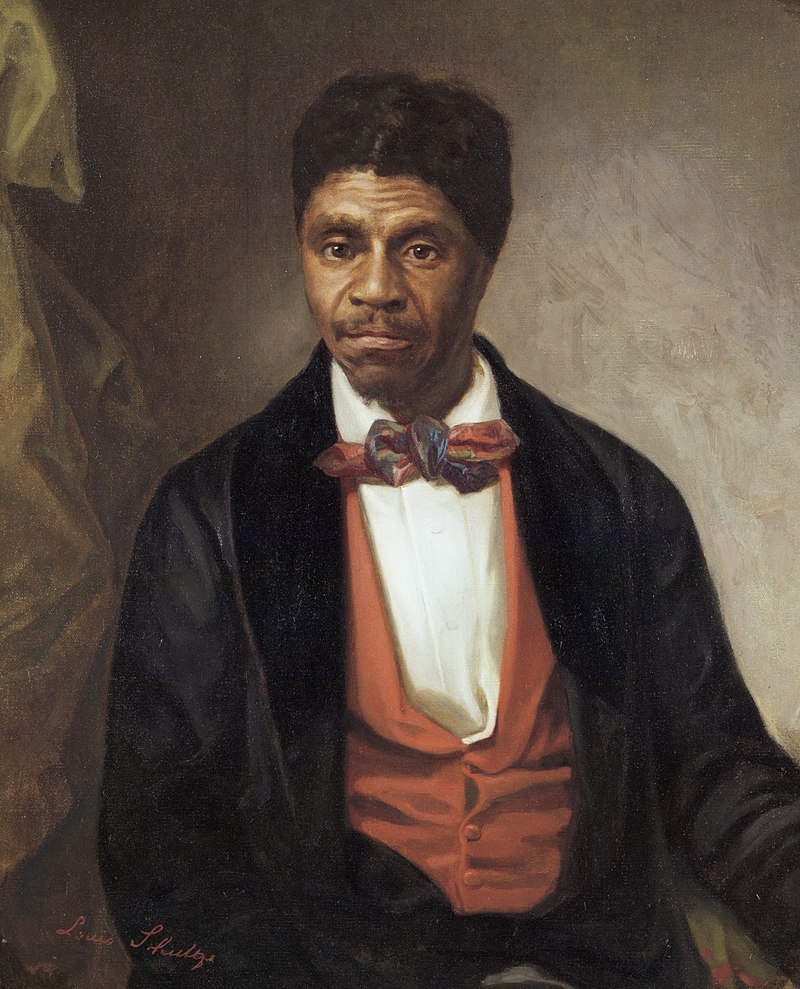
Most free states not only prohibited slavery, but ruled that slaves brought and kept there illegally could be freed. In 1857 African American slaves Dred Scott and his wife Harriet Scott each sued for freedom in St Louis, Missouri, after the death of their master. Dred Scott's case was based on the fact he had been taken to Illinois and the Wisconsin Territory, where slavery was illegal. Scott was denied his freedom in the US Supreme Court, which found that neither Scott nor any other person of African ancestry, regardless of whether they were enslaved or free, could claim citizenship in the United States. This meant that the rights and privileges held by American citizens could not apply to them. Many Republicans, including future president Abraham Lincoln, considered the decision grossly unjust. The case further escalated the tensions between abolitionists and pro-slavery supporters that led to Civil War.
Harper’s Ferry Raid

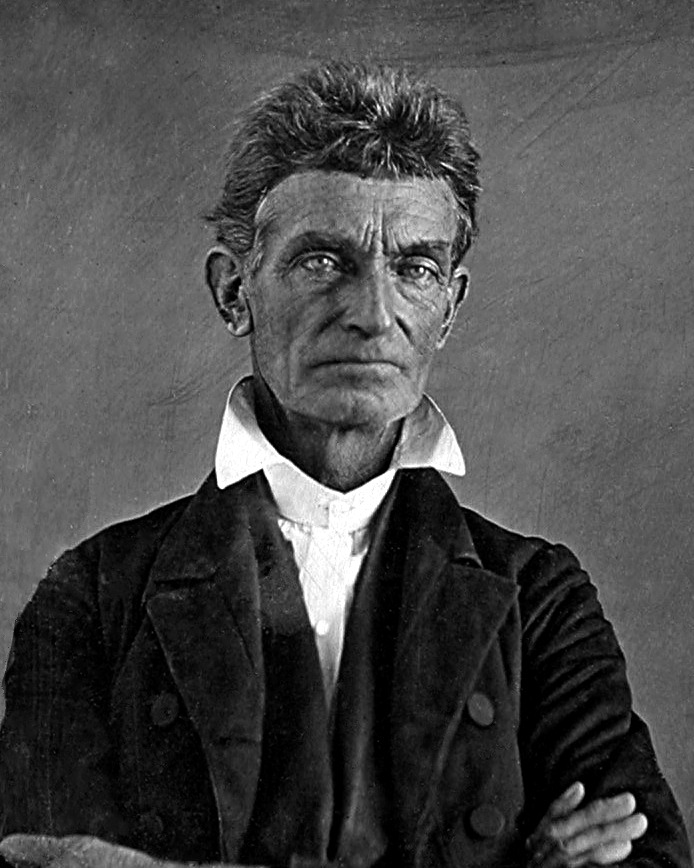
In October 1859, the abolitionist John Brown, along with 21 other men, mounted a raid on Harper’s Ferry, Virginia, a federal arsenal (a store of weapons). His intention was to spark a slave revolt in the Southern states. The uprising was defeated by a company of US Marines within days. Ten of the raiders were killed during the raid, seven, including Brown, were tried and hanged afterwards, while five escaped. The event exposed the growing national division over slavery: Brown was hailed as a hero by Northern abolitionists while Southerners saw Brown as a murderer who wanted to deprive them of their property (slaves).
Civil War
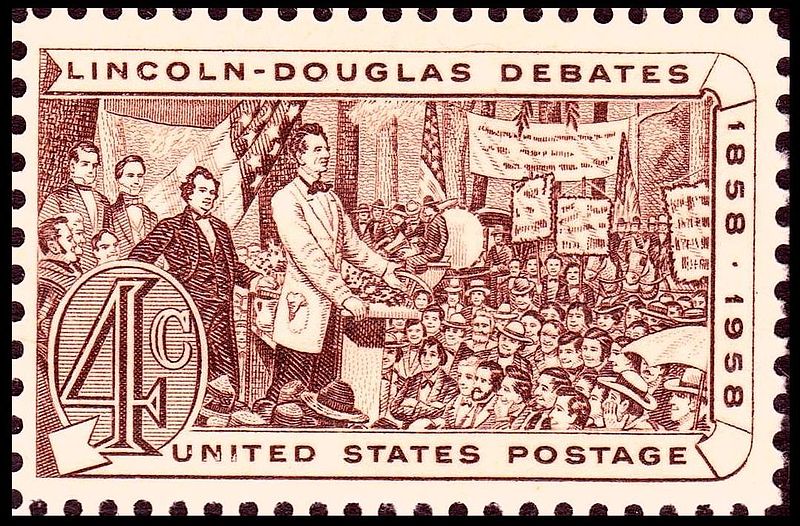
Abraham Lincoln had taken part in a series of public debates with his political rival, Democrat senator Stephen A. Douglas, on the question of slavery in 1858. Two years later, Lincoln stood for the US presidency on a platform to stop slavery's expansion—the first step as he saw it to putting it on the road to "ultimate extinction".
In the election of 1860, Lincoln won and his party, the Republicans, took control of Congress. Many slave-owners in the South feared that the real intention of the Republicans was the immediate abolition of slavery, and that the sudden emancipation of millions of slaves would be disastrous for them. So seven Southern slave states seceded from the United States, or Union, to form what they called the Confederate States of America, founded on the promise of keeping slavery. The Confederacy's leaders were convinced that the power and wealth from "King Cotton" would enable them to thrive as a separate country.
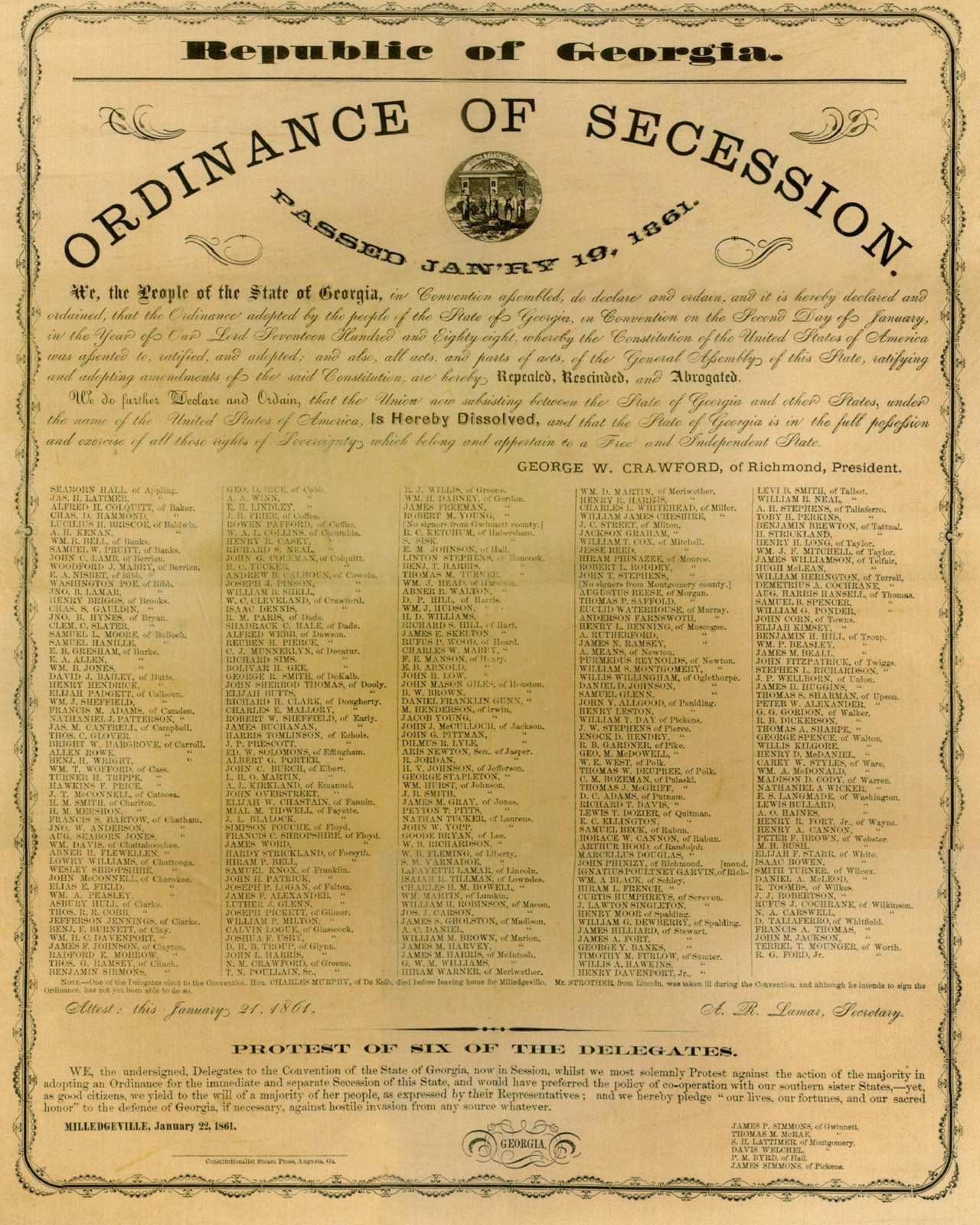
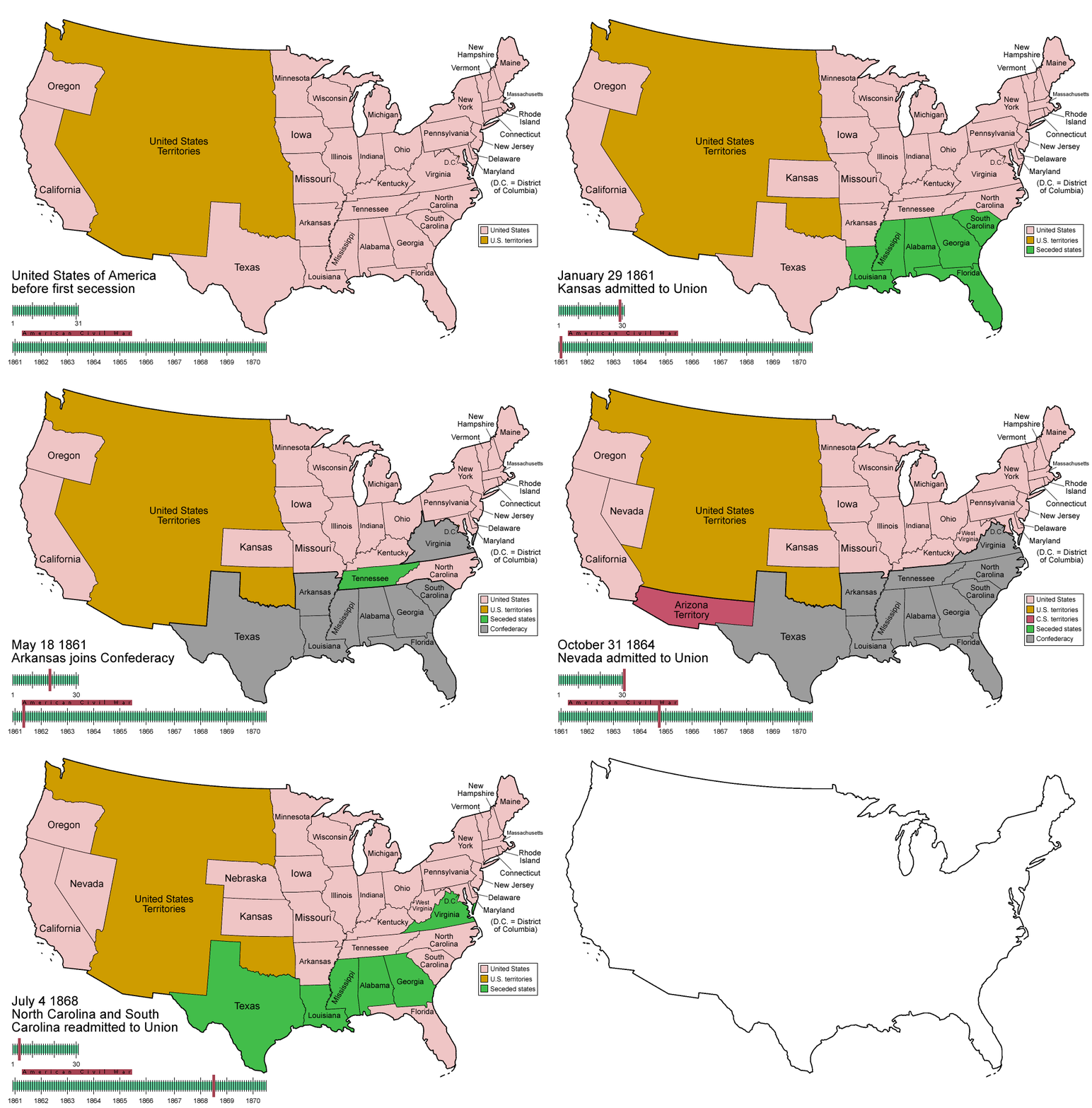
Civil War broke out shortly afterwards on 12th April 1861 when Confederate forces attacked the US Army's Fort Sumter in Charleston, South Carolina. Four additional slave states joined the Confederacy after Lincoln ordered Union forces to suppress the rebellion. Though Lincoln’s anti-slavery position was well known, the main Union goal was not, at first, to abolish slavery, but to preserve the United States as a nation.
"Contraband"
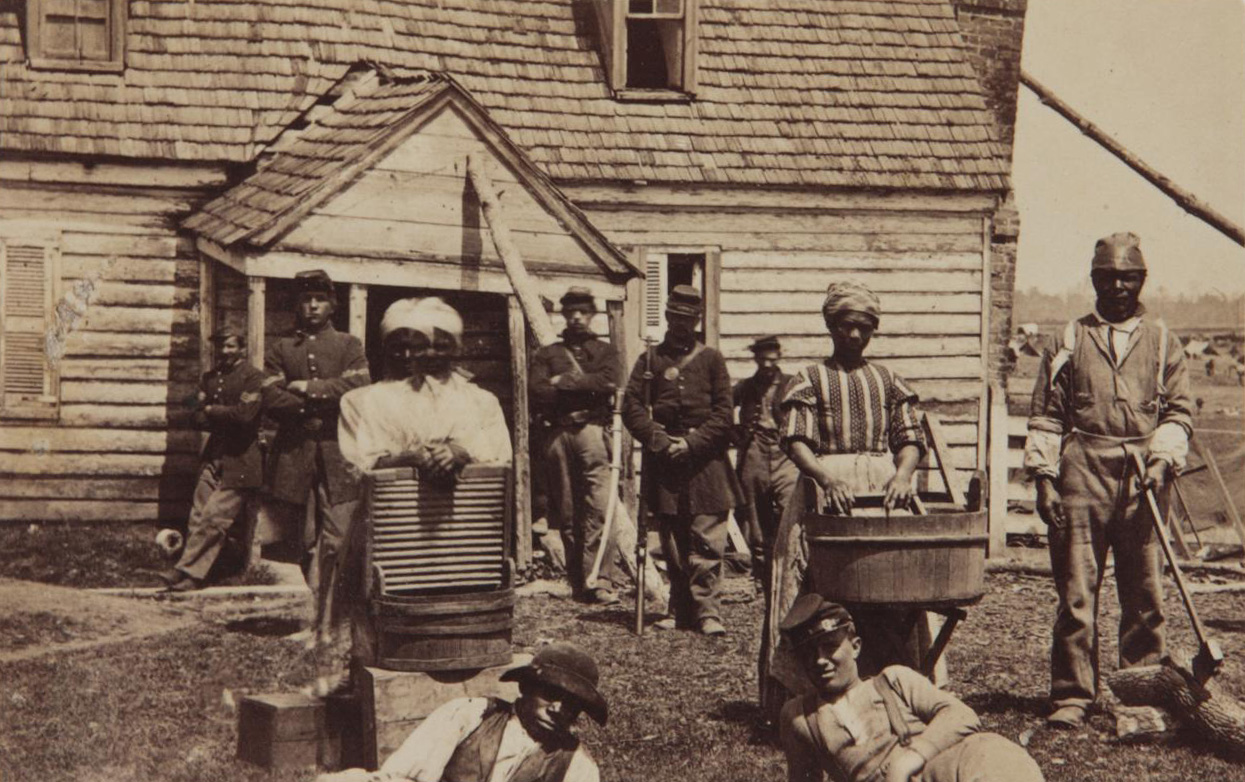
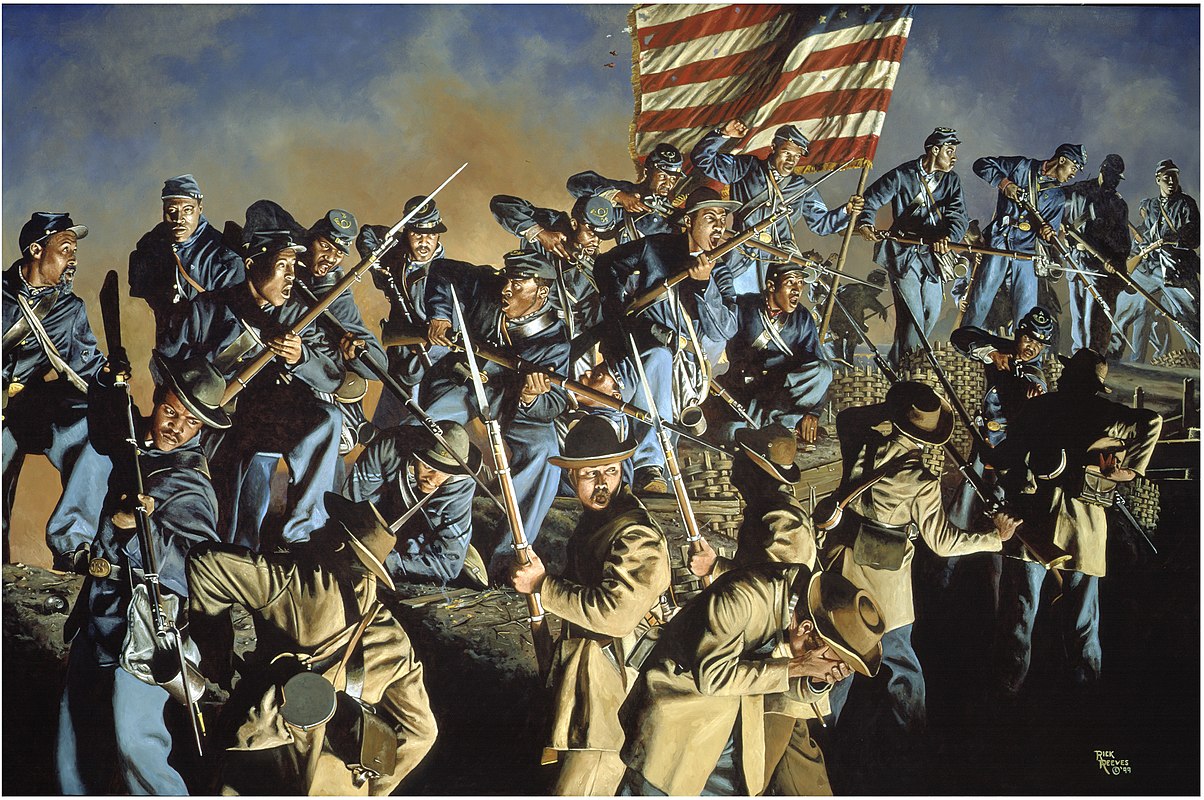
Soon after the war broke out, a legal ruling was issued declaring that slaves who came into Union "possession" were considered "contraband of war". It meant they were now not subject to return to the slave-owners, as they would have been before the war. Hundreds of thousands of enslaved African Americans immediately sought refuge in Union territory. Many of them later joined the Union Army (to the fury of he Confederacy, who refused to treat captured ex-slaves as prisoners of war, murdering or re-enslaving them instead).
Some 186,000 black soldiers served on the Union side in the Civil War, with about 38,000 losing their lives. Other escapees moved to refugee camps, where both adults and children were taught to read and write, or fled to Northern cities.
Emancipation Proclamation
By 1862, anti-slavery opinion in the North—reinforced by the feelings of those who had fled enslavement as Union troops swept through the South, led to a change in government policy. Northern politicians came to realise that the true cause of Southern secession—slavery—needed to be addressed. A new war goal was required.
The Emancipation Proclamation was an executive order issued by President Lincoln on 1st January 1863. He made it official that “slaves within any State, or designated part of a State…in rebellion…shall be then, thenceforward, and forever free.” The Proclamation changed the legal status of millions of enslaved people living in the Confederacy from "slave" to "free" as recognized by the US government. It meant that as soon as an enslaved person ran away or found themselves in Union territory through the advances of Union troops, they became legally, as well as actually, free. To counter this, some Southern plantation owners moved their slaves as far as possible out of reach of the advancing Union Army.

When Union troops arrived in Galveston, Texas, on 19th June 1865 (later known as "Juneteenth"), the victorious Union Army now controlled the whole of the Confederacy, meaning every formerly enslaved person was now liberated. The slaves' former owners were never compensated. On ratification of the Thirteenth Amendment in December 1865, chattel slavery was abolished everywhere in the United States, including the former slave states.

Reconstruction
The period following the Civil War, lasting from 1865 to 1877, is known as the Reconstruction Era. Newly freed slaves, known as freedmen, were proclaimed American citizens with the same civil rights as those of white people. The Freedmen's Bureau, a US government agency, was set up in March 1865 to direct "provisions, clothing, and fuel...for the immediate and temporary shelter and supply of destitute and suffering refugees and freedmen and their wives and children". The Bureau sought to protect the rights of freedmen and helped establish schools and churches.
Following the assassination of President Lincoln, who led the Republican Party in opposing slavery, Vice President Andrew Johnson, a Democrat, became president. An opponent of full suffrage (the right to vote) for freedmen, he sought to enable leaders of Southern states to make their own decisions over the rights of former slaves.
Congress, which was still under the control of anti-slavery Republicans following the 1866 elections, passed laws to protect equal rights for freedmen. They ensured that new state constitutions, which guaranteed the civil rights of freedmen, would be adopted throughout the South. The new laws enraged many whites in the South, giving rise to the white supremacist group, the Ku Klux Klan. The Klan terrorized and murdered freedmen throughout the South. Black freedmen had already endured violent attacks earlier in 1866, including the Memphis riots in May and the New Orleans massacre in July.

Jim Crow laws
Elected in 1868, Republican President Ulysses S. Grant supported Reconstruction and securing the protection of African Americans in the South via the Enforcement Acts. But Grant failed to stand up to Southern politicians who strongly opposed Reconstruction. When Democrats secured control of Congress in 1877, Union troops were withdrawn from the last three remaining states where they were stationed, South Carolina, Louisiana and Florida, bringing the Reconstruction Era to an end.
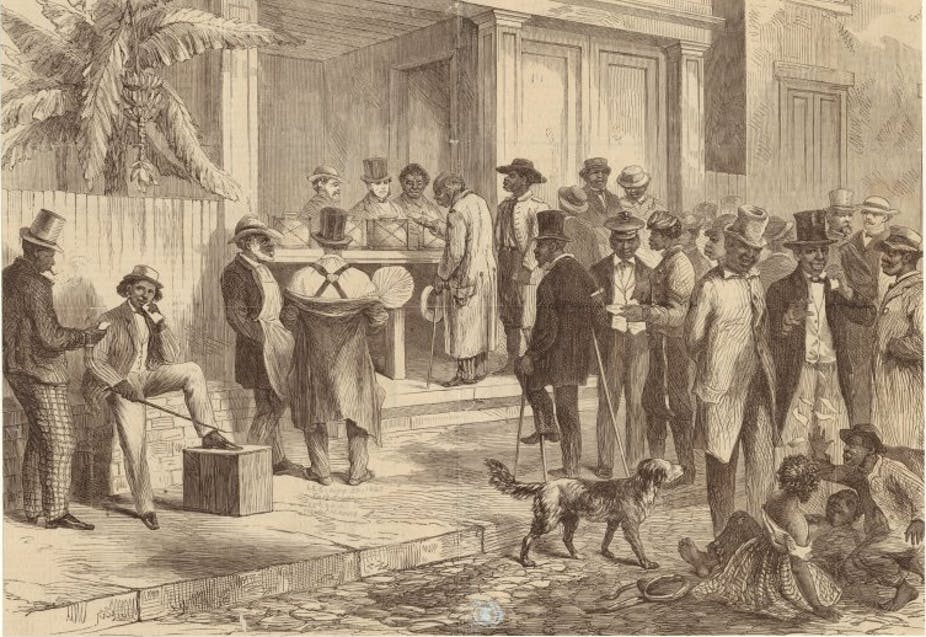
While slavery was never re-established, black people in the South were now at the mercy of Southern states' hostile lawmakers. Under new “Jim Crow” laws, state laws that undercut federal legislation (laws passed by Congress), African Americans began to lose nearly all the rights they had gained during Reconstruction. Under the Fourteenth Amendment, previously enslaved men and women had been granted citizenship and the “equal protection” of the US Constitution. But these rights were often simply ignored in the South. The Fifteenth Amendment granted them the right to vote, but by 1900 Jim Crow laws had effectively denied them this right, too.
Debt servitude
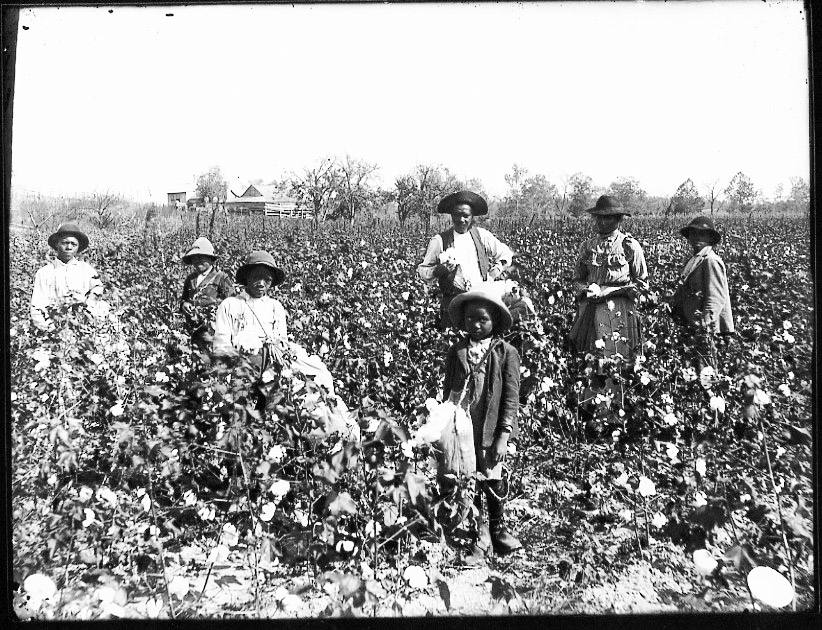
The Civil War, along with the Reconstruction Era that followed it, took a severe toll on the black population, causing widespread poverty, sickness and death. After liberation, most freedmen remained living in the rural South, many on the same plantations where they had worked as slaves. The majority became sharecroppers—leasing plots of land from their former masters in exchange for a share of the crops they grew. This often left them in debt to the landowners, putting them in a position that was little different to slavery.
Convict leasing


While the Thirteenth Amendment abolished slavery generally, it still permitted it as a punishment for crime. This gave many plantation owners an opportunity to force black people to work in their fields much as they had done under slavery. This was called convict leasing. Courts issued fines and sentences for a wide variety of minor crimes and used these as an excuse to arrest and sentence black people. Under convict leasing programmes, African American men, often guilty of no crime at all, were then forced to work without pay. Convict leasing persisted until it was abolished in 1942 by President Franklin D. Roosevelt.
Consultant: Philip Parker