
Famous women

CITE
We have made every effort to follow citation style rules, but there may be some minor differences. If in doubt, please refer to the appropriate citation style manual.
Harriet Tubman. (2025). In Q-files Encyclopedia, History, Famous women. Retrieved from
https://www.q-files.com/history/famous-women/harriet-tubman
"Harriet Tubman." History, Famous women, Q-files Encyclopedia, 22 Aug. 2025.
https://www.q-files.com/history/famous-women/harriet-tubman.
Accessed 6 Aug. 2026.
Harriet Tubman 2025. History, Famous women. Retrieved 6 August 2026, from
https://www.q-files.com/history/famous-women/harriet-tubman
History, Famous women, s.v. "Harriet Tubman," accessed August 6, 2026.
https://www.q-files.com/history/famous-women/harriet-tubman


Harriet Tubman
American anti-slavery and women's rights' campaigner Harriet Tubman (1820–1913) escaped slavery to become one of the leading abolitionists in the time before the American Civil War. She led hundreds of slaves to freedom along the Underground Railroad and served in the Union forces during the War. In later life she spoke out for women’s suffrage. Her bravery and generosity of spirit has continued to inspire generations of Americans.

Early life
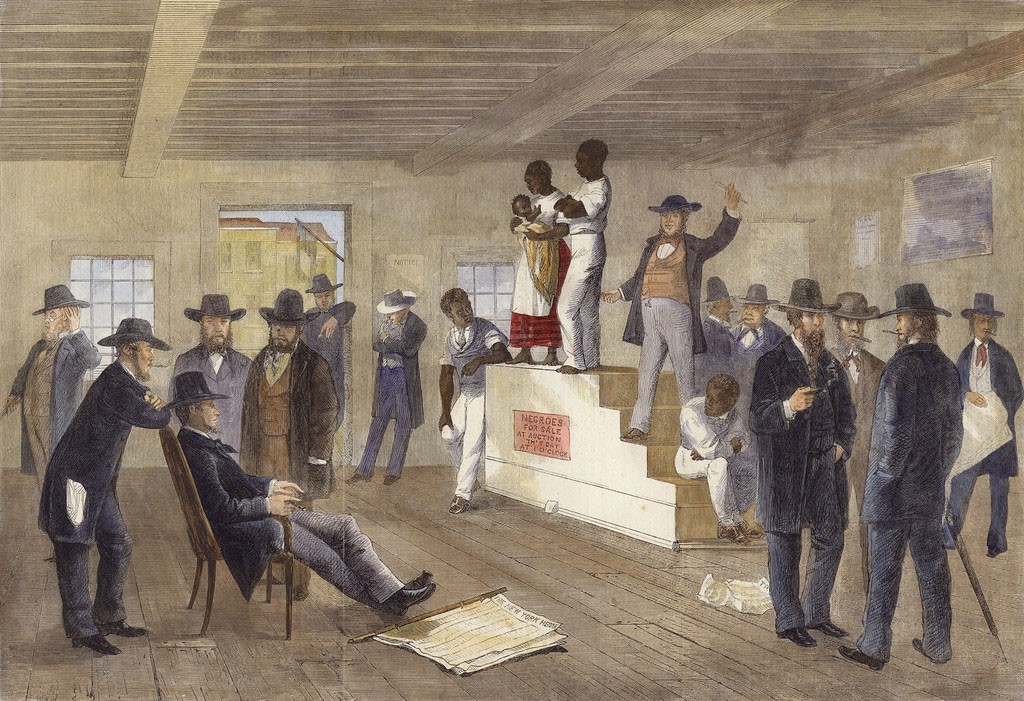
Harriet Tubman was born to enslaved parents in Dorchester County, Maryland, around 1820. Her birth name was Araminta "Minty" Ross; she later changed her first name to Harriet after her mother. She was put to work as a house servant at around the age of five or six years old, and experienced physical violence, including whippings, from that time.
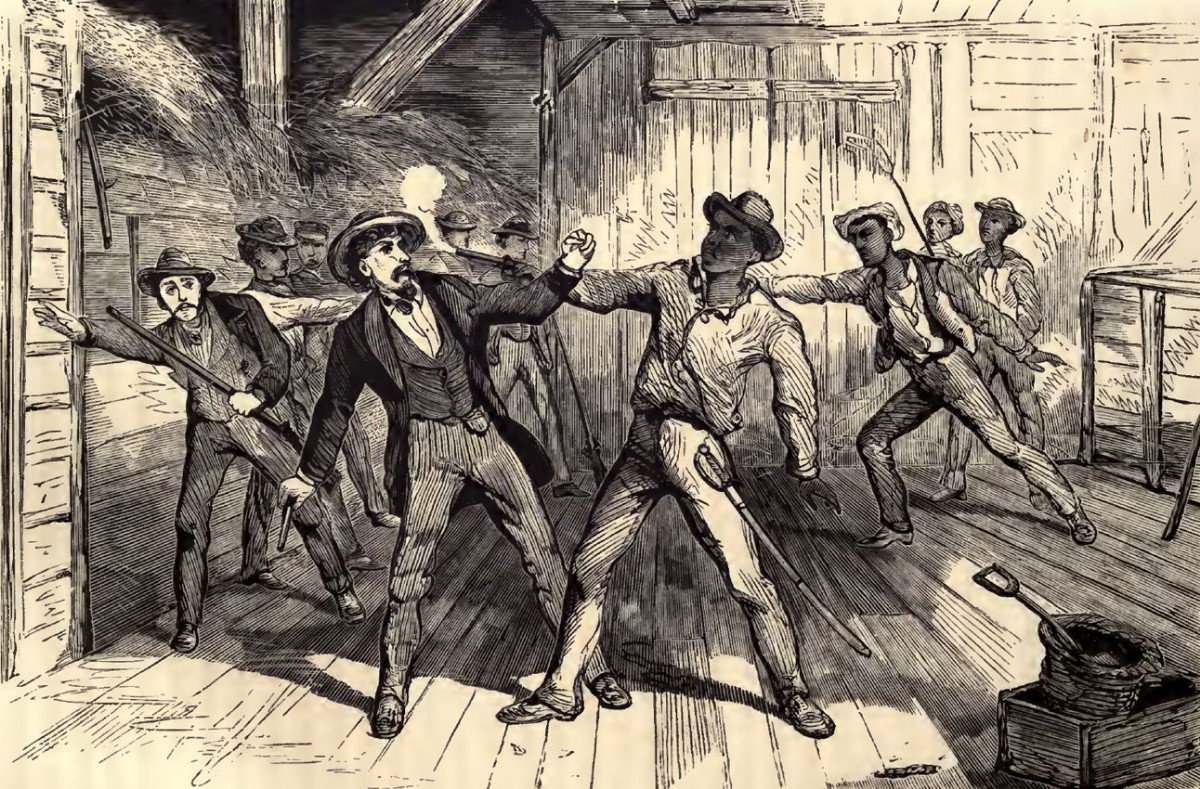
As a teenager she suffered an injury that was to affect her for the rest of her life. On an errand to a store, she came across a slave who had left the fields without his master’s permission. When the man’s overseer ordered Harriet to help him restrain the runaway, Harriet refused. The overseer threw a heavy weight at the slave, but it missed and hit Tubman on the head, causing a severe injury. She never fully recovered from this, which caused her to have seizures and sudden attacks of sleepiness.

Underground Railroad
In 1844, Harriet married a free African American named John Tubman. Five years later, the death of her owner led Harriet to fear that she would soon be sold, and she decided to escape. She fled to Philadephia, leaving behind her husband and the rest of her family. While the exact details of Harriet’s journey are unknown, she made use of the network known as the Underground Railroad that helped slaves to flee to the free states of the northern United States, and to Canada.
This network was made up of secret routes and safe houses, and the fleeing slaves were helped by sympathetic abolitionists, both black and white. Fugitive slaves were at great risk while they were on the run, as there were often large rewards for their return, and professional bounty hunters (slave catchers) pursued runaway slaves in the hope of claiming the money.

The "Moses of her people"
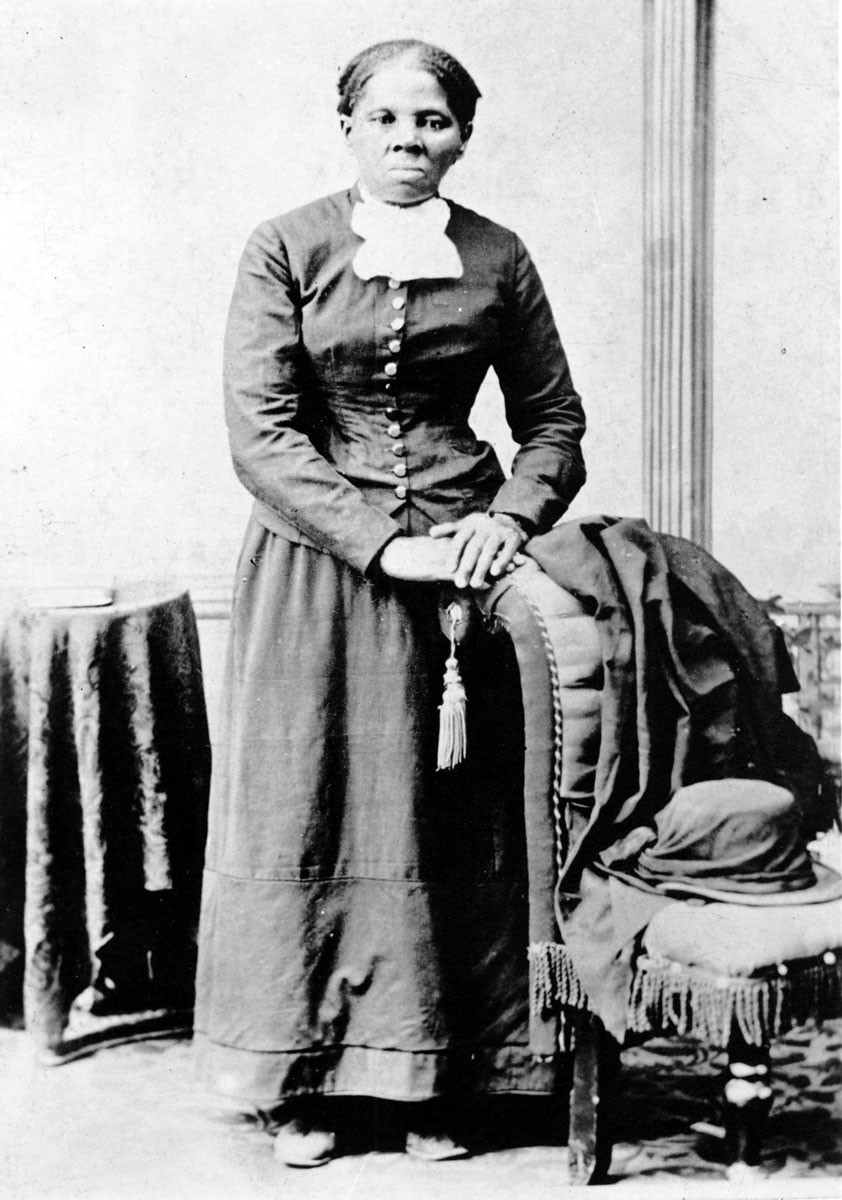
The following year, in 1850, Harriet learned that her niece’s family were in danger of being sold. Despite the huge risks, she returned to Maryland and led the whole family to freedom in Philadelphia. This was the first of around 19 more journeys into Maryland undertaken by Harriet over the subsequent decade. In all, she led around 300 fugitives, including her parents and many other members of her family, to safety. Her knowledge of the countryside and her bravery, allowed her to avoid capture.
Harriet was also a tough leader. Once a fugitive had joined one of her expeditions she would not allow any thought of turning back, threatening to shoot any former slaves rather than let them return. It is said that she did not lose any of the people she led to freedom. The reward for her capture eventually reached US $40,000. Amongst abolitionists she became known as the "Moses of her people" for her courage and skill at leading former slaves to freedom.

"General Tubman"
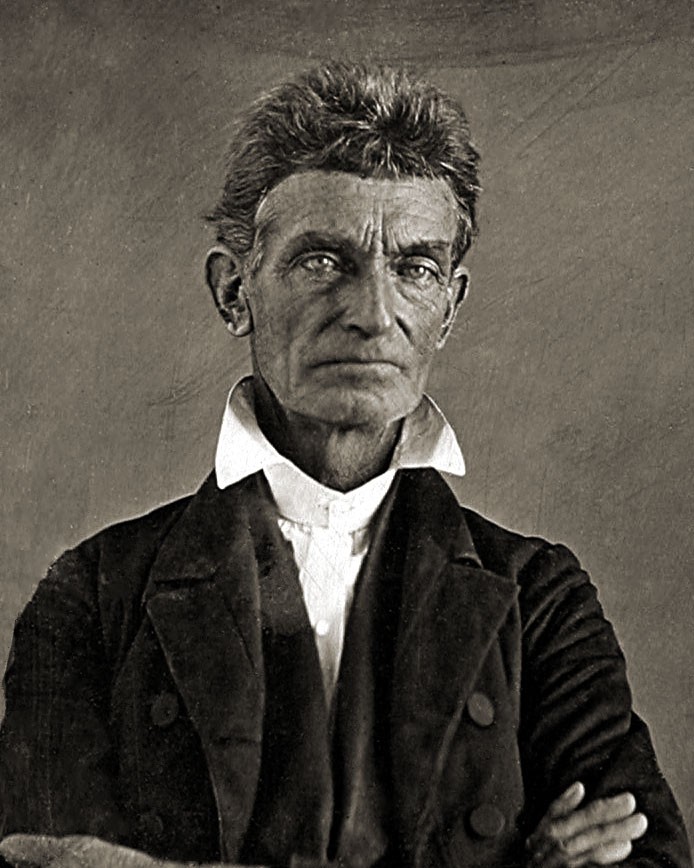
In 1858, Harriet met the abolitionist John Brown who believed that violence was the only way to bring an end to slavery. Although she did not agree with his methods, Harriet helped him to make plans and raise funds for a raid on the United States armory at Harpers Ferry in 1859. Brown believed that the raid would result in a slave rebellion across the whole of the southern United States. He called Harriet "General Tubman", and drew heavily on her knowledge and expertise. Harriet did not take part in the raid itself, possibly because she was ill. It ended in failure, and John Brown was executed for his part in it.
The American Civil War
In 1859, the abolitionist US Senator William H. Seward helped Harriet to buy a small farm near Auburn in New York State. She settled her parents there and lived in Auburn for the rest of her life. On the outbreak of the Civil War in 1861, Harriet worked for the Union forces as a scout, a nurse and a spy. In 1863, she led an armed raid up the Combahee River in South Carolina to liberate the slaves working on the plantations there. More than 750 slaves were freed, many of whom joined the Union armies.
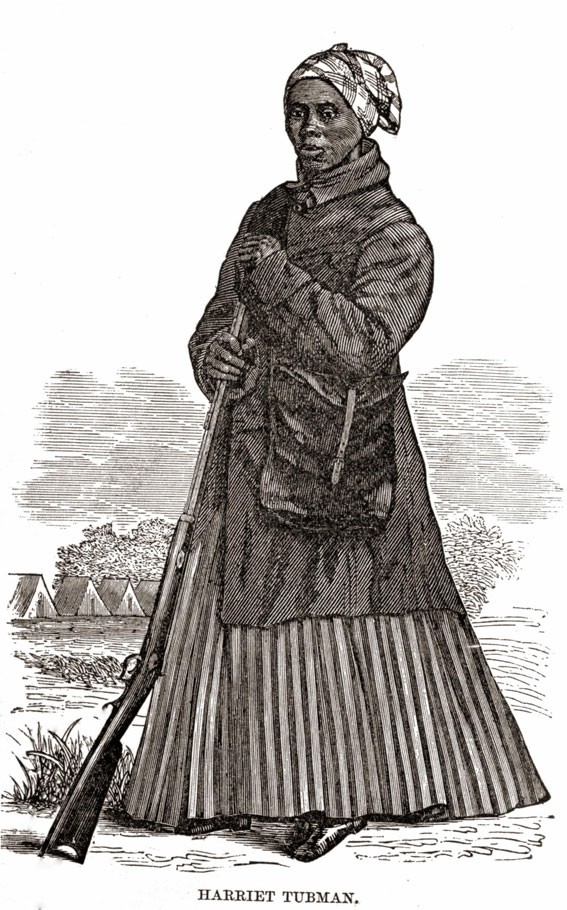
Later life
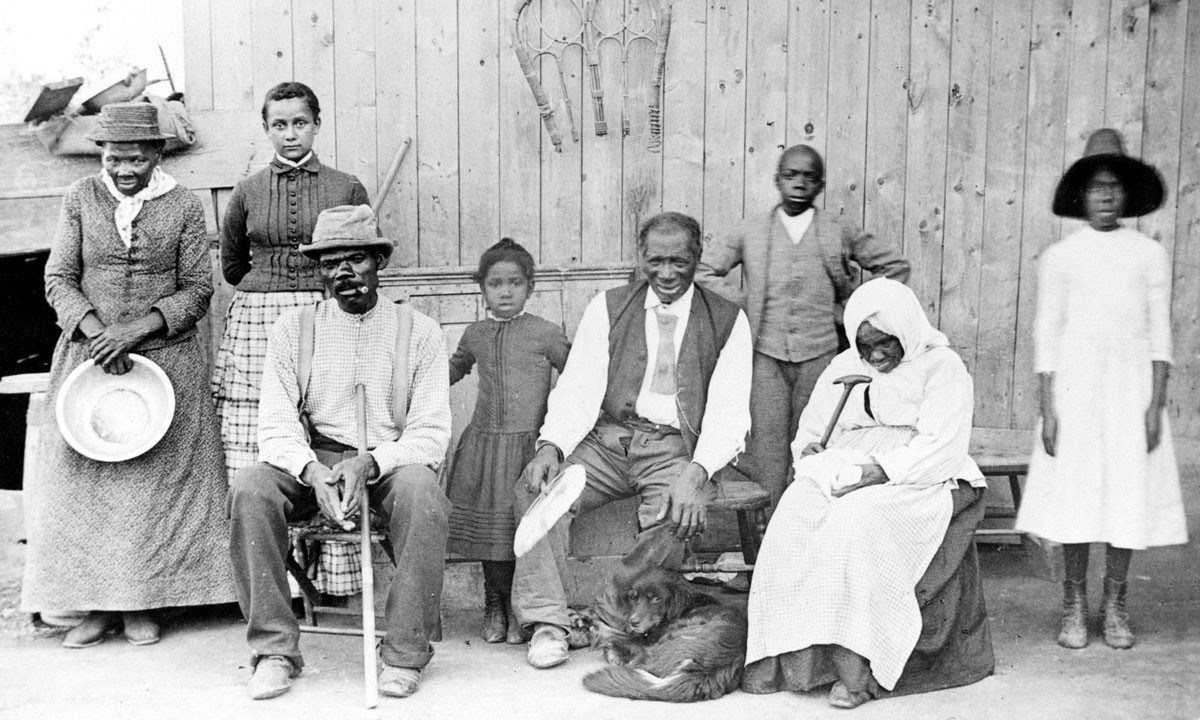
After the war, Harriet married a Civil War veteran named Nelson Davies, and the couple adopted a baby girl called Gertie. Harriet had received very little pay for her work during the war, and lack of money continued to be a problem. A supporter wrote her biography, which brought in some income. Yet despite her poverty Tubman continued to fight for the rights of others. She became involved in the American suffragist movement, giving speeches in favour of women’s right to vote. She also set up a home for the elderly on a piece of land next to her Auburn farm, called the Harriet Tubman Home for the Aged.
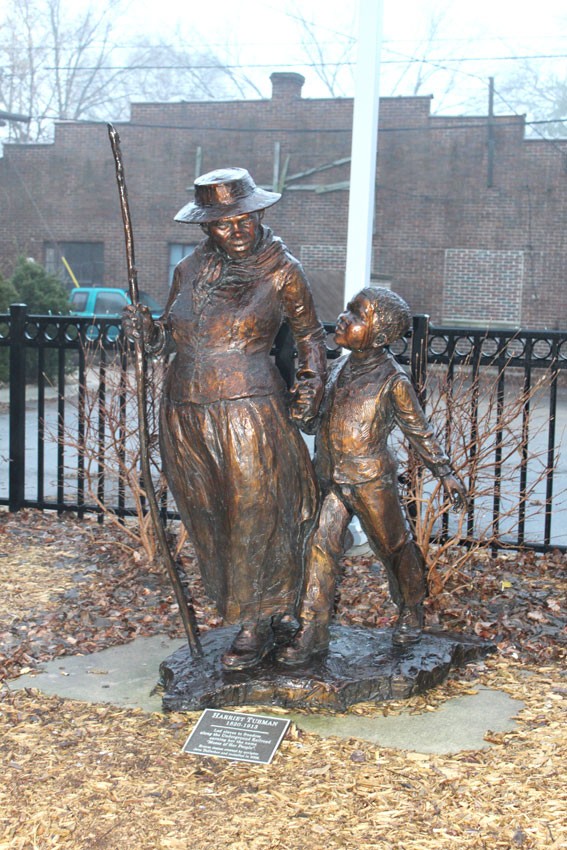
Towards the end of her life, Harriet continued to suffer from the childhood injury she had received to the head. In 1911 she was admitted into the home she herself had founded and she died there in 1913. She was buried in Fort Hill Cemetery in Auburn with military honours.
Consultant: Philip Parker
pics
Without in any way limiting Q-files Ltd’s exclusive rights under copyright, any use of this publication to “train” generative artificial intelligence (AI) technologies to generate text is expressly prohibited. Q-files Ltd reserves all rights to license use of this work for generative AI training and development of machine learning language models.