
Famous women

CITE
We have made every effort to follow citation style rules, but there may be some minor differences. If in doubt, please refer to the appropriate citation style manual.
Josephine Baker. (2025). In Q-files Encyclopedia, History, Famous women. Retrieved from
https://www.q-files.com/history/famous-women/josephine-baker
"Josephine Baker." History, Famous women, Q-files Encyclopedia, 26 Aug. 2025.
https://www.q-files.com/history/famous-women/josephine-baker.
Accessed 22 Sep. 2026.
Josephine Baker 2025. History, Famous women. Retrieved 22 September 2026, from
https://www.q-files.com/history/famous-women/josephine-baker
History, Famous women, s.v. "Josephine Baker," accessed September 22, 2026.
https://www.q-files.com/history/famous-women/josephine-baker


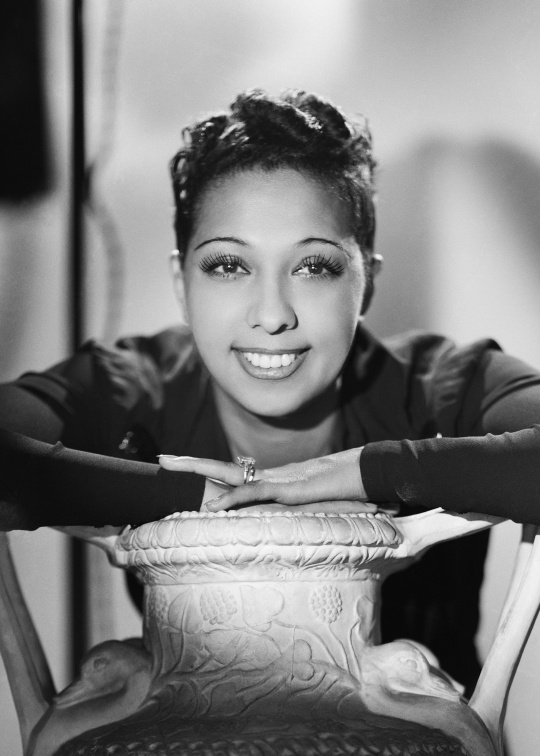
Josephine Baker
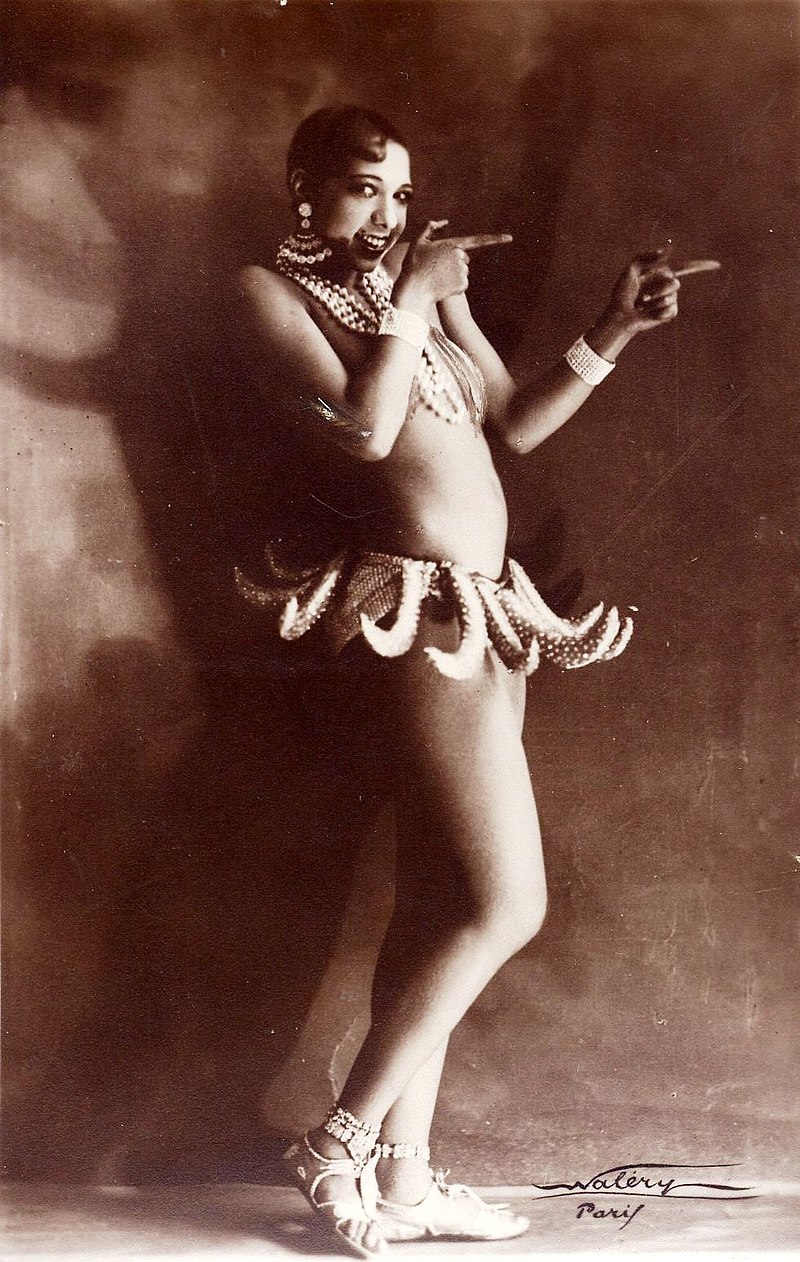
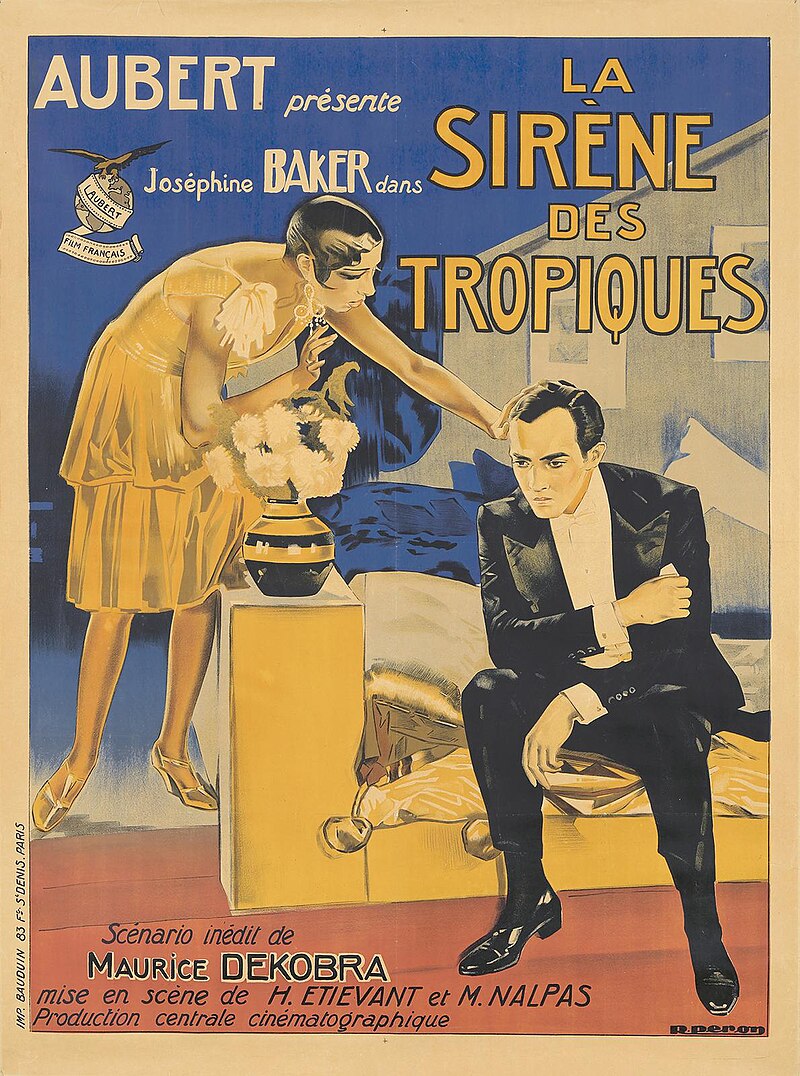
Josephine Baker (1906–75) was an American-born French dancer, singer and actress. She was the first black woman to star in a major movie, the 1927 French silent film La Sirène des Tropiques (Siren of the Tropics). As a young woman, she performed at the Folies Bergère in Paris wearing a costume consisting mainly of a short skirt made of 16 bananas. She became a symbol both of the Jazz Age and the Roaring Twenties. During World War II, she worked for the French, British and American military intelligence agencies. Based in French Morocco, she also played a key role as a spy for the French Resistance.
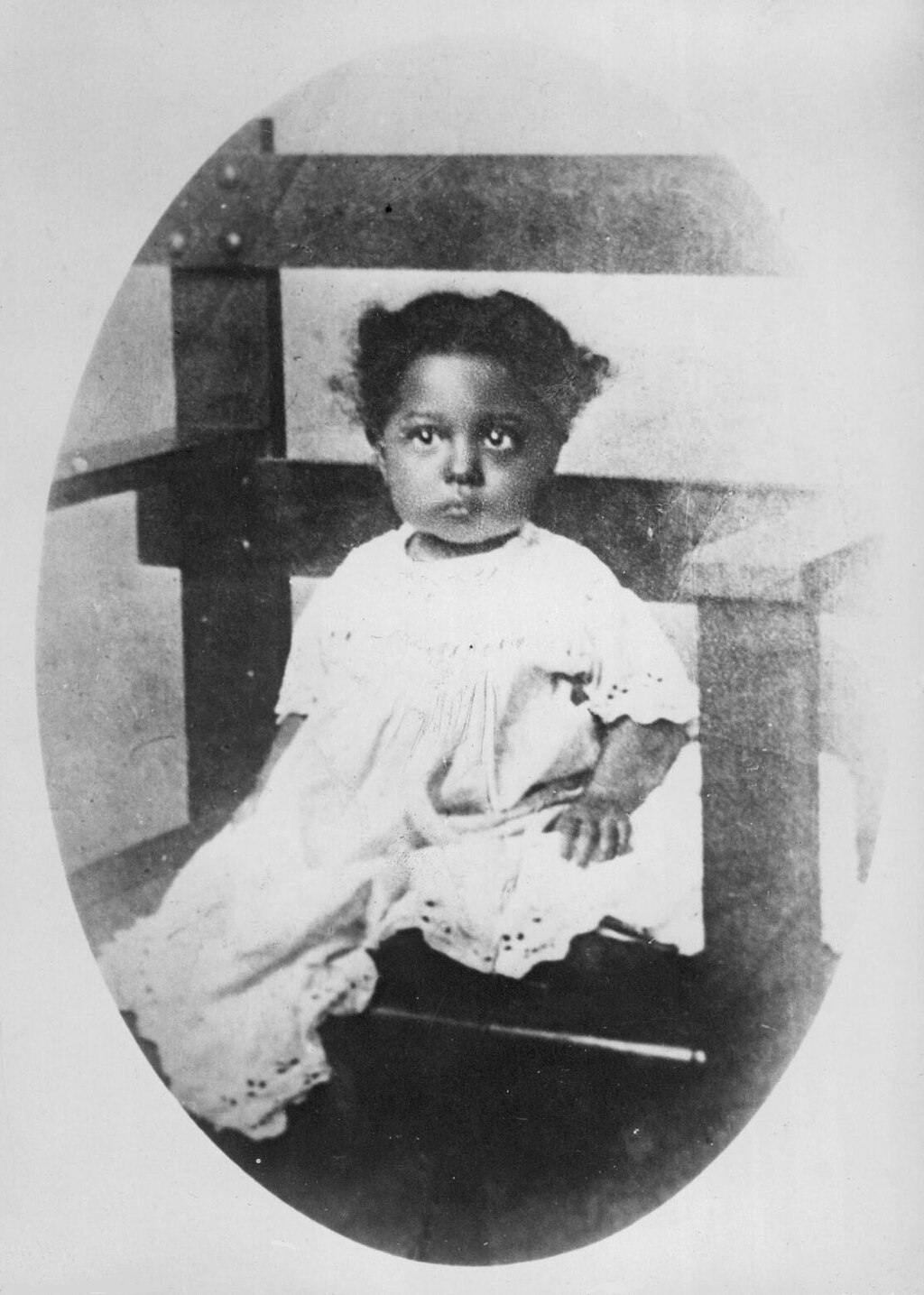
Early years
Josephine Baker was born Freda Josephine McDonald in St Louis, Missouri, on 3rd June 1906. Her mother, Carrie McDonald, was of part black, part Native American heritage, who once had ambitions of being a music-hall dancer. Her father, Eddie Carson, possibly a white man, was a vaudeville drummer. He abandoned Carrie and Josephine shortly after she was born.
Growing up in poverty, Josephine was sent to work at the age of eight as a domestic help for white families in St Louis. Having dropped out of school, she ran away from home at the age of 13. To begin with, she lived on the streets, sleeping in cardboard shelters and scavenging for food in garbage cans, while performing as a street-corner dancer. She soon found work as a waitress at a club. While working there, she met and married a man named Willie Wells, but divorced him only weeks later.
Dancer
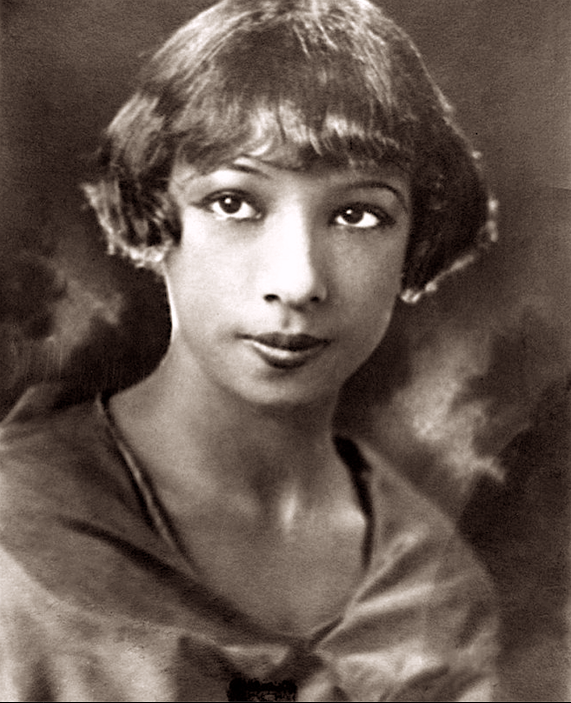
Still only a teenager, by 1919 Josephine had become a dancer and was touring the United States with the Jones Family Band and the Dixie Steppers. In 1921, at the age of 15, Josephine married a man named Willie Baker. Though they divorced four years later, she continued to use his surname professionally for the rest of her life.
By this time, Josephine Baker had moved to New York City. With the Harlem Renaissance in full swing, venues for black performers, such as the Plantation Club, were thriving. In 1923, Baker landed a role in the chorus line of a Broadway production, Shuffle Along. The extra comic touches she improvised made her popular with audiences.
Paris
When the Théâtre des Champs-Élysées in Paris decided to put on a show performed entirely by black people, Josephine Baker was hired along with other black performers from New York. She sailed for Paris in 1925. Dancing the Danse Sauvage in La Revue Nègre, she was an instant success and returned to Paris in 1926 to star at the Folies Bergère. There she performed wearing a costume consisting only of a short skirt made of 16 bananas (in later shows she was accompanied by a pet cheetah). Baker soon the most successful American entertainer in France, later becoming a professional singer as well as a dancer. She was the first black woman to star in a major movie, the 1927 silent film La Sirène des Tropiques ("Siren of the Tropics"). She later made three "talkies".
Despite her popularity in France, Baker never achieved the same success in America. Her performances there often met with hurtful criticism, persuading her that her future lay back in France. In 1937, she married the French industrialist Jean Lion, thus becoming a French citizen.
World War II
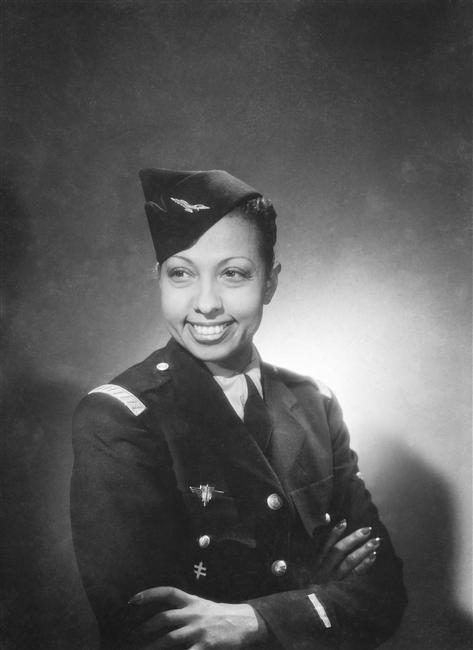
During World War II, Josephine Baker was recruited by the Deuxième Bureau, the French military intelligence agency, secretly gathering information from Germans visiting nightclubs in Paris. Holder of a pilot's licence, she also flew missions for the French airforce. Later, based in French Morocco, she played a key role as a spy in the French Resistance, smuggling messages hidden in her sheet music and even in her underwear. She also worked for British Secret Intelligence Service and the US Secret Service, using her fame and charm to identify Nazi spies and enabling hundreds of arrests. After the war, Baker was awarded the Resistance Medal by the French Committee of National Liberation, the Croix de Guerre by the French military and the Légion d’honneur by General Charles de Gaulle.
Civil Rights
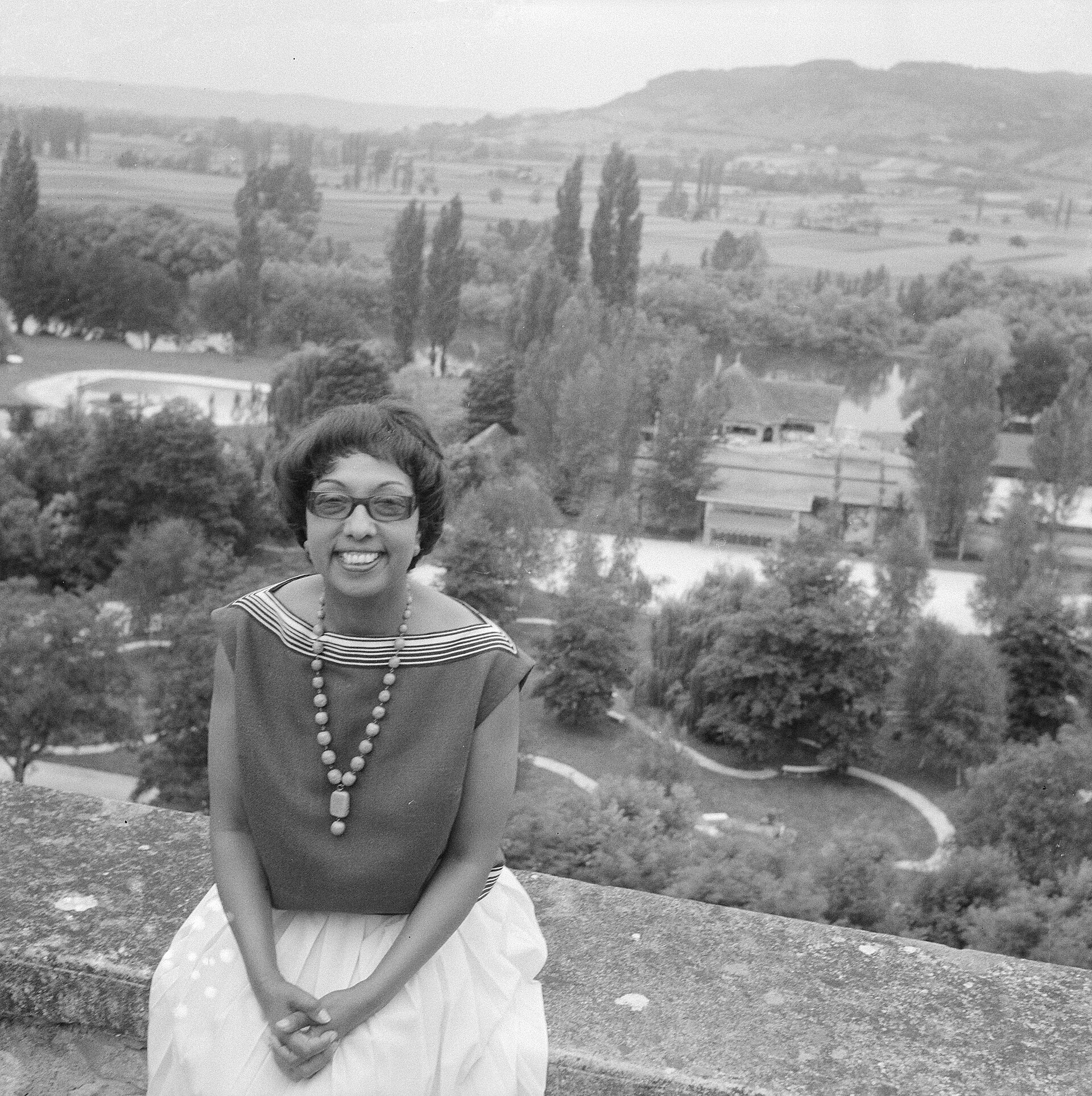
While performing at US army camps across North Africa during the war, Baker was confronted with the racial segregation she had left behind when she left America for France in 1925. In the post-war years, Baker later took a leading role in the US civil rights movement, speaking with Martin Luther King at the 1963 March on Washington. During this time, she began to adopt children—creating a family of 12 children of different ethnicities whom she called "The Rainbow Tribe"—to live with her in her château in the Dordogne, Les Milandes.

Later years
Baker continued to perform around the world into the 1970s, even though she faced financial difficulties and, in 1968, lost her château owing to unpaid debts. Just after a show in Paris celebrating her 50 years in show business, she was found in a coma after suffering a cerebral hemorrhage. Josephine Baker died in hospital on 12th April 1975. She was 68. Her funeral at L'Église de la Madeleine attracted more than 20,000 mourners.
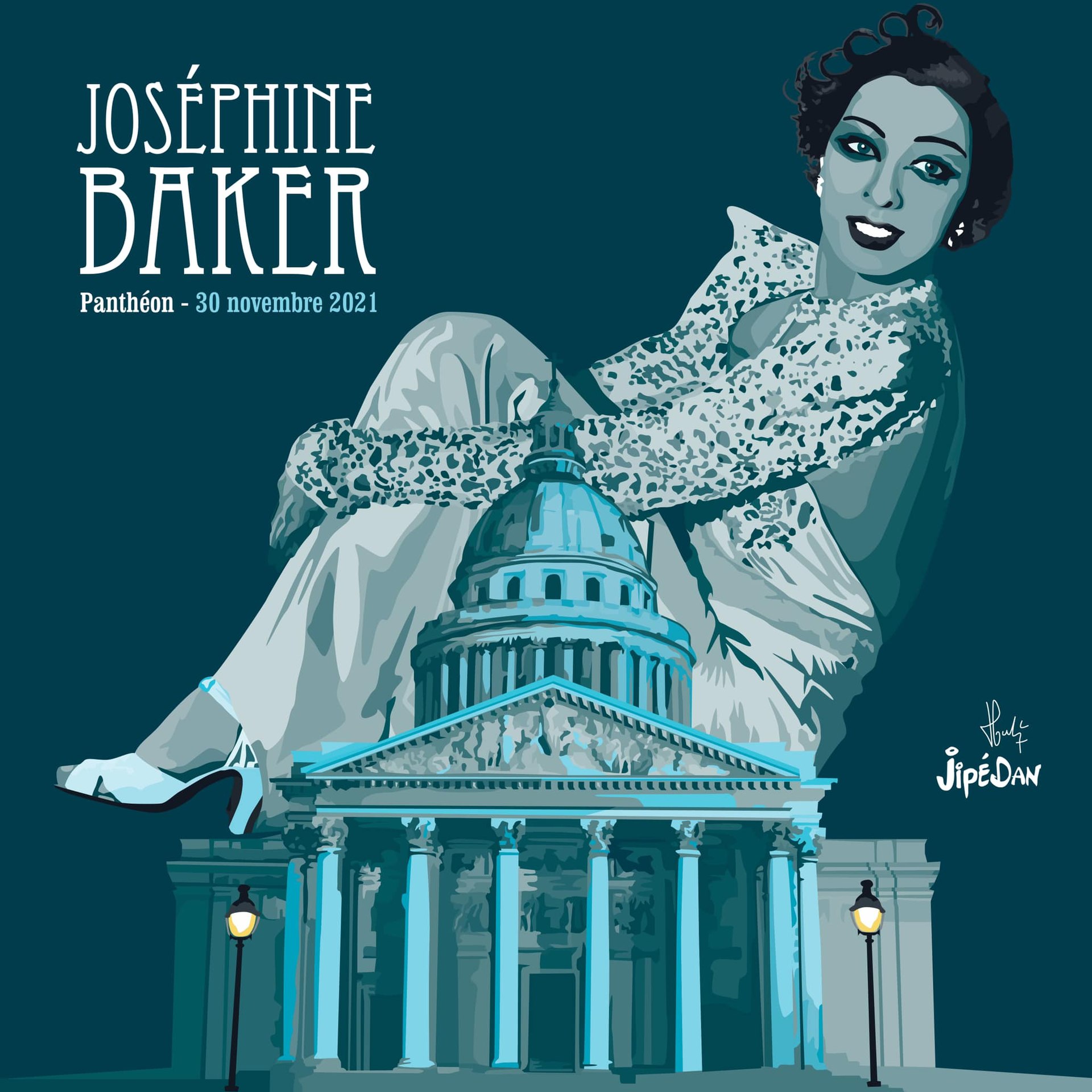
In 2021, a cenotaph commemorating her was installed in the crypt in the Panthéon in Paris.
pics

Without in any way limiting Q-files Ltd’s exclusive rights under copyright, any use of this publication to “train” generative artificial intelligence (AI) technologies to generate text is expressly prohibited. Q-files Ltd reserves all rights to license use of this work for generative AI training and development of machine learning language models.