
Famous women

CITE
We have made every effort to follow citation style rules, but there may be some minor differences. If in doubt, please refer to the appropriate citation style manual.
Edith Cavell. (2025). In Q-files Encyclopedia, History, Famous women. Retrieved from
https://www.q-files.com/history/famous-women/edith-cavell
"Edith Cavell." History, Famous women, Q-files Encyclopedia, 22 Aug. 2025.
https://www.q-files.com/history/famous-women/edith-cavell.
Accessed 22 Sep. 2026.
Edith Cavell 2025. History, Famous women. Retrieved 22 September 2026, from
https://www.q-files.com/history/famous-women/edith-cavell
History, Famous women, s.v. "Edith Cavell," accessed September 22, 2026.
https://www.q-files.com/history/famous-women/edith-cavell


Edith Cavell
Edith Cavell (1865–1915) was an English nurse who, during World War I, cared for wounded soldiers of both sides at the hospital where she was working in Brussels. She helped around 200 soldiers from the Allied countries (France, Britain and Belgium) fighting Germany to escape from German-occupied Belgium and reach the Netherlands, a neutral country. She sheltered the soldiers until they could make their way to safety, led by guides organized by a Belgian architect named Philippe Baucq. But both she and Baucq were arrested and shot by the Germans. Edith Cavell became a much-publicized heroine for the Allies.


Early life
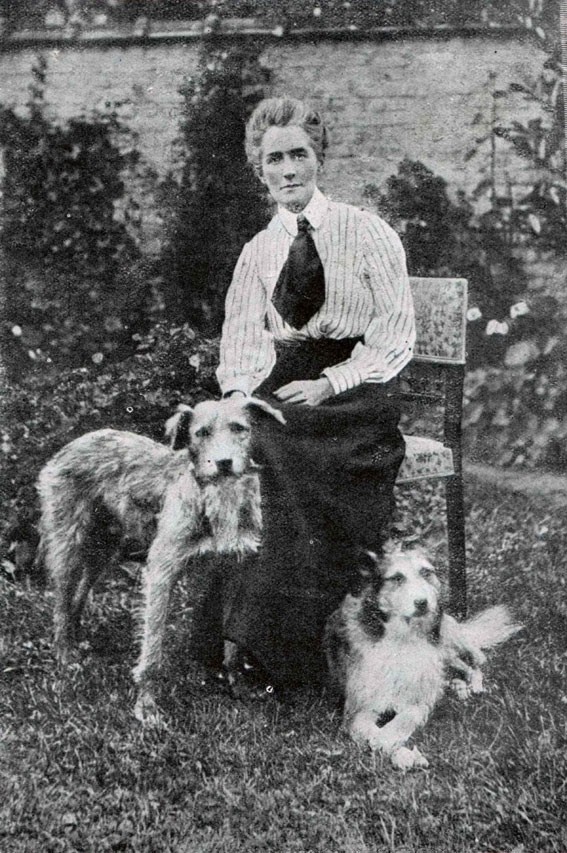
Edith Cavell was born on 4th December 1865 in Swardeston, Norfolk where her father was the vicar. She was a talented artist and showed a proficiency for languages at school. After school she worked as a governess for a family in Belgium, becoming fluent in French. She started training to be a nurse in 1895, and returned to Belgium in 1907.
The Berkendael Institute
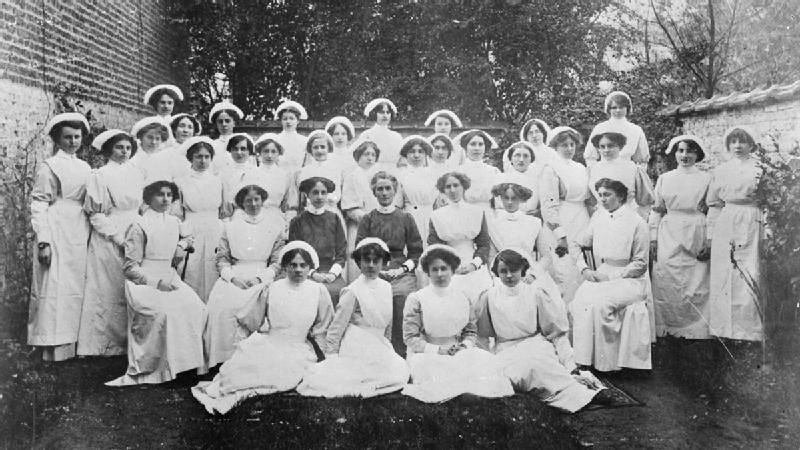
At that time most of the nursing in Belgium was done by nuns with little training. A surgeon called Dr Antoine Depage decided to set up a nurses’ training school, and he needed an experienced, French-speaking matron. Edith Cavell took up the post at the Berkendael Institute, Brussels, and was soon recruiting student nurses and helping to improve nursing standards.
Life in wartime Belgium
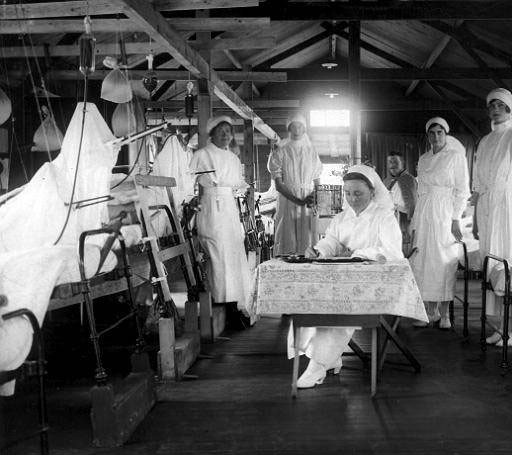
World War I broke out in 1914, and Belgium was occupied by the Germans by November of that year. The hospital was taken over by the Red Cross, and the nurses cared for injured soldiers regardless of their nationality. Edith soon became involved in secretly helping Allied (French, British and Belgian) soldiers to escape to the Netherlands, which was a neutral country. She sheltered the soldiers until they could make their way to safety, led by guides organized by a Belgian architect named Philippe Baucq.
Arrest and execution
It was dangerous work, and in August 1915 an informer betrayed them. By that time Edith had helped about 200 soldiers to escape. Edith, Baucq and others were arrested by the Germans and brought before a court martial in October 1915. Edith confessed and was sentenced to death.
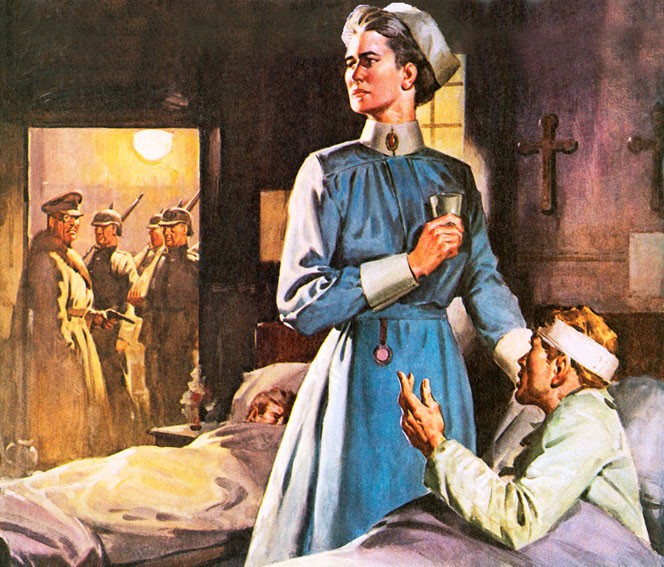
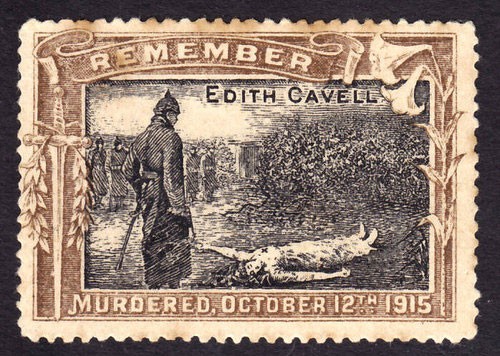
She and Baucq were both shot on 12th October 1915. Her execution caused outrage, and was used widely in anti-German propaganda by the Allies. After the war, her body was brought back to England, a state funeral was held at Westminster Abbey and she was buried in her beloved Norfolk, in Norwich Cathedral.
Consultant: Philip Parker
pics
Without in any way limiting Q-files Ltd’s exclusive rights under copyright, any use of this publication to “train” generative artificial intelligence (AI) technologies to generate text is expressly prohibited. Q-files Ltd reserves all rights to license use of this work for generative AI training and development of machine learning language models.