
Famous women

CITE
We have made every effort to follow citation style rules, but there may be some minor differences. If in doubt, please refer to the appropriate citation style manual.
Millicent Fawcett. (2026). In Q-files Encyclopedia, History, Famous women. Retrieved from
https://www.q-files.com/history/famous-women/millicent-fawcett
"Millicent Fawcett." History, Famous women, Q-files Encyclopedia, 1 May. 2026.
https://www.q-files.com/history/famous-women/millicent-fawcett.
Accessed 6 Aug. 2026.
Millicent Fawcett 2026. History, Famous women. Retrieved 6 August 2026, from
https://www.q-files.com/history/famous-women/millicent-fawcett
History, Famous women, s.v. "Millicent Fawcett," accessed August 6, 2026.
https://www.q-files.com/history/famous-women/millicent-fawcett


Millicent Fawcett
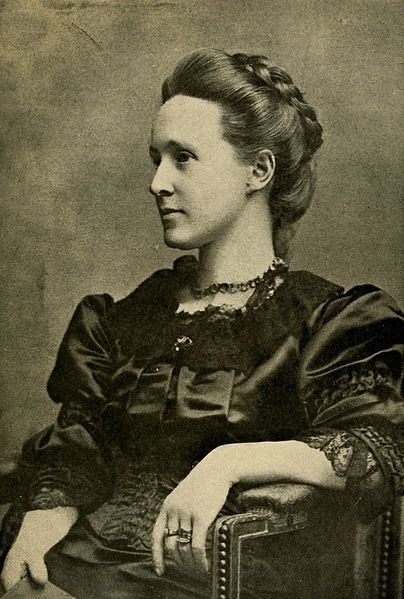
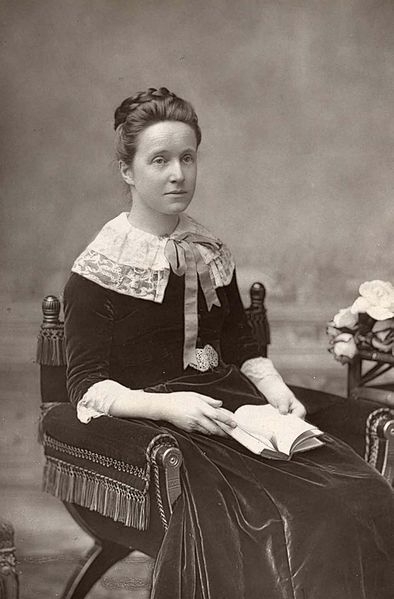
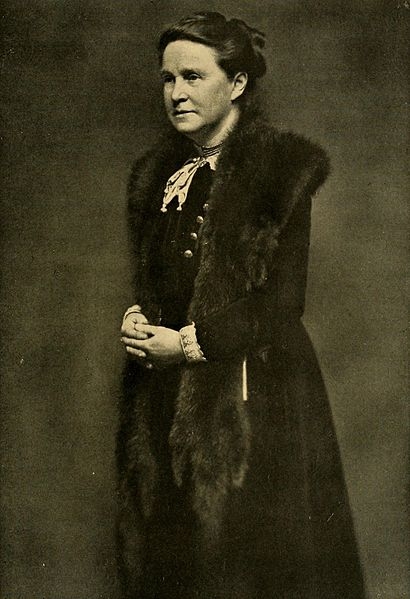
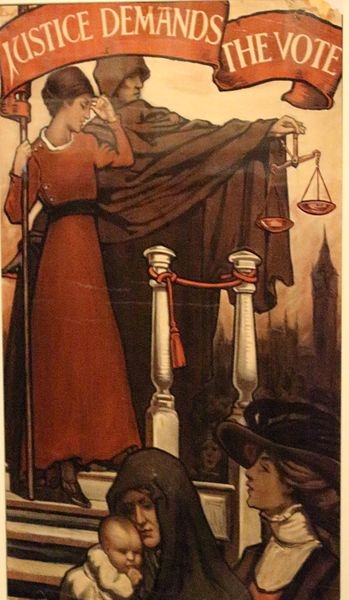
Millicent Garrett Fawcett (1847–1929) was a leading campaigner for equal rights for women in Britain. A political leader and writer, she led the biggest suffrage organization, the National Union of Women’s Suffrage Societies (NUWSS), from 1897 to 1919 and played a key role in gaining women the vote. Known as the Suffragists, members of the NUWSS sought peaceful means to achieve their aim, while the Women’s Social and Political Union (WSPU), or Suffragettes, vowed to use any means necessary, including violence, to get the vote. Millicent Fawcett was also devoted to the struggle to improve women's opportunities for education.
Early life
Born in Aldeburgh, Suffolk, Millicent Garrett was sent to London at the age of 12, along with her sister Elizabeth (later Elizabeth Garrett Anderson, the first female doctor in the UK) to attend boarding school. When she was 19, Millicent went to hear a speech on equal rights for women given by the radical politician, John Stuart Mill. Impressed by Mill's practical approach, Millicent decided to become actively involved in his campaign.
After marrying Henry Fawcett, the radical MP for Brighton, in 1867, she became noted as an effective speaker—at a time when women rarely spoke on public platforms. She also played a role in the founding of Newnham College, Cambridge, a college for women, in 1871. Henry Fawcett died of pleurisy in 1884, leaving Millicent a widow at just 38.
President of the NUWSS
After her husband’s death, Millicent devoted more of her time to campaigning. In 1897, she was elected president of the National Union of Women’s Suffrage Societies (NUWSS), the largest group campaigning for equal rights for women.
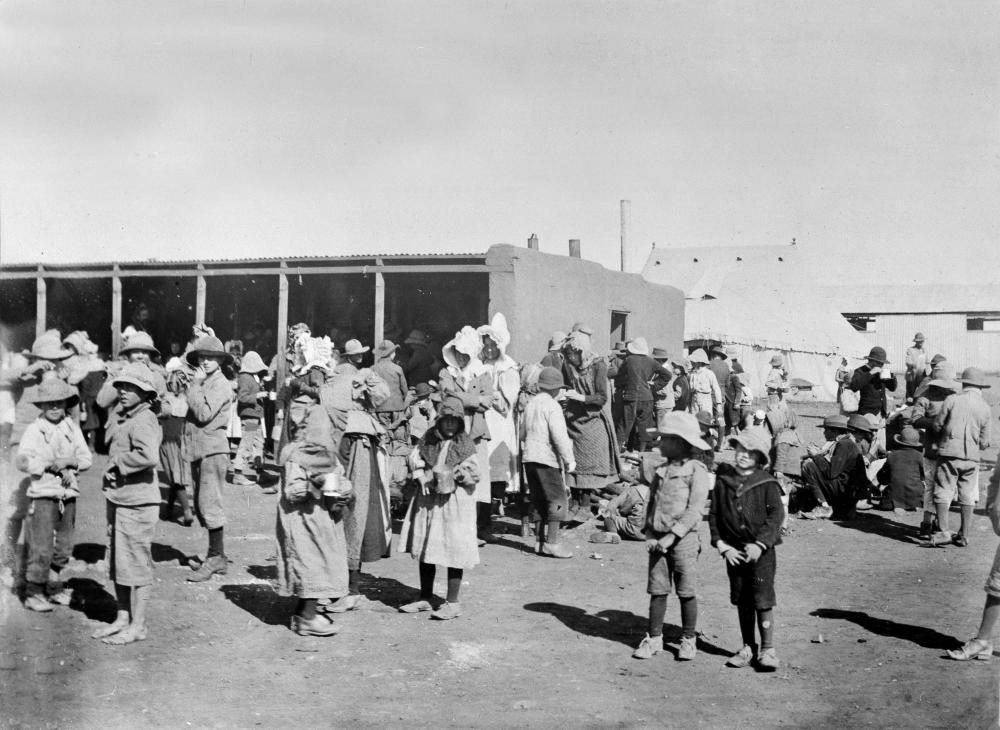
In 1901 Millicent was appointed by the British government to investigate the “atrocious” conditions that were suffered by Boer families in the concentration camps set up during the Second Boer War (1899–1902) in South Africa. She also supported many other causes, such as curbing child abuse and ending the practice of excluding women from courtrooms when sexual offences were under consideration.
Suffragists v. Suffragettes
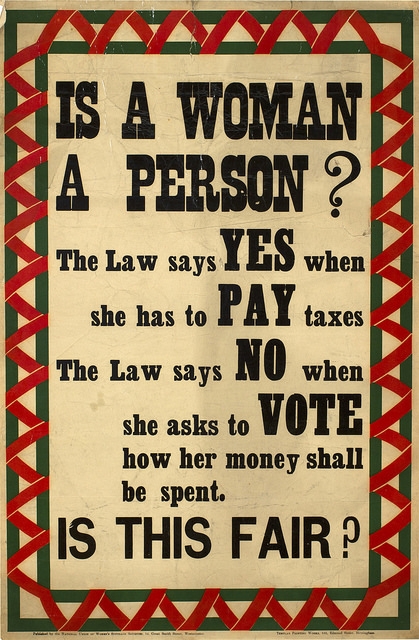
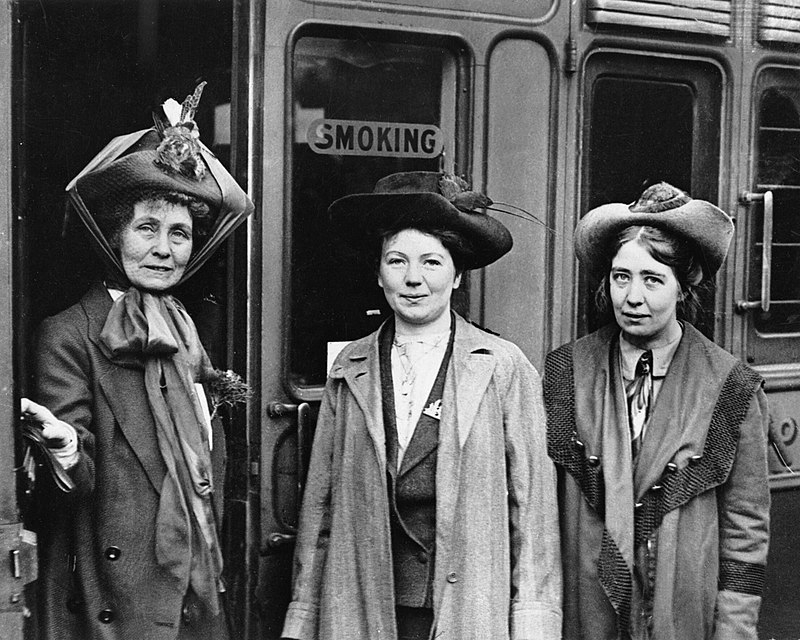
The Liberal government refused to give women the vote during their period in office, 1901–14. Some women thought the peaceful methods of the NUWSS were failing. In 1903 a new organization, the Women’s Social and Political Union (WSPU), was set up in Manchester and led by Emmeline Pankhurst and her daughter Christabel.
Members of this new, militant, group were called Suffragettes. They proposed the use of any means necessary, including violence, to get the vote. Such direct action included breaking windows and, when sent to jail, taking part in hunger strikes.
The Suffragettes' willingness to resort to violence opened a deep divide in the women’s movement. Millicent and the NUWSS, the Suffragists, remained committed to achieving the vote through peaceful means. They argued that militancy would actually harm women's chances of gaining the vote by discouraging the government from allowing the issue to be raised in Parliament. Violence might also turn public opinion against them.
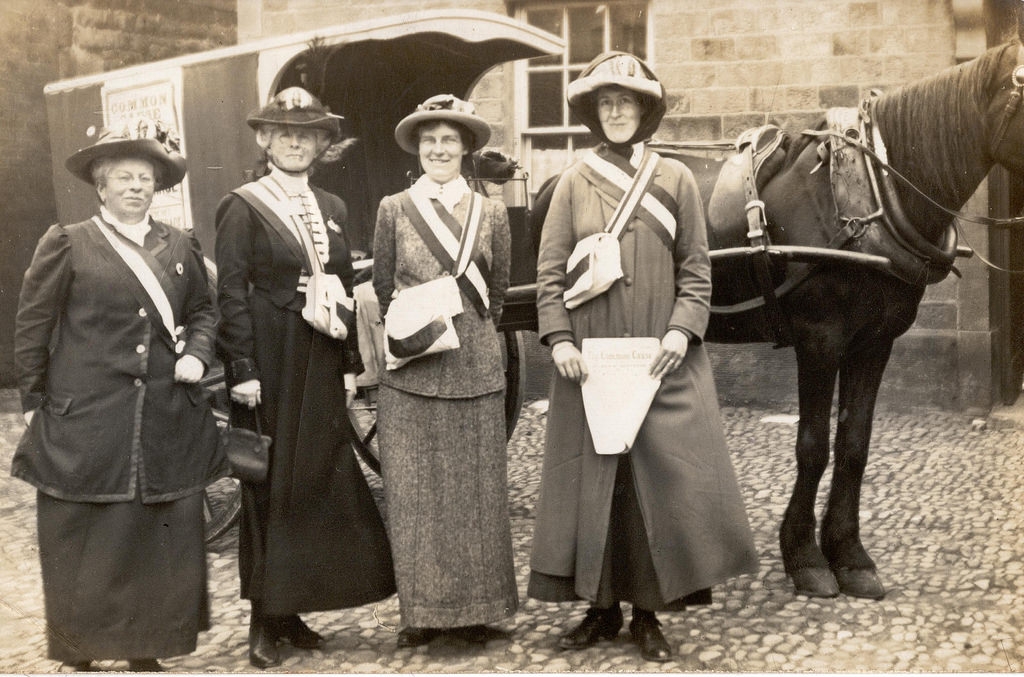
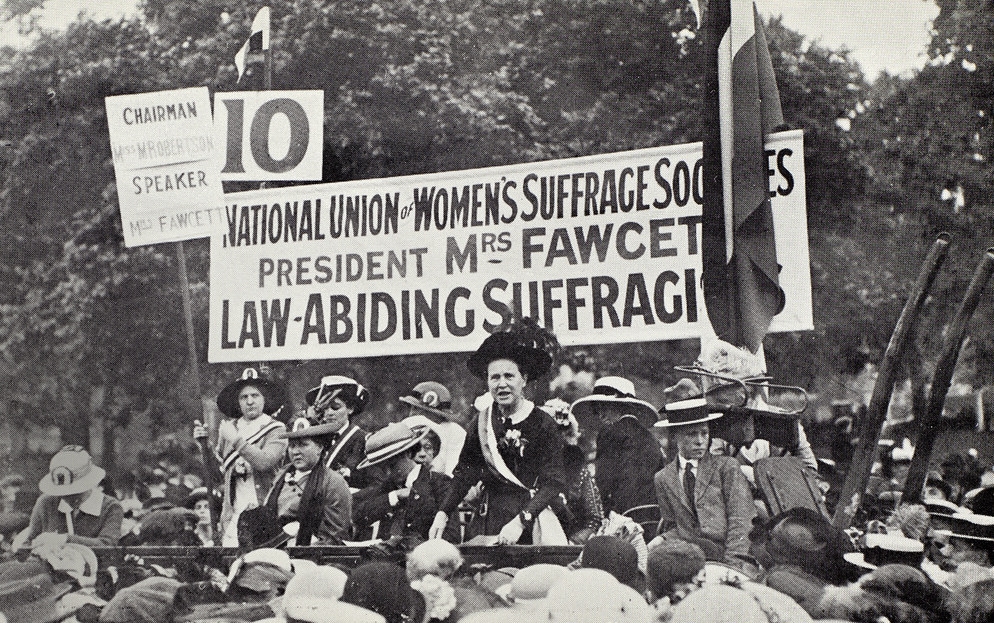
Despite the publicity gained by the WSPU, the NUWSS (who called themselves "Law-Abiding suffragists”) retained the majority of the support of the women's movement. By 1913, the NUWSS had 50,000 members compared with the WSPU’s 2000.
Votes for women
After World War I, things changed. Prime Minister David Lloyd George supported women’s suffrage, while his pre-war predecessor, Herbert Henry Asquith, had not. Aware that women had been actively working in industry to support the war effort, public opinion also shifted behind the women’s cause. In February 1918, the Representation of the People Act was passed, giving women over the age of 30 the right to vote. Later the same year, the Parliament (Qualification of Women) Act 1918 was passed, allowing women to be elected to Parliament.
The NUWSS was disbanded and Millicent retired from active politics, although she still campaigned on issues such as education for Indian women and creating greater equality of opportunity for women. She died in 1929, a year after the government passed the Representation of the People (Equal Franchise) Act, giving every man and woman over 21 the vote.
Consultant: Philip Parker
pics
Without in any way limiting Q-files Ltd’s exclusive rights under copyright, any use of this publication to “train” generative artificial intelligence (AI) technologies to generate text is expressly prohibited. Q-files Ltd reserves all rights to license use of this work for generative AI training and development of machine learning language models.