
Famous women

CITE
We have made every effort to follow citation style rules, but there may be some minor differences. If in doubt, please refer to the appropriate citation style manual.
Susan B. Anthony. (2023). In Q-files Encyclopedia, History, Famous women. Retrieved from
https://www.q-files.com/history/famous-women/susan-b-anthony
"Susan B. Anthony." History, Famous women, Q-files Encyclopedia, 30 Aug. 2023.
https://www.q-files.com/history/famous-women/susan-b-anthony.
Accessed 6 Aug. 2026.
Susan B. Anthony 2023. History, Famous women. Retrieved 6 August 2026, from
https://www.q-files.com/history/famous-women/susan-b-anthony
History, Famous women, s.v. "Susan B. Anthony," accessed August 6, 2026.
https://www.q-files.com/history/famous-women/susan-b-anthony


Susan B. Anthony
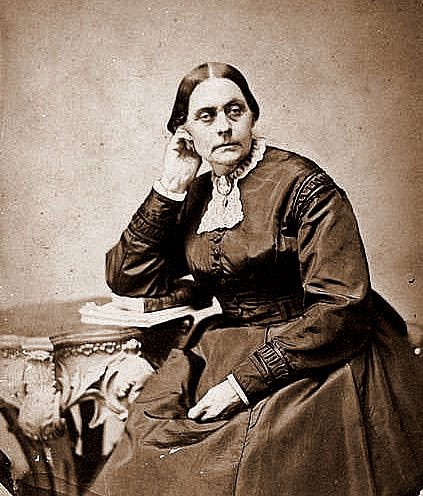
Susan B. Anthony (1820–1906) was an American social reformer who played a key role in the women’s suffrage movement (the campaign to win the right to vote) in the USA during the 19th century. She was also a leading activist in the anti-slavery campaign and the temperance movement, which aimed to limit or stop the production and sale of alcohol. Although Susan Anthony did not live to see universal women’s suffrage in the USA, which was finally won in 1920, her work was instrumental to ensuring the movement's eventual success.
Quaker family
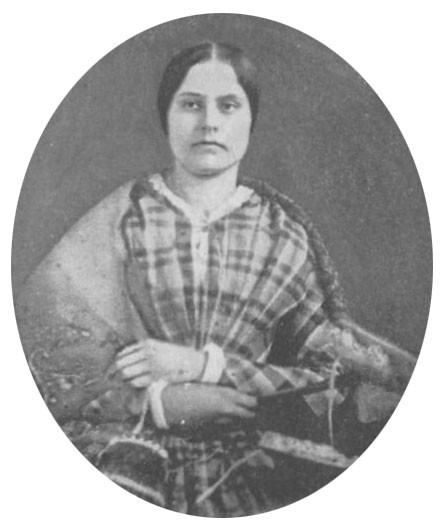
Susan Brownell Anthony was born on 15th February 1820 in Adams, Massachusetts, into a Quaker family (the Quakers were a Christian group that emphasized the importance of a direct and personal relationship with God). From an early age, Susan was involved in social reform. In the 1840s the Anthony family became involved in the fight to end slavery, and the family home, now relocated to Rochester, New York, became a meeting place for abolitionists such as Frederick Douglass. As Quakers, the Anthonys also supported the temperance movement. Susan became particularly concerned with the effects of drunkenness on families, when husbands were abusive to their wives and children.
Temperance and women’s rights
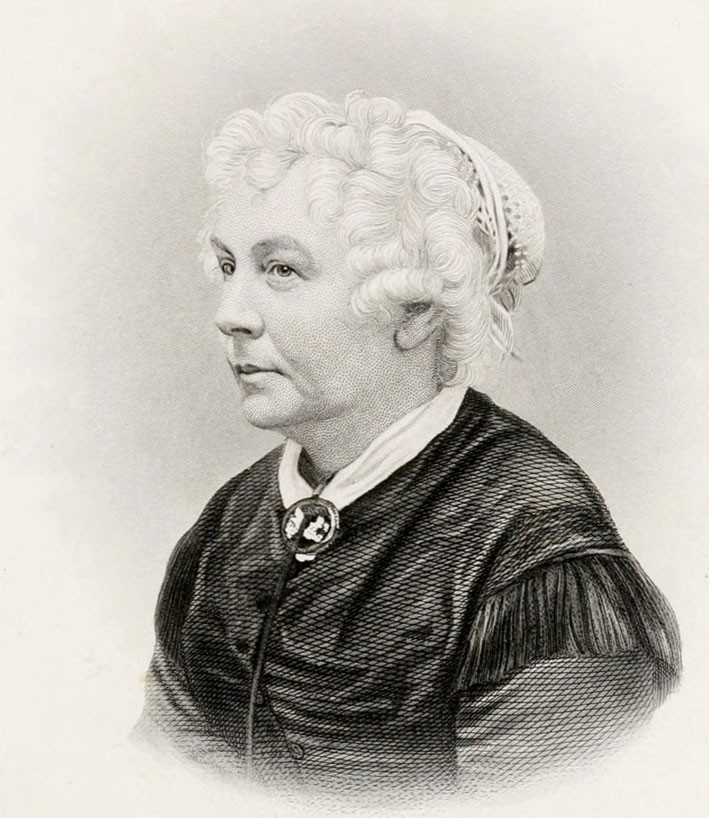
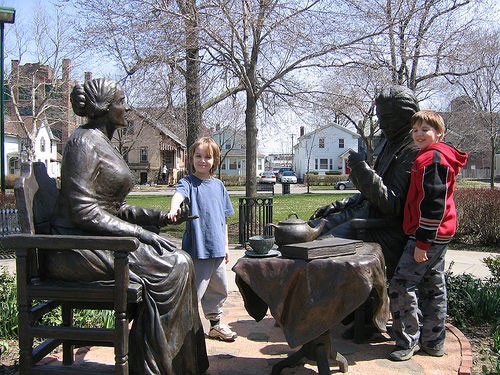
In 1851, Susan Anthony met Elizabeth Cady Stanton (1815–1902) at an anti-slavery conference. Stanton was an active campaigner in the temperance movement and in 1852 Anthony and Stanton founded the Women’s Temperance Society. In the same year, at a temperance conference held in Albany, Anthony was not allowed to make a speech—because she was a woman. The following year she experienced the same discrimination at a convention in New York. These and other experiences led Anthony to focus much of her attention on suffrage and the fight for women’s rights over the subsequent years.
The abolitionist movement
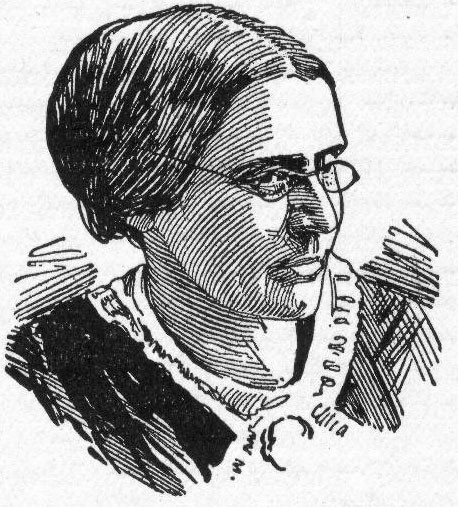
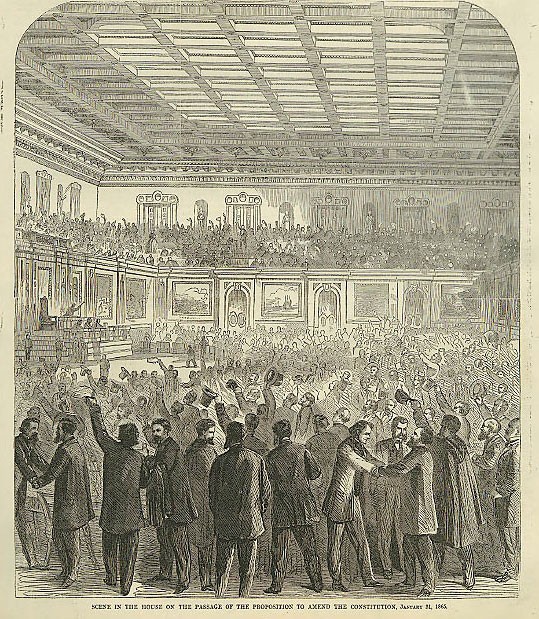
In 1856, Anthony became the New York agent for the American Anti-Slavery Society. She organized anti-slavery meetings and spoke out fearlessly in favour of a racially integrated society. Her views were highly controversial at that time, and she often encountered violence as well as receiving threats. During the American Civil War (1861–65), Anthony and Stanton formed the Women’s National Loyal League, with the aim of ending the war by amending the US constitution and abolishing slavery.
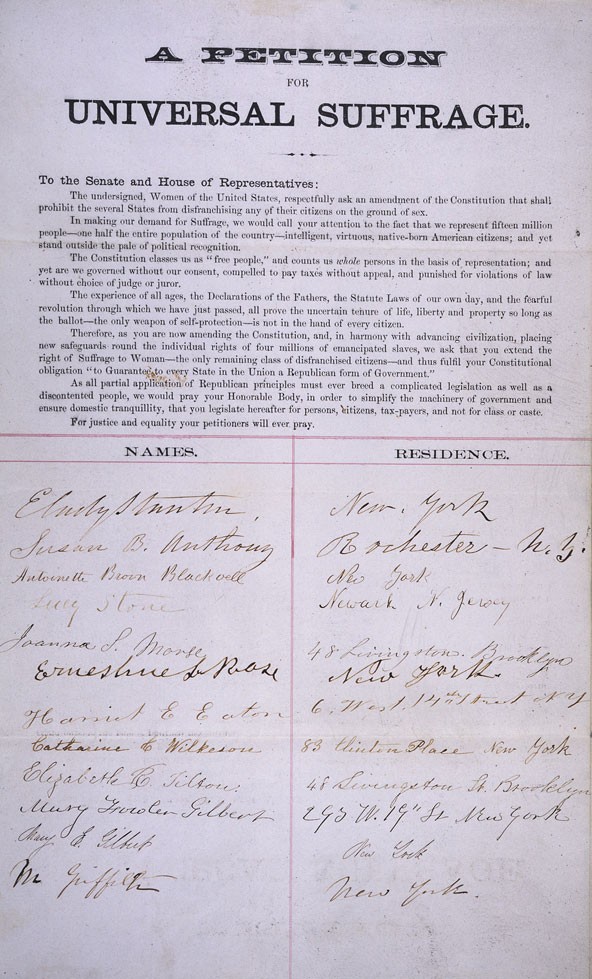
The two women organized a petition and collected around 400,000 signatures calling for a Thirteenth Amendment outlawing slavery. They also campaigned for the right to vote for people of any race. The issues of anti-slavery and suffrage were closely interlinked: Anthony and Stanton believed that their vital work assisting the passage of the Thirteenth Amendment would be rewarded by giving the women the right to vote. They were bitterly disappointed when this did not happen.
Women’s rights
After the end of the Civil War, Anthony and Stanton turned their attention to women’s rights, establishing the American Equal Rights Association in 1866. The aim of this organization was to fight for the same rights regardless of race or sex. In 1868, Anthony began publishing a campaigning newspaper, The Revolution, which had as its motto: "Men their rights, and nothing more; women their rights, and nothing less".
In 1869 Anthony and Stanton founded the National Woman Suffrage Association (NWSA), which focused on the campaign to win the right to vote for women. From 1870, Anthony travelled the country, giving lectures and using the fees she earned to support publication of The Revolution.

Arrest
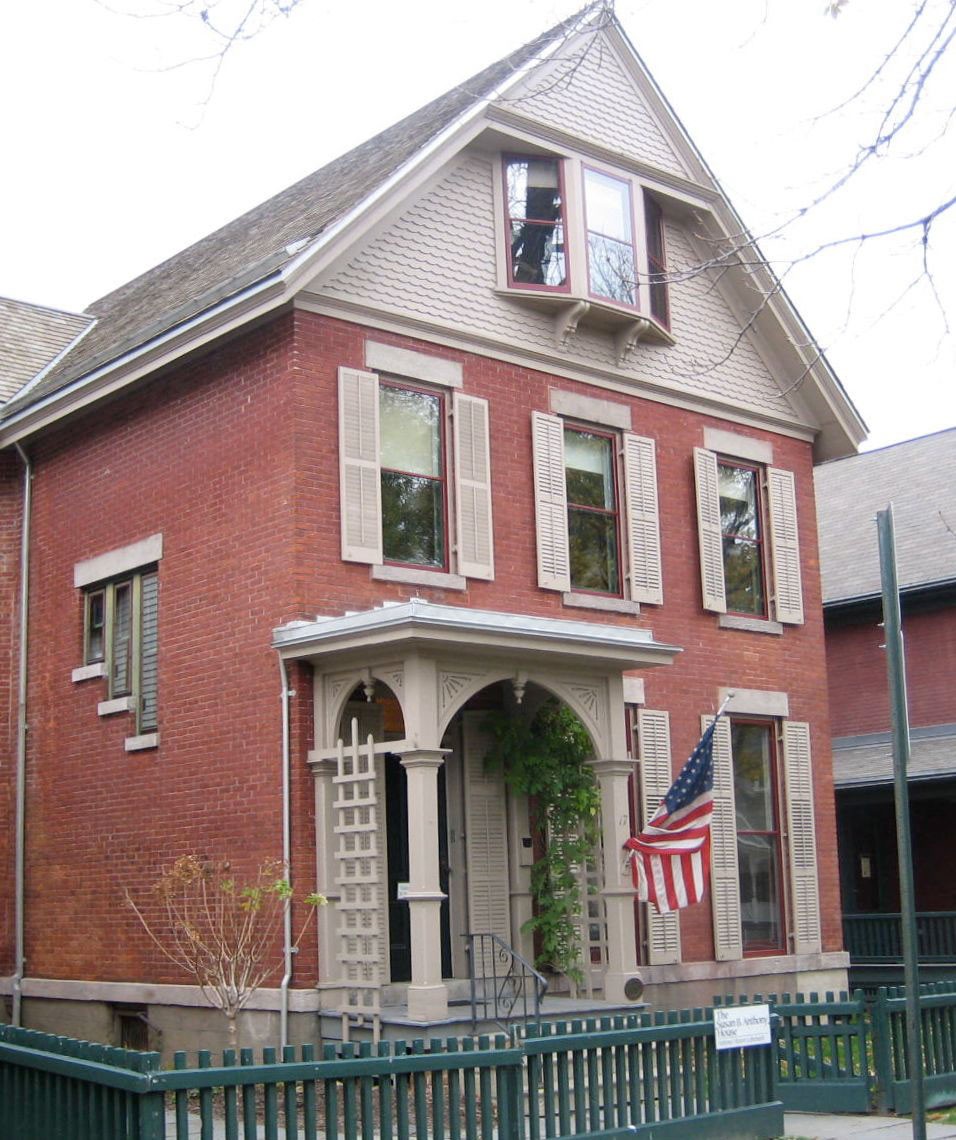
In 1872, Anthony challenged the 14th amendment to the US Constitution by attempting to vote in a presidential election. The 14th amendment, passed in 1868, gave equal rights to all citizens of the United States. By voting, Anthony wanted to test whether equal rights extended to women’s suffrage. Anthony and 14 other women managed to cast their votes in Rochester before being arrested. They were charged and Anthony’s case went to trial where she was found guilty and fined US$100. She never paid the fine.
Later life
Susan Anthony worked closely with Stanton throughout her life. The two collaborated to write a six-volume History of Woman Suffrage, which was published from 1881 onwards. Throughout the 1890s Anthony continued to work for the cause of women’s suffrage, travelling extensively around the USA, and to Europe as head of the US delegation to the International Council of Women.

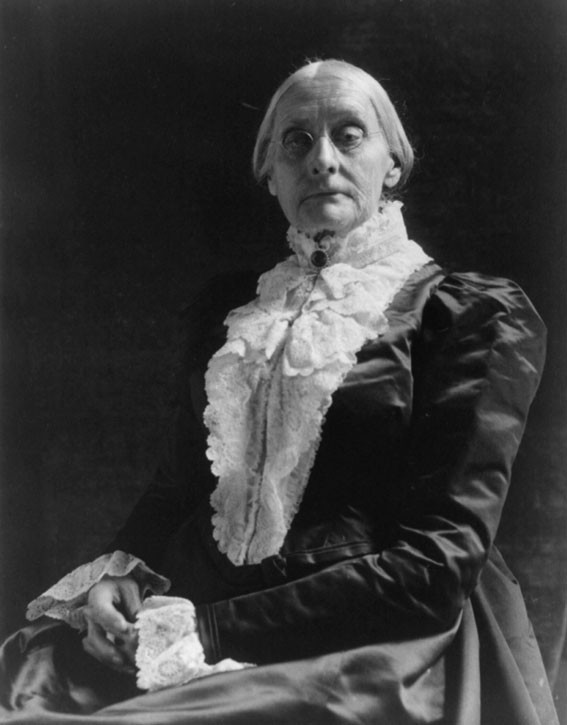
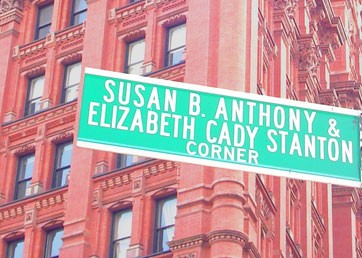
In 1900, she celebrated her 80th birthday at the White House at the invitation of President William McKinley. The same year she retired from the presidency of the NWSA. She died on 13th March 1906. Although she did not live to see universal women’s suffrage in the USA, several states had already given women the right to vote. In 1920, the 19th amendment to the US Constitution was passed giving all adult women in the USA the vote. As a tribute to Anthony, it was named the Susan B. Anthony amendment.
Consultant: Philip Parker
pics
Without in any way limiting Q-files Ltd’s exclusive rights under copyright, any use of this publication to “train” generative artificial intelligence (AI) technologies to generate text is expressly prohibited. Q-files Ltd reserves all rights to license use of this work for generative AI training and development of machine learning language models.