
Famous women

CITE
We have made every effort to follow citation style rules, but there may be some minor differences. If in doubt, please refer to the appropriate citation style manual.
Anne Frank. (2025). In Q-files Encyclopedia, History, Famous women. Retrieved from
https://www.q-files.com/history/famous-women/anne-frank
"Anne Frank." History, Famous women, Q-files Encyclopedia, 22 Aug. 2025.
https://www.q-files.com/history/famous-women/anne-frank.
Accessed 21 Sep. 2026.
Anne Frank 2025. History, Famous women. Retrieved 21 September 2026, from
https://www.q-files.com/history/famous-women/anne-frank
History, Famous women, s.v. "Anne Frank," accessed September 21, 2026.
https://www.q-files.com/history/famous-women/anne-frank


Anne Frank
Anne Frank (1929–45) was a young German Jewish girl whose account of being forced to go into hiding with her family during World War II has since become a classic of war literature. The Diary of Anne Frank has been adapted for plays and for films, and to this day remains one of the most moving and widely-read books about the events of the Holocaust. Anne died in a German concentration camp just before the end of the war, in March 1945.


Early life in Frankfurt
Anne Frank was born on 12th June 1929 in Frankfurt, Germany. She was the second daughter born to Otto Frank and Edith Frank-Hollander. Her sister Margot was three years older. The family lived in a well-off neighbourhood in the suburbs of Frankfurt where Jews and people of other religions existed happily side by side. But this comfortable life was shattered when Adolf Hitler’s National Socialist Party (Nazi Party) came to power in 1933. The Nazis were violently antisemitic, blaming the Jews for Germany’s problems, and Otto Frank decided that it was time to move his family away from danger. In autumn 1933, the Franks fled to Amsterdam, in the Netherlands, where Otto set up a business.
Wartime Netherlands
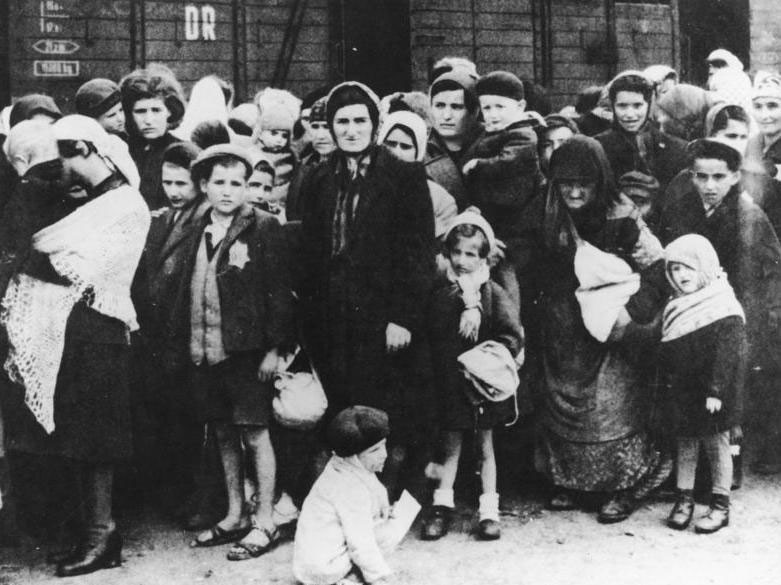
Throughout the rest of the 1930s, Anne and Margot had a relatively normal and happy childhood, attending school and making friends. But the outbreak of war in 1939 signalled the end of these good times, and in May 1940 the Nazis invaded and occupied the Netherlands. The Nazis imposed the same restrictions on Jews living in occupied countries as those in Germany. Otto was not permitted to run his business, Anne and Margot were forced to move to a Jewish school. All the family had to wear a yellow Star of David at all times and to observe a strict curfew.
Into the secret annexe
In July 1942, Margot received an official summons to go to a Nazi work camp in Germany. If she failed to obey, the whole family would be arrested. However, the Franks had been preparing for this moment. On 6th July the whole family went into hiding in an empty space at the back of Otto’s company building, which they referred to as the secret annexe. They were soon joined by Otto’s colleague Hermann van Pels, his wife Auguste and son Peter, and later by Fritz Pfeffer, another friend of the family.
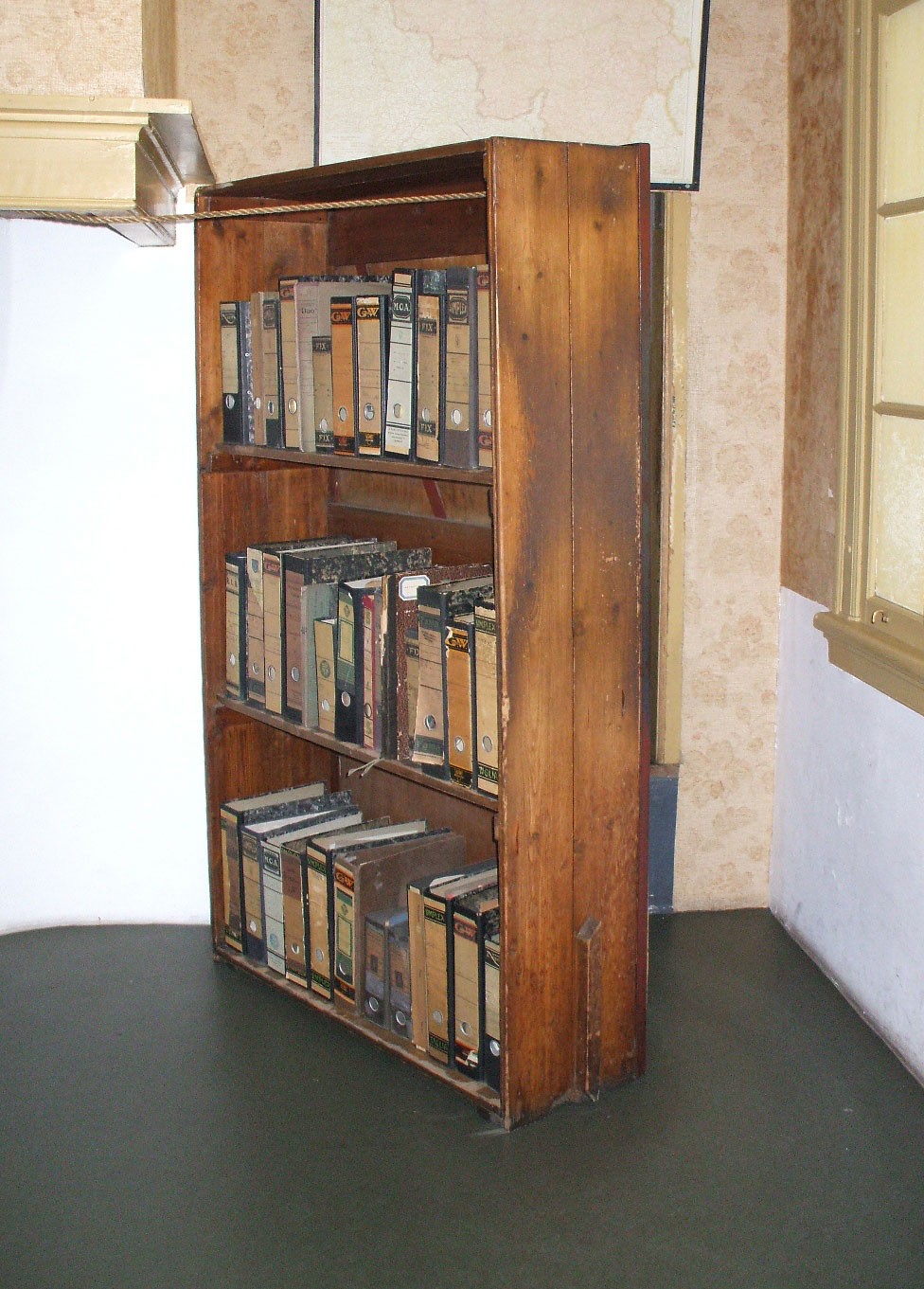
The entrance to the annexe was concealed by a large moveable bookcase. The occupants of the annexe were helped by a small group of loyal employees in Otto’s business. Everyone knew that if they were caught by the Nazis, they would face the death penalty for sheltering Jews.

The diary
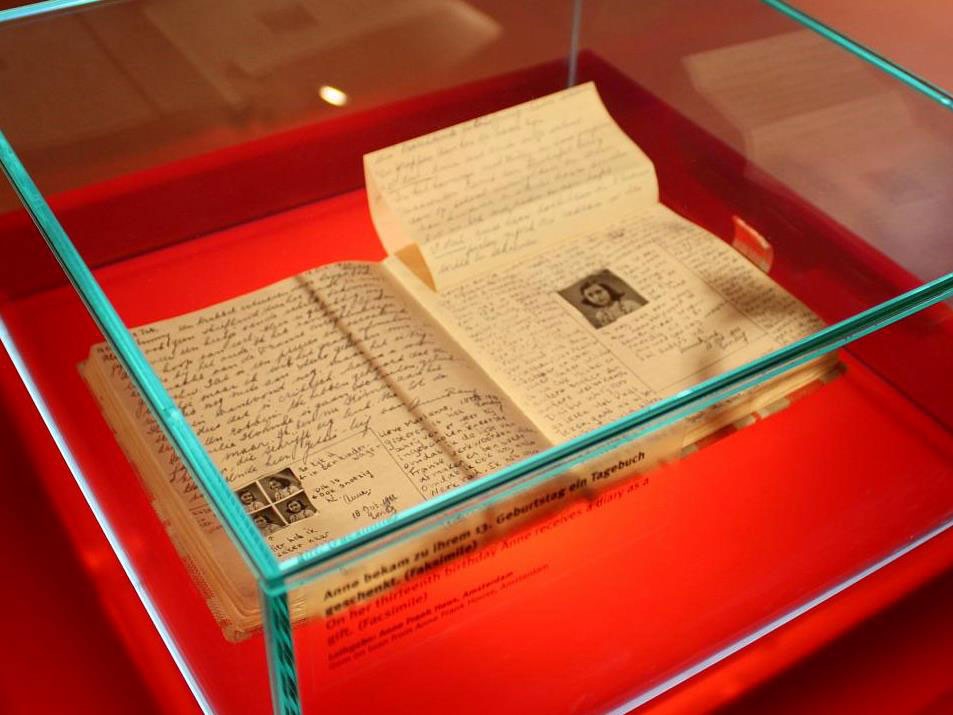
For her 13th birthday in June 1942, Anne’s parents had given her a book with a red-and-white chequered cover that she decided to use as a diary. She began recording her life before she went into hiding with her family, and carried on once she was confined in the secret annexe. Anne had been a good student at school, and she dreamed of being a writer or a journalist one day. She decided to write her diary with the intention of publishing it after the war was over. The diary reveals what it was like to live in such cramped and frightening circumstances, but it also shows a young girl dealing with the process of maturing and growing up.
The end
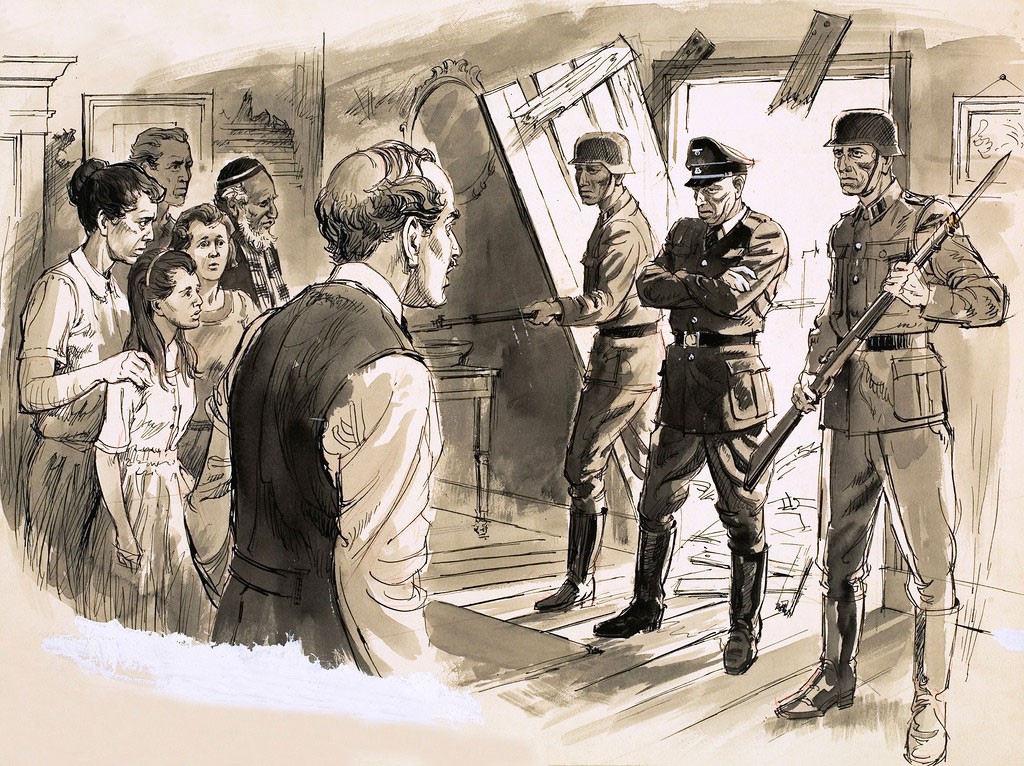

The occupants of the annexe remained in hiding for over two years. On 4th August 1944, acting on a tip-off from Dutch informers, the Gestapo (the Nazi Secret State Police) raided the annexe and rounded up the occupants. The identity of the informers has never been established. The Frank family were taken to Westerbork, a concentration camp in the Netherlands, before being transported to the Auschwitz death camp in Poland.
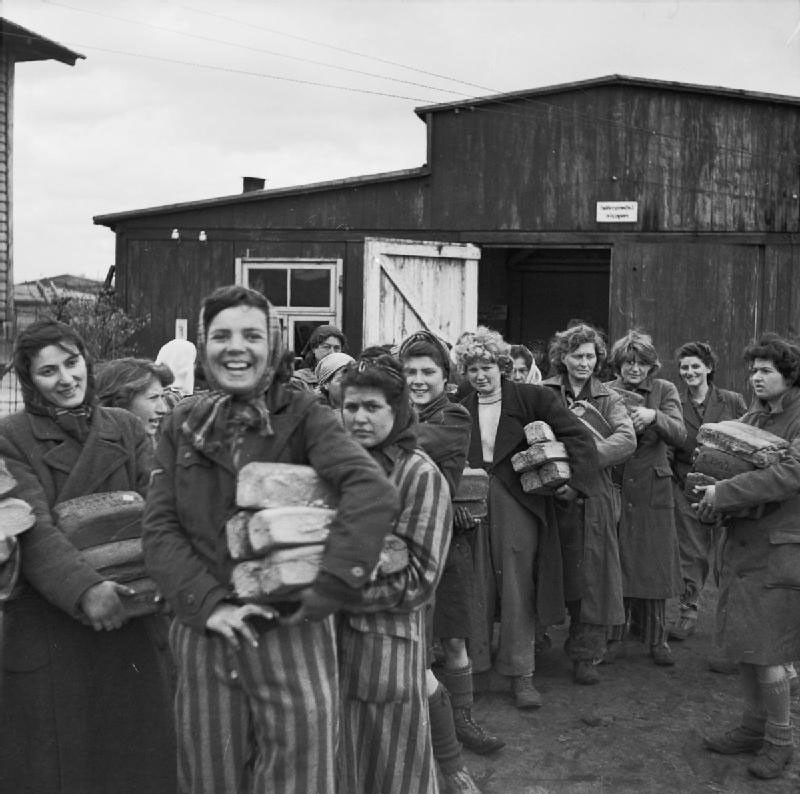
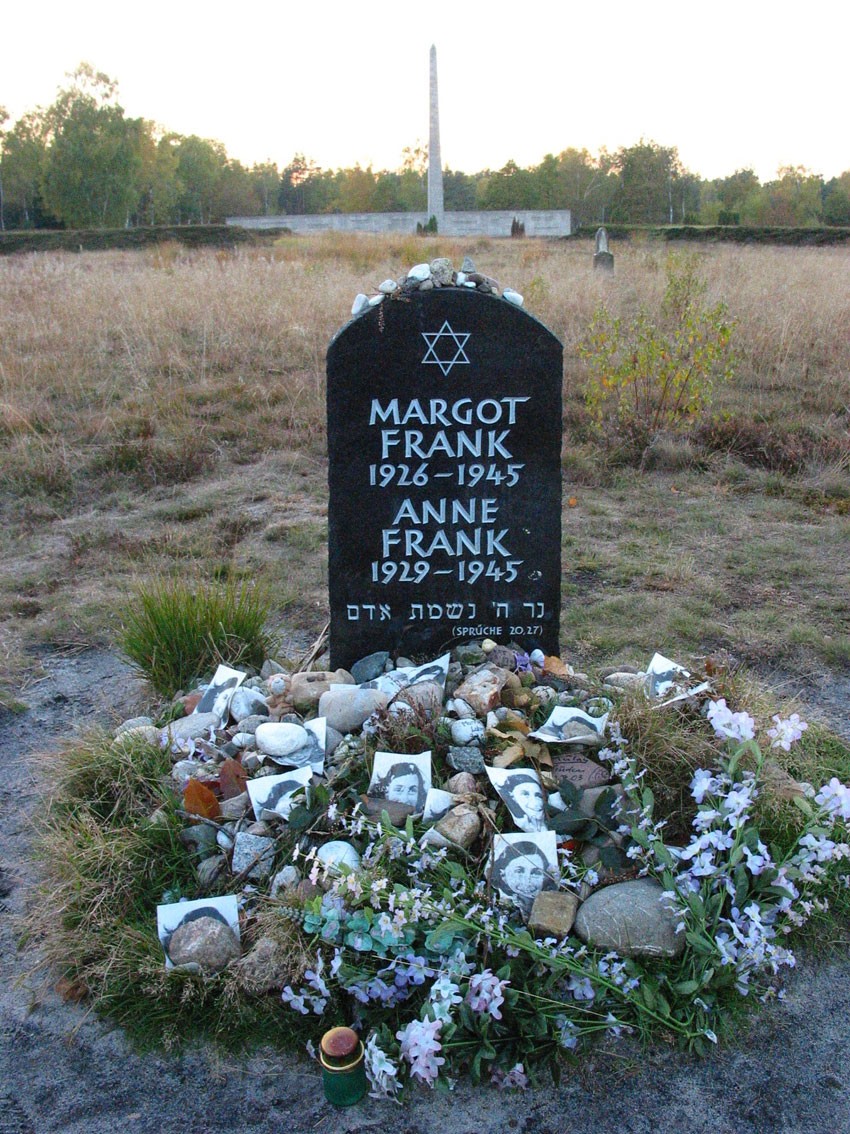
At Auschwitz, Otto was separated from his wife and daughters. This was the last time he ever saw them. Edith died at Auschwitz in January 1945. Anne and Margot were taken to Bergen-Belsen near Hannover where they both died, probably during a typhus epidemic that spread through the camp in March 1945. Only a few weeks later the war ended and British soldiers liberated the camp.

After the war
When the war ended, Otto Frank returned to Amsterdam. He learned of the death of his wife, but hoped that his daughters might still be alive. In July 1945, he received confirmation of their deaths from two sisters who had been in Bergen-Belsen with Margot and Anne. At the same time he was given Anne’s diary and notes, which had been left behind by the Gestapo and rescued by Dutch friends. He read it with amazement and determined to have it published, as she had wished.
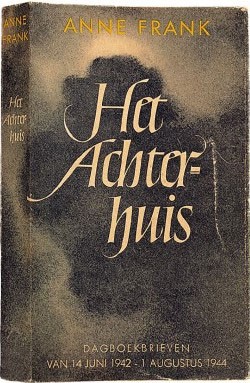
The diary first appeared in the Netherlands in 1947. During the 1950s it was translated and published all over the world. It has since been adapted for plays and films, and to this day remains one of the most moving and widely-read books about the events of the Holocaust.
Consultant: Philip Parker
pics

Without in any way limiting Q-files Ltd’s exclusive rights under copyright, any use of this publication to “train” generative artificial intelligence (AI) technologies to generate text is expressly prohibited. Q-files Ltd reserves all rights to license use of this work for generative AI training and development of machine learning language models.