
Famous women

CITE
We have made every effort to follow citation style rules, but there may be some minor differences. If in doubt, please refer to the appropriate citation style manual.
Helen Keller. (2025). In Q-files Encyclopedia, History, Famous women. Retrieved from
https://www.q-files.com/history/famous-women/helen-keller
"Helen Keller." History, Famous women, Q-files Encyclopedia, 3 Nov. 2025.
https://www.q-files.com/history/famous-women/helen-keller.
Accessed 6 Aug. 2026.
Helen Keller 2025. History, Famous women. Retrieved 6 August 2026, from
https://www.q-files.com/history/famous-women/helen-keller
History, Famous women, s.v. "Helen Keller," accessed August 6, 2026.
https://www.q-files.com/history/famous-women/helen-keller


Helen Keller
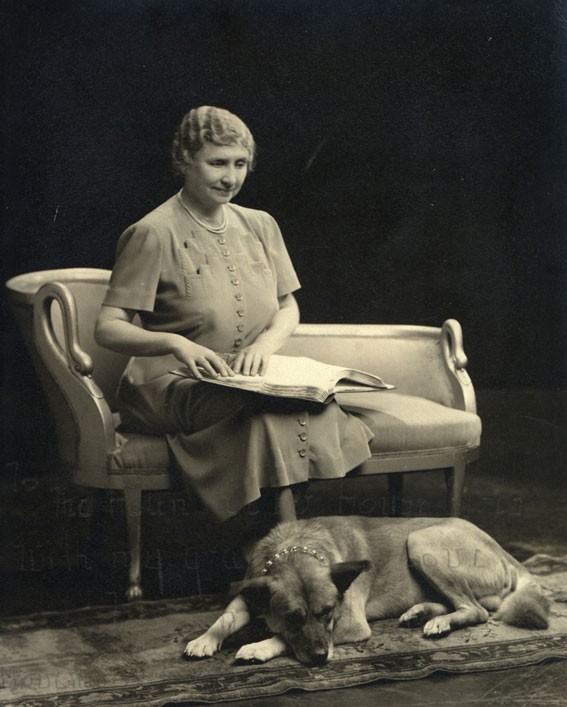
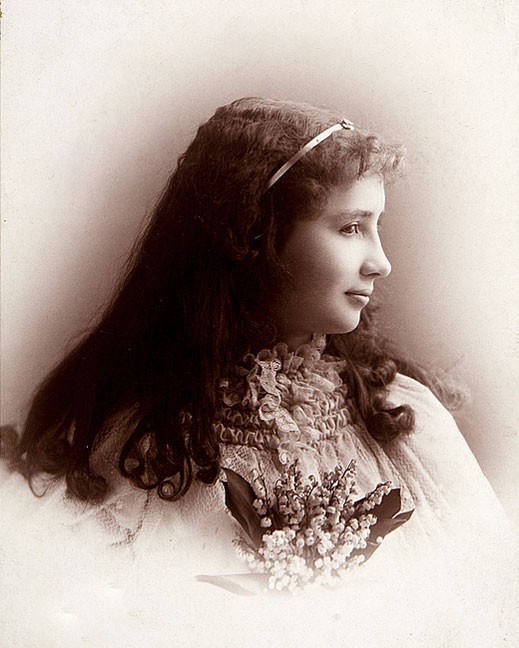
A childhood illness left American Helen Keller (1880–1968) blind and deaf. With the help of a remarkable teacher, Anne Sullivan, Helen overcame her disabilities to lead an extraordinary life as a political and social activist, and a strong advocate for blind people all over the world. She learned to lip read by placing her hands on the lips and throat of the speaker, She later went on complete her education, graduating from college with a degree, the first deaf-blind person ever to do so. Her life became the subject of many books, films and plays.

Early life
Helen Keller was born on 27th June 1880 in Tuscumbia, Alabama. When she was 19 months old, Helen developed an illness that left her both deaf and blind. As a young child she became immensely frustrated by her inability to communicate, and had wild tantrums. When Helen was six years old, her mother, Kate, read an account of the education of a deaf and blind woman called Laura Bridgman in American Notes by the English author Charles Dickens.
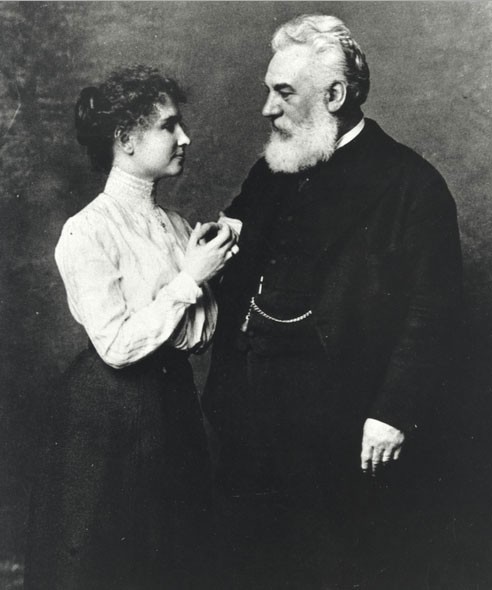
On the advice of a specialist, the Kellers took Helen to see Alexander Graham Bell, famous today as the inventor of the telephone. At the time, Bell was working with deaf children. He suggested that the Kellers contact the Perkins Institute for the Blind where Bridgman had been educated. It was there that Helen met Anne Sullivan, a recent graduate from the Institute, who herself was partially sighted. It was the beginning of an extraordinary partnership that was to last for 49 years.
Anne Sullivan
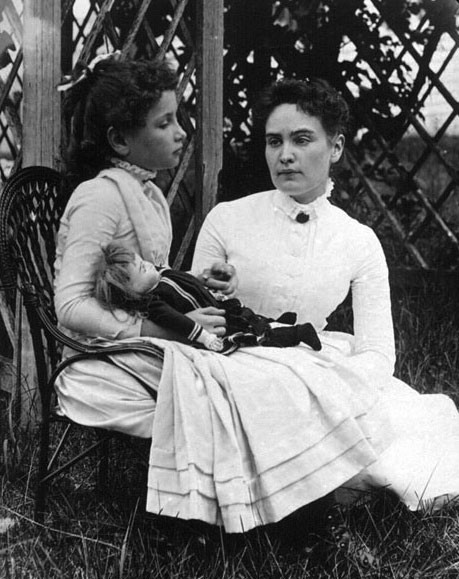
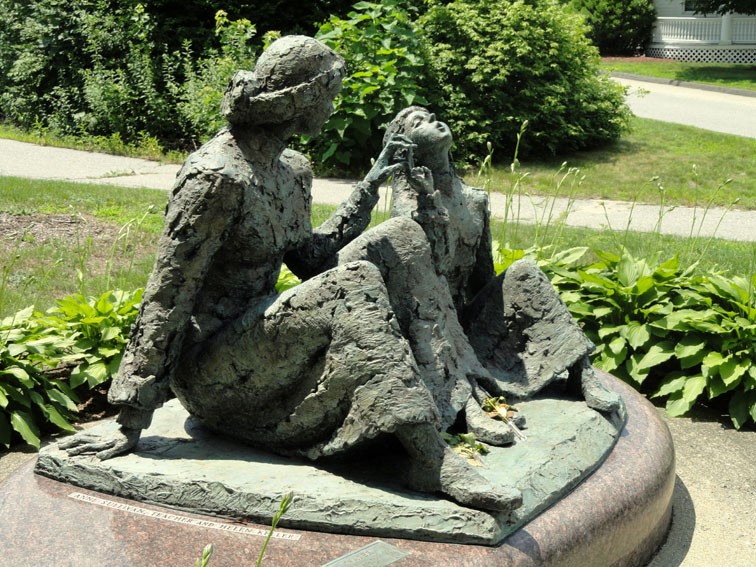
In March 1887 Anne Sullivan went to Alabama and started work with Helen. She began to teach Helen words by spelling them out with finger signals on the palm of her hand. At first Helen did not understand. Then, after a few weeks, Anne held Helen’s hand under the water pump as the water trickled out and spelled W-A-T-E-R. Suddenly Helen made the connection—and so her education began.
Helen quickly learned words, then sentences. From 1888 she attended the Perkins Institute for the Blind where she learned to read and write in braille, and in 1890 she began speech classes at the Horace Mann School for the Deaf in Boston. She also learned to lip read by placing her hands on the lips and throat of the speaker.

Academic success
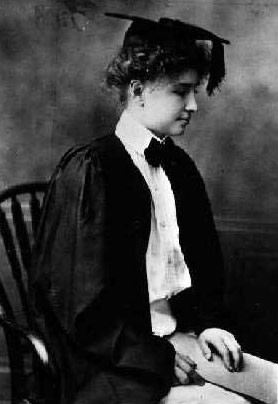
As well as learning how to communicate, Helen was also determined to study normal academic subjects. When she was 13 she moved to New York City to attend the Wright-Humason School for the Deaf, and in 1896 she enrolled at the Cambridge School for Young Ladies in Massachusetts. In 1900 she won a place at Radcliffe College in Massachusetts, the sister college to Harvard University (which at that time was all male).
By this time, her reputation was beginning to attract many admirers, notably the American author Mark Twain. He introduced Helen to a wealthy businessman, Henry H. Rogers. Rogers was so impressed by Helen’s achievements that he paid for her education at Radcliffe College. Helen graduated with honours in 1904, the first deaf-blind person to receive a college degree.
Constant companion
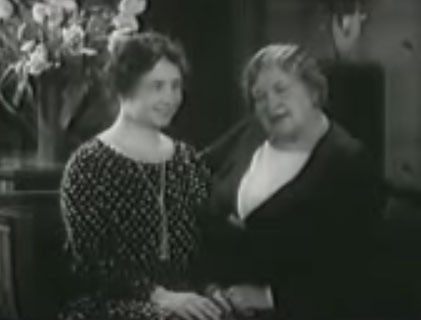
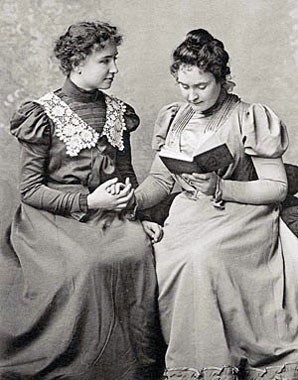
Throughout all this time, Anne Sullivan was Helen’s constant companion, sitting by her in lessons and lectures and helping her to interpret and understand the world around her. In 1905, Anne married John Macy, an instructor at Harvard University. Helen lived with the Macys, but Anne’s devotion to Helen eventually put a strain on the marriage, and Anne and John separated, although they never divorced.
Helping others
With Anne and John’s help, Helen had written an autobiography, The Story of My Life, in 1903. After graduating she began to use her celebrity to try to improve the lives of others, particularly those with disabilities. She also spoke out as a suffragist in favour of the right to vote for women, as a pacifist, and as a supporter of birth control—all highly controversial issues at that time.
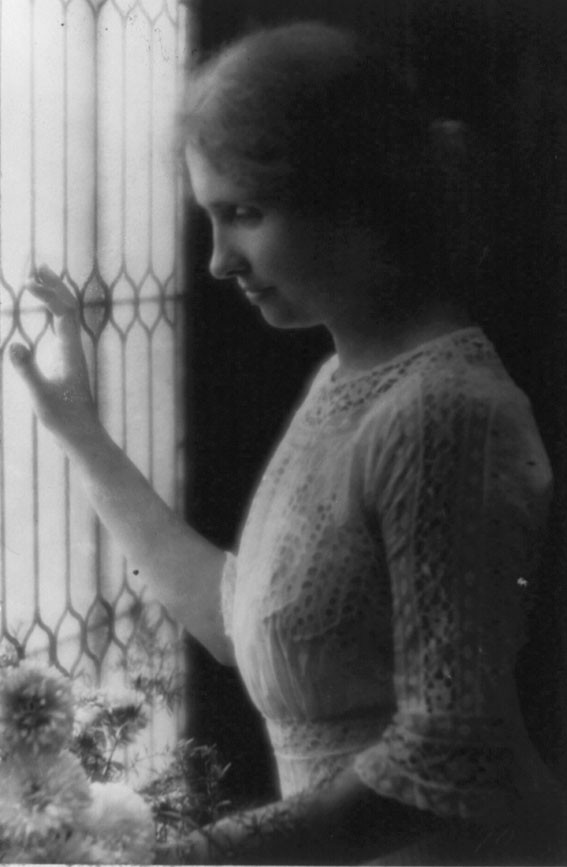
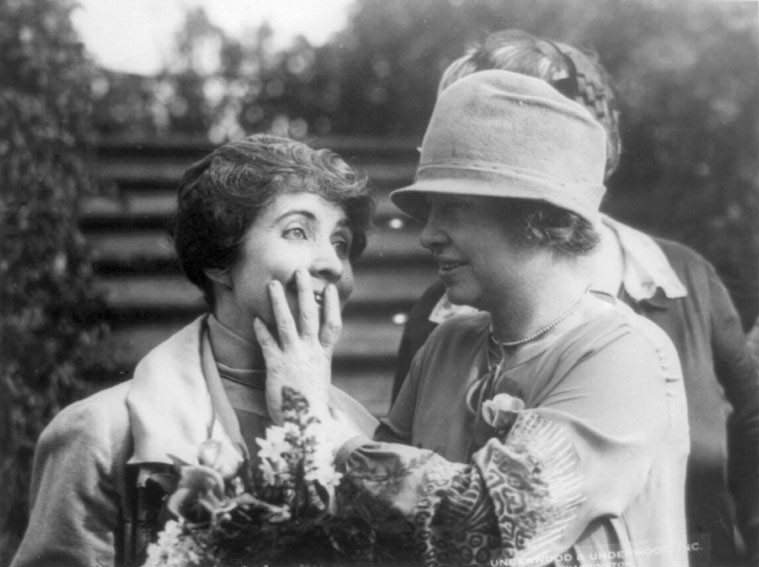
From 1913 onwards, she shared her experiences with audiences by giving lectures. In 1915, she founded Helen Keller International with a wealthy supporter named George Kessler, an organization devoted to research into all aspects of blindness. In 1924, she joined the American Foundation for the Blind, travelling all over the United States to develop programmes for blind people.
Books, plays and films
In 1936, Helen’s beloved teacher Anne Sullivan fell ill and died. A young woman called Polly Thompson, who had been a member of the household since 1914, now became Helen’s companion. Helen’s lecture tours took her all over the world, and centres were established in her name in many places to help the blind. Her remarkable life became the subject of many books, films and plays, and in 1955 Helen received an Academy Award (an Oscar) for a documentary about her life called Helen Keller in Her Story.
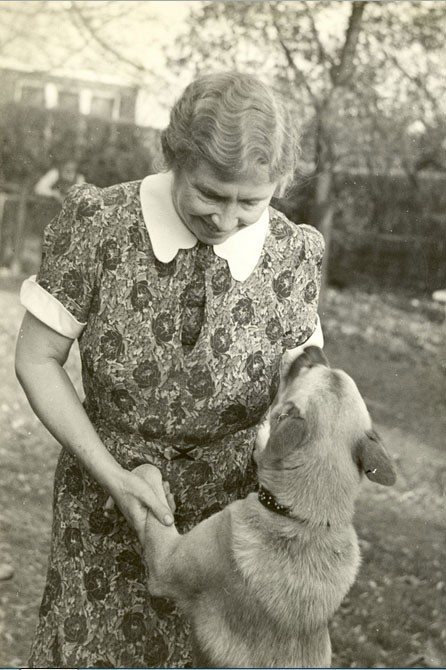

Helen’s childhood education with Anne Sullivan was the subject of a play by William Gibson called The Miracle Worker, which won the Pulitzer Prize in 1960 and was made into a film that won two Academy Awards. Polly died in 1961, and Helen spent the last years of her life at her home in Connecticut. Helen herself died in her sleep in 1968. She was 87.
Consultant: Philip Parker
pics
Without in any way limiting Q-files Ltd’s exclusive rights under copyright, any use of this publication to “train” generative artificial intelligence (AI) technologies to generate text is expressly prohibited. Q-files Ltd reserves all rights to license use of this work for generative AI training and development of machine learning language models.