
The world in the 21st century
Rohingya crisis
The Rohingya crisis is a series of persecutions by the government of Myanmar against the Muslim Rohingya people. At least 1.3 million Rohingya have fled their homes, with most escaping across the border to neighbouring Bangladesh. Refugee camps in the Cox's Bazar district of southeastern Bangladesh—as of June 2024—now hold around 1.2 million Rohingya, more than half of whom are children. Meanwhile, Myanmar’s military, known as the Tatmadaw, has been accused by the United Nations of genocide (an intentional action to destroy an entire people) in Rakhine State. The UN report, published in August 2018, said it found evidence of mass extermination and expulsion of the Rohingya Muslims. It said that the actions of the Tatmadaw in Rakhine “undoubtedly amounted to the gravest crimes under international law”. They were “killing indiscriminately ... assaulting children and burning entire villages”, all of which constitute "crimes against humanity".
Updated 3rd August 2026
Rohingya people
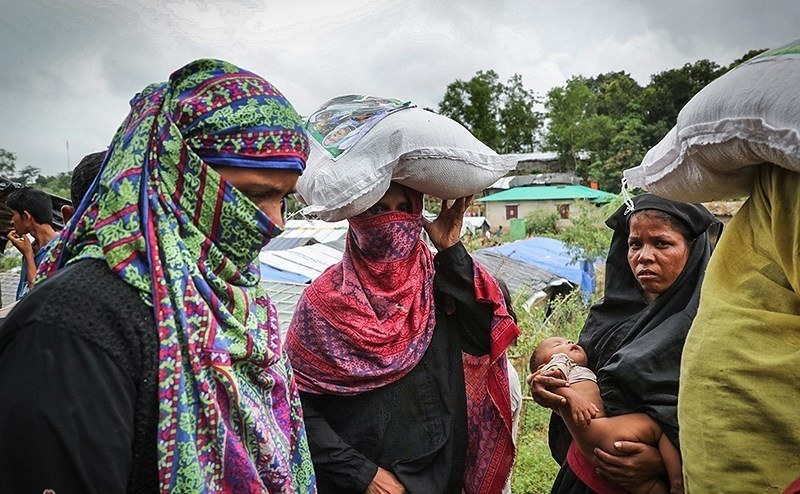
Until 2016, around 1.4 million Rohingya people lived in Myanmar (previously called Burma), chiefly in the northern part of Rakhine State in the far northwest of the country, near the border with Bangladesh. Mostly Muslim, the Rohingya speak a language similar to the Bengali dialect of Chittagong in Bangladesh. The Rakhine (once called Arakanese) people, another of Myanmar's many ethnic groups, are Burmese-speaking Buddhists. They form the majority population in all parts of Rakhine State except the north.
The Myanmar government regards the Rohingya as "illegal immigrants" and refuses to grant them citizenship of Myanmar. Tough restrictions have been placed on the Rohingya’s freedom of movement, access to medical care, education and other basic services.
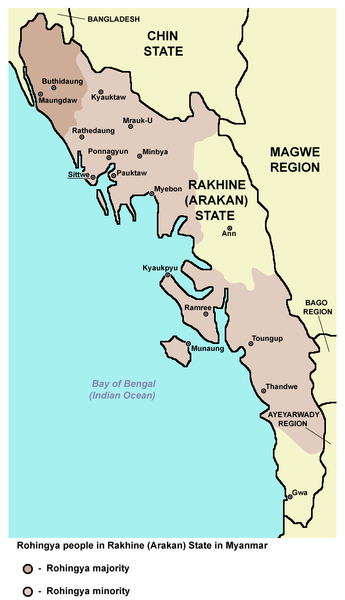
History of the Rohingya
The Rohingya people trace their ancestry to Persian and Arab traders, who settled in Arakan (the old name for Rakhine) from the 9th century AD. In the late 18th century, tens of thousands of Rohingya Muslims in Arakan were forced to flee persecution by the Burmese to neighbouring Bengal, then part of British India.
In the early 19th century, the British rulers of Bengal encouraged Bengalis to migrate to Arakan (which, since 1824, had, like the rest of Burma, come under British rule) to work in the rice paddies of that fertile region. It is not known how many of these new Bengali migrants were from the exiled Rohingya population. By the early 20th century, hundreds of thousands of Bengalis—most of them Muslims—were living in Arakan (as well as many other regions and cities of Burma), boosting the Rohingya population.
Outbreak of violence
For decades, tensions between peoples have simmered in Rakhine State, with frequent outbreaks of violence. In 2016, around 87,000 Rohingya Muslims fled to Bangladesh and government troops stepped up their presence in the state. The UN and human rights groups accused the Myanmar government of seeking to rid the country of Muslims, which it denied.

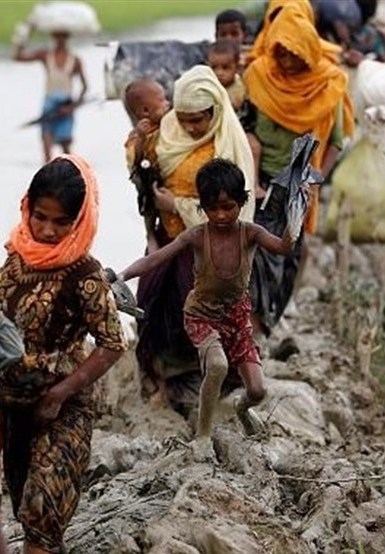
Violence broke out in northern Rakhine State on 25th August 2017, when Rohingya militants from the the Arakan Rohingya Salvation Army (ARSA) attacked the Myanmar armed forces. In response, the army launched a “clearance operation”, forcing hundreds of thousands of people to flee their homes. Refugees have since spoken of massacres in their villages, where they say soldiers raided and burned their homes. So far, an estimated 25,000 Rohingya people have been killed. The Myanmar government claim the Rohingya burned their own homes and killed local Buddhist people. They say they are targeting the ARSA because they are "terrorists".
Around 1.3 million Rohingya have since fled to neighbouring Bangladesh. Those who made it to the border walked for days, hiding in forests and crossing mountains and rivers.
Refugee camps
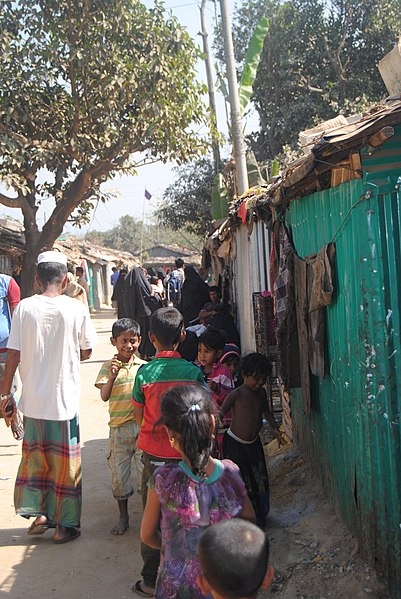
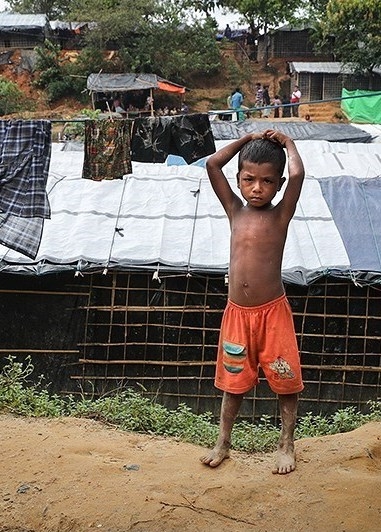
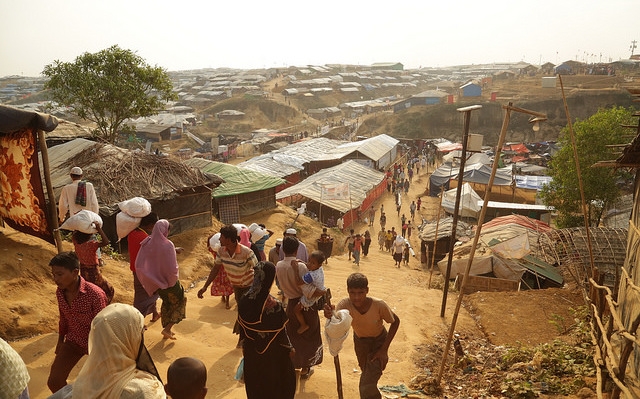
Most Rohingya refugees are now living in established camps or shantytown settlements along the border, or are sheltering in Bangladeshi villages. Aid agencies warn of a growing crisis in the overstretched camps, where supplies of water, food and medicines are running low. Thousands of children are suffering from malnutrition. Lack of sanitation puts all camp-dwellers at risk of disease. Many shelters, made from tarpaulin sheets fixed to bamboo poles, have been built on steep slopes of unstable earth. This makes their inhabitants vulnerable to floods and mudslides during the monsoon season, which runs from June to September. Meanwhile, the Cox's Bazar camps, including Kutupalong, the world's largest refugee camp, and Nayapara have ballooned in size.
Rohingya in Rakhine
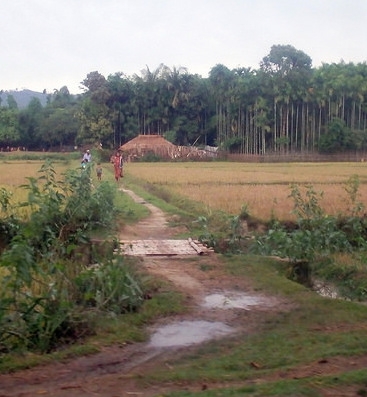
There are also fears for the up to 550,000 Rohingya people who remain in northern Rakhine State. UN aid agencies have reportedly been blocked from supplying food, water and medicine to them. Forbidden to work or to go to school or college, the Rohingya must apply for permission from the government if they want to travel, even just to another village. The Rohingya also suffer from discrimination and mob violence by other peoples in Rakhine State. Meanwhile, the army has bulldozed their abandoned, burnt-out villages and beaten, attacked or killed tens of thousands of Rohingya.
In April 2019, the Myanmar army planted landmines in northern Rakhine State, making it highly dangerous for the Rohingya to escape to Bangladesh.
Since May 2021, civil war has raged in Myanmar. A number of rebel armed groups fighting on behalf of Myanmar's different ethnic groups have seized control of parts of the country in their bitter war against the Tatmadaw, the government army. They include the Arakan Army (AA), based in Rakhine State, which as of June 2026, controls nearly all the state apart from its capital, Sittwe. The AA gained full control over the Myanmar-Bangladesh border in December 2024 and threatens to wipe out the Rohingya remaining in Rakhine. Meanwhile, the Border Guard Bangladesh (BGB) has begun forcibly preventing Rohingya refugees from entering into Bangladesh.
Aung San Suu Kyi
When Aung San Suu Kyi came to power in Myanmar as head of the civilian government in 2016, many expected the Nobel peace prize winner to help calm tensions and end the violence between Myanmar's ethnic groups. But she has been accused of failing to condemn the violence against the Rohingya. Both the military and the civilian government say the actions of the armed forces were an appropriate response to “terrorists”.
The UN report criticized Suu Kyi’s silence on the issue. It found that while she had no power over the generals it named as responsible, she “had not used her de facto position as head of government, nor her moral authority, to stem or prevent the unfolding events in Rakhine state.” On 27th September 2018 members of the Canadian Parliament voted unanimously to dispossess Suu Kyi of her honorary Canadian citizenship.

War of words
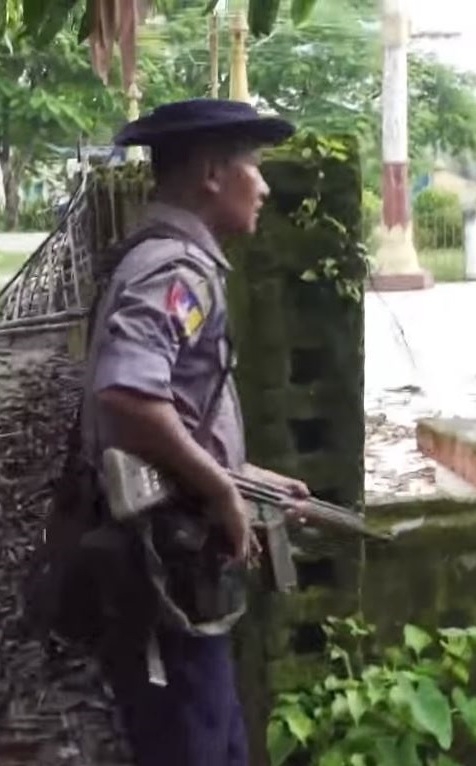
After the UN report was released in August 2018, Facebook removed 18 accounts and 52 pages associated with the Myanmar military, including that of Min Aung Hlaing, its commander-in-chief. The Tatmadaw have often used their Facebook pages to spread anti-Rohingya feeling. “We want to prevent them from using our service to further inflame ethnic and religious tensions,” Facebook said. A spokesperson for the Myanmar military denied the claims. “The Facebook page of the Senior General Min Aung Hlaing is publicizing true and confirmed information for the public.”
The authorities in Myanmar have not yet convicted anyone for carrying out the massacre of Rohingya villagers. Instead, they have handed out seven-year jail terms to two Burmese journalists working for a news agency who had been investigating the killings of Rohingya men found in a mass grave.
A solution to the crisis?
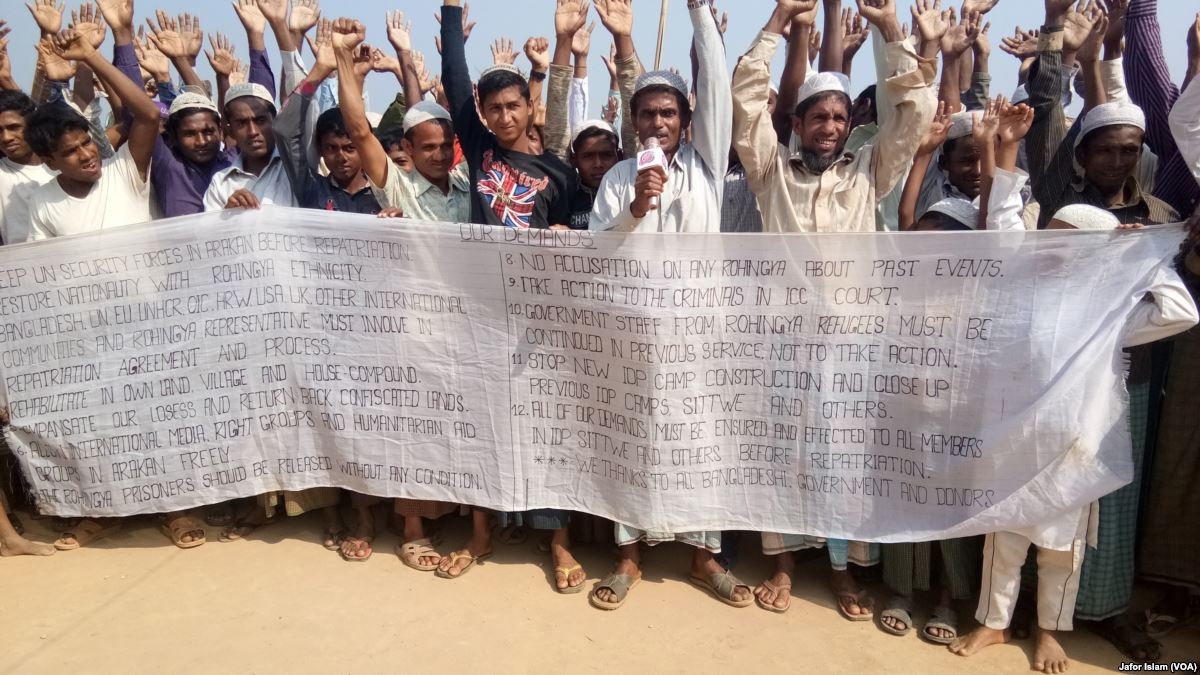
Since late 2017, the UN, along with Bangladeshi and Myanmar officials, have drawn up plans for the repatriation (sending home) of Rohingya refugees. Resettlement sites have been selected in Myanmar. But Rohingya leaders have strongly criticized the plan, saying it fails to address the concerns of their community. Human rights groups are concerned about the safety of Rohingya returning to a hostile environment in Rakhine State.
Starting from early 2021, up to 40,000 Rohingya have been moved from the camps to the remote island of Bhasan Char, in the Bay of Bengal, despite protests from human rights groups who say some of the relocations were forced.
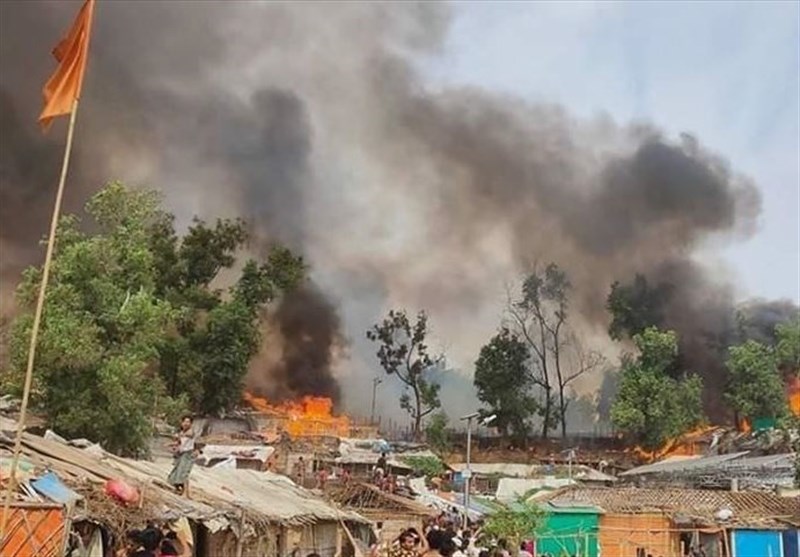
The Bangladeshi government has made it clear it is not willing to house the Rohingya permanently. In 2022, the authorities launched a major crackdown against them, closing hundreds of community schools and bulldozing Rohingya-run shops. They have also imposed restrictions on the Rohingya people laving the camps, leading to the spread of water-borne diseases such as typhoid through the refugee camps. Suspicious fires break out regularly, burning down makeshift houses and making thousands homeless.
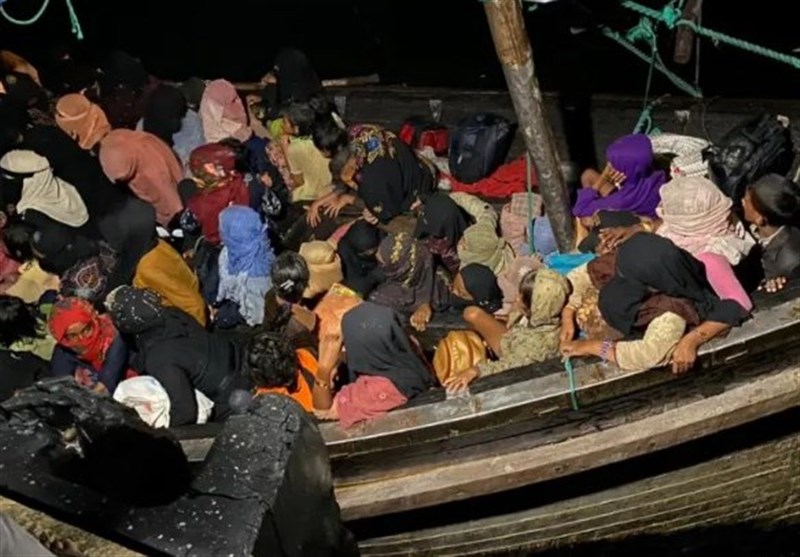
As a result, for some Rohingya the miserable conditions in Cox’s Bazar became impossible to endure. They decided to undertake dangerous voyages by sea to India, Malaysia, Thailand and Aceh (northern Sumatra, an island of Indonesia). But none of these countries want to accept the refugees. Their navies tow their vessels back out to the open sea, where they are targeted by pirates.
In 2025 nearly 900 Rohingya refugees—more than one in seven of the estimated 6500 people who attempted the sea crossing—were reported missing or dead in the Andaman Sea and Bay of Bengal. The dangerous journeys have continued into 2026, with more than 2800 Rohingya undertaking them (as of 11th April). Criminals have been encouraging Rohingya to relocate to Malaysia, then cramming them aboard boats ill-equipped to make the sea crossing. Some 500 Rohingya refugees vanished at sea after setting sail for Malaysia in late June 2026.