
Q-news
A cluster of tropical storms brings floods to South and Southeast Asia
Monsoons, followed by a cluster of three tropical storms, have caused some of the worst flooding in years across South and Southeast Asia. Towns and villages in Indonesia, Sri Lanka, Thailand, Vietnam, Malaysia and the Philippines have all suffered devastating flooding in the past few days. So far, more than 1350 people have lost their lives, while many others are missing. Weeks of heavy rains, followed by the arrival of several storms across the region at the same time, have brought on multiple flash floods, landslides and mudflows, creating havoc and danger for local people.
3rd December 2025

What are tropical cyclones?
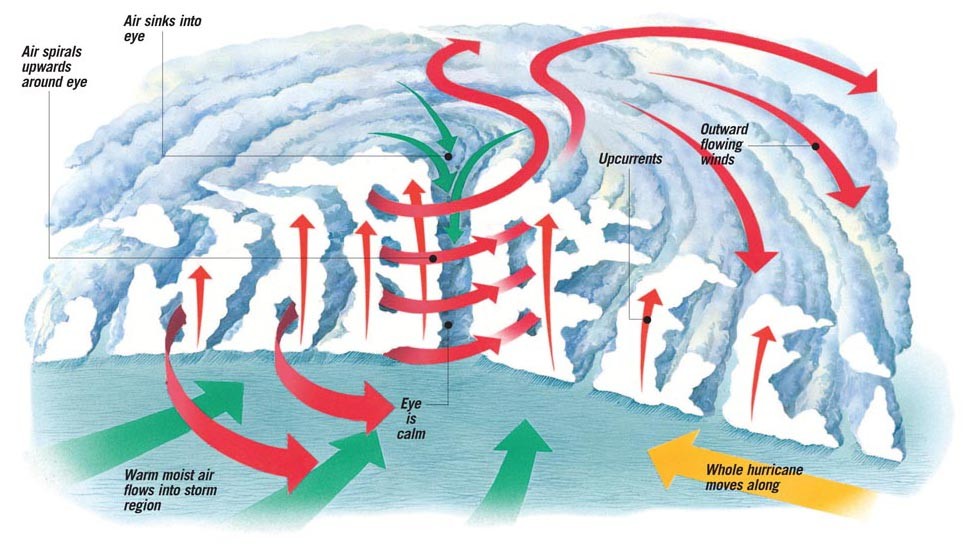
Tropical cyclones (known as hurricanes in the Atlantric Ocean or typhoons in the Pacific) begin as warm, moist air is heated by the sun and rises high into the atmosphere above tropical ocean waters. The sea surface needs to be at least 27°C (81°F) to provide enough energy for this to happen. The rising air sucks in more air, which begins to swirl around in a spiral. The moisture in the rising air condenses into clouds. Quickly, the storm balloons in size and the swirling winds reach speeds of around 250 km/h (150 mph). The spiralling clouds then unleash massive downpours.
Deadly floods
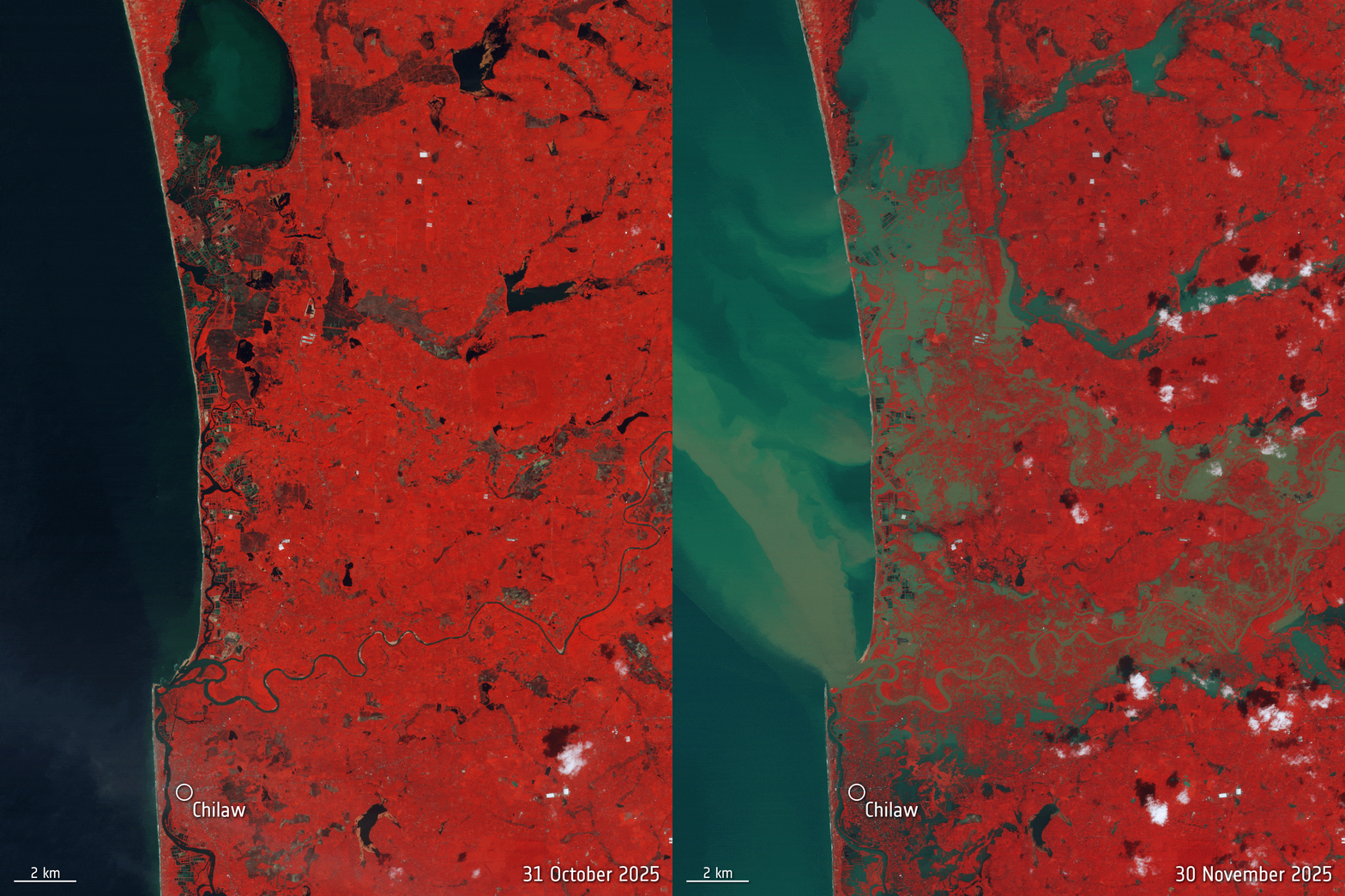
The floods across the region were caused by several weather patterns. This year's monsoon season has been unusually intense, partly because of La Niña, a natural event in which strong winds push warm water across the Pacific Ocean towards East Asia.
The northeast monsoon, followed by Cyclone Senyar, brought heavy rainfall to central and southern Thailand, Malaysia and northern Sumatra between 20th and 27th November. As of 2nd December, over 950 people in the three countries have perished. At the same time Typhoon Koto, a more powerful storm, caused flash floods and landslides in the Philippines and Vietnam.
Cyclone Ditwah caused devastation in Sri Lanka between 27th and 29th November. As of 2nd December, the death toll from floods and landslides on the island stood at 410. More than 15,000 homes have been destroyed and 1.1 million people were displaced (forced to leave their homes) as the government declared a state of emergency.

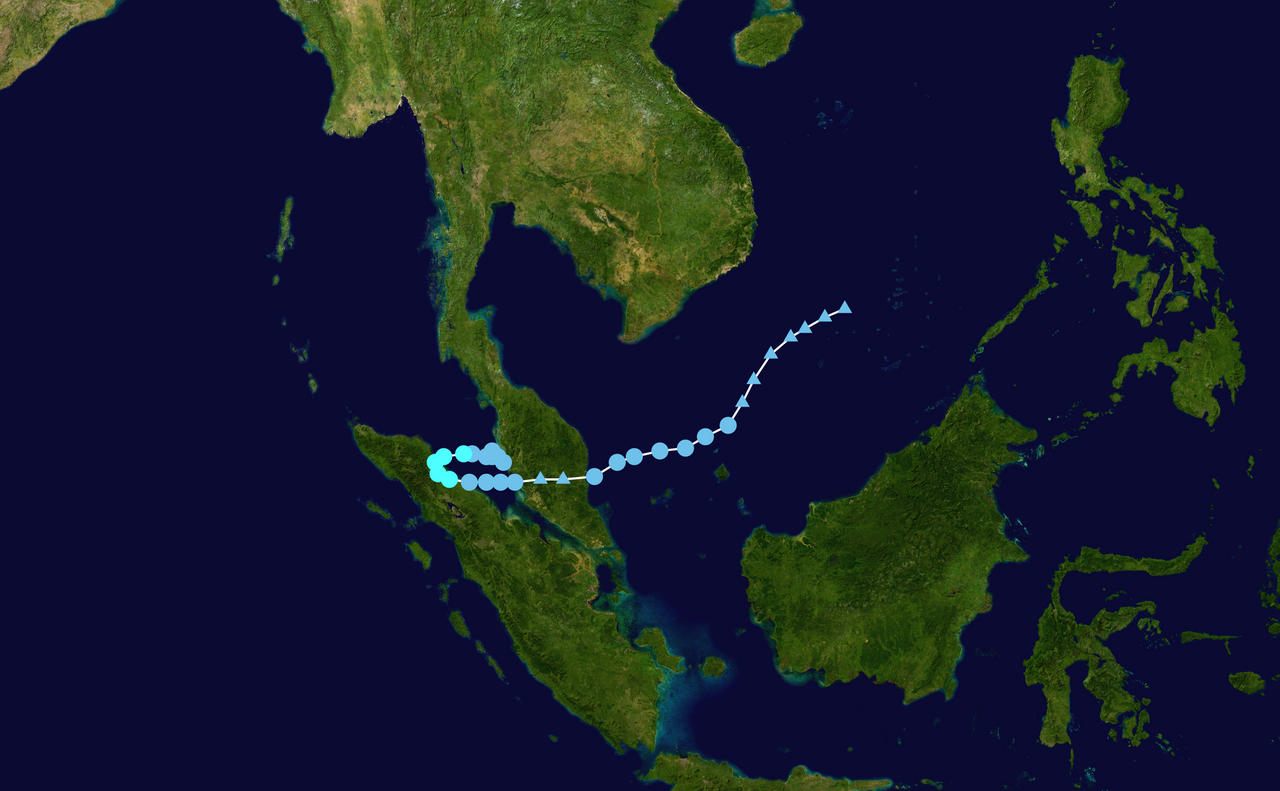
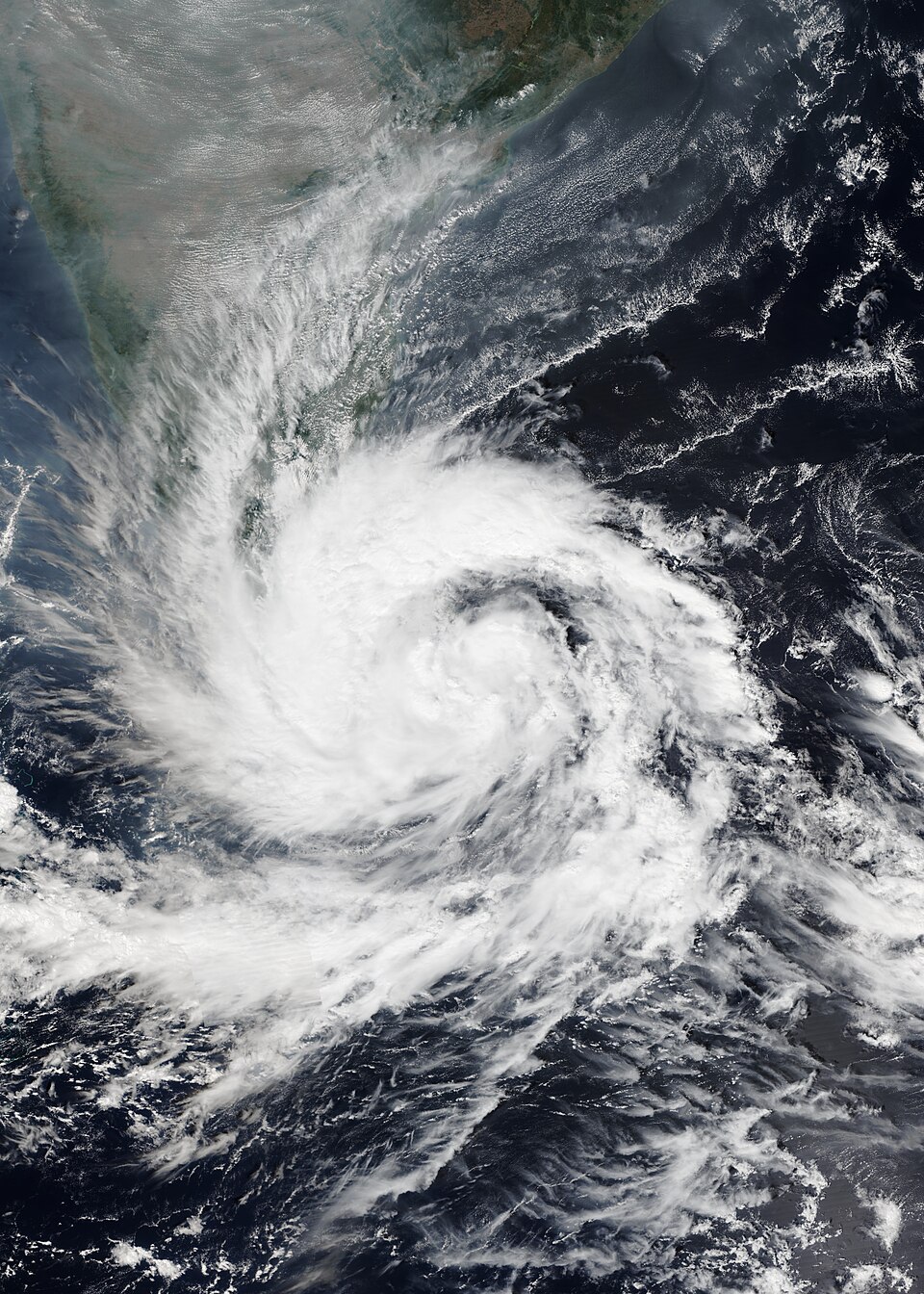
Cyclone Senyar
Cyclone Senyar formed just north of the equator in the Strait of Malacca on 25th November. Tropical cyclones such as Senwar are rare so close to the Equator. The spinning force they need to form comes from the Earth’s rotation and is known as the Coriolis Effect—but this force is usually too weak over the Equator. Experts say Cyclone Senyar was instead whipped up by the presence of nearby Typhoon Koto, which formed at around the same time near the Philippines.
Climate change
While the overall number of tropical cyclones occurring each year has not changed, they have become more intense and destructive in recent years. For more than a century, greenhouse gases emitted by human activity have trapped heat inside the Earth’s atmosphere, raising temperatures globally and heating ocean waters. Warmer oceans mean storms can pick up more energy, leading to higher wind speeds. At the same time, warmer air is able to hold more moisture. The result is stronger storms and more intense bursts of rainfall—as has been experienced in South and Southeast Asia this past week.