
Q-news
Parts of India and Pakistan suffer a severe spring heatwave
An intense heatwave has brought temperatures 4.5 to 8.5°C (8 to 15°F) above normal to east, central, and northwest India as well as parts of Pakistan. India's highest temperature, 45.9°C (114.6°F), was recorded in Prayagraj in Uttar Pradesh on 27th April 2022, while Jacobabad, a city in Pakistan’s Sindh province, recently hit 49°C (120.2°F), one of the highest April temperatures ever recorded anywhere in the world. India suffered its hottest March since records began more than 120 years ago.
4th May 2022
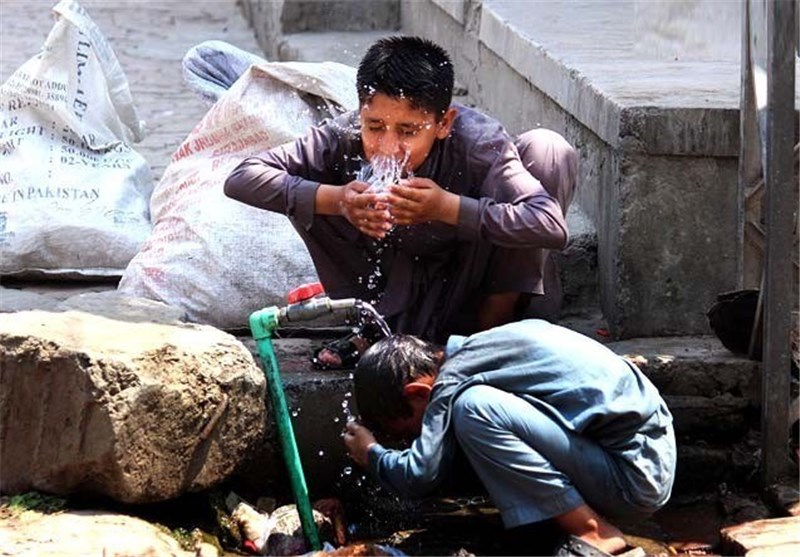

Schools have closed early and people have been forced inside, unable to work except during the cooler night hours. There are fears that heat-related illnesses will soon be on the rise.
Locals are facing critical shortages of water and power. With use of aircon, electric fans and fridges soaring in attempts to keep cool, the heavy demand has caused massive electricity shortages in both India and Pakistan. This has, in turn, increased demand for coal, which is the main source of electricity generation in India. Indian Railways has even had to cancel hundreds of passenger trains in order to allow more freight trains hauling coal to power plants to run. Even so, power cuts lasting eight hours or more have been imposed in states including Jharkhand, Haryana, Bihar, Punjab and Maharashtra.
The heatwave has also had a devastating impact on crops, including wheat, fruits and vegetables. In India, the yield from wheat has dropped by up to 50% in some of the areas worst hit by the extreme temperatures. The shortages come on top of the devastating impact on food supplies caused by Russia’s invasion of Ukraine.
In northern regions, including the Indian states of Uttarakhand and Himachal Pradesh, mountain snow and glaciers have been melting rapidly, increasing the risk of devastating floods in the lowlands. Additionally, more than hundreds of large wildfires have been raging around the country, nearly a third of them in Uttarakhand.

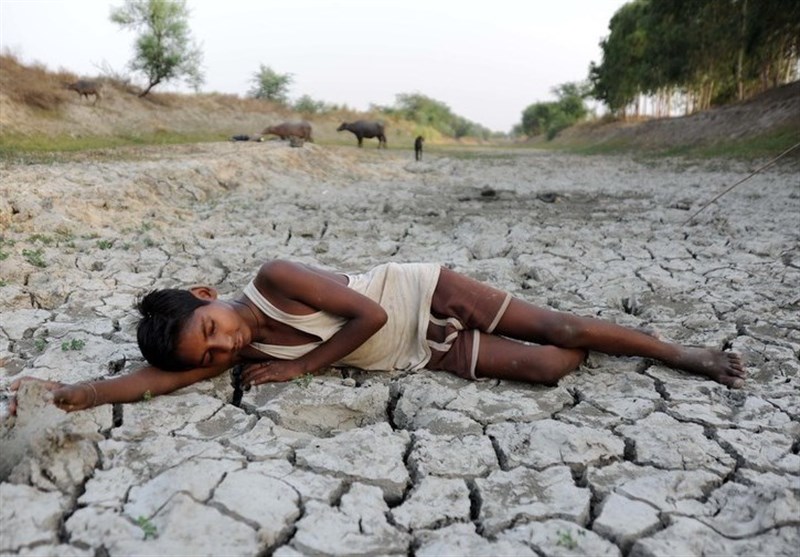
Heatwaves are common in India in the spring and early summer, especially in May, which is typically the hottest month of the year. Temperatures are usually relieved by the onset of the monsoon season from late May through September. But this year a dome of high pressure has kept an unseasonably hot, dry air mass firmly in place over the country much earlier than usual. Experts warn that the scorching heat being felt across the Indian subcontinent is a taste of things to come as global warming continues to accelerate.