
How dinosaurs lived

CITE
We have made every effort to follow citation style rules, but there may be some minor differences. If in doubt, please refer to the appropriate citation style manual.
Recreating dinosaurs. (2026). In Q-files Encyclopedia, Prehistoric, How dinosaurs lived. Retrieved from
https://www.q-files.com/prehistoric/how-dinosaurs-lived/recreating-dinosaurs
"Recreating dinosaurs." Prehistoric, How dinosaurs lived, Q-files Encyclopedia, 11 Mar. 2026.
https://www.q-files.com/prehistoric/how-dinosaurs-lived/recreating-dinosaurs.
Accessed 6 Aug. 2026.
Recreating dinosaurs 2026. Prehistoric, How dinosaurs lived. Retrieved 6 August 2026, from
https://www.q-files.com/prehistoric/how-dinosaurs-lived/recreating-dinosaurs
Prehistoric, How dinosaurs lived, s.v. "Recreating dinosaurs," accessed August 6, 2026.
https://www.q-files.com/prehistoric/how-dinosaurs-lived/recreating-dinosaurs


Recreating dinosaurs
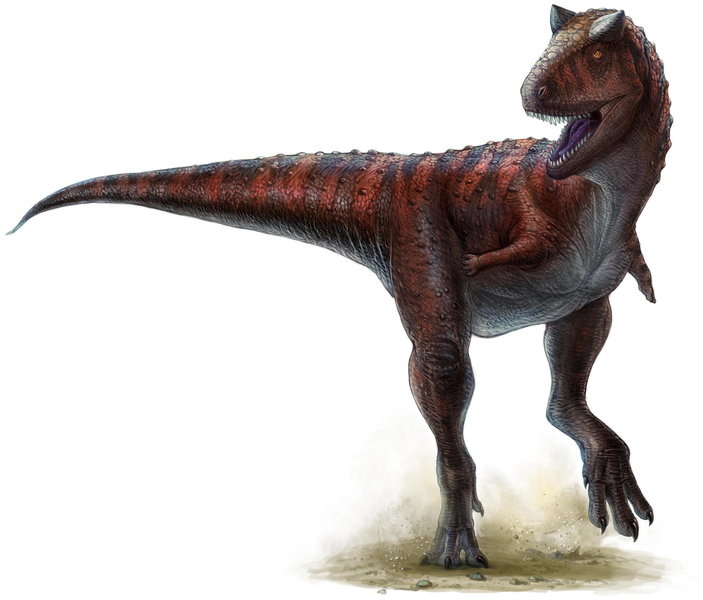
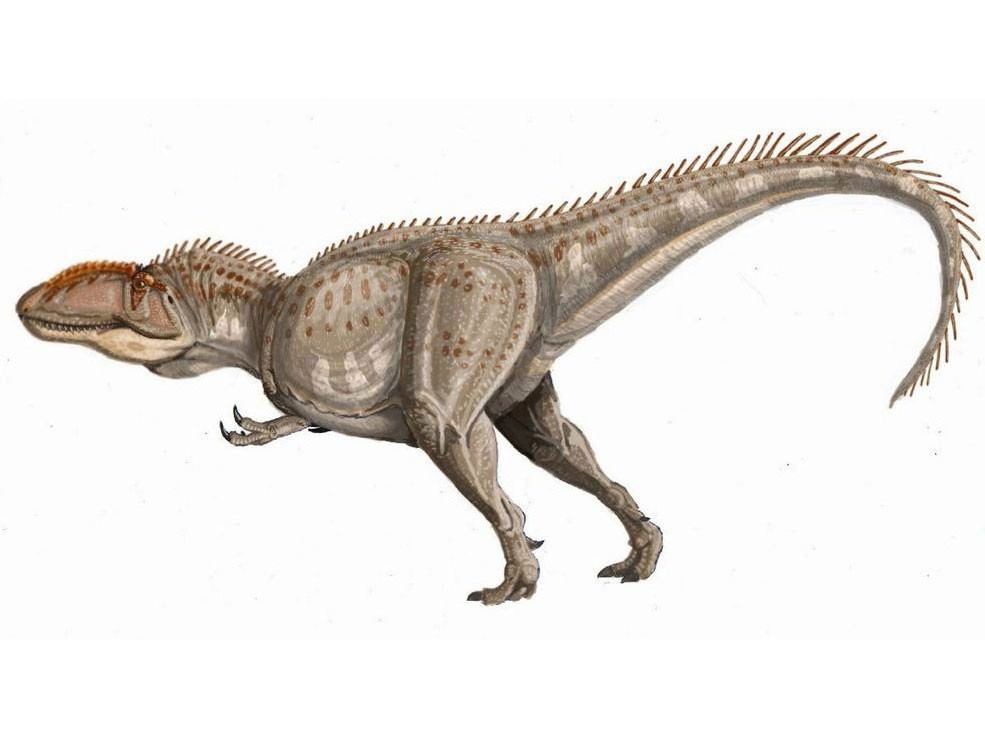
The 2015 movie Jurassic World featured a genetically modified dinosaur, called Indominus rex ("Untamable king"). It was a species of theropod (flesh-eating dinosaur) called an abelisaur, and, according to the movie's website, is made up of genetic material obtained from Carnotaurus, Majungasaurus, Rugops and Giganotosaurus. As in an earlier movie, Jurassic Park, scientists cloned the dinosaurs by extracting dinosaur blood, containing DNA, from mosquitoes fossilized in amber. But is bringing dinosaurs back to life really fiction, or can it be achieved for real?

In September 2014, researchers from Manchester University attempted to extract DNA from insects preserved in an amber-like substance. They were completely unable to reclaim any DNA, prehistoric or otherwise. This is because DNA molecules can only survive a few hundred thousand years—not the tens of millions years required to be anything to do with dinosaurs.
In any case, it would be highly unlikely that scientists could find usable dinosaur DNA in mosquito fossils. They would need to find a female mosquito that had consumed dinosaur blood immediately before landing in tree resin—which would be an extremely rare fossil indeed. But even if researchers did find one, extracting its DNA would still be enormously difficult. The blood with the dinosaur DNA would be surrounded by the body of the insect, which has its own DNA.


So how else might scientists clone dinosaurs? They could look for DNA specimens in fossilized bones instead of the bodies of insects. The problem here is that the process of fossilization involves replacing the tissue in an animal's bones with minerals. This destroys the cells that may contain DNA. However, one team of palaeontologists did, in 2005, actually discover what appears to be soft tissue in the bones of a Tyrannosaurus rex—although they have not yet been able to isolate any DNA from these samples.

Another idea is that researchers could work out the sequence in the DNA of dinosaurs and recreate it. The sequencing of the human genome (the complete "instruction book" containing all its genes) took 13 years to complete, but this achievement still was not enough for researchers then to be able clone people. Reconstructing complete dinosaur DNA would require technology far beyond what exists today.
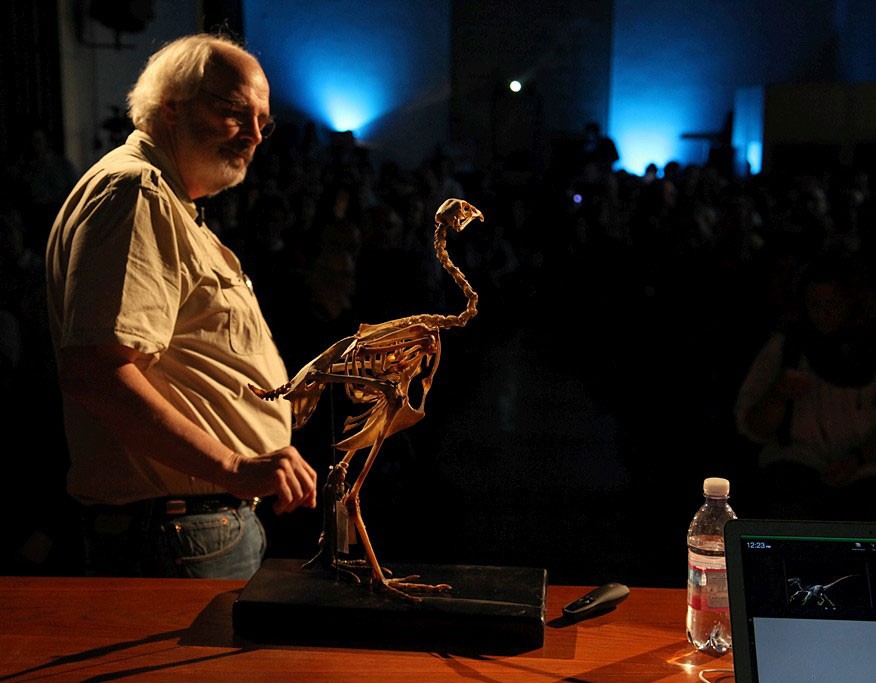
A third possibility is to reawaken dinosaur traits in the prehistoric reptiles' closest living relatives: birds. In fact, scientists nowadays consider birds to be dinosaurs themselves. Researchers have attempted to make some birds appear more dinosaur-like. Known as the "chickenosaurus" project, the project was headed up by palaeontologist Dr Jack Horner, technical advisor for all of the Jurassic Park films.
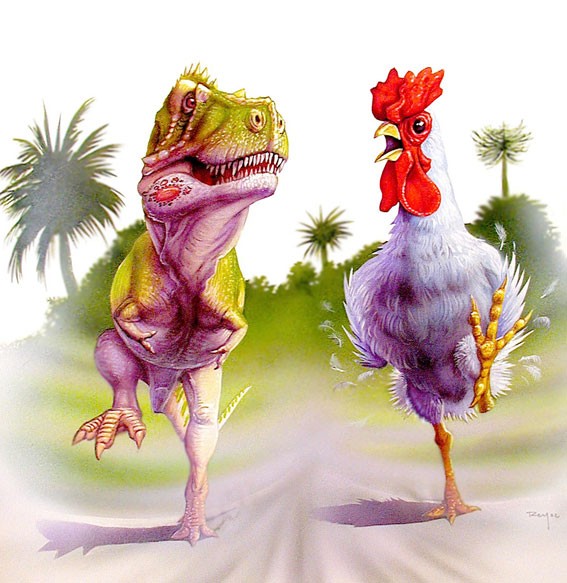
It was found to be possible to grow teeth in birds. Although birds lost their teeth about 80 million years ago, they did not lose their ability to grow them. Through a process of genetic modulation, scientists in 2006 were able to re-activate the gene in chickens—usually dormant—that leads to tooth growth.
Using a similar technique, scientists also developed the means to regrow, for example, the long tail characteristic of non-avian (non-bird) dinosaurs in modern birds.
Consultant: Chris Jarvis
pics
Without in any way limiting Q-files Ltd’s exclusive rights under copyright, any use of this publication to “train” generative artificial intelligence (AI) technologies to generate text is expressly prohibited. Q-files Ltd reserves all rights to license use of this work for generative AI training and development of machine learning language models.