
EASY READ Science
What is sound?



Pitch
Slow vibrations make low sounds. Fast vibrations make high sounds. The low-ness or high-ness of a sound is called its pitch. An example of a low-pitched sound is the rumble of distant thunder or the beat of a bass drum. Birdsong is an example of a high-pitched sound.
Ultrasound
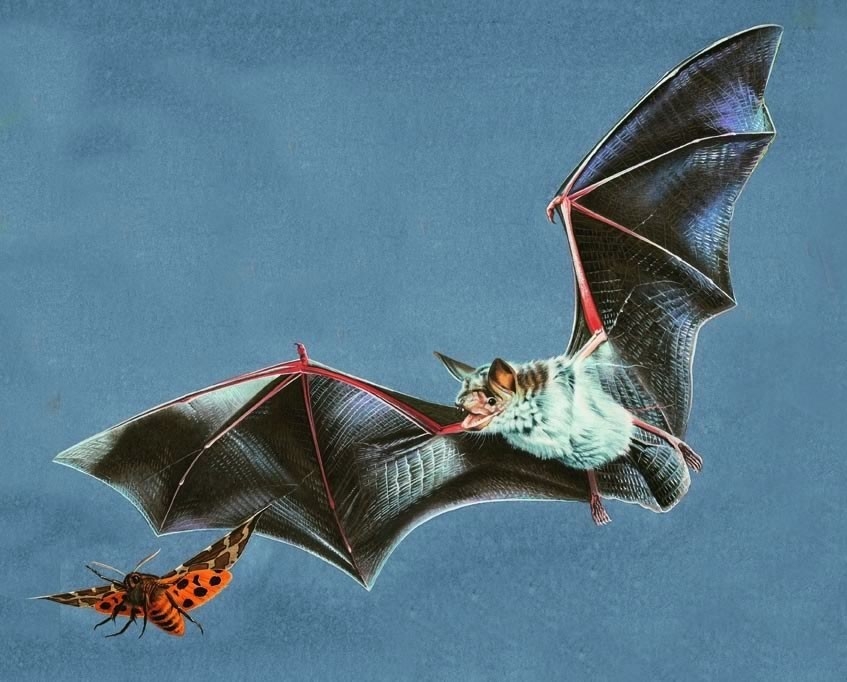
Some sounds are so high-pitched we cannot hear them. Some animals, such as dogs, are able to hear these sounds, called ultrasounds. Bats produce squeaking ultrasounds, then use their large ears to listen to the echoes that bounce back. This helps them to avoid obstacles and catch insects in flight, even in darkness.
Volume

Sounds can also have different loudness, or volume. Sounds with small vibrations have a low volume. Examples of low-volume (soft) sounds are a watch ticking or a leaf falling. Sounds with large vibrations have a high volume. High-volume (loud) sounds include those made by a drill or a car tooting its horn. Volume is measured in decibels.

Making waves
Sound travels in waves. Sound waves spread out from the source just like the ripples on a pond when a pebble is thrown into it. If sound waves hit a hard surface, they bounce back off it. We may hear the returning sound as an echo.
Consultant: Mike Goldsmith
Ready to find out more?
Here are some pages in other parts of Q-files you might like to explore: