
Population
Cities
The word “city” is generally used to describe a large and important town. Every country has a capital city, where its government is based. Other large cities have grown up around industries and the services that go with them, such as ports, shops, transport and offices. The Industrial Revolution of the 18th and 19th centuries provided a major boost for the expansion of cities. Once small market towns, cities expanded rapidly around the new factories and ports, as houses were built for people to come and work there: jobs much better paid than those in the countryside were on offer. The growth of towns and cities, or urban areas, as a result of migration from the countryside, is called urbanization.
Updated 3rd December 2025

Ancient cities
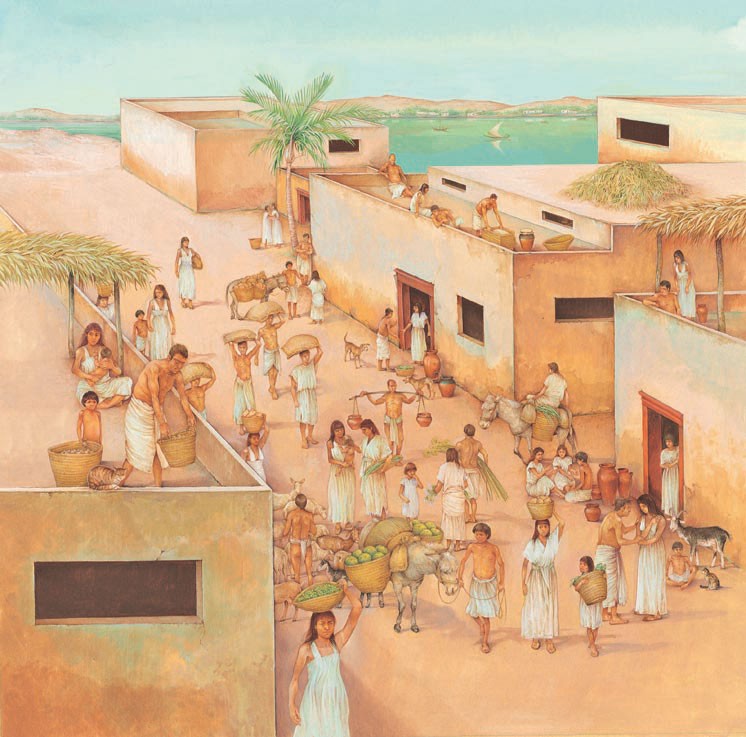
The first cities grew up from around 7000 BC, in Mesopotamia and the ancient Near East. In this region, farming had become so efficient that not everybody had to work on the land. Some people became craftworkers, priests or teachers instead. The cities brought together many people with skills and new ideas. The emergence of cities marked the beginning of civilization (from the Latin civis, meaning citizen, a city-dweller).
Pre-industrial cities
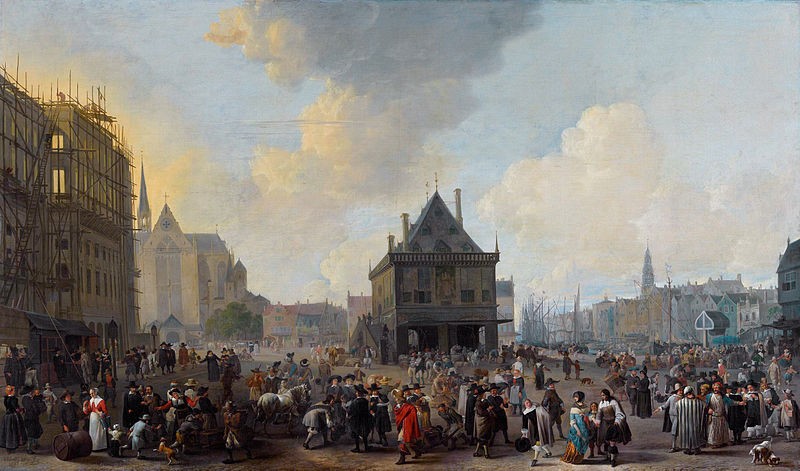
Many cities grew up as market towns: people came from the countryside to sell their produce at the market. If that town happened to be where a river could be bridged or near a natural harbour, it grew more than other, less favourably located places. Some medieval cities became powerful, with their own rulers. In exceptional cases, such as Venice or Lübeck, they took surrounding areas under their control to become city-states—and even built up overseas empires. Later, cities at the hub of trading networks like London and Amsterdam grew large and important. But by 1700, fewer than 40 cities worldwide had populations greater than 100,000.
Urbanization
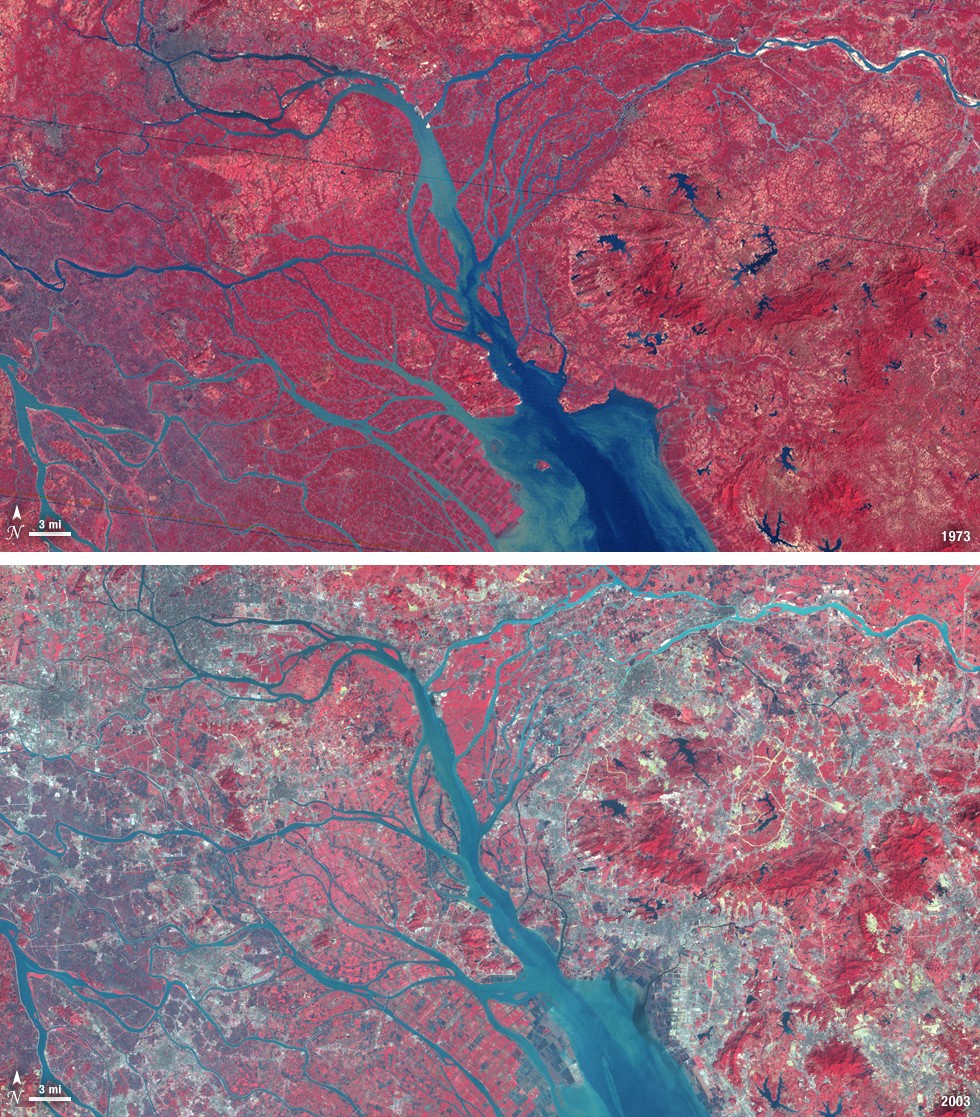
The growth of industry from the late 18th century onwards, led to urbanization on a large scale and the rapid growth of cities, some of which were previously small towns or villages, or did not even exist before. This began first in Britain, then spread to the rest of Europe and North America. Millions of people were forced to live in over-crowded, poorly-built housing called slums where poverty and disease were rife. Since the 1950s, urbanization has begun to take hold in the developing world as well. At the turn of the 20th century, just 15% of the world population lived in cities. Now, according to United Nations estimates, around 57% do.
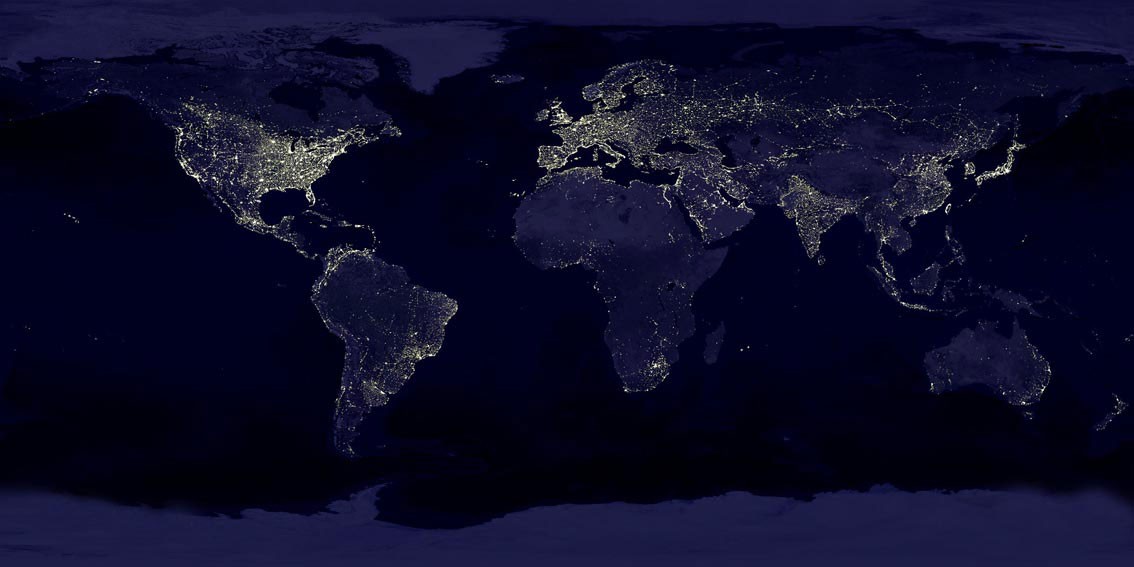
The structure of a city
A modern city has at least one central business district (CBD), its commercial and business heart. There are industrial zones and residential areas—the inner city and the suburbs. Often there is a ring of commuter towns beyond the urban area, known as exurbs. The inner core of a city has the most valuable land because it is both limited in size and is the most accessible for the city’s population. Department stores and offices are willing to pay high prices in order to be located here.

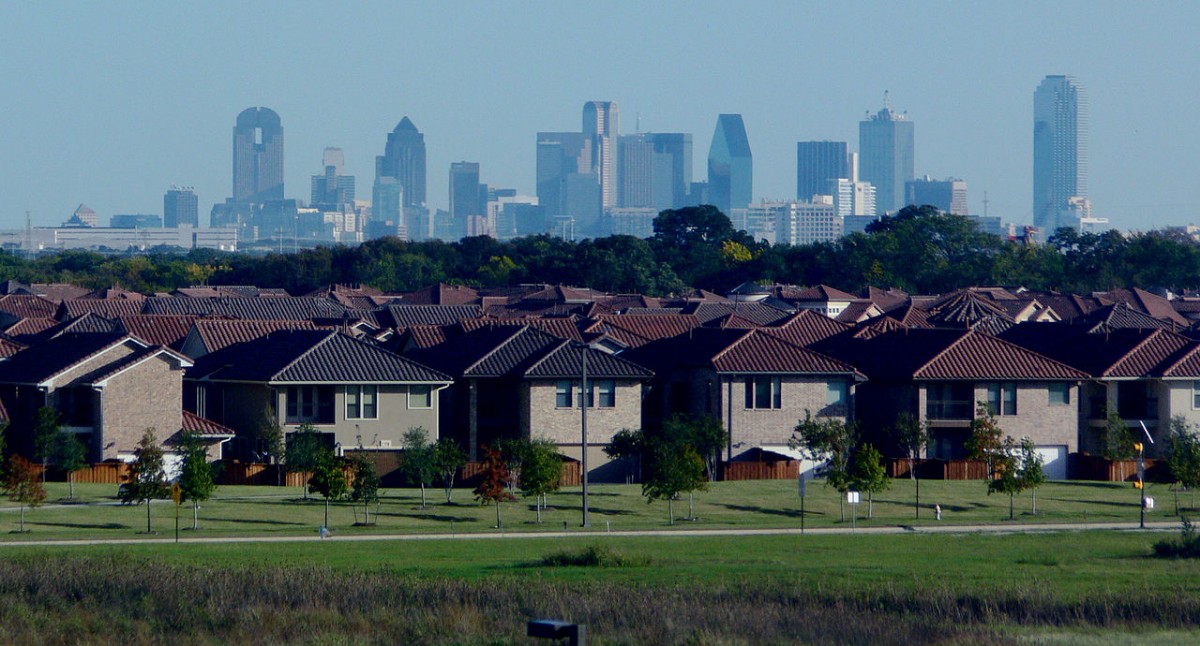
The farther out from the inner core you go, the cheaper the land. For this reason, inner city areas tend to be densely populated (terraces, apartments and high-rise buildings), while the outer suburbs are more sparsely populated, having more semi- and detached houses with gardens.
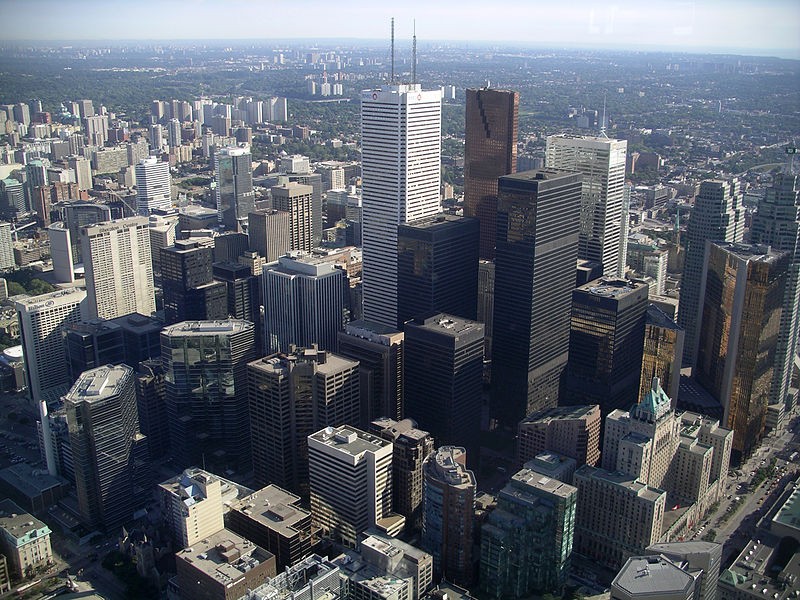
Central business district
The central business district (CBD) is the commercial and business centre of a city. It often has a concentration of offices and, in larger cities, is also the financial district. The CBD often, but not always, coincides with the centre or "downtown" where most shops are located. Many cities' CBDs lie away from the city centre—particularly if the centre is of historic importance. Developed in the 1980s, La Défense, just west of Paris’s city limits, is the city’s principal CBD. New York City has two CBDs, Midtown and Downtown Manhattan, as has London, the City and Docklands.
Inner city
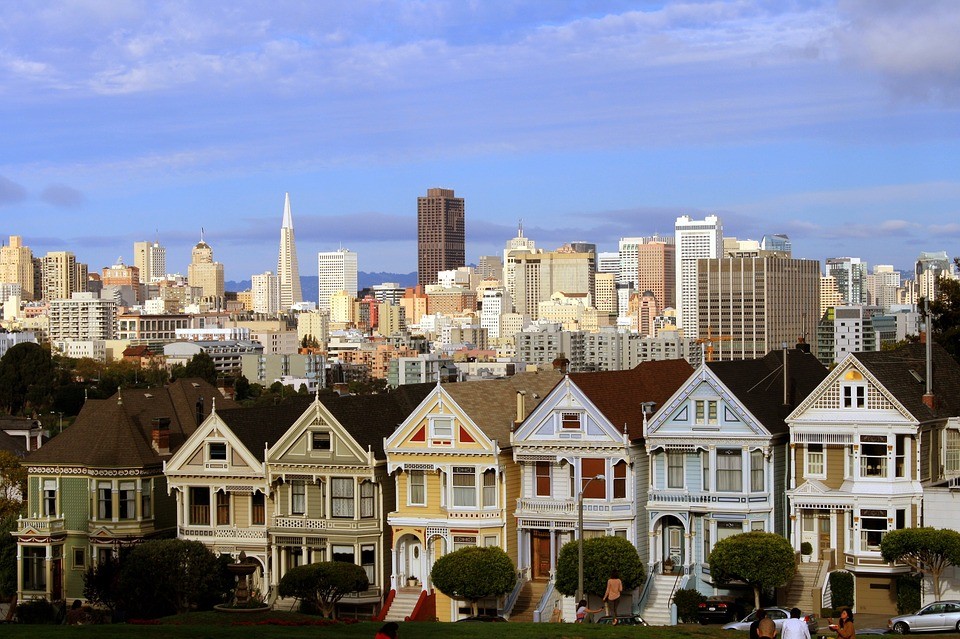
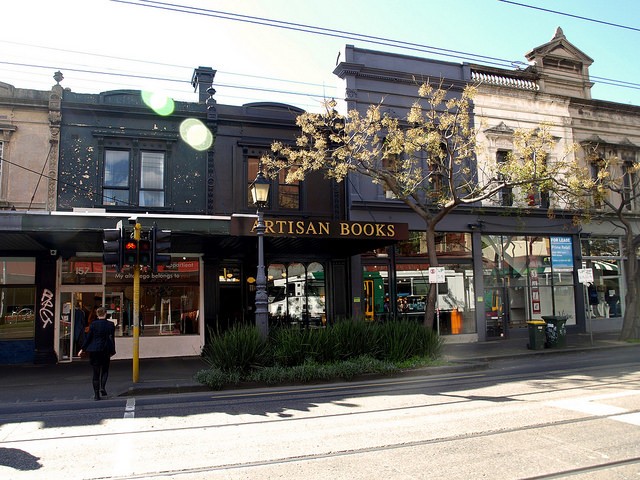
In many cities, high-density residential areas lie in or close to the city centre. Here people often live in multi-floored townhouses and apartment blocks. In parts of many European and North American cities, the inner city is still dominated by older-style homes, many of them built originally for factory workers and their families during periods of industrialization and rapid urbanization in the 19th and early 20th centuries.
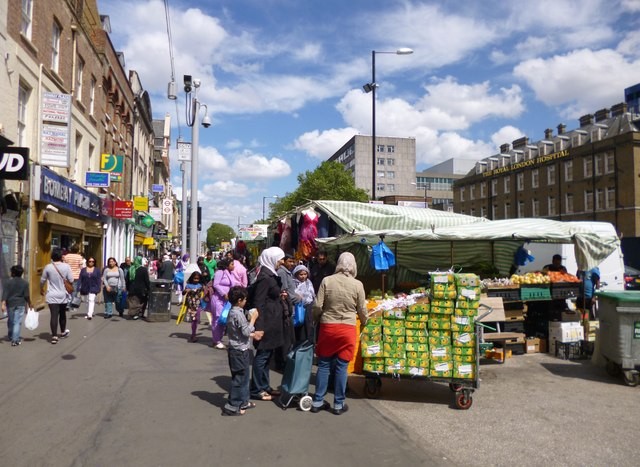
Other inner city districts are often the city’s most prosperous neighbourhoods, where houses—often fine old buildings—are expensive and where high-income individuals choose to live.
Urban renewal
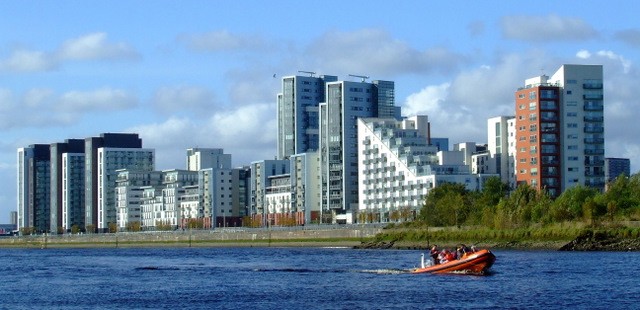
In many cities, the decaying housing stock of the inner city is still, or has been in the past, home to low-income and immigrant families. Since World War II, many of these areas have undergone what is called regeneration or revitalization by governments: old factories, shipyards and slums (dwellings of poor-quality construction, without proper sanitation) have been demolished and new apartment blocks, housing, offices, shops and parks built in their place. Especially since the 1990, a process called gentrification has also transformed the inner urban landscape: old, deteriorating buildings in some areas are renovated by wealthier residents moving in.
Suburbs
Suburb are the residential, or mixed industrial/residential, areas lying outside the city centre. They develop when new houses are built as the city grows in size, or when a previously outlying town or village is “absorbed” by the expanding city. Suburbs first emerged in the late 19th and 20th centuries as a result of improved rail transport, which led to an increase in travelling to work (commuting). They were ideal for members of the middle classes who wanted to escape the squalid conditions of the industrial town.
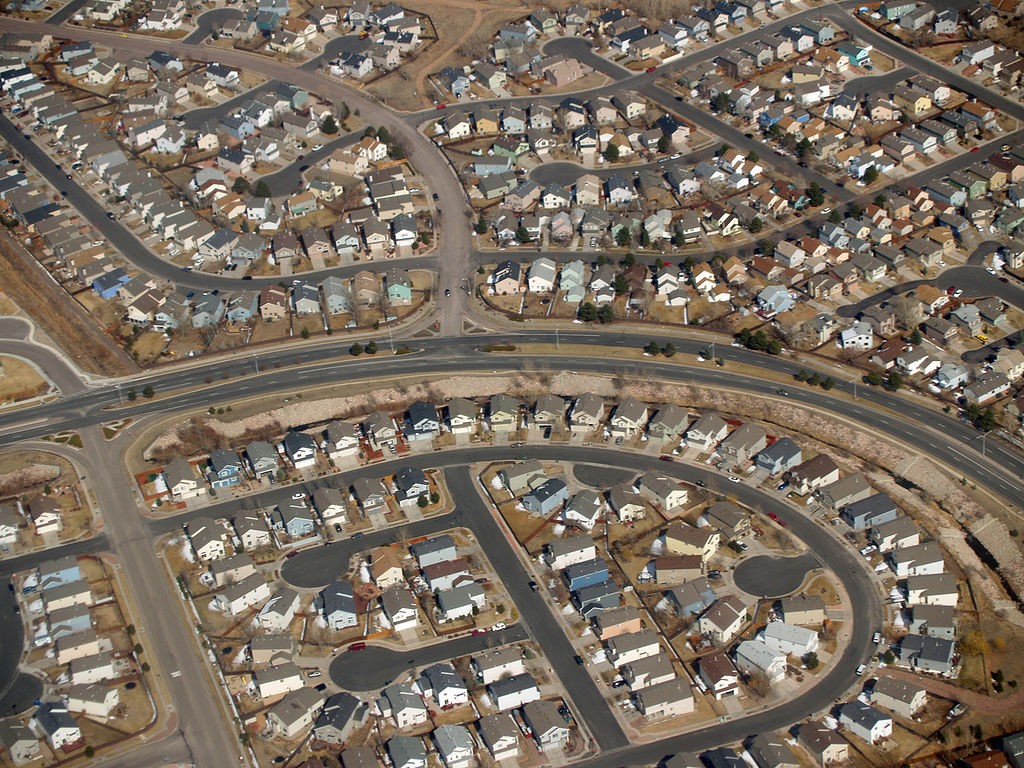
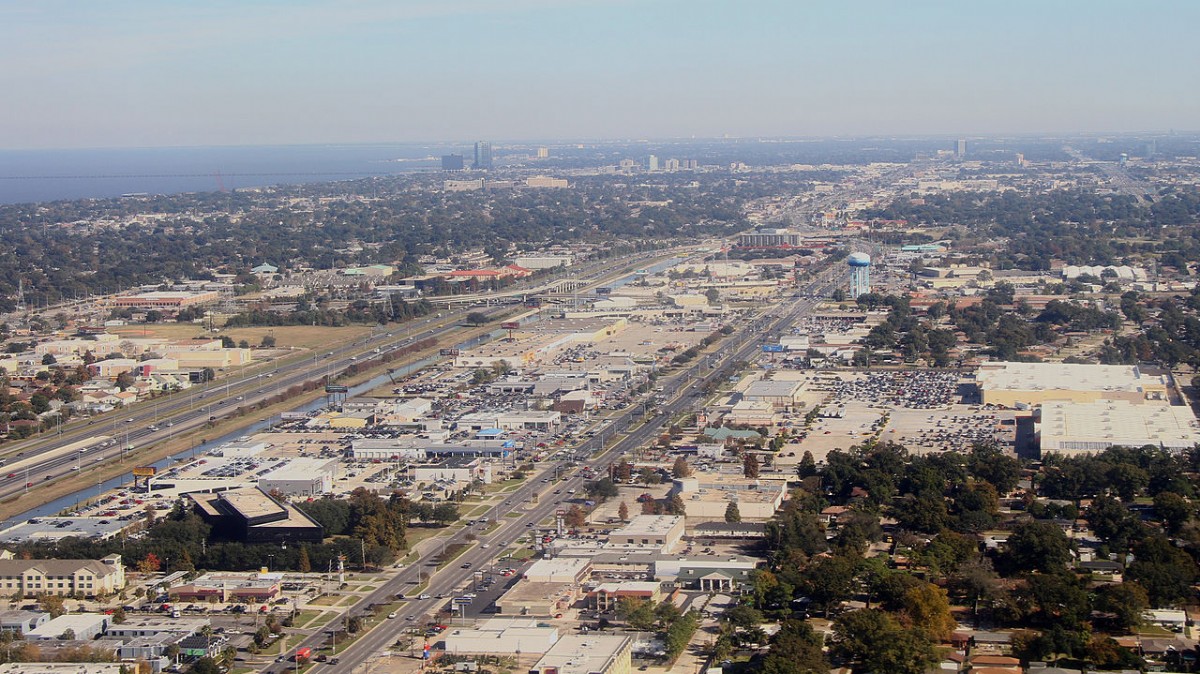
Suburbs have lower population densities than inner city neighbourhoods, and residents usually commute to the city centre, industrial zones or other business districts, travelling by car, bus, tram or metro. In North America it is now quite common for the main city to be much smaller than the surrounding suburban areas.
Many businesses have relocated their offices, shops or factories to the suburbs, where the land is cheaper and where they are more accessible to the suburban population.
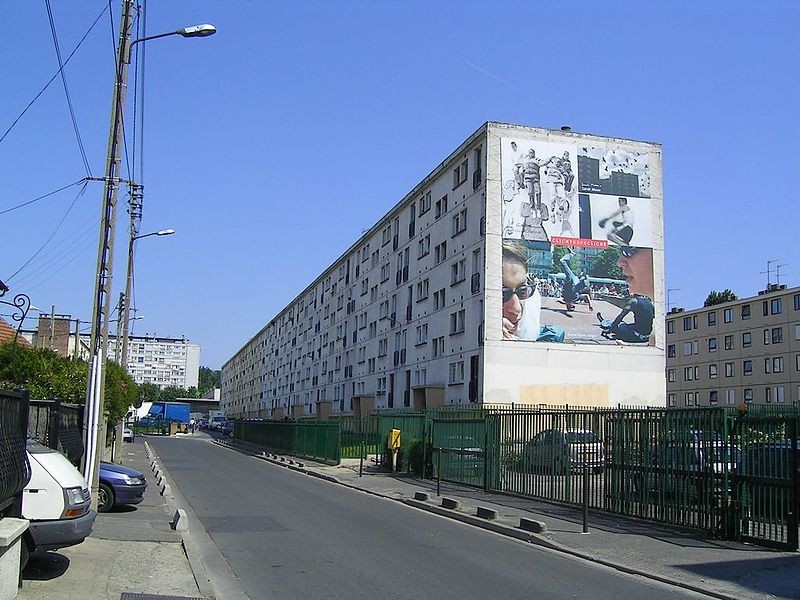
In most cities, suburbs are a mix of middle-class and low-income neighbourhoods. Some banlieues of Paris, for example, contain low-income housing lived in by African immigrants and are plagued by social problems, unemployment and crime.
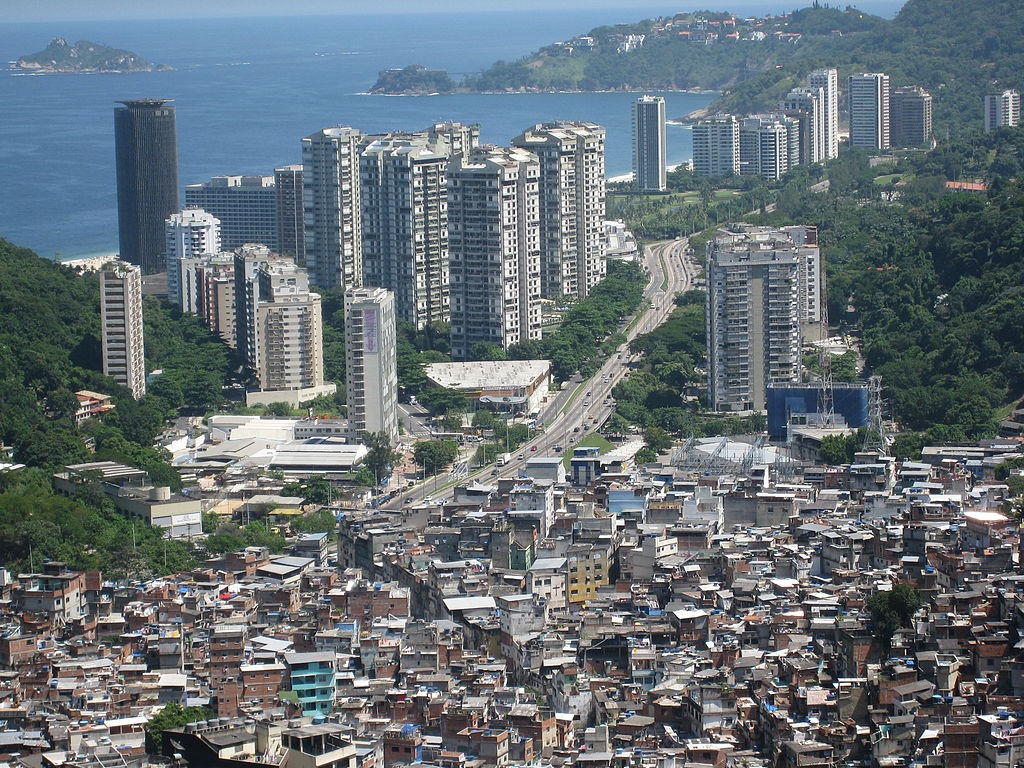
In many developing countries, large cities are surrounded by vast shantytowns, where shelters and shacks built from any material that comes to hand and lacking sanitation, electricity and other utilities, are crammed together. Here, people live in extremely poor, disease-ridden conditions.

Green belt
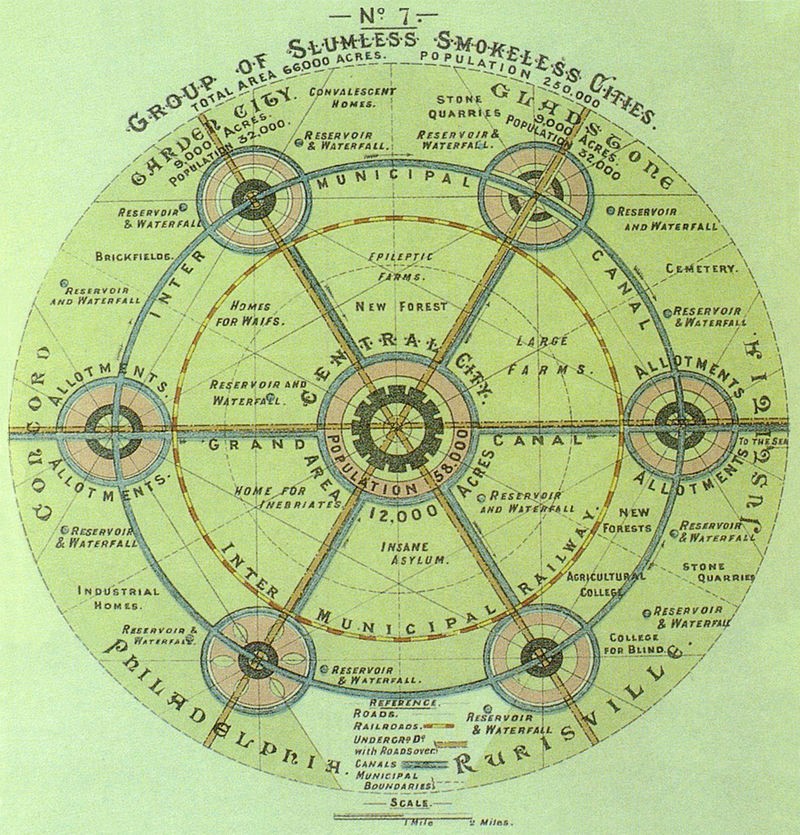
As suburbanization took hold in the 20th century, cities expanded in geographical area. This is called urban sprawl. To halt the loss of countryside, “green belts”—land surrounding cities where no development is permitted—were set up around some major cities. The policy was pioneered in the UK, where the population is large relative to the available land area. In a ring beyond London’s Green Belt, a number of new towns, such as Basildon, Stevenage and Crawley, were built in the 1950s to house people whose homes had been destroyed by bombing during World War II, and partly to relocate people from inner city slums.
Megalopolis
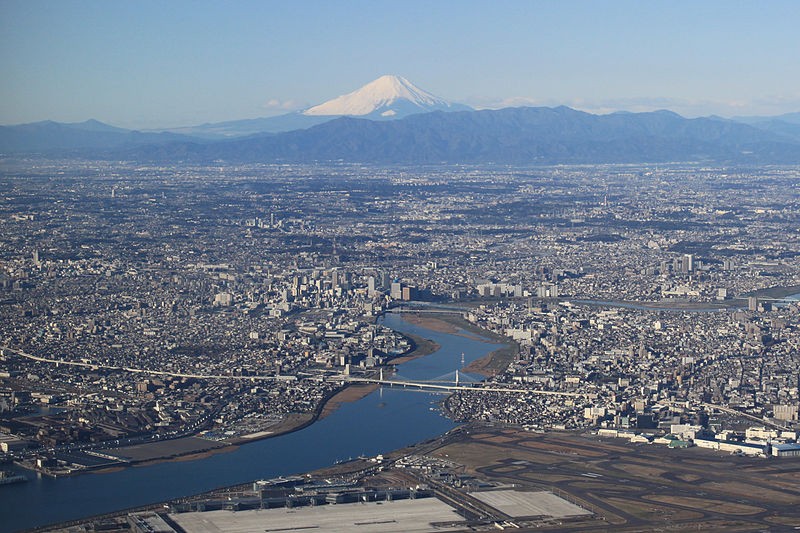
Some cities have sprawled so much they have started merge into one another to form conurbations, such as the Ruhr in Germany. A region dominated by a number of large cities or conurbations is called a megalopolis. The region of USA from Boston via New York and Philadelphia to Washington, or the Taiheiyo Belt in Japan (Tokyo–Nagoya–Osaka) are examples. In Asia the urban agglomerations (cities and suburbs combined) of Beijing, Delhi, Dhaka, Karachi, Manila, Mumbai and Seoul have populations of more than 20 million people, while the Pearl River Delta (Guangzhou-Shenzhen-Hong Kong) has a population of 55 million, the Yangtze River Delta (Shanghai and inland) 80 million, and the Indonesian island of Java, where Jakarta and other cities of the north coast have begun to merge together, more than 145 million.
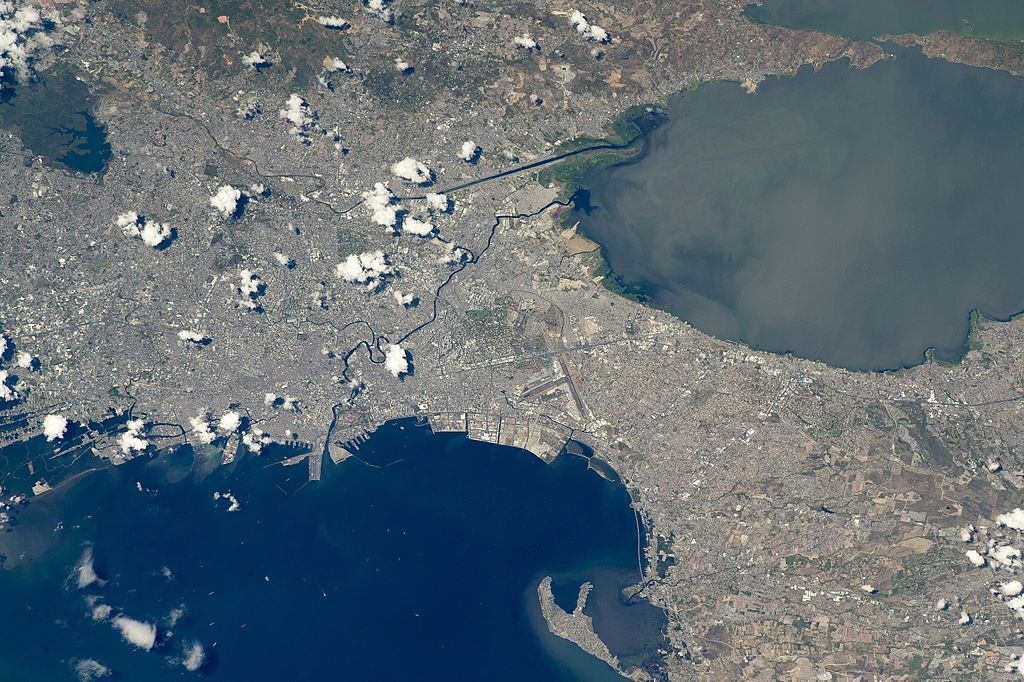
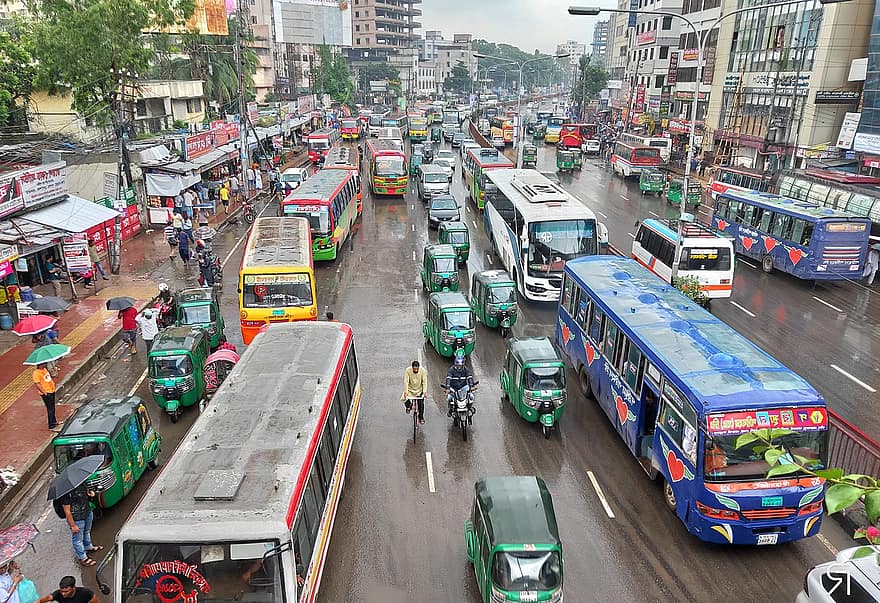
The world's most populous cities (metropolitan areas), 2025
1 Jakarta, Indonesia 41,900,000
2 Dhaka, Bangladesh 36,600,000
3 Tokyo, Japan 33,400,000
4 Delhi, India 30,200,000
5 Shanghai, China 29,600,000
6 Guangzhou, China 27,600,000
7 Cairo, Egypt 25,600,000
8 Manila, Philippines 24,700,000
9 Kolkata, India 22,500,000
10 Seoul, South Korea 22,500,000
Consultant: Lloyd Jenkins