
Resources and industry
Natural resources
Natural resources are things that humans need and use, and which occur naturally in nature, undisturbed or unchanged by people. Water and air are essential for our survival, while most other resources satisfy our needs and wants. Some natural resources, for example, metal ores, oil and other fossil fuels, must be processed in order to extract them. Only the Sun's rays, geothermal energy (heat from rocks inside the Earth) and air are inexhaustible: they will not run out in the foreseeable future. The majority of natural resources are exhaustible: they will run out if not managed carefully.
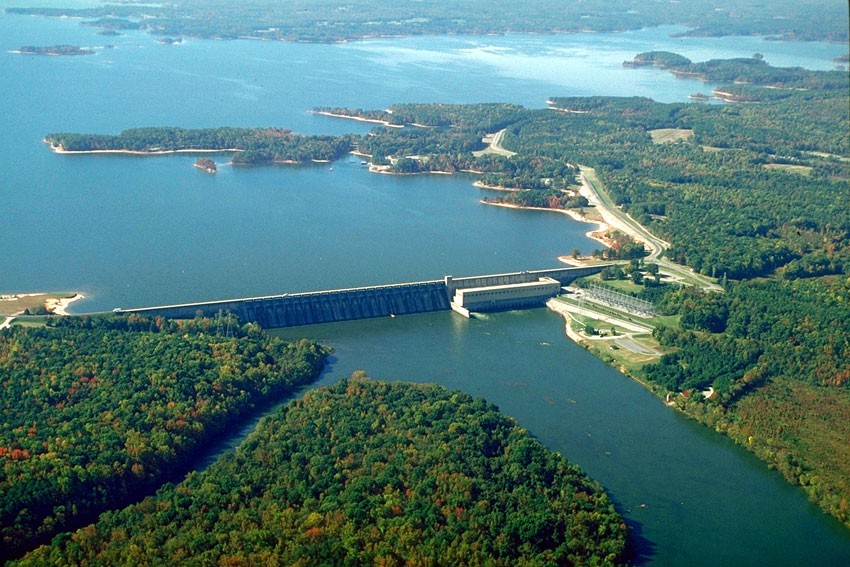
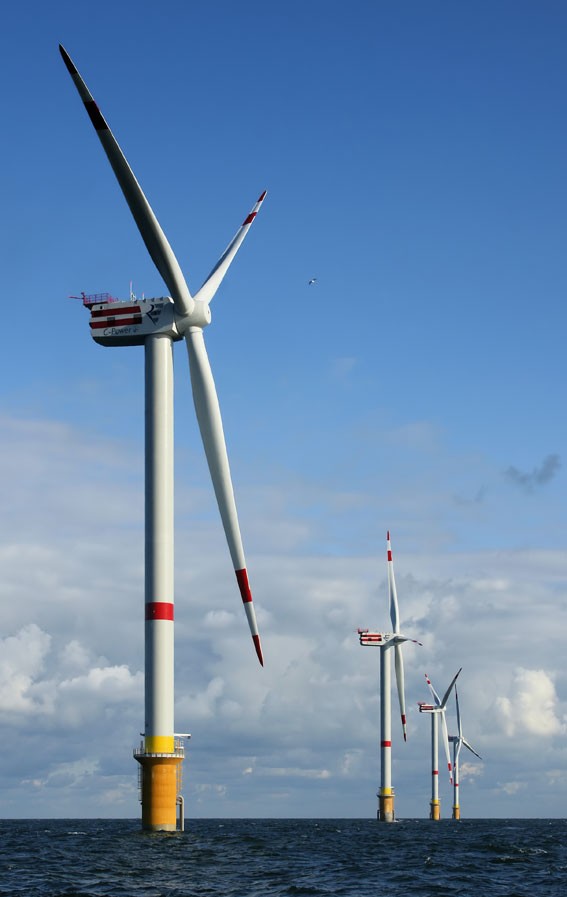
Examples of natural resources
Sunlight, water, air, animals, plants, wood, soil, oil and minerals are all examples of natural resources. The raw materials are, in many cases, processed so they can be used or consumed. Many natural resources have multiple uses: animals and plants provide, for example, food, clothing and medicines, while water is used for drinking, cleaning and supplying energy (hydro-electricity). The ocean is a natural resource in a number of ways: waves can be used to generate wave power, a renewable energy, while ocean water provides a habitat for fish and other marine animals.
Living or non-living?
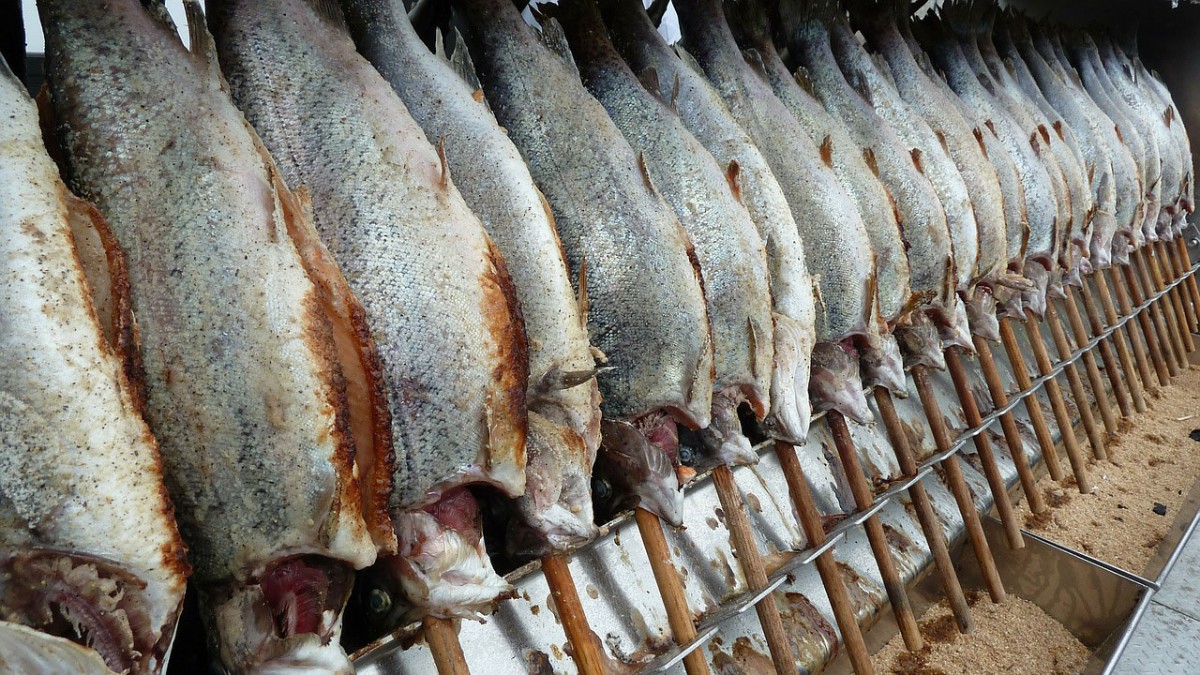
Resources obtained from the biosphere (living things such as plants and animals) are called biotic resources. Fossil fuels, including coal and oil, are formed from decayed organic matter, and so are included in biotic resources. Resources that come from non-living materials, such as fresh water, air and metal ores, are called abiotic resources.
Renewable or non-renewable?
Renewable resources are replenished naturally. But many renewable resources—certain species of fish, for example—might have a slow recovery rate. Over-using them will lead to the resource becoming exhausted.
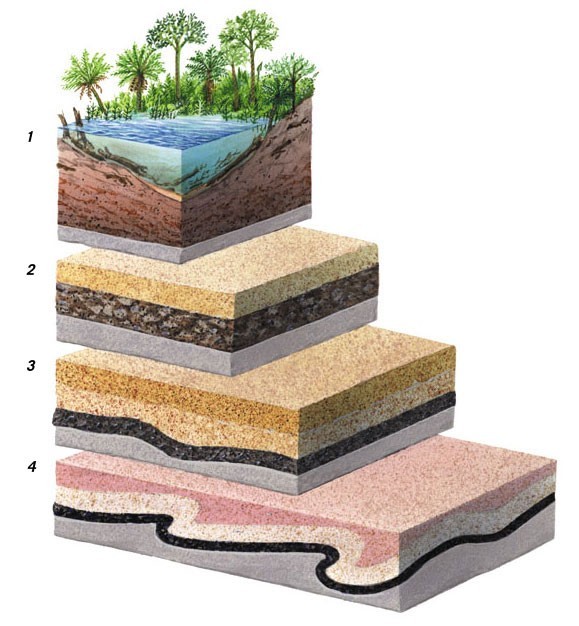
Non-renewable resources form slowly: the rate at which people use them will always exceed the rate of recovery. Minerals and fossil fuels are good examples: their rate of formation—many millions of years—is extremely slow.
Uranium is a mineral used for the generation of nuclear energy. Only a small amount is needed to produce a great deal of energy. Although it is non-renewable, this natural resource can therefore last much longer than many fossil fuels. It also has the advantage that it does not give off atmospheric pollutants. However, nuclear waste is highly toxic and leakage from nuclear reactors can have a devastating impact on the environment.

Depletion
The use of non-renewable resources, or using renewable ones at a rate faster than they can be renewed, leads to resource depletion. This can also occur as a consequence of poor resources management. It has far-reaching effects. If agricultural practices—a way of processing natural resources (cultivating what were originally wild plants)—cause the depletion of nutrients in the soil or necessitate the use of excessive fertilizers, other resources may become depleted: the land itself may be lost through soil erosion or desertification, and rivers and seas through water pollution.
The cutting down of rainforests to gain access to the resources of minerals (by digging mines and quarries), cultivable land and timber, usually results in the loss of wildlife and plants—including some species from which essential medicines could have been produced. The possible effect on the climate could also lead to the depletion of resources elsewhere.
Metals used in the manufacture of smartphones, including gold, tungsten and gallium, are, for various reasons, likely to be in short supply in a few decades, unless ways of recycling them or avoiding their use can be found. In addition, the mining of key rare metals, such as lithium, tantalum and cobalt, involve the heavy use of land and water. It is estimated that nearly 13 tons of water are needed to make a smartphone.
Sustainability
Renewable resources are only considered renewable so long as the rate of recovery is higher than the rate of use. Where a resource, for example, a pine forest, is used in such a way that regrowth of replaced saplings keeps pace with the felling of trees, it is called sustainable.
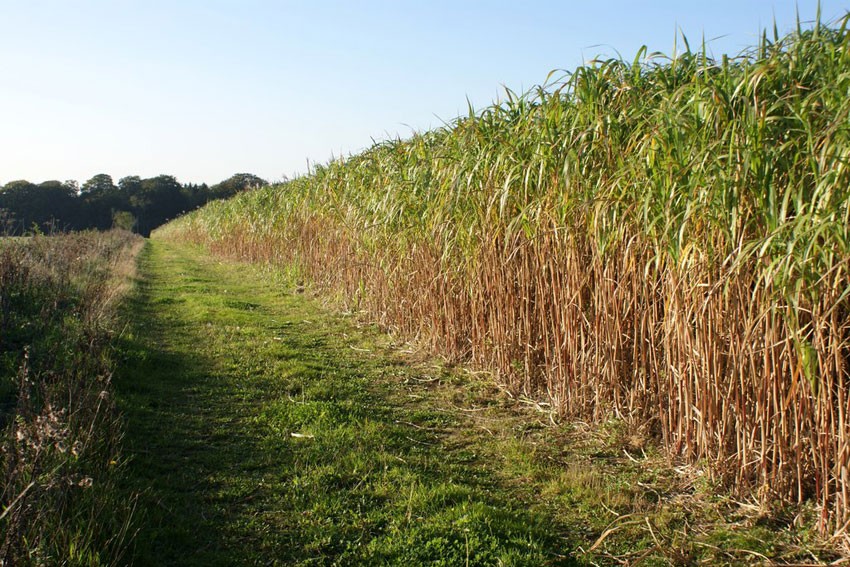
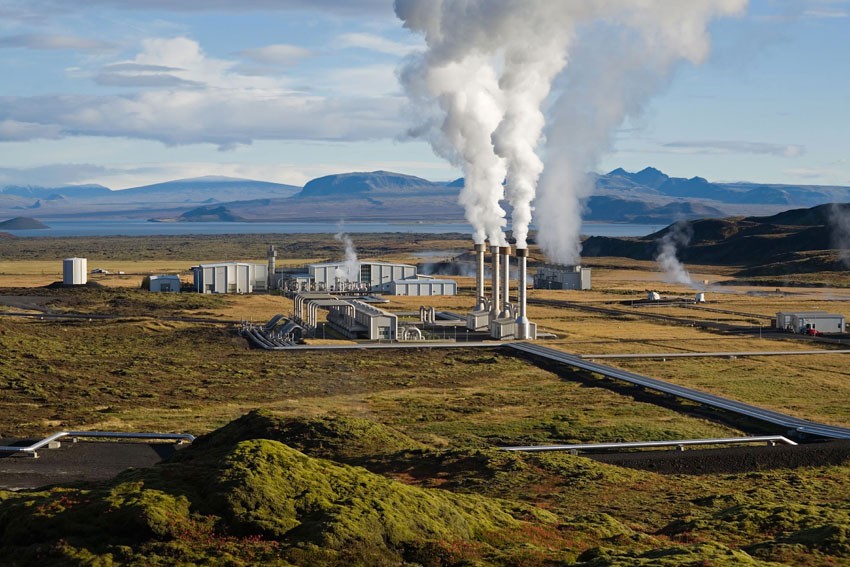
In sustainable agriculture, farming methods are designed to, for example, conserve soil and prevent water pollution. In sustainable energy, technologies that provide renewable energy such as hydro-electricity, solar power, wind energy, wave and tidal power, geothermal energy and biomass energy, replace those that use only non-renewable energy resources, such as fossil fuels.
Ecotourism is an example of sustainable development. For example, the natural resource of a rainforest, with its animals and plants preserved, can be visited and enjoyed without the "over-development" (roads, airports, building of hotels etc.) that might harm the environment. However, "true" sustainability is often difficult to achieve: visitors sometimes travel long distances, using up other non-renewable resources (e.g. aircraft fuel) to do so.

Resource recovery
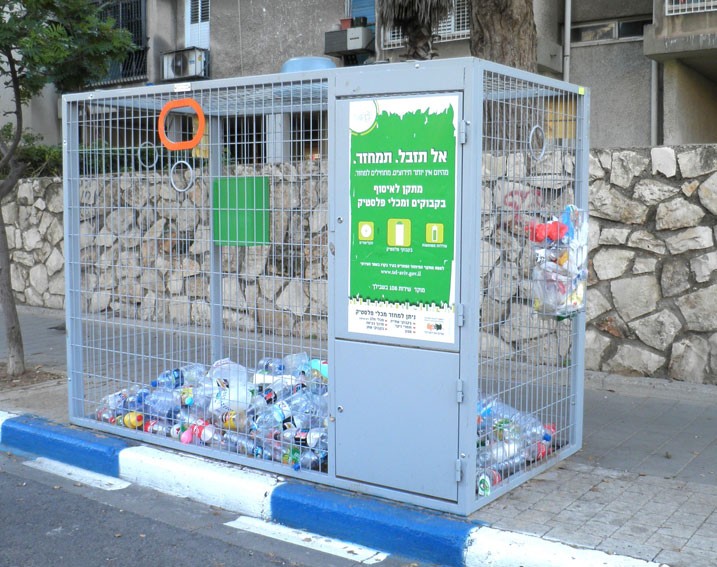
Resource recovery is a practice that conserves natural resources by taking used materials, including paper, glass and metals, from waste and reprocessing them for reuse (recycling them). Plastics are manufactured using oil, a natural resource, but they can also be made from waste plastic, recovered in recycling programmes. If recovered plastic is used, not only is the depletion of a vital, non-renewable natural resource prevented, but pollution that would have been created in the extraction and processing of newly-drilled oil, is also minimized.
Consultant: Ian Fairchild