
Britain in World War I
British Army in World War I
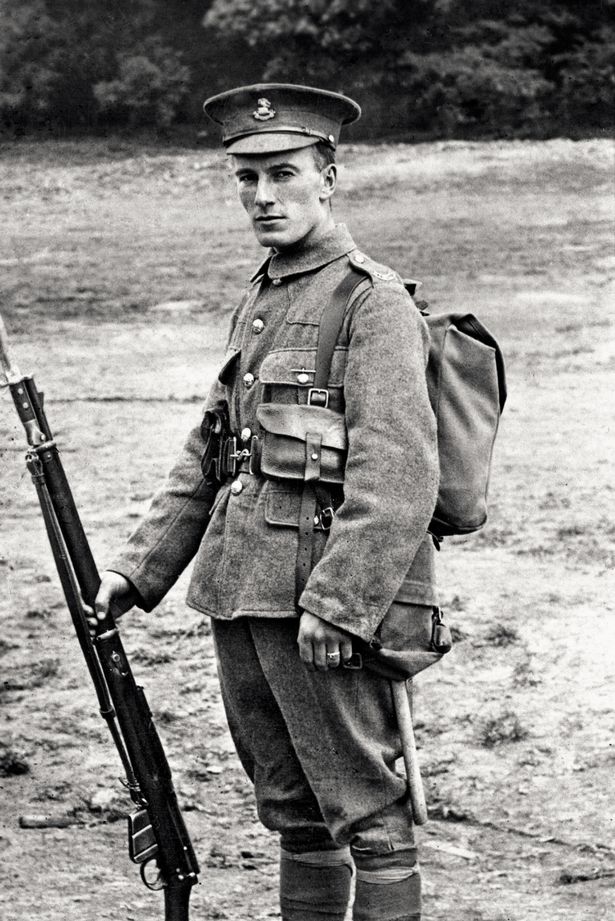
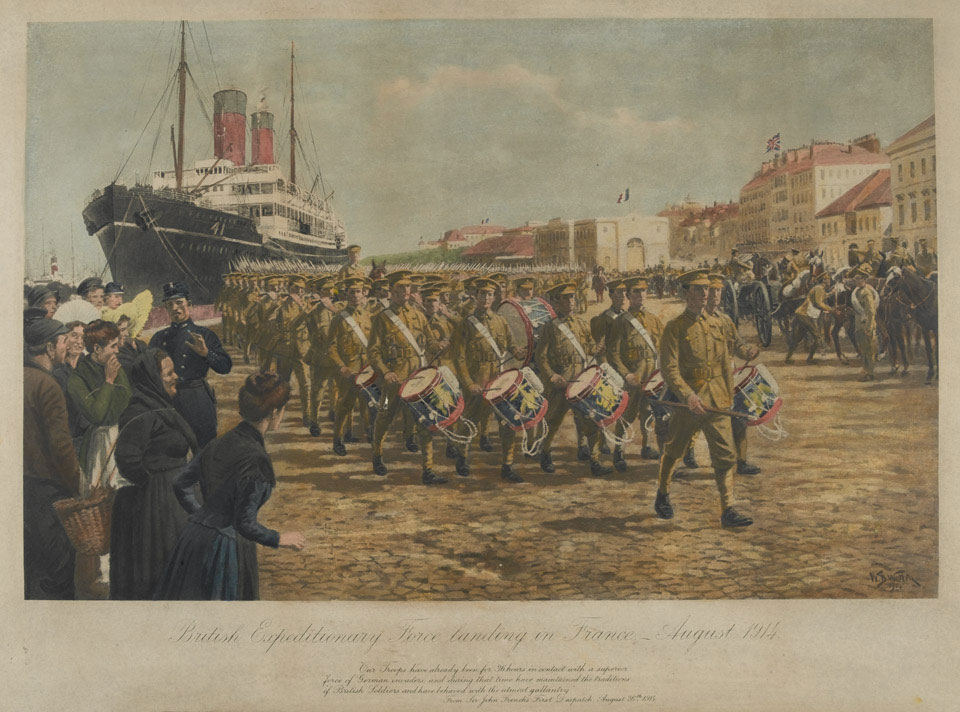
At the start of World War I, Britain had a much smaller army than some of the other major European powers, including France and Germany. This was partly because British forces were spread out across the territories of the British Empire around the world, and partly because, unlike other European powers, Britain did not compel its citizens to join the military, a process known as conscription. Britain's forces consisted of just over 730,000 men, of whom around a third served in the regular army. The other two-thirds were made up of reservists (soldiers who have left the regular army but are recalled in times of need) and the Territorial Force, part-time volunteers assigned to home defence. These forces were combined to form the British Expeditionary Force (BEF) and sent to fight in France. There they acquired the nickname the "Old Contemptibles".
Kitchener's Army
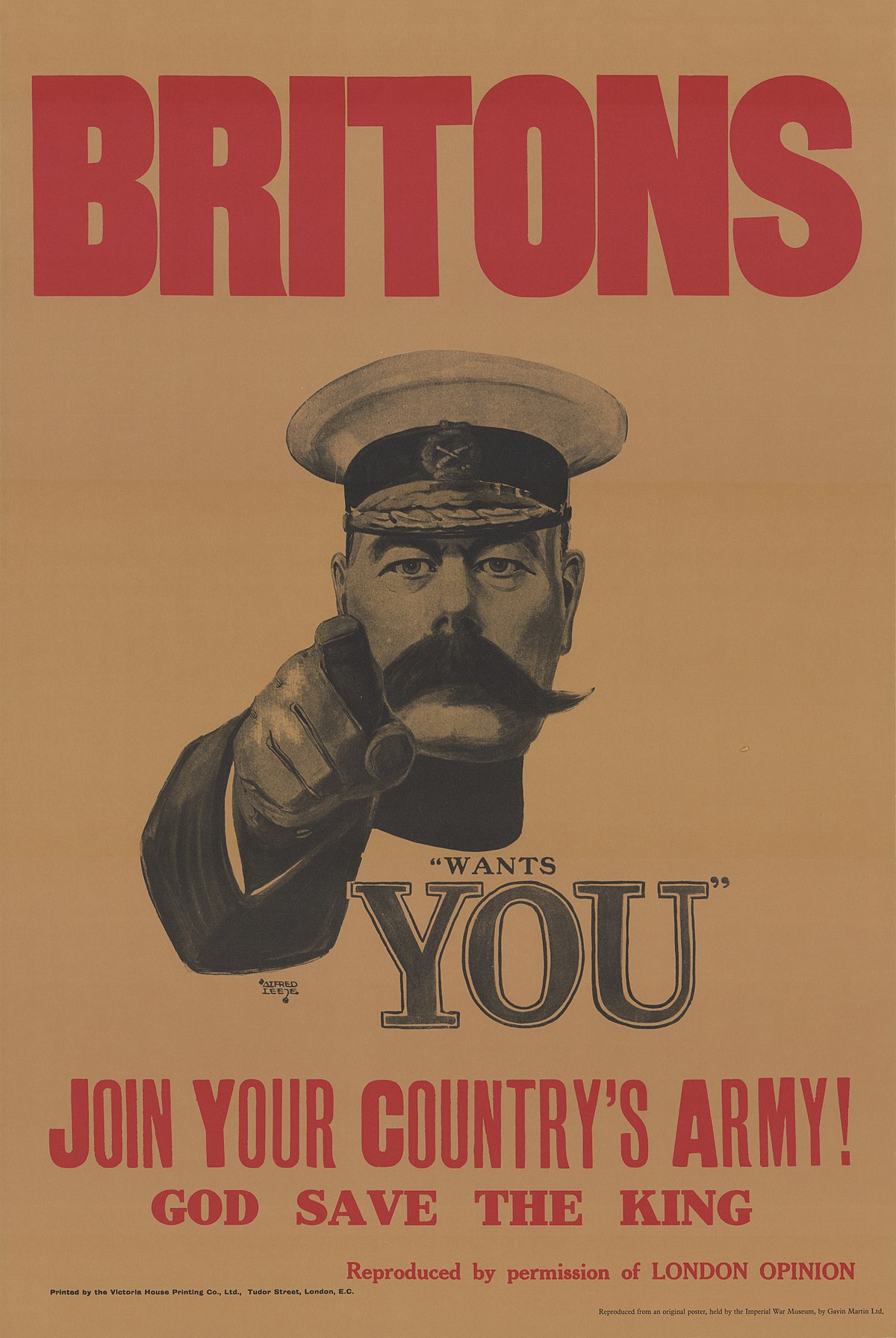
Lord Kitchener, newly appointed as Secretary of State for War in August 1914, realised Britain's armed forces were inadequate for fighting what he he anticipated would be a lengthy conflict. So he set about raising a "New Army" of volunteers. With the approval of Parliament, on 7th August Kitchener issued his first call for 100,000 men, aged between 19 and 30, at least 1.6 metres (5' 3") tall and with a chest size greater than 86 centimetres (34 inches).
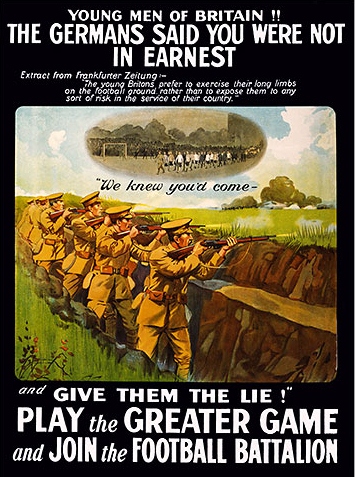
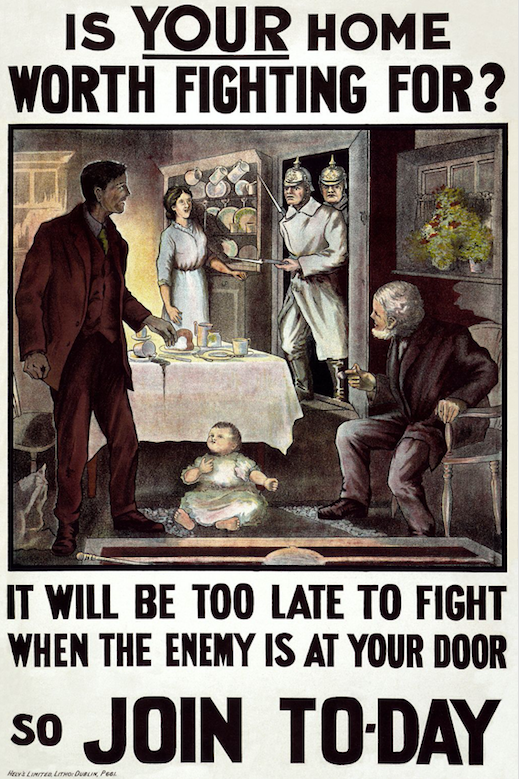
Men rushed to volunteer, eager for adventure and the "glory of war" and imbued with a strong sense of patriotism for Britain. Many, too, were desperate to escape the grinding poverty of everyday life. It was also widely believed at the time that the war would be over quickly—probably by Christmas that year. In just eight weeks, over 750,000 men in Britain had joined up for Kitchener's Army. By the end of 1915, that number had risen to 2.5 million.

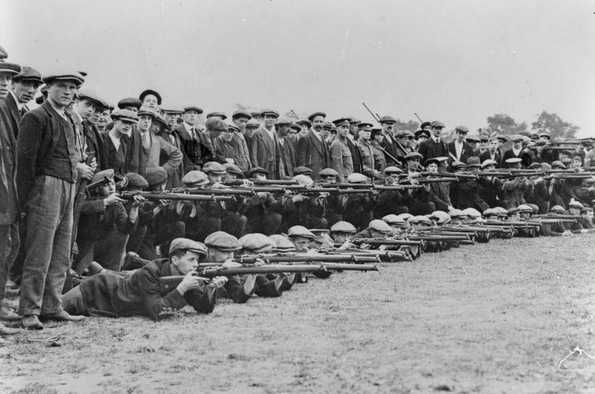
Every volunteer had to undergo a series of medical and fitness tests before being accepted as a soldier (unprepared for the sheer numbers of volunteers wanting to fight, the Army often rushed the men through this process). The new recruits were then given months of basic training in camps all over the country. New officers learned how to lead their men.
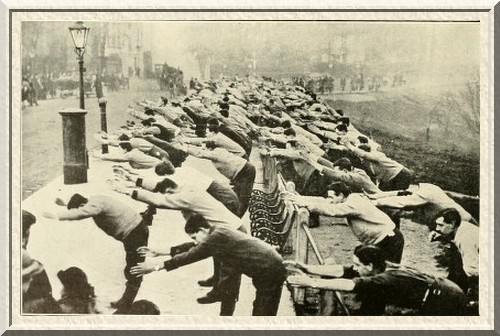

Before 1914, the British Army had been little more than colonial police force. Now, in a matter of months, it expanded enormously, absorbing hundreds of thousands of inexperienced civilian volunteers (and, later, conscripts) into its ranks. Nevertheless, by 1918 this army of bank clerks and shop assistants, businessmen and miners had emerged as a formidable fighting force. Their commanders—most of them used to leading only small-scale forces or who were volunteers themselves—had to learn how to fight a major war for which they were entirely unprepared.
Pals battalions
Most volunteers became infantrymen in new battalions, each numbering around a thousand men, that were attached to existing Army regiments. Many of the new units formed what were known as Pals battalions. These were formed from men who came from the same town or city, workplace or even sports team—the result of a plan to encourage volunteers reassured by the knowledge they would be serving alongside men they already knew.
Most Pals battalions spent the rest of 1914 and the first part of 1915 training in Britain. A major offensive (attack), intended to relieve the pressure on the French at Verdun, where a fierce battle had broken out in February 1916, was planned for a 30-kilometre (20-mile) stretch of the Western Front, near the city of Amiens on the River Somme. For many recruits to Kitchener's Army, this offensive, a bid to breach German lines and force an early victory, would be their first major battle.
For many of the volunteers it would be also be their last. The first day of the Battle of the Somme was a catastrophe. Army commanders instructed their soldiers to walk in formation towards German lines as the attack began. But the artillery barrage which took place before the advance had failed to destroy the heavily fortified German trenches. As a consequence, the men presented easy targets for German machine gunners. On that single day, 1st July 1916, more than 19,000 men were killed and tens of thousands more injured. Of the 720 Accrington Pals who took part, nearly 600 were killed, wounded or missing. The Leeds Pals lost around 750 of their force of 900. The Sheffield City Battalion lost half their men. It meant that the communities they came from in Britain were decimated. Some people lost their entire families.

Officers
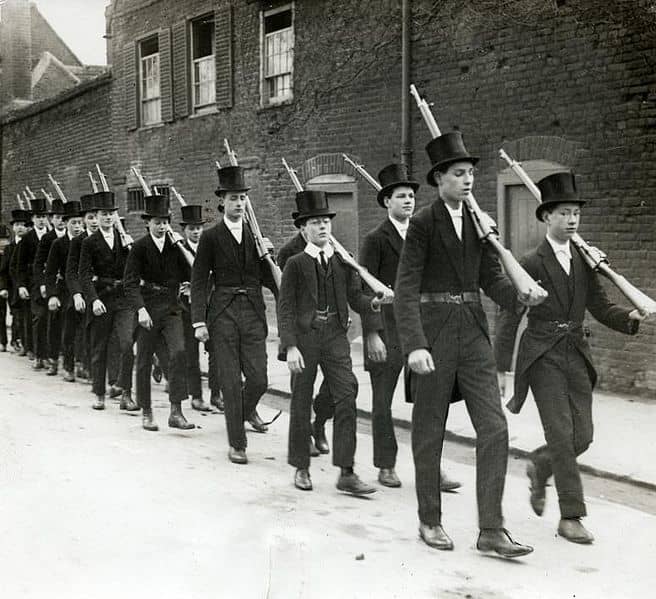
Britain in 1914 was a country with strict social divisions. Only "gentlemen" from the upper- and middle-classes were allowed to serve as officers. These men, needed to manage and lead the hundreds of thousands of new soldiers in the ranks, were recruited from public schools and universities (in those days, attended only by young men of high social rank). The most junior infantry officers, second lieutenants, were often only teenagers. Each was tasked with leading a platoon of around 30 men, many of them older and from much tougher backgrounds than themselves—most of the army's rank and file were poorly educated, unskilled (and often unemployed) labourers. The new officers were taught how to command the men's respect. As casualties mounted during the war, out of necessity officers were increasingly drawn from the lower ranks.
Cavalry
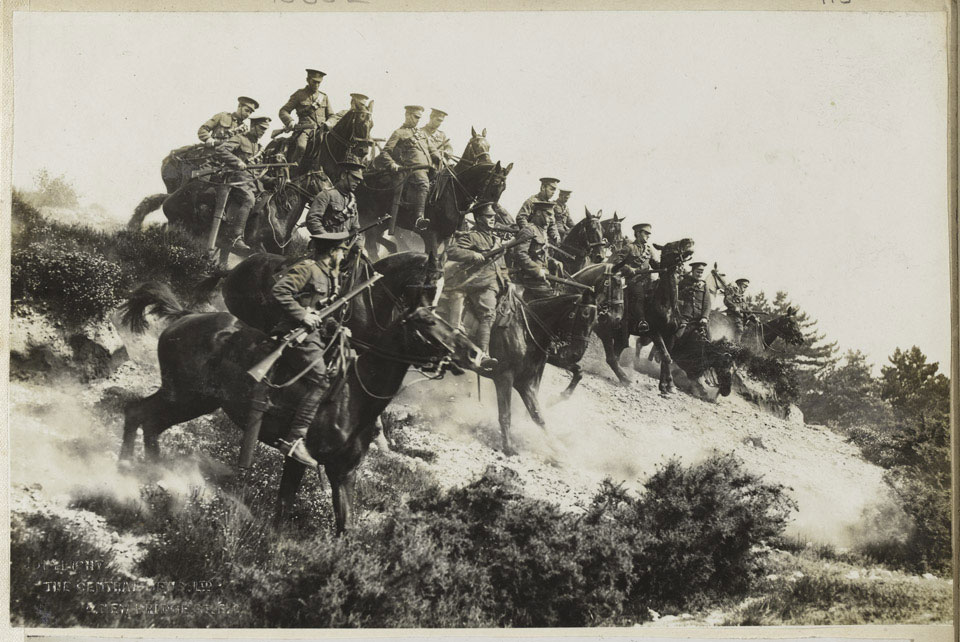
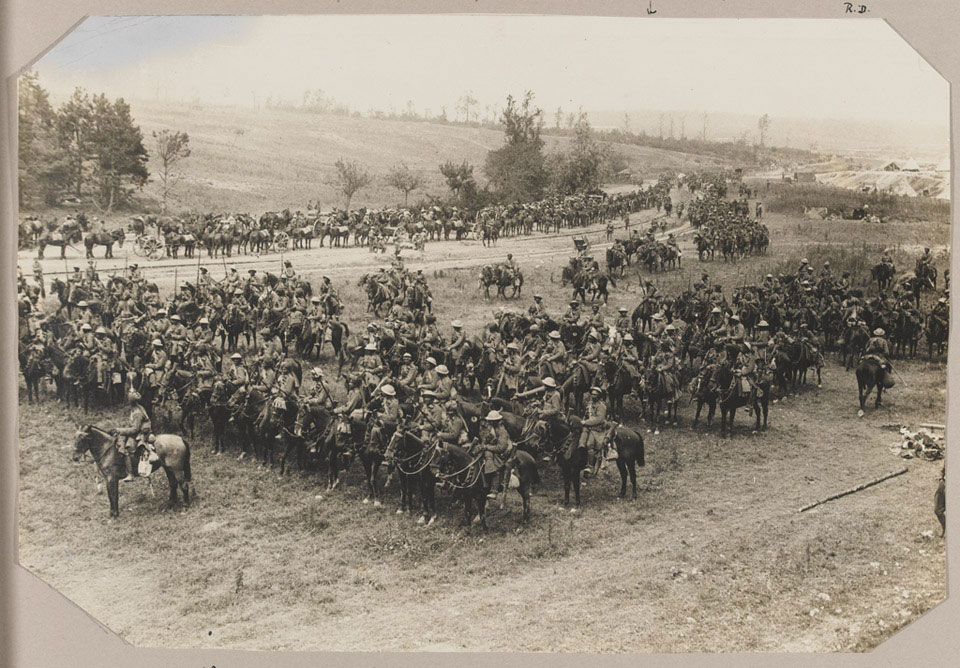
The cavalry (soldiers fighting on horseback) in the British Army saw action in the early days of the war in August 1914. At that stage, before the long period of trench warfare had begun, the war was still fought in the open. But men on horseback were no match for modern weaponry. On 24th August, the 9th Lancers and the 4th Dragoon Guards attempted a cavalry charge across a field at the Battle of Mons. They were swiftly gunned down.
Cavalrymen fought on, however, with some success in smaller skirmishes during the period in late 1914 known as the Race to the Sea. While there was little use for the cavalry during the stalemate of trench warfare that followed, the British High Command still believed that cavalry would be required once a decisive break through German lines had been achieved. Only the cavalry would be speedy enough to surge through a breach to reach the enemy's rear positions and destroy supply lines before they could re-group.
The cavalry did not, however, see any significant action until the the Hundred Days Offensive in August 1918. Then they joined the "all arms" attack that also included aircraft and tanks, taking prisoners and capturing enemy guns as they advanced. But the decisive contribution of motorized vehicles to the Allied victory confirmed that the role of cavalry was no longer needed in modern warfare.
Conscription
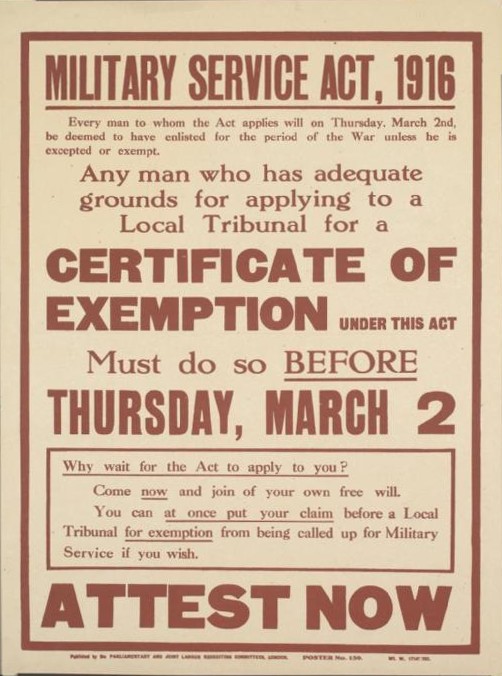
With so many casualties taken as the war progressed, the British Army's need for reinforcements became a pressing concern. Even before the disastrous Somme campaign, enthusiasm for volunteering had fallen away as the brutal realities of trench warfare started to hit home. As a result, the government had no option but to introduce conscription—legally obliging men to join up—in January 1916.
Initially, this was for single men, but it was later extended to all men aged 18 to 41 across England, Wales and Scotland (and eventually extended further in 1918 to all men under 51).
Britain's armed forces continued to lose tens of thousands of men. In 1918, the British government attempted to extend conscription to Ireland, then part of the United Kingdom, but where support for independence had been gathering pace after the 1916 Easter Rising had been brutally put down by British forces.
The government's offer of a "measure of self-government in Ireland" in return for conscription caused outrage in Ireland, hardening public opinion in favour of a complete break from British rule. As a result, after six months the government dropped its plans for conscription in Ireland.
Empire troops
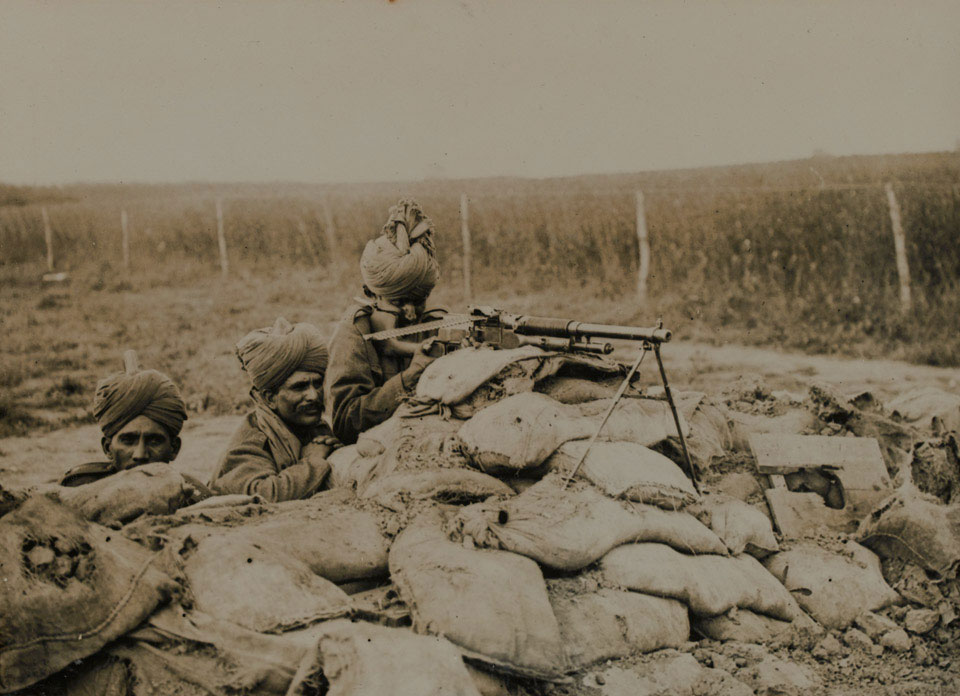
The British declaration of war on Germany and its allies committed its empire—all the British colonies and Dominions (Australia, New Zealand, Canada, Newfoundland and South Africa)—to fight alongside the "mother country". In fact, Britain depended on its empire to provide the manpower and resources it needed to keep a military campaign going on several fronts. Over 2.5 million men from the British Empire served during the war. The colonial government of India contributed the most, around 1,400,000 men, who served both as labourers and soldiers in the Western Front, Mesopotamia (present-day Iraq, then part of the Ottoman Empire) and East Africa.
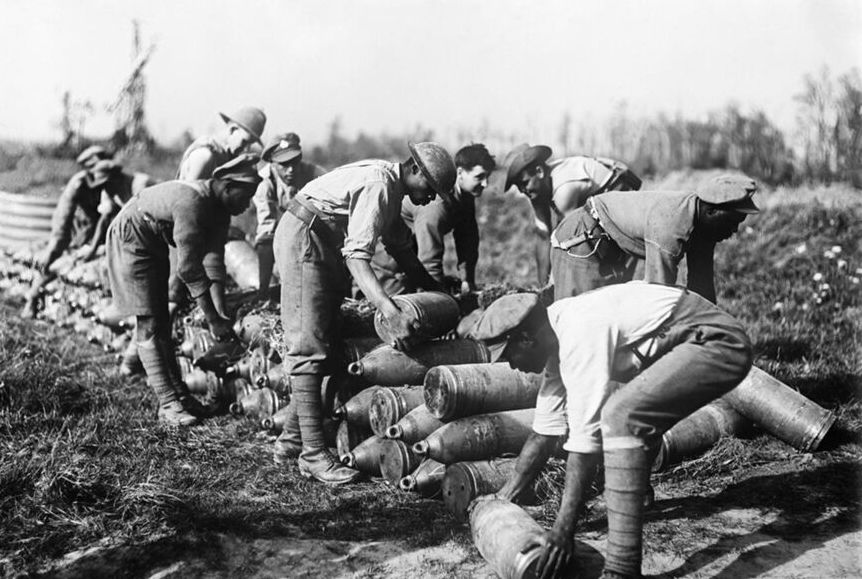
Around 15,000 men from the Caribbean colonies also enlisted, many of whom served in the British West Indies Regiment on the Western Front. These men worked mainly as labourers in ammunition dumps and gun emplacements, often coming under heavy fire.
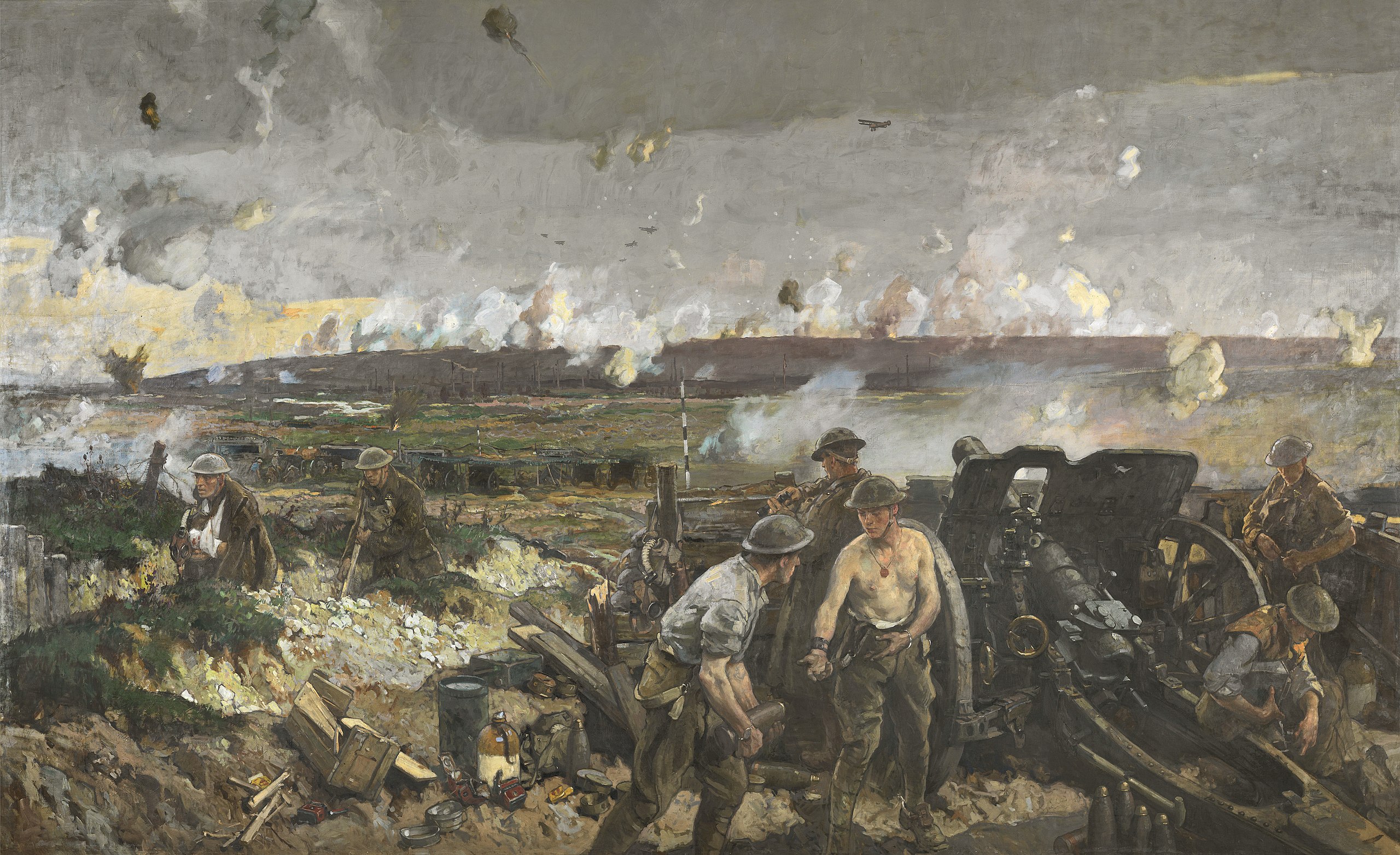
Australian and New Zealand troops made a hugely significant, but ultimately unsuccessful, contribution during the 1915 Gallipoli Campaign fighting against forces of the Ottoman Empire. The shocking casualties they suffered had a great impact on public opinion at home, and helped to tip the balance in favour of supporting the move to full independence after the war. For Canadians, the success of its forces in the Battle of Vimy Ridge was proudly regarded as a tribute to national achievement and sacrifice.

Conscientious objectors
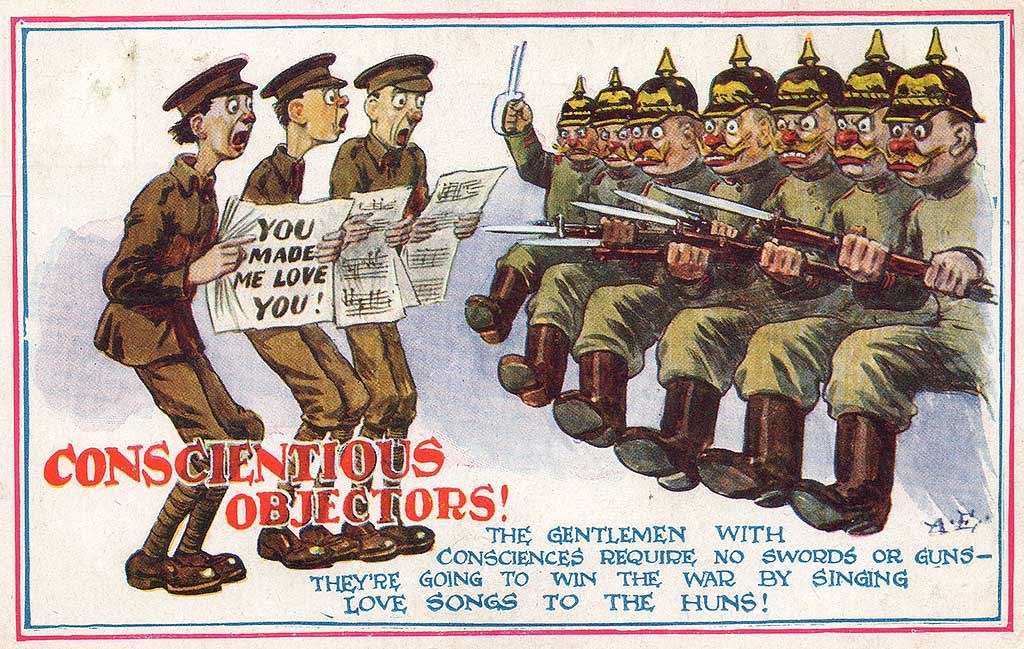
Some men refused to fight for moral or religious reasons. Known as conscientious objectors (COs), they believed their consciences would not allow them to kill. In the early years of the war, when patriotism was at its peak, women of the White Feather Brigade presented a white feather—a symbol to mean someone was a coward—to any young man in the street or on a bus who was not wearing uniform. The purpose was to shame these men into volunteering, but the campaign backfired when soldiers on leave or who had been injured were also presented with feathers.
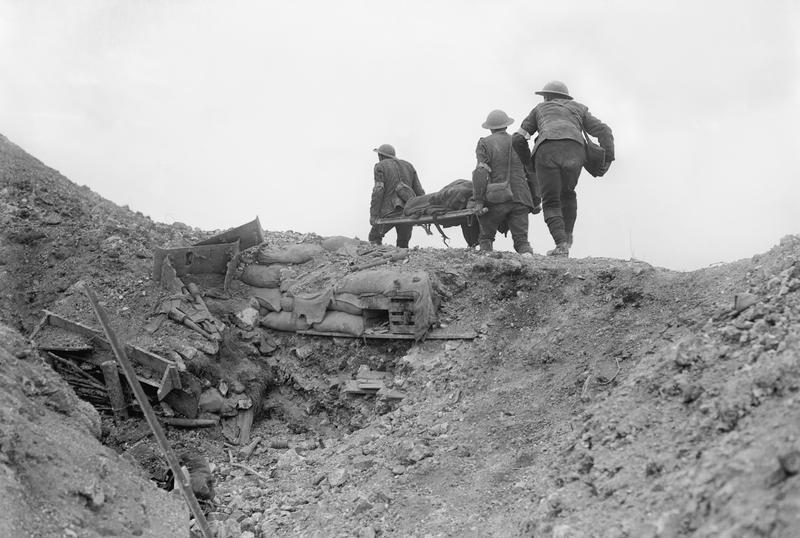
When conscription was introduced in 1916, men were given the right to refuse military service. Around 16,500 men did so and were recorded as COs. Many of them were Quakers, who cited religious reasons. Some COs were sent to work on farms or to carry out non-combatant duties at the front, such as working as stretcher bearers. But around 6000 men were forced to join the army; when they refused orders they were sent to prison. More than 800 COs spent more than two years in prison, some on life sentences.
Casualties
A War Office report published in March 1922 gave a total of 908,371 soldiers killed in action, dying of wounds, dying as prisoners of war, or missing in action, over the period of 1914–20. Of these, the United Kingdom lost 702,410 men; India 64,449; Canada 56,639; Australia 59,330; New Zealand 16,711; South Africa 7121. In addition, the Royal Navy lost 32,287 sailors and the Merchant Navy 14,661.
The number of civilians who died as an indirect result of the war due to food shortages was 109,000; a further 183,000—probably an under-estimate—died from Spanish flu. In addition, 1260 civilians and 310 military personnel were killed in air raids or sea bombardment, and 908 civilians and 63 fisherman were killed by U-boat attacks.
"Lions led by donkeys?"
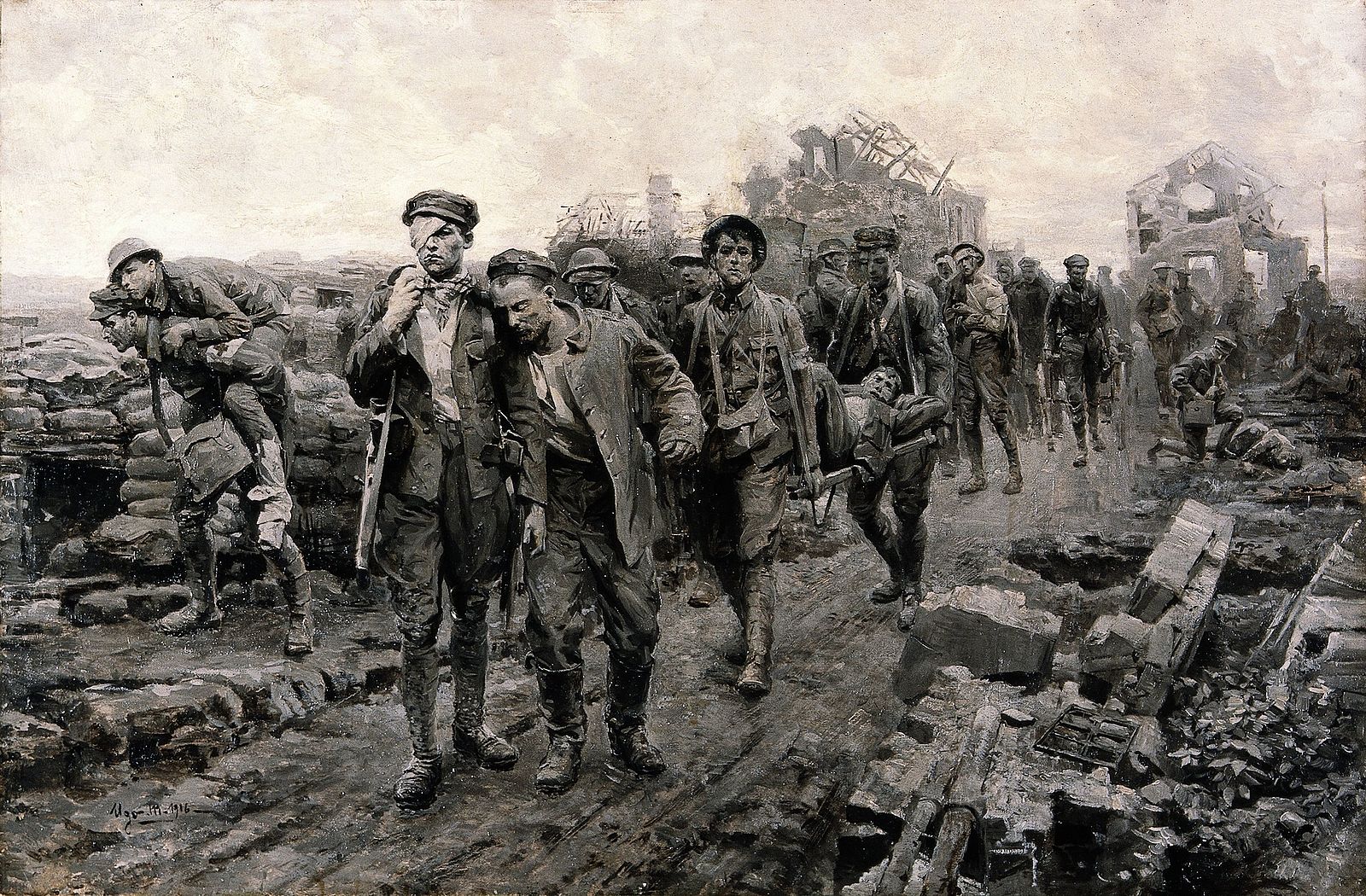
Trench warfare in World War I has come to be strongly associated with mass slaughter in appalling conditions. It is sometimes described as the perfect example of the "futility of war". Why were hundreds of thousands of young men ordered to go "over the top", to leave the relative safety of the trenches to face near-certain death at the hands of German machine gunners in the battles of the Somme, Passchendaele and others?

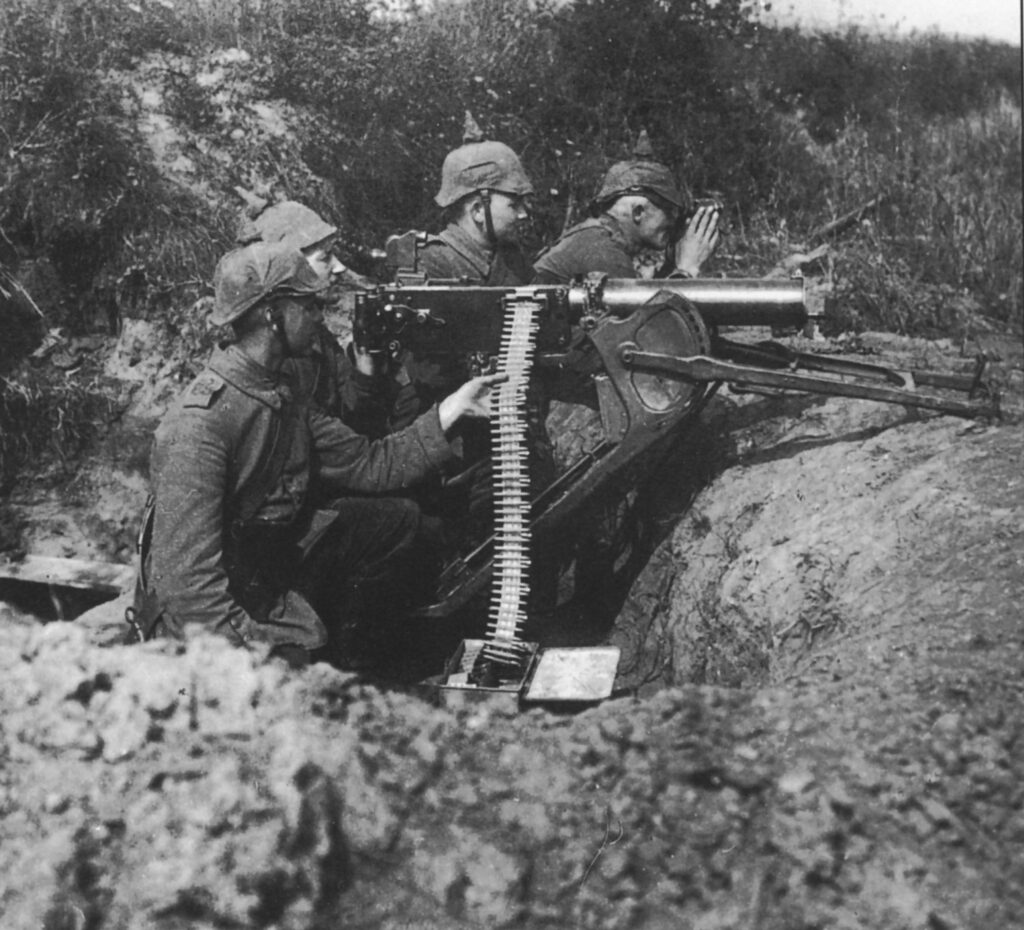
Much of the blame has been directed at incompetent generals who failed to adapt to the new conditions of trench warfare, who regarded the men in the ranks as of inferior class and therefore expendable. British public opinion has often echoed the saying that their brave young soldiers were "lions led by donkeys". But did fighting a war of attrition—wearing down the enemy to the point of collapse through continuous losses in men and munitions—mean there was no alternative?
Until 1917, defensive weaponry on both sides of the war on the Western Front was dominant over offensive tactics. A combination of "high-tech" (quick-firing artillery and machine guns) and "low-tech" defences (trenches and barbed wire) made the attacker's task extremely difficult. Armies were too big and spread out to be commanded by a single general in person, as Wellington had at Waterloo a century before. Radio was in its infancy, meaning communications were slow. And even if an attack did manage to break through enemy positions, generals lacked a fast-moving force—a role cavalry had performed in the past—to exploit the situation and rout their opponents.

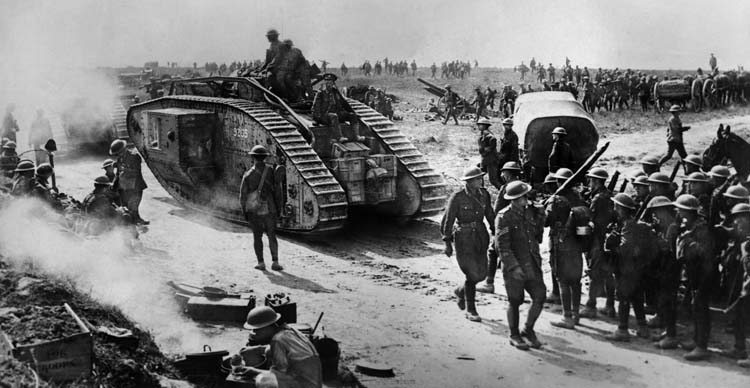
As the war went on, British commanders made attempts to learn from their shocking mistakes and change tactics. Improvements in artillery accuracy and the development of tanks eventually made it safer for infantry to move in the open. As a result, by 1918 Allied offensives were more successful and suffered fewer casualties.
Consultant: Philip Parker